







Search Results for: NCE

Exploring the Nairobi Coffee Exchange in Kenya: Auction Mechanisms, Historical Evolution, and Industry Impact
Kenyan coffee is world-renowned for its layered, complex flavors and bright, juicy acidity, and enthusiasts who frequently work with Kenyan beans have likely heard of an institution called the NCE. The NCE, or Nairobi Coffee Exchange, is a coffee trading platform established by the Kenyan government and an indispensable link in the country's coffee supply chain. This article will walk you through how the NCE operates, its historical origins, and the role it plays in Kenya's coffee industry, while also tracing the institutional changes from the colonial period to independence, and how coffee farmers and cooperatives export their coffee to the world through auctions or direct sales. [more…]
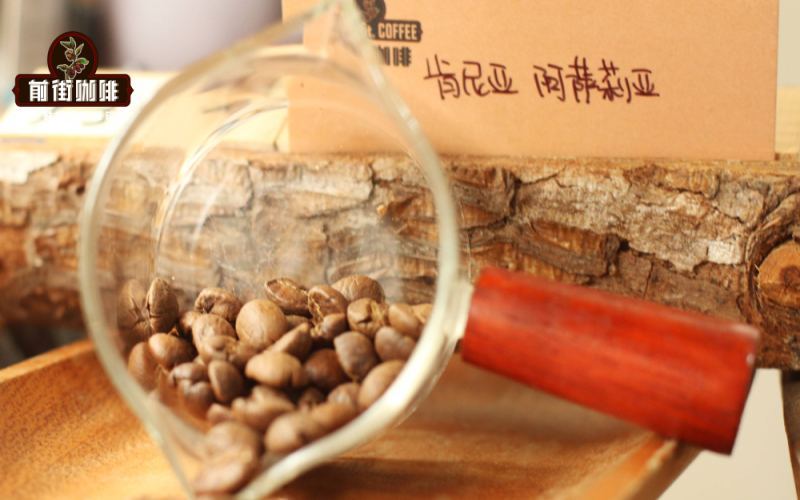
Complete Guide to Kenyan Coffee Washed Processing: K72 Double Fermentation, Grading System, Auction System, and Front Street Little Tomato Recommendation
Kenya is a coffee origin that cannot be overlooked on the global specialty coffee map. Behind its full-bodied and highly distinctive flavors lies a rigorous industry system spanning from grading to auctions. Screen-size grades such as AA and AB do not directly equate to cupping performance—what truly determines specialty value is the cupping results at the NCE auction. This article will outline the industry chain structure and grading standards of Kenyan coffee, with a focus on the famous K72 double-washed processing method—through three cycles of fermentation and washing, it imparts bright, clean, and solid flavors to the beans at low temperatures. It will also introduce the relatively rare natural-process Kenyan coffee available on the market, along with specific information and brewing suggestions for two comparison beans: Front Street Cherry Tomato AA and Hania Estate Missionary Bourbon. [more…]
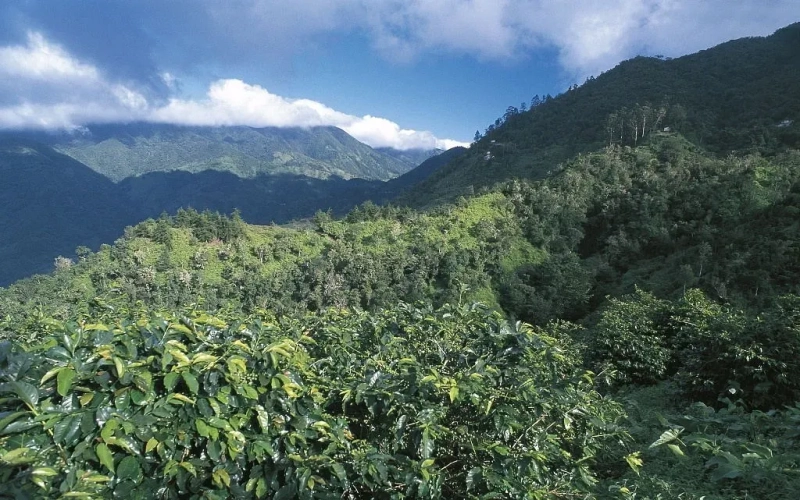
Kenya's Coffee Industry Faces Multiple Challenges: Dual Pressure from New Regulations and Declining Production
The Kenyan coffee industry is facing unprecedented challenges. The latest report from the United States Department of Agriculture shows that, affected by a reduction in planted area and heavy rains, Kenya's coffee production in the 2024/25 marketing year is expected to fall to 750,000 bags, a year-on-year decline of 6.3%. At the same time, new policies and regulations implemented by the government are also profoundly affecting the entire industry chain, with impacts from production and processing to export trade. This series of changes has not only affected Kenya's coffee export volume and prices, but has also had a far-reaching impact on farmers' livelihoods and industry development. Front Street Coffee will provide you with an in-depth analysis of the current situation and future of Kenya's coffee industry. [more…]
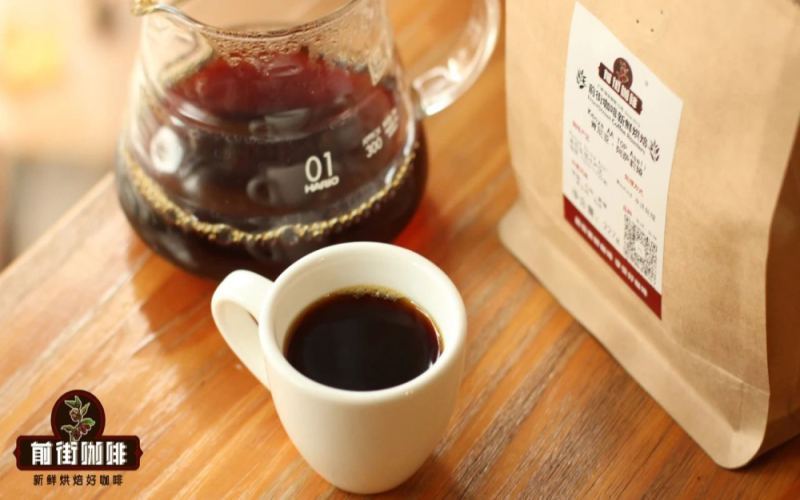
A Complete Guide to Kenyan Coffee Beans: Regions, Varieties, K72 Washed Processing, Flavor Profile, and Brewing Parameters
Kenyan coffee has always been famous for its full-bodied juiciness and bright acidity, but many people mistakenly believe that only a small-tomato note represents Kenyan flavor. This article provides a comprehensive overview of the core knowledge of Kenyan coffee, from the growing environment, auction trading system, and green bean grading, to the characteristics of the SL28 and SL34 varieties, the K72 washed processing method, and the six major producing regions including Nyeri and Kirinyaga. At the same time, Front Street Coffee uses two Kenyan AB beans to compare roasting, cupping, and brewing, guiding you through the flavor differences brought by different altitudes and producing regions, as well as grinding and brewing recommendations for Kenyan coffee. [more…]
Kenya AA Coffee Beans Top Picks: AA Grading Standards and FAQs on Cup Quality Explained
Kenya AA coffee beans have always been a hot topic in the specialty coffee circle. Many people's impression of Kenyan beans stops at the small tomato flavor, but Front Street Coffee believes that the core characteristic of the Kenyan producing region should be a thick, juicy mouthfeel. This article will unfold from aspects such as Kenya's coffee trade system, grading standards, six major producing regions, variety characteristics, and the K72 washed processing method, and through Front Street Coffee's comparison of roasting, cupping, and brewing of two beans—Nyeri Gachatha AB and Mugaya AB—will take you to a deeper understanding of the true character of Kenyan coffee, and explain the meaning of the AA grade and FAQ cupping quality. [more…]
A Complete Analysis of Kenyan Coffee Bean Flavor Characteristics and Grading System: From AA Grade to the K72 Washed Processing Method
Kenya, as a representative producing country of East African specialty coffee, is renowned for its full-bodied juicy mouthfeel and vivid acidity. However, many enthusiasts habitually define Kenyan coffee by a small-tomato flavor profile, a single standard that Front Street Coffee considers inaccurate. This article systematically reviews Kenya's coffee-producing regions, bean grading system, auction trading system, the characteristics of the SL28 and SL34 varieties, and the unique K72 washed processing method. At the same time, by comparing the roasting, cupping, and brewing performance of two AB-grade beans, Nyeri Gachatha and Mugaya, Front Street Coffee demonstrates how altitude differences influence flavor direction, providing coffee enthusiasts with a complete framework for understanding Kenyan coffee. [more…]
A Detailed Guide to the Flavor Characteristics of Kenyan Specialty Coffee Beans and the AA Grade System: Comparing Nyeri and Kirinyaga Regions
Kenya, as East Africa's most important specialty coffee-producing country, is renowned for its full-bodied juicy mouthfeel and distinct flavor layers. However, many people habitually define Kenyan beans by a "cherry tomato" note, a judgment Front Street Coffee considers overly simplistic—the true core characteristic of Kenyan origins lies in their substantial juicy mouthfeel. This article will systematically outline the full picture of Kenyan specialty coffee, starting from Kenya's production and marketing system, grading standards, the terroir of its six major regions, the characteristics of the SL28 and SL34 varieties, and the iconic K72 washed processing method. At the same time, through roasting, cupping, and brewing, Front Street Coffee compares the flavor differences between two AB-grade beans—from the Nyeri Gachatha Cooperative and the Mugaya Processing Station—to help readers gain a more comprehensive understanding of the diversity of Kenyan coffee. [more…]
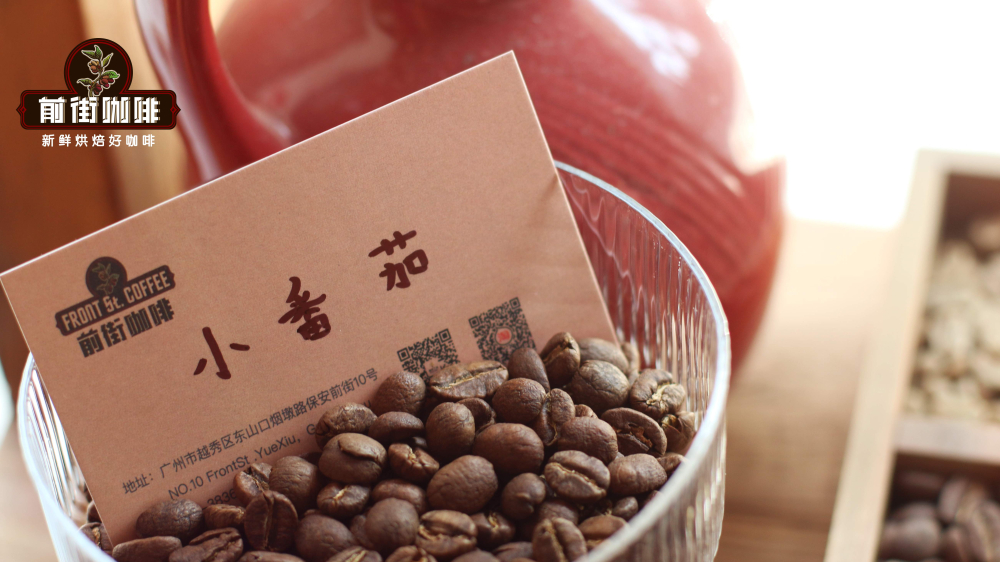
Kenyan Coffee Beans | Introduction to the AA Grading and Flavor Characteristics of Kenyan Coffee Beans
For more specialty coffee knowledge, please follow: Front Street Coffee (Frontsteet Coffee) Kenya AA coffee has always been regarded as one of the best specialty coffees in the world. For some friends who are not very familiar with Kenyan coffee, Front Street is often asked what AA means. Besides [more…]
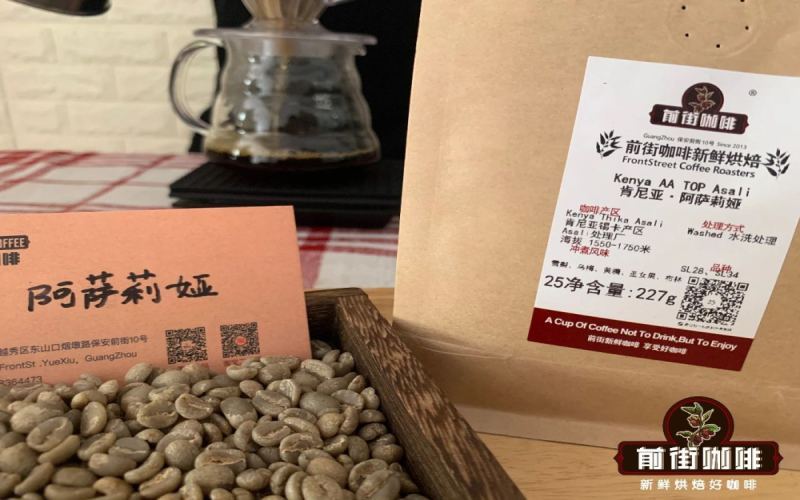
A Comprehensive Guide to Kenyan Coffee Bean Grading Standards: AA and PB Grades, Flavor Differences, and Front Street Recommendations
Kenya AA coffee is often hailed as one of the world's top specialty coffees, but what exactly do the letters AA and PB stand for? This article systematically breaks down the grading system for Kenyan green coffee beans, including the meaning and specifications of each grade—E, PB, AA, AB, C, TT, T, and MH/ML—and takes a deep dive into the flavor differences between AA and PB peaberry beans. Drawing on years of roasting experience, Front Street Coffee uses an Ichamama Peaberry as an example to share its roasting approach and cupping performance, while also offering brewing parameter recommendations for Kenya AA, helping coffee lovers gain a comprehensive understanding of what to look for when buying and tasting Kenyan coffee. [more…]
How Is Kenyan Coffee PB Peaberry Different from AA Grade? A Comprehensive Analysis from Grading System to Flavor and Mouthfeel
Kenyan coffee is renowned worldwide for its outstanding quality, but what exactly do the letters AA and PB represent? From the perspective of Front Street Coffee, this article systematically sorts out Kenya's coffee grading system, including the meaning and distinguishing criteria of each grade: E, PB, AA, AB, C, TT, T, and MH/ML. At the same time, Front Street takes a batch of Peaberry from the Ichamama Factory in the Nyeri region as an example, documenting in detail the complete process from green bean information and cooperative background to roast curve design and cupping flavors, and conducts a brewing comparison with Kenyan AA coffee beans, helping readers gain a deeper understanding of the actual differences in taste and flavor between PB Peaberry and AA coffee beans. [more…]
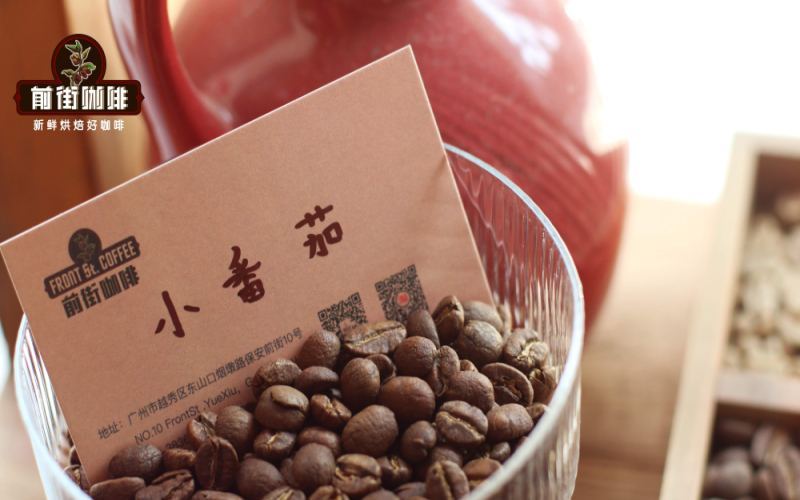
A Complete Guide to Kenyan Coffee Bean Grades: AA, PB, E Explained with a Roasting Log of Ichamama Peaberry
Kenya AA coffee occupies a pivotal position in the global specialty coffee landscape, yet the letter grades surrounding it are often confusing. What exactly do these codes—E, PB, AA, AB, C, TT, T, MH/ML—mean? From the perspective of Front Street Coffee, this article systematically sorts out Kenya's grading system based on raw bean screen size, and takes an in-depth look at a Peaberry from the Ichamama Factory in the Nyeri region, presenting the unique charm of Kenyan PB in full through raw bean information, cooperative background, four-roast comparison experiments, and cupping performance. At the end, it also includes Front Street Kenya Small Tomato AA's brewing parameters and flavor description, offering readers an intuitive AA vs. PB reference. [more…]
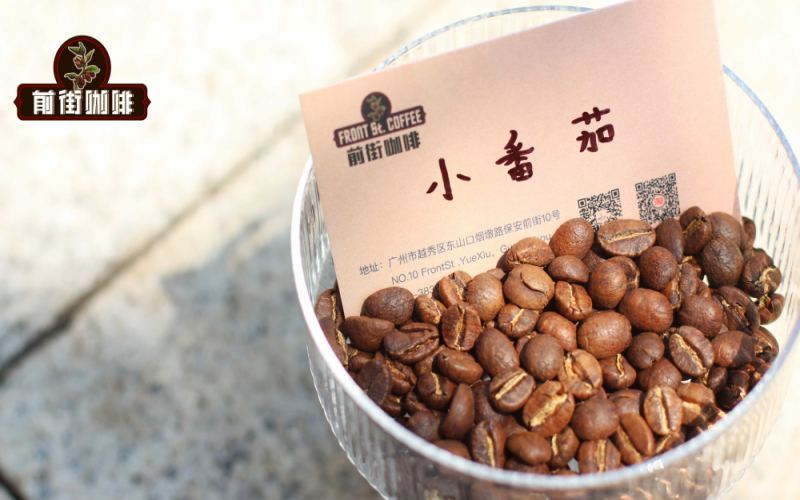
Why Are Kenyan Peaberry PB Beans So Rare? A Comprehensive Guide to Kenya's Coffee Grading System and Flavor Differences
Kenya AA is often regarded as the representative of African specialty coffee, but besides AA, the letters PB also appear frequently on Kenyan coffee labels. PB stands for Peaberry, a rare form in which a coffee cherry contains only a single seed, accounting for about 5% of Kenyan coffee. This article will systematically sort out the grading standards for Kenyan coffee, from E-grade Elephant Beans to AA, AB, C, TT, T, and even MH/ML, explaining the basis for each classification and the differences in specifications one by one. At the same time, combined with a Nyeri Ichamama Pearl Peaberry purchased by Front Street Coffee, it will provide an in-depth introduction to its producing region background, processing method, and roasting approach, and through a cupping comparison with Kenya AA, present the mellow and soft flavor characteristics of Peaberry along with brewing suggestions. [more…]
A Detailed Guide to Kenyan Coffee Bean Grading: The Meaning of AA and PB, Flavor Differences, and Front Street Coffee's Roasting and Brewing Practices
Kenya AA is often hailed as one of the finest specialty coffees in the world, yet many coffee enthusiasts still have questions about what the letters AA, PB, and others actually mean. From the perspective of Front Street Coffee, this article systematically reviews Kenya's green bean grading system, explaining the definitions and origins of the E, PB, AA, AB, C, TT, T, and MH/ML grades, and takes an in-depth look at a Kenyan PB peaberry from the Ichamama processing factory in the Nyeri region, covering origin information, cooperative background, roasting experiments, and cupping performance. It then presents the flavor differences between the two through a brewing comparison with Kenya AA, helping readers gain a more comprehensive understanding of Kenyan coffee's grades and flavor characteristics. [more…]
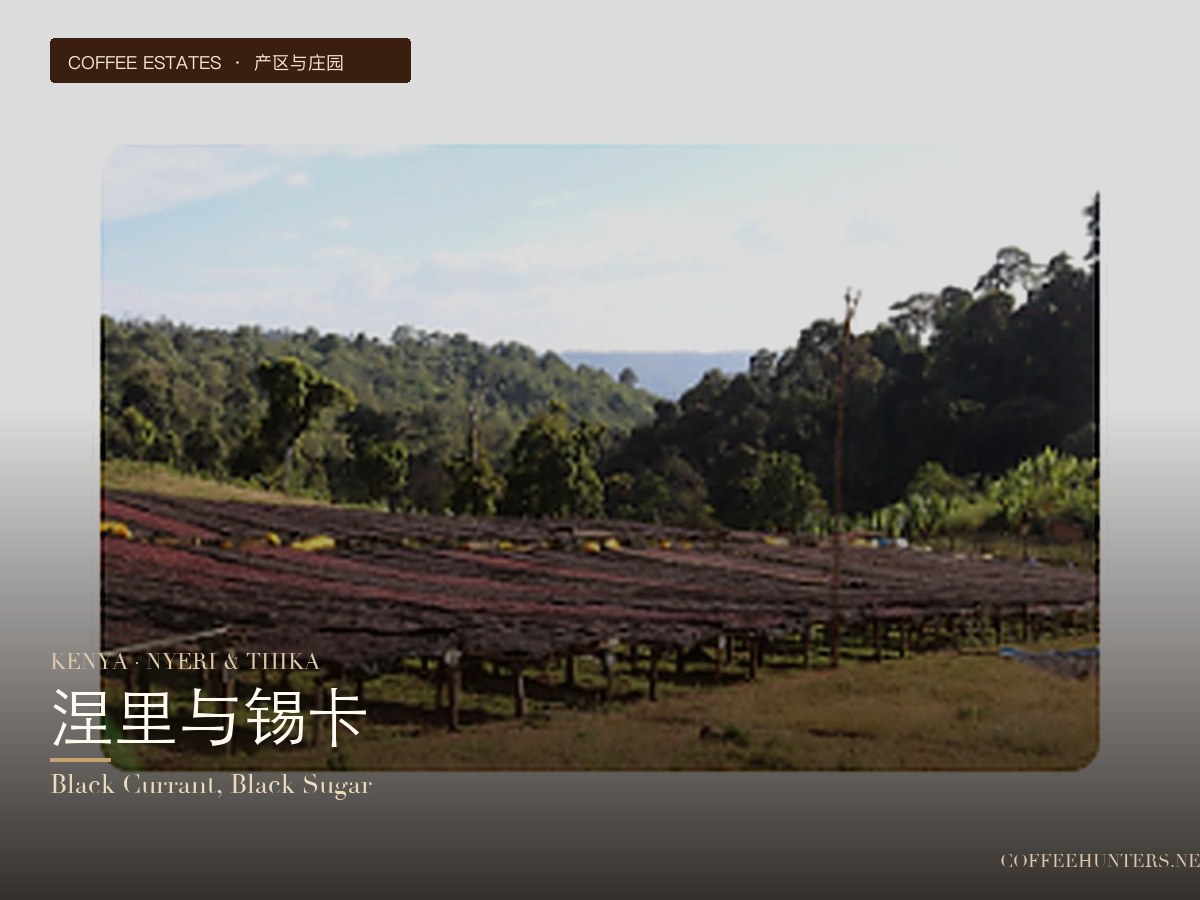
Kenya·Nyeri and Thika: The Bold Acidity of Blackcurrant and Tomato
Kenyan coffee is regarded by the global specialty coffee community as the "benchmark of Africa" for its powerful acidity, full-bodied tartaric acid, and distinctive blackcurrant flavor. This article takes the two major producing regions of Nyeri and Thika as its starting point to provide an in-depth analysis of the ins and outs of Kenyan coffee. [more…]
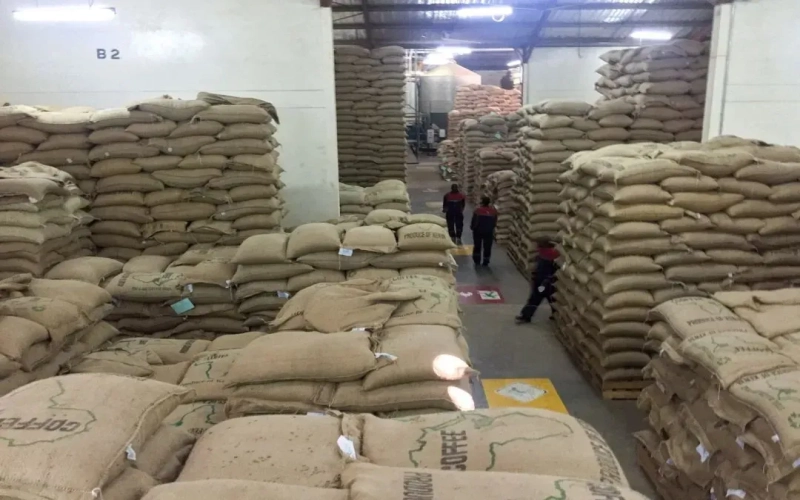
Kenyan coffee auction prices rise 15%, as declining production and political volatility loom over the industry
After the Nairobi Coffee Exchange in Kenya reopened, coffee auction prices rose significantly, with AA-grade green beans fetching US$275 per bag, up 15% from before. Behind this increase are both the direct impact of the government's push for industry reforms and the reduction of intermediary links, as well as multiple pressures such as insufficient processing plant capacity, a shortage of certified planting materials, and the mpox outbreak and domestic political instability. Despite the higher prices, coffee export earnings fell 11.38% year on year, and the industry's outlook remains full of uncertainty. [more…]
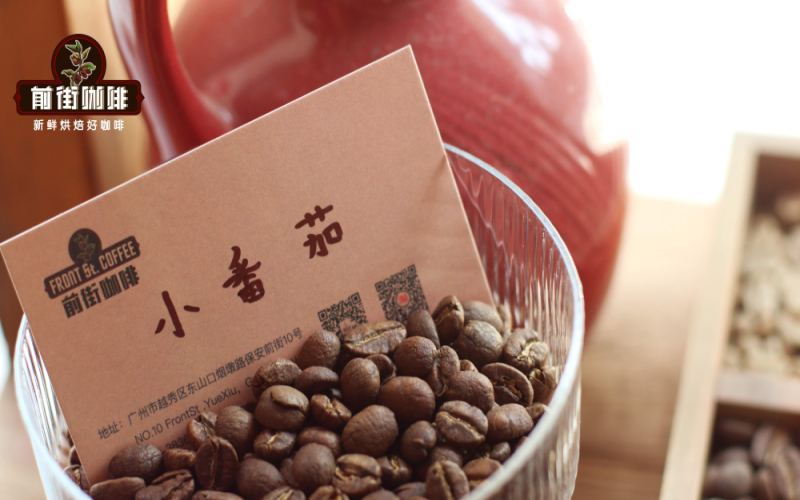
Kenya Nyeri Mahiga AA TOP Coffee Beans: A Detailed Look at Its Wild Flavors and K72 Washing Process
Want to understand the unique charm of Kenyan AA coffee? This article will take you deep into the Mahiga processing plant in the Nyeri region, revealing how the Othaya Farmers Cooperative Society it belongs to achieves top-tier coffee through strict quality control. From SL28 and SL34 varieties to the K72 double wash process, and on to the black plum, berry, and chocolate syrup flavors displayed in the cup, we offer a detailed analysis of this wildly distinctive Kenyan AA TOP-tier Mahiga. At the same time, Front Street Coffee’s Kenyan Cherry Tomato is a recommended product that lets you easily experience the wonderful taste of juicy texture interwoven with floral aromas. [more…]
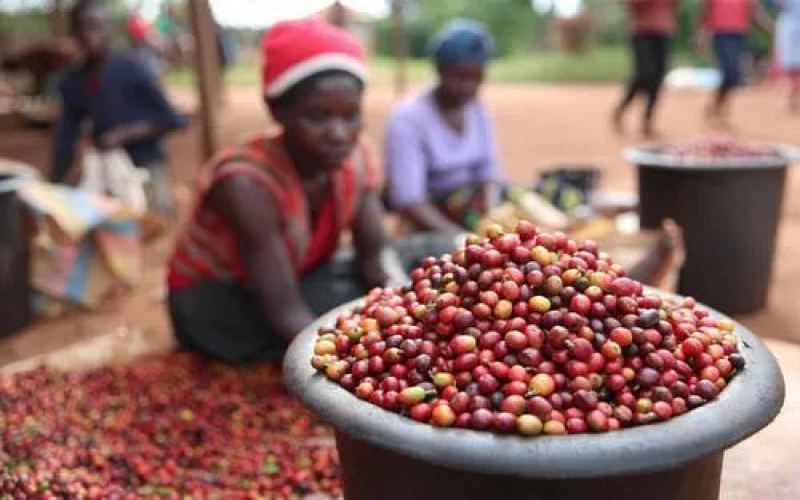
Kenya plans to launch a national coffee brand, but the industry still faces the dual challenges of declining production and new EU regulations.
The Kenya Export Promotion and Branding Agency, in collaboration with the Agriculture Sector Development Agency, is jointly planning to create a unified national coffee brand, aiming to consolidate global marketing resources and enhance the influence of Kenyan coffee in the international market. However, in recent years, the country's coffee production has continued to decline, and export performance has been volatile since 2016. Shrinking cultivation areas, rising production costs, price fluctuations, and unpredictable weather conditions are all constraining industry development. Although the government has implemented reforms to reduce intermediary links through the direct settlement system of the Nairobi Coffee Exchange, tightened processing licenses have led to the closure of large processing plants, with raw materials piling up and even rotting at small factories. Meanwhile, although the EU Deforestation Regulation has been delayed by one year, it still puts considerable pressure on traders and African producing countries. New variables such as the Red Sea crisis, port congestion, and rising domestic consumption have also led Kenyan coffee industry players to place greater expectations on policy. [more…]