







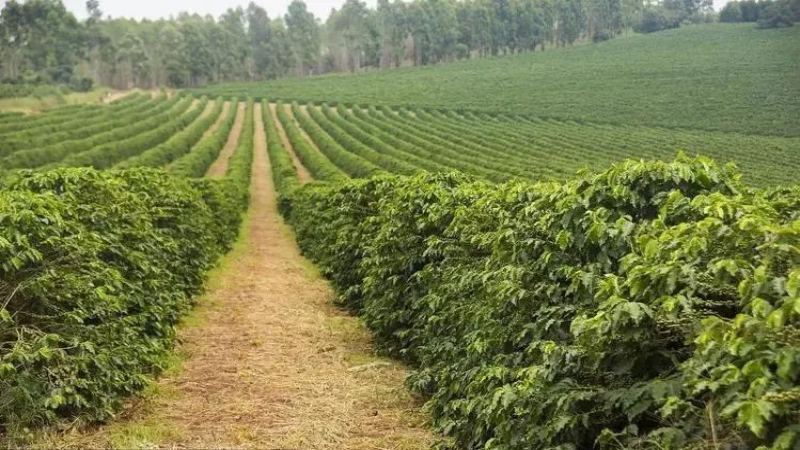
How Coffee Farm Sales in Brazil Fell Behind the Usual Pace
Brazil's 2024/25 coffee crop is roughly a month from harvest, yet pre-sales are running well below normal. Consultancy Safras&Mercado reported that as of March 12 only 11% of the new crop had been sold, against a historical average of 25%. Arabica reached 14% sold versus 30% typically, and Robusta just 6% versus 15%.
High Robusta prices have slowed buying by traders and exporters, and the gap between spot and forward prices encourages farmers to hold stock. Forecasters expect El Niño to end around April and shift to La Niña from June to August, which could cut rainfall in the southeast. Production declines in Vietnam and Indonesia, both among arabica coffee producing countries and Robusta origins, are lifting Brazilian Robusta exports.
Brazil's 2024/25 coffee harvest is imminent, but sales progress is noticeably lagging behind previous years. Data from consultancy Safras&Mercado shows that as of March 12, only 11% of the new season's coffee had been sold, far below the historical average of 25% for the same period. Of that, Arabica sold 14% (historical 30%), and Robusta only 6% (historical 15%). The slow sales are mainly due to high Robusta prices discouraging traders from purchasing, the spread between forward and spot prices prompting farmers to hold back, and the possibility of La Niña following the end of El Niño, which would expose coffee-growing areas in the southeast to reduced rainfall and frost threats. Meanwhile, production declines in Vietnam and Indonesia are driving strong Brazilian Robusta exports.
Reuters reports that consultancy Safras&Mercado recently released a report saying that although Brazilian coffee farmers will not begin harvesting the 2024/25 crop for about another month, the pre-sales pace of the new season's crop is already noticeably slower than normal levels in previous years.
Safras estimates that as of March 12, Brazilian farmers had sold only 11% of this season's coffee production, while the historical average sales ratio for the same period reached 25%. By variety, sales completion for new-crop Arabica was 14%, compared with 30% in the same period in previous years; Robusta sales progress was even slower at only 6%, while the historical average for this period is about 15%.
Some market participants analyzed that the low sales ratio is largely because high Robusta prices have caused local traders and exporters to slow their purchasing pace. In addition, the gap between direct purchase prices and forward delivery prices has also made farmers more inclined to hold their goods and wait, preferring to delay selling for a period of time.
The consultancy also pointed out that another backdrop for sluggish sales is that the El Niño climate pattern is expected to come to an end, while Brazil may encounter a more severe winter in mid-2024. The latest forecast from the U.S. National Weather Service's Climate Prediction Center shows that El Niño conditions are expected to end around April, but their effects will continue for some time; between June and August, conditions will shift to La Niña, and it may persist throughout the entire second half of the year.
Brazil's meteorological department predicts that the return of La Niña may lead to reduced precipitation and lower temperatures in the southeast, while the northeast may see more rainfall and higher humidity. Low-temperature weather can easily cause sharp temperature drops in coffee-growing areas, thereby triggering frost disasters and damaging coffee production for the current season and even subsequent seasons. For this reason, Brazilian farmers choose to slow the pace of sales to ensure they still have goods available to sell.
However, current coffee market demand is expanding. Due to unfavorable weather, production in Vietnam and Indonesia, the two major Robusta-producing countries, has declined, and Brazilian coffee exports have therefore performed strongly. The market expects that the strength of Brazilian Robusta exports is likely to continue until Indonesia's new season in April to May; whether growth can continue after that will depend on Vietnam's performance in the new season from October to January of the following year.
The above content is compiled by CoffeeHunters, a coffee news website.


