







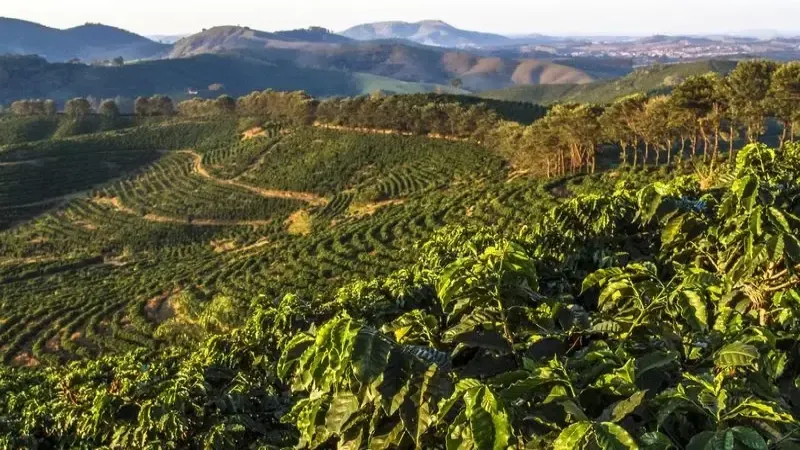
Why did Brazil's arabica coffee exports surge in April?
Brazil exported 4.222 million bags of 60 kg coffee in April 2024, up 53.3% year-on-year, a record for the month, with foreign exchange earnings of US$935.3 million, up 52.6%. Cumulative exports for the first four months reached 16.242 million bags and US$3.444 billion, both records. Arabica accounted for 76.77% of exports, while Robusta exports rose 528% year-on-year.
Cecafe attributes the surge to tighter global supply: reduced production in Vietnam and the Red Sea crisis lengthened logistics between Europe and Asia and raised transport costs, pushing up demand and prices for arabica coffee and other Brazilian coffee. Risks remain, including severe delays at major ports such as Santos and the threat of frost in southern growing areas, so later exports face both logistics and weather challenges.
According to the latest data from the Brazil Coffee Exporters Council (Cecafe), Brazil's coffee exports performed strongly in April this year, with a total of 4.222 million bags of 60 kg coffee exported, up 53.3% year-on-year, setting a record high for the month and generating US$935.3 million in foreign exchange earnings, an increase of 52.6% year-on-year. In the first four months of this year, cumulative exports reached 16.242 million bags, with revenue of US$3.444 billion, both setting record highs. Arabica still accounted for 76.77% of total exports, while Robusta exports increased 528% year-on-year. Tight global supply, reduced production in Vietnam and the Red Sea crisis pushed up market demand and coffee prices. However, severe delays at major ports such as Santos, combined with the risk of frost in the south, mean that subsequent exports still face the dual challenges of logistics and weather.
Recently, the Brazil Coffee Exporters Council Cecafe released export statistics for April. That month Brazil shipped a total of 4.222 million bags of 60 kg coffee overseas, a year-on-year increase of 53.3%, not only setting a record for April exports over the years, but also exceeding the level of the same period in 2021.
Thanks to strong export momentum, coffee-generated foreign exchange earnings in April also hit a record high, reaching US$935.3 million, up 52.6% from the same period last year.
Looking at cumulative data for the first four months of this year, Brazil's coffee export volume also set a historical peak, totaling 16.242 million bags, with foreign exchange earnings of US$3.444 billion. Compared with the same period in 2023, export volume was 45.6% higher and revenue increased 42.2%, breaking the revenue record of US$3.206 billion set in the first four months of 2022.
In the export composition from January to April this year, Arabica coffee still dominated, with exports of 12.469 million bags, accounting for 76.77% of the total. Robusta exports were 2.550 million bags, surging 528% compared with the same period in 2023.
The impressive export volume and revenue this year were mainly due to tightening global coffee supply in mid-to-late April. Vietnam saw reduced production, while the Red Sea crisis lengthened logistics times between Europe and Asia and pushed up transportation costs.
Against this backdrop, international market demand for Brazilian coffee rose markedly and drove coffee prices higher overall. Futures prices for both Arabica and Robusta rose sharply, which in turn pushed up local spot quotations in Brazil. The surge in Robusta exports was because Robusta supply in Indonesia and Vietnam was relatively tight, and Brazil's production恰好 filled this market gap.
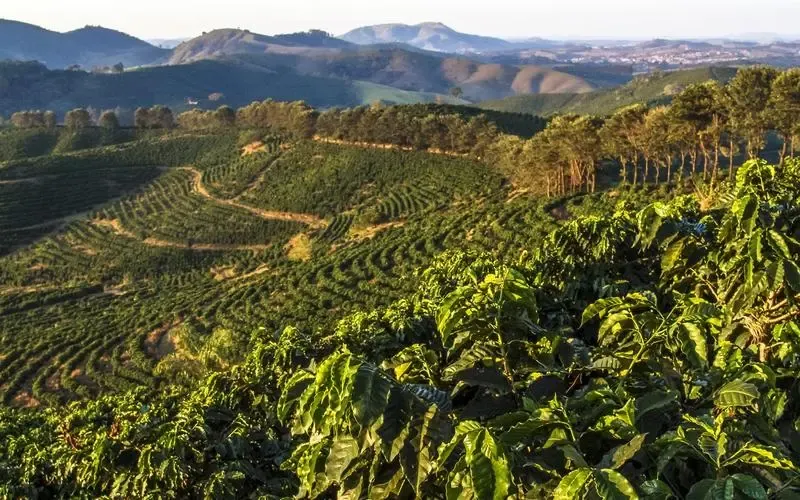
In addition, Mexico has recently stepped up purchases of Brazilian coffee. From January to April this year, Mexico imported a total of 300,000 bags of Brazilian coffee, an increase of 877% compared with the same period last year.
However, logistics problems in Brazil's export chain remain prominent. In April this year, a total of 95 coffee export vessels were registered as delayed at the main port of Santos, accounting for 80% of the total coffee export vessels at that port, with a delay rate as high as 80%. In addition to Santos, other ports also experienced delays, but the impact was relatively lighter.
In response to this situation, Cecafe's technical director pointed out that Brazilian exporters continue to face severe logistics challenges. A high vessel delay rate and insufficient shipping space have led to low operational efficiency, with Santos especially serious, bringing exporters high and unplanned additional costs.
At the same time, the latest weather report shows that a strong cold air mass is entering Brazil from the south, and frost may occur in the southern region. Previously, affected by El Niño, central Brazil experienced high temperatures. When cold air intruded from the south and met the high temperatures, it caused atmospheric instability over Rio Grande do Sul, triggering heavy rain and flooding disasters.
As El Niño gradually weakens, central Brazil will see temperatures drop in June, but with the arrival of cold air and La Niña, frost may still occur, possibly leading to reduced coffee production in Brazil. Therefore, coffee farmers are reminded to take preventive measures in advance.
The above content is compiled by CoffeeHunters, a coffee news website.


