







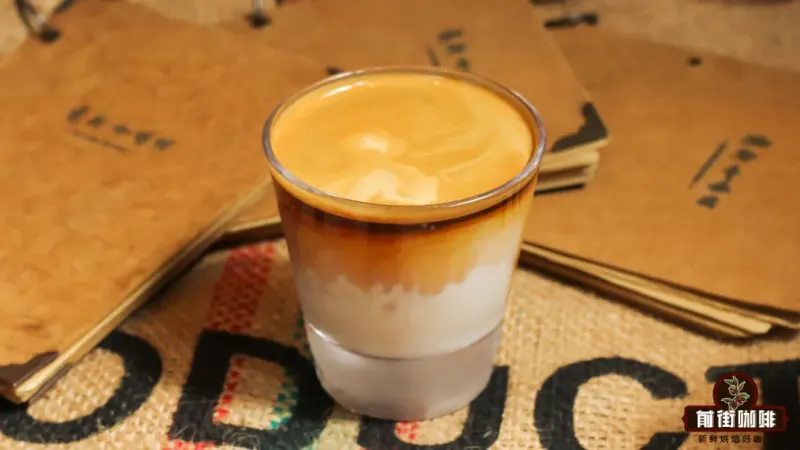
What Sets a -86°C Dirty Apart From Regular Dirty Coffee
A -86°C Dirty is a dirty coffee built on extreme temperature contrast rather than an actually frozen drink. The serving glass is chilled well below zero, then cold milk is poured in and a hot espresso is floated on top. The hot shot and iced milk stay in separate layers, delivering heat and cold in the same sip.
The dirty coffee milk ratio and the frozen glass do most of the work, so milk choice, coffee bean pairing, and chilling time all matter. A home refrigerator can approximate the effect with a longer freeze. Drink it with a big gulp straight down, without stirring, to catch both the hot espresso and the sweet cold milk.
In recent years, a coffee drink called "-86°C Dirty" has continued to trend online, attracting a great deal of attention from coffee lovers. What exactly makes this drink special? How is it different from an ordinary Dirty? This article will analyze this trending drink in detail from aspects such as the production principle, the way the cup is frozen, milk selection, and coffee bean pairing. Front Street Coffee will also share, based on its own experience, how to reproduce a similar effect at home using an ordinary refrigerator, and recommend suitable coffee bean and milk types, to help you better understand this espresso milk coffee with an extreme low-temperature contrast.
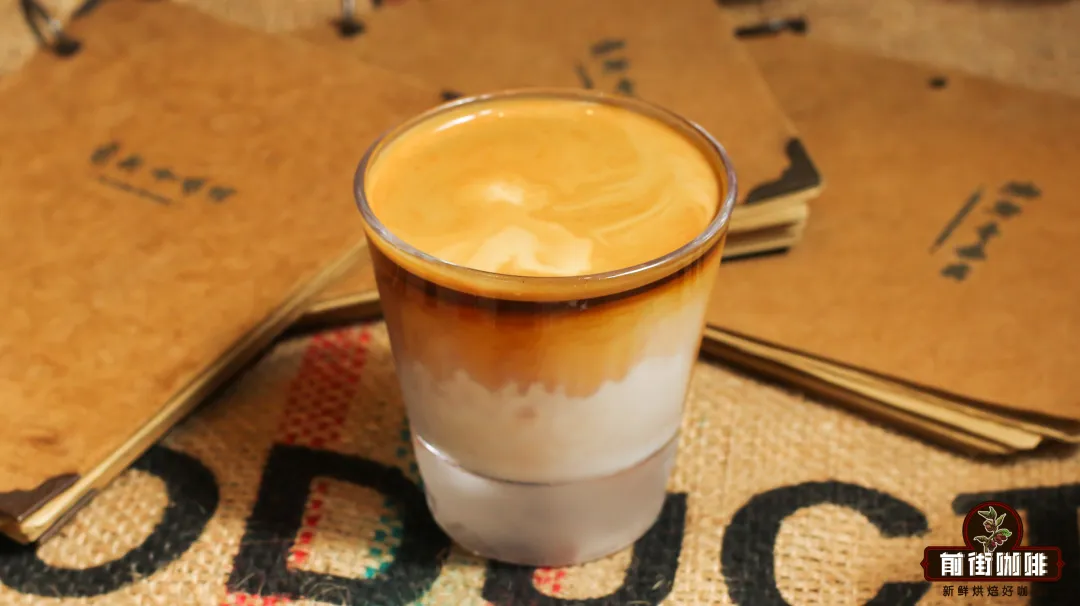
It probably started about two years ago, when a coffee called "-86°C Dirty" suddenly became popular on major social platforms. Almost all posts and merchants related to it received extremely high attention, and even now there is no sign that this craze is fading. So many friends have wondered: "What exactly is this -86°C Dirty? How is it different from an ordinary Dirty? Is it really that good?"
Today Front Street will talk with everyone about what exactly this unusually popular -86°C Dirty is all about.
What is -86°C Dirty?
Before talking about -86°C Dirty, as usual Front Street will first briefly explain Dirty. Dirty coffee is also called "dirty coffee." As mentioned earlier, it belongs to the category of espresso milk coffee.
The ingredients of a regular Dirty are iced milk and hot espresso. During preparation, a specific technique is used to let the hot espresso float on the surface of the iced milk, forming a layered effect. The layering not only makes the coffee look more appealing, but also brings a unique drinking experience.
When drinking it, you only need to take a big gulp to feel both the hot espresso and the iced milk at the same time. Because the espresso and milk are not initially mixed, you can experience a double contrast in temperature and flavor as soon as it enters your mouth. The icy coolness and sweetness of the milk, and the warmth and bitterness of the espresso, create very rich layers. It is precisely because the milk and espresso are separated from each other that Dirty has more varied ways to be enjoyed than other coffees.
So the so-called -86°C Dirty does not mean that the Dirty itself is at -86°C, nor that the cup reaches -86°C, but that the cup used to make this Dirty is stored in a -86°C refrigerator. Some people may ask, isn't that just using a -86°C cup?
No, no, no, that is not accurate. The reason Front Street makes this distinction is that although the storage environment of the refrigerator can reach -86°C, affected by many factors, the actual temperature may not always reach the target value, such as when the refrigerator door is frequently opened and closed while taking out the cup.
Even if it can reach -86°C, the cup will begin to warm up after leaving the refrigerator, and during preparation it also cannot remain at -86°C. So the rigorous way to put it is: a cup stored in a -86°C refrigerator was used to make the Dirty. But even so, after being frozen at an extremely low temperature, the cup is still extremely cold. So what is the difference between a Dirty made with such a cup and a regular Dirty?
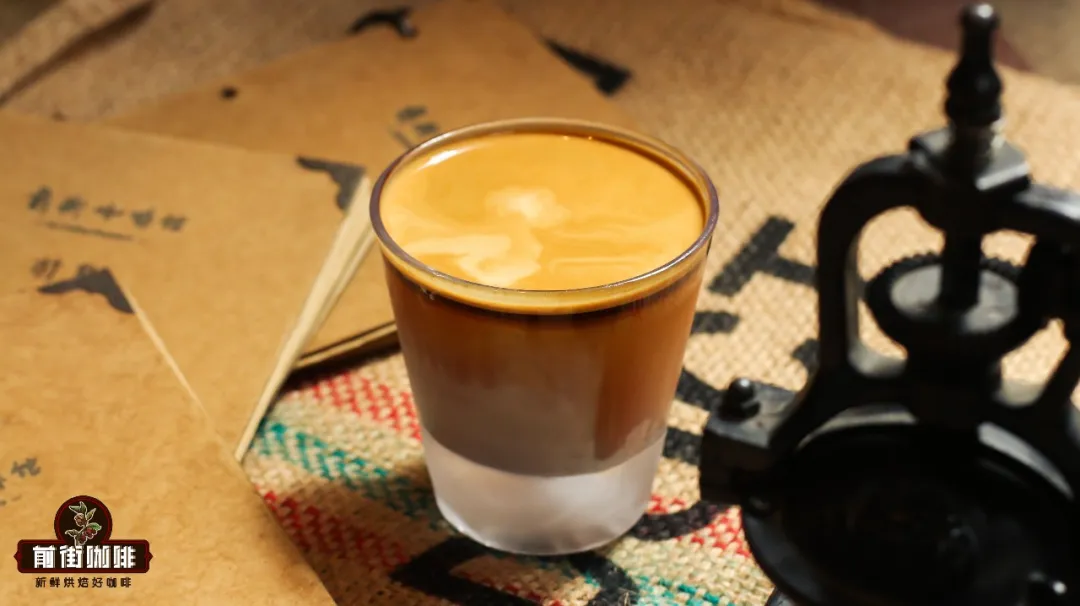
Here is the answer! There are two advantages. First, the contrast between the milk and the espresso will be more pronounced. Because the milk temperature will be further lowered by the cup, the temperature contrast of -86°C Dirty is more obvious from the start than that of a regular Dirty, since regular Dirty is usually made with a refrigerated cup.
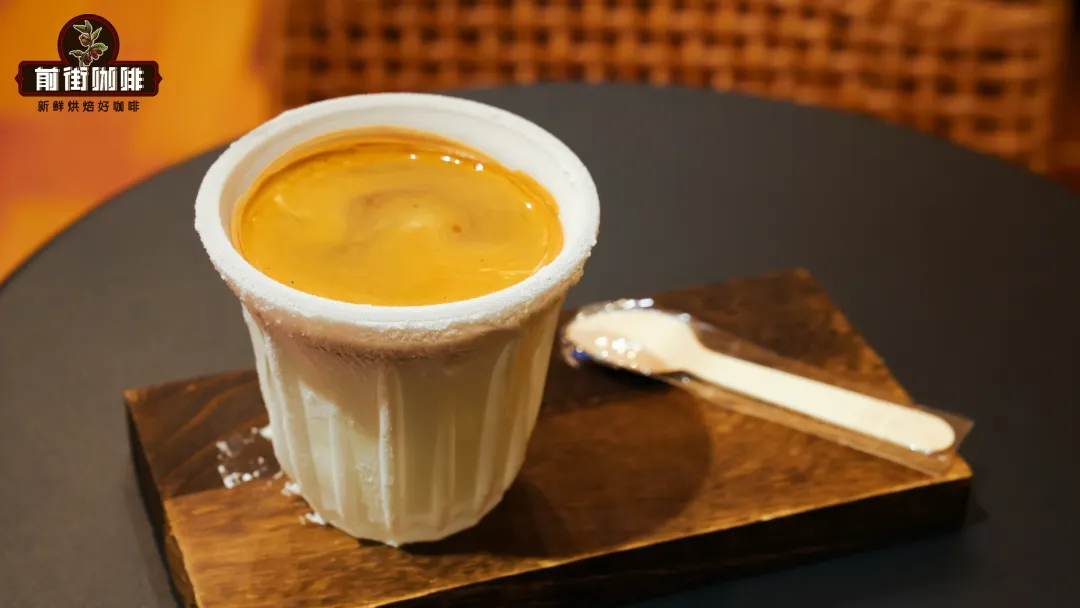
Second, it is more fun. Because the cup temperature is extremely low, the milk touching the cup wall will quickly frost, and after finishing the coffee you can scoop it out with a spoon for a very special experience.
(However, the milk frost does not have much flavor, since the main component that condenses into frost is water.)
But~~~, there are also disadvantages. First, the best tasting time for this -86°C Dirty is shorter than for a regular Dirty. The reason is simple: the low temperature of the cup also affects the espresso. So if you do not drink it immediately after it is made, you cannot get a very pronounced temperature contrast experience.
Next is the flavor and mouthfeel! As Front Street often shares, the sensitivity of taste buds to flavor is affected by temperature. If the temperature is too high or too low, the ability to perceive flavor decreases, and too low a temperature will also reduce the density of the milk, making the mouthfeel thinner.
So when making -86°C Dirty, shops usually use an extra-concentrated version of milk, which is richer in concentration and flavor than regular fresh milk, in order to reduce the impact of low temperature on mouthfeel and flavor. Therefore, if you plan to make -86°C Dirty at home, it is best to choose a richer milk.

Some friends may again say that they do not have a refrigerator at home that can go down to -86°C, so they cannot make it. But in fact, the freezer compartment of an ordinary refrigerator can produce a similar effect, and the difference when drinking it is really not great. We only need to set the freezer temperature to the lowest, then put in a slightly thicker cup and freeze it overnight, and the next day we can get a cup that is extremely cold and can frost the milk.
Front Street did this kind of experiment before: putting a cup in the refrigerator freezer one night in advance, and the next day taking it out to make a Dirty. After drinking it, a small amount of milk frost did indeed appear.
It is just that the milk used during preparation is best, as Front Street said, a little richer. As for the coffee beans, there are not many requirements, but if you want to highlight the sweetness of the milk, or make the contrast more pronounced, then you can choose medium-dark or dark roasted coffee beans, such as the Front Street Classic Blend in Front Street's bean list.

Because the burnt aroma unique to dark roasted coffee beans is completely opposed to the sweetness of the milk, using darker roasted coffee beans can further widen the flavor gap between the milk and the espresso, and at the same time their flavors will also become more prominent through the contrast with each other.
With one sip, first comes the aroma, body, and warmth of the espresso extracted from the classic Italian-style blend, with flavors of chocolate, caramel, nuts, and cream, and a rich yet warm mouthfeel. Immediately after comes the sweetness and coldness of the milk, forming a sharp contrast with the espresso. If you drink it quickly, you can see a little milk frost in the cup.
So the above is all the content shared by Front Street this time. -86°C Dirty is indeed a very unique experience, and friends who are interested can try it themselves~ Oh right, to answer everyone's last and most concerning question:
The cup will not stick to your lips~~
- END -
The above content is compiled by CoffeeHunters, a coffee news website.


