







What varieties and flavors define Yunnan coffee today?
Yunnan coffee, often called Yunnan small-bean coffee, has uniform, plump beans and a mellow, moderate taste. Cultivation traces to 1904, when a French missionary brought Typica to Zhugula Village in Binchuan County, the starting point of the region's coffee history.
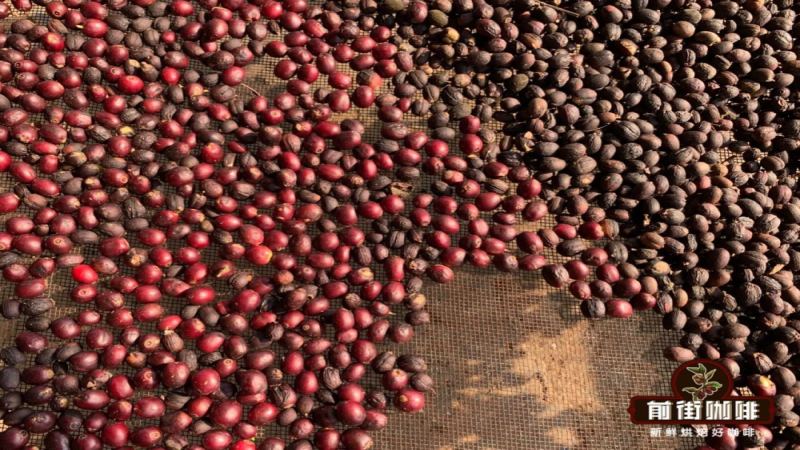
Today Catimor and its improved varieties dominate plantings, while Typica, Bourbon, and Geisha remain a small share. Trials in Lincang showed Typica giving nuts, brown sugar, and slight fruit acidity. Beans grow mainly in Lincang, Pu'er, Baoshan, Xishuangbanna, Wenshan, and Dehong, mostly washed, with sun-dried lots offering different flavors from the same coffee seed.
Yunnan coffee is commonly known as Yunnan small-bean coffee, with uniform and plump beans and a mellow, moderate taste. Its cultivation history can be traced back to 1904, when French missionary Tian Deneng brought Typica to Zhugula Village in Binchuan County. Today, what is widely planted in Yunnan is Catimor and its improved varieties, while high-quality varieties such as Typica, Bourbon, and Geisha account for only a small portion. Front Street Coffee's planting trials in Lincang showed that Typica can present flavors of nuts, brown sugar, and slight fruit acidity. Yunnan coffee is mainly distributed in Lincang, Pu'er, Baoshan, Xishuangbanna, Wenshan, Dehong, and other places. Each producing region forms a unique microclimate thanks to high altitude, ample sunshine, and distinct dry and rainy seasons. The processing method is mainly washed. Sun-dried and washed processing bring different flavor directions, and Front Street Coffee's sun-dried and washed Catimor are typical examples.
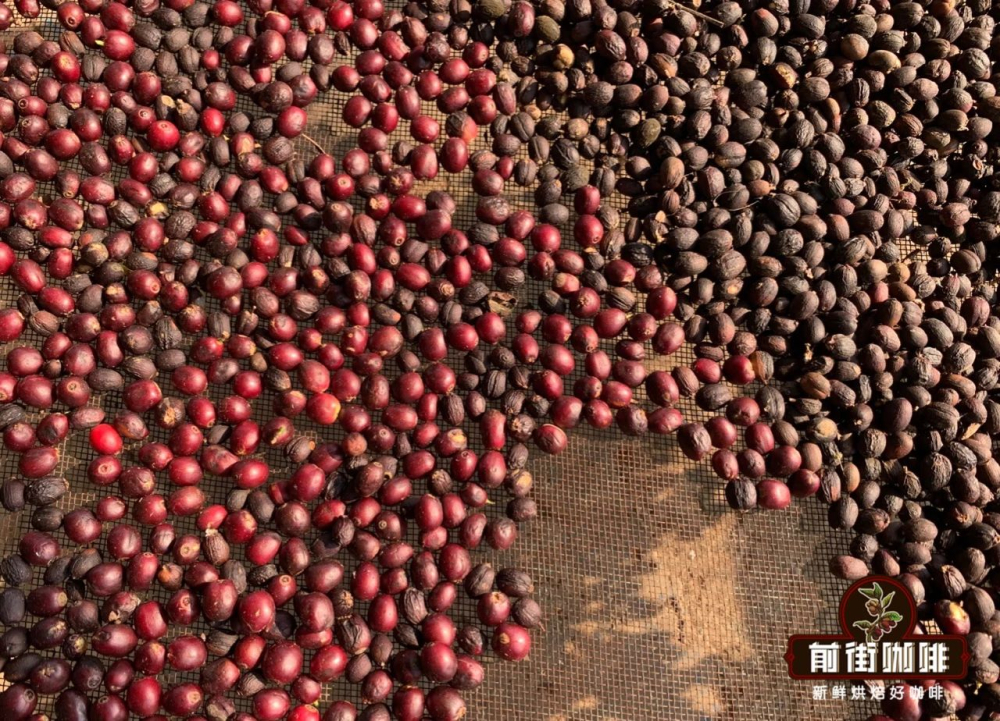
Yunnan coffee is also called Yunnan small-bean coffee. Yunnan coffee beans are uniform in size and good in plumpness, and taste mellow without being harsh. The history of Yunnan Typica can be traced back to 1904, when French missionary Tian Deneng brought coffee seeds (Typica) from Vietnam into Yunnan and successfully trial-planted them in Zhugula Village, Binchuan County. This is regarded as the starting point of Yunnan coffee. It is usually called small-seed coffee, and among the public it is also commonly known as Yunnan small-bean coffee.
In FrontStreet Coffee's daily bean series, from this group of beans, you can taste the main flavors of major producing regions in a highly cost-effective way, such as Ethiopia's floral and lemon notes, Brazil's nutty and peanut notes, Mandheling's herbal mellowness, and so on, while Yunnan small-bean coffee offers a brown sugar and tea-like sensation. What causes these representative coffee flavors of different producing regions? Today Front Street will look at the logic behind the formation of Yunnan coffee's flavor.
Main coffee varieties in Yunnan
At present, the coffee variety widely planted in Yunnan is Catimor and its improved varieties, which is what people on the market often call Yunnan small-bean coffee (originally, Yunnan small-bean coffee referred to Typica coffee, but later Catimor took up most of Yunnan coffee. 99% of Yunnan coffee varieties are Catimor, so what is called Yunnan small-bean today refers to Yunnan Catimor).
Yunnan coffee also includes high-quality varieties such as Geisha, Typica, and Bourbon, but they account for a relatively small proportion of Yunnan coffee. Just as Front Street began planting trials in Lincang in 2013, the first batch of Typica planted there did not yield a relatively good harvest until the 2020-21 season, and it was only just over 200 kilograms. In terms of flavor expression, it no longer had the devilish aftertaste that Mr. Han used to describe Catimor with, but was mainly characterized by flavors of nuts, brown sugar, and slight fruit acidity.
Main producing regions of Yunnan coffee
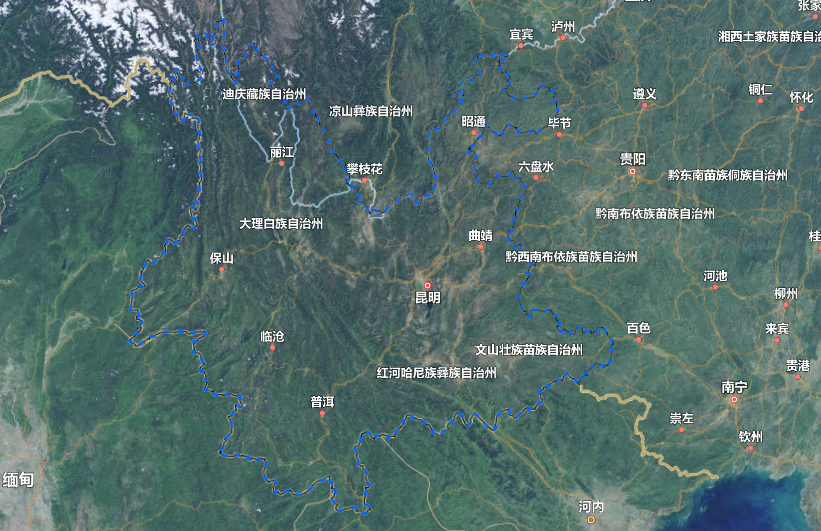
The western and southern parts of Yunnan Province lie between 15°N and the Tropic of Cancer, which places them right in the geographical growing position of the coffee belt. At the same time, most areas also have the high altitude required for coffee cultivation and production. The terrain is mainly mountainous and sloping, with significant undulation, fertile soil, ample sunshine, abundant rainfall, and large temperature differences between day and night. Yunnan coffee is mainly planted in Lincang, Pu'er, Baoshan, Xishuangbanna, Wenshan, Dehong, and other places.
Lincang City has a subtropical low-latitude plateau mountainous monsoon climate. Its terrain and topography are complex, making it a region with multiple climate types. It is mainly affected by the warm and humid airflow from the Indian Ocean and the southwest monsoon. The distinction between the four seasons is not obvious, but the dry and rainy seasons are distinct. There is relatively more rain, and sunshine duration is long, with an average annual sunshine duration of more than 2,000 hours. The frost period is relatively short, and some areas are frost-free all year round. The vertical climate is obvious, and the average annual temperature in mountainous areas is 13-15°C.
Pu'er, a hometown of tea, has a history of coffee cultivation of 150 years. In the early 1990s, Pu'er City began to cultivate coffee as an advantageous pillar industry for adjusting the industrial structure and increasing farmers' incomes. Due to the influence of the subtropical monsoon climate, most areas here are frost-free all year round, with no severe cold in winter and no extreme heat in summer. Pu'er City has an average annual temperature of 15 to 20.3°C, an annual frost-free period of more than 315 days, and annual rainfall of 1,100 to 2,780 millimeters.
Coffee cultivation in Baoshan began in the mid-1950s. The first coffee seedling was introduced from Southeast Asia by the late patriotic overseas Chinese Mr. Liang Jinshan. In recent years, with the expansion of international trade, the small-bean coffee of Lujiangba has become widely renowned. Baoshan has a low-latitude mountainous subtropical monsoon climate. Because it is located on a low-latitude plateau with complex topography and landforms, it forms a vertical climate of "one mountain, four seasons; ten li, different weather."
Dehong has no severe cold in winter and no extreme heat in summer, with abundant rainfall, rain and heat occurring in the same period, and dry and cold weather in the same season. It is characterized by a small annual temperature difference, a large daily temperature difference, a short frost period, and few frost days, providing good growing and overwintering conditions for coffee trees. The entire prefecture is close to the Tropic of Cancer. Located at a low latitude and affected by the southwest monsoon from the Indian Ocean, it belongs to a southern subtropical monsoon climate.
Yunnan processing methods
Yunnan coffee is mainly washed. The characteristics of washed coffee are cleanliness, stability, and higher acidity. At present, many Yunnan coffees with innovative processing methods have emerged in China's specialty coffee market, but classic sun-dried or washed processing still occupies the dominant position. FrontStreet Coffee's Yunnan beans include both washed and sun-dried methods.
Let's look at the flavor differences between sun-dried and washed Yunnan small-bean coffee, using the two beans listed by FrontStreet Coffee as examples.
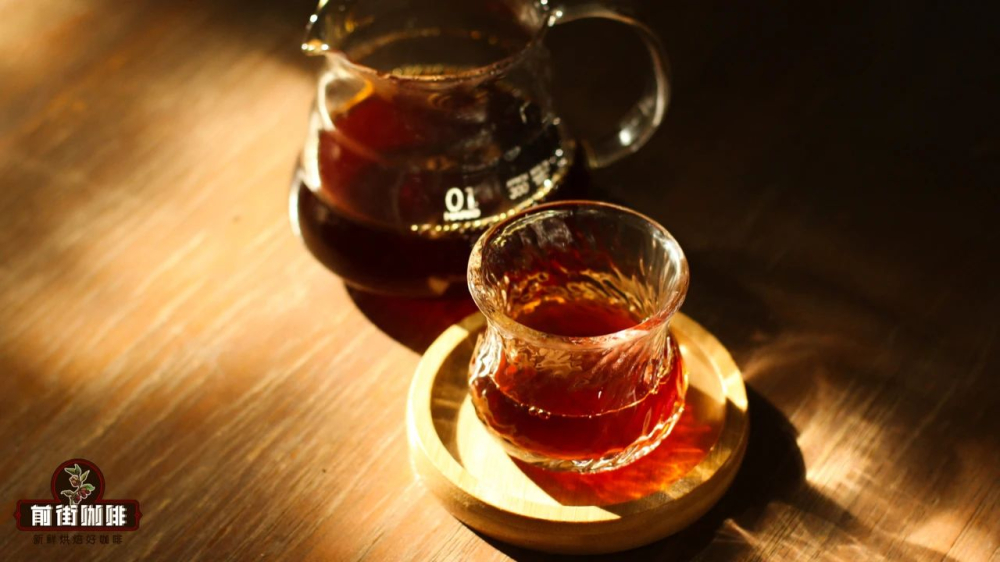
Front Street used a medium-light roast for this sun-dried Catimor coffee. During cupping, this bean had rich fruit aroma on the entry, melon and herbal plant aromas, a smooth entry, nuts and milk chocolate in the middle, good balance, medium body with full texture, and as the temperature went from hot to warm, one could perceive layers of acidity and sweetness, a brown sugar-like sweetness, and a black tea and brown sugar aftertaste.
FrontStreet Coffee chose this washed Catimor as Yunnan's entry-level daily bean. The washed processing and the Catimor variety give this Yunnan coffee a基调 of roasted nuts, brown sugar, and a thick, viscous body.
FrontStreet Coffee brewing suggestions
Recommended brewing method: pour-over; dripper: KONO dripper; water temperature: 87-88°C; coffee dose: 15 grams; coffee-to-water ratio: 1:15
Grind size: medium grind (78% passing through a No. 20 standard sieve)
Brewing technique: staged extraction. Use 30 grams of water for blooming, with a blooming time of about 30 seconds. Pour 95 grams of water in a small stream in circles around the center, that is, make the first stage at 125 grams of water. When the water level drops and is about to expose the coffee bed, continue pouring water until 225 grams and finish. When the water level drops and is about to expose the coffee bed, remove the dripper. (Start timing at the beginning of blooming.) The extraction time is 2'00".
The above content is compiled by CoffeeHunters, a coffee news website.


