







Will Re-certifying Old Arabica Coffee Beans Hurt Coffee Quality?
ICE plans to re-grade and re-certify a batch of Brazilian Arabica coffee beans stored for nearly two years and release them into trading, a move aimed at easing a certified stock crunch. Brazil, the largest coffee producer, was hit by drought and frost across the 2022/23 season, leaving output far below expectations, ICE certified stocks falling and coffee futures prices high. The operation is not a rules violation, but it has traders worried about coffee quality and the mixing of old and new beans.
The numbers frame the pressure. The USDA estimated Brazil's 2022/23 total coffee production at about 64.3 million bags of 60 kg, while Conab's May forecast put it at 53.4 million bags, including roughly 35.7 million bags of Arabica coffee bean. Growers reported harvests at less than half of bumper years, and the U.S. National Oceanic and Atmospheric Administration data in early May added to the weather concerns.
The world's largest coffee producer Brazil has been hit by drought and frost consecutively, with the 2022/23 crop season falling far below expectations, ICE exchange certified coffee stocks continuing to decline, and coffee futures prices remaining high. To ease the inventory crunch, ICE plans to re-grade and re-certify a batch of Brazilian Arabica old beans that have been stored for nearly two years and put them into trading. Although this operation is not违规, it has sparked concerns among traders about coffee quality and the mixing of old and new beans. This article will sort out the background of Brazil's production decline, the logic behind futures price fluctuations, and the possible chain reactions that re-certification of old beans may bring to the market.
Professional coffee knowledge exchange. For more coffee bean information, please follow Coffee Workshop (WeChat public account: cafe_style).
For more specialty coffee beans, please add the private WeChat of Front Street Coffee: qjcoffeex.
As the country with the world's largest coffee production, Brazil has frequently suffered from severe weather such as drought and frost since last year, causing the coffee bean harvest in the 2022/23 crop season to be unsatisfactory. Brazil's Procafe Foundation also pointed out last month that the drought level in the country's coffee-producing regions this year is more severe than the same period last year.
The severe weather has not only cast a shadow over Brazil's Arabica coffee bean production for the next two years, but also directly affected the coffee inventory level of the ICE exchange, thereby becoming an important driver of the continued high coffee futures prices.
In its June Brazil coffee annual report, the USDA estimated that Brazil's total coffee bean production (including Robusta) in 2022/23 would be about 64.3 million bags (60 kg/bag), but the actual figure is very likely to be significantly lower than this forecast.
The preliminary forecast in May by Brazil's National Supply Company (Conab) showed that the country's total coffee production in the 2022/23 crop season would be 53.4 million bags (60 kg/bag), of which Arabica coffee would be about 35.7 million bags (60 kg/bag). Local coffee growers also reported that this year's Arabica coffee bean harvest was even less than half of previous bumper years.
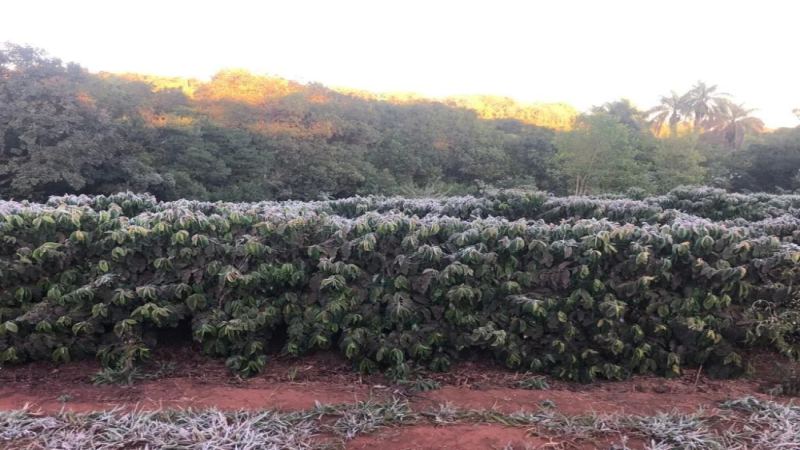
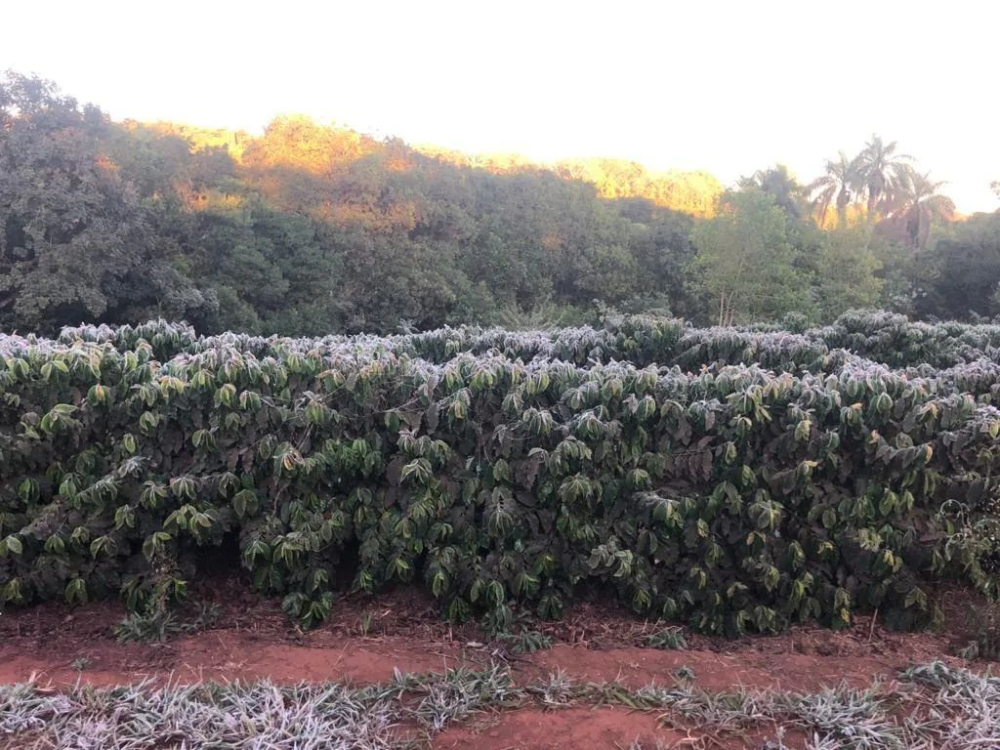
In addition, in early May the U.S. National Oceanic and Atmospheric Administration warned that the main Arabica-producing region in southern Brazil would experience a three-day frost in late May. This would not only damage formed or mature fruit, but could also harm the coffee trees themselves and affect subsequent flowering and fruiting. Affected by this, since mid-May the price of Arabica coffee futures contracts on the U.S. ICE exchange rose sharply by 7.47%, reaching 219.2 cents/lb.
However, the frost ultimately did not cause as much damage as expected. Although coffee futures prices subsequently fell back, even dropping below 200 cents/lb on July 14, and Brazil's domestic coffee spot prices also hit a nearly nine-month low in July, coffee prices were quickly pushed up again because the later harvest situation remained unfavorable.
Faced with this situation, the U.S. ICE exchange plans to re-grade and re-certify a batch of about 270,000 bags (60 kg/bag) of Brazilian Arabica coffee beans and trade them externally, in order to cope with the current shortage of certified coffee inventory.
According to Reuters, this batch of re-certified Arabica coffee was delivered by Brazil to the ICE exchange between November 2020 and May 2021, but for various reasons this batch of coffee beans was ultimately not included in the exchange's certified inventory, while at that time certified coffee inventory was already trending downward.
Since August 8 this year, ICE's daily reports have shown that thousands of bags of coffee are waiting to be graded for entry into certified inventory. As of August 16, ICE's daily report showed that a total of 263,259 bags (60 kg/bag) were waiting to be graded for entry into ICE certified coffee inventory. However, ICE did not state in the report whether these quantities awaiting grading had previously been certified.
Once these old beans pass certification, they can not only ease the inventory shortage, but also help curb the persistently high coffee futures prices. This move is not违规, because ICE only sets limits on the quality of certified coffee and does not impose requirements on the harvest year of the coffee beans. However, this practice has already raised doubts among many coffee traders about ICE certified coffee, as they worry that new-crop beans and old beans may be traded mixed together.
When traders bring out these coffee beans that have been stored for a longer time, they usually sell them directly to roasters, but the profit that can be earned in this way is relatively low.
If these coffee beans can obtain ICE re-certification and enter warehouses, they can not only supplement the exchange's certified coffee quantity and ease the problem of high futures prices, but traders can also follow futures prices and sell them at varying discounts depending on the length of storage, thereby obtaining richer profits than selling directly to roasters.
However, some market analysts believe that even if traders take out these coffee beans and put them on the market, they may ultimately have to return them to the exchange due to a lack of sufficient buyers.
On the other hand, this move by the exchange also means that the quality of the coffee beans corresponding to future futures prices may decline, which will make more traders wary of exchange-certified coffee beans, leading to a reduction in trading volume and ultimately possibly causing coffee futures prices to fall.
Image source: Internet
The above content is compiled by CoffeeHunters, a coffee news website.


