







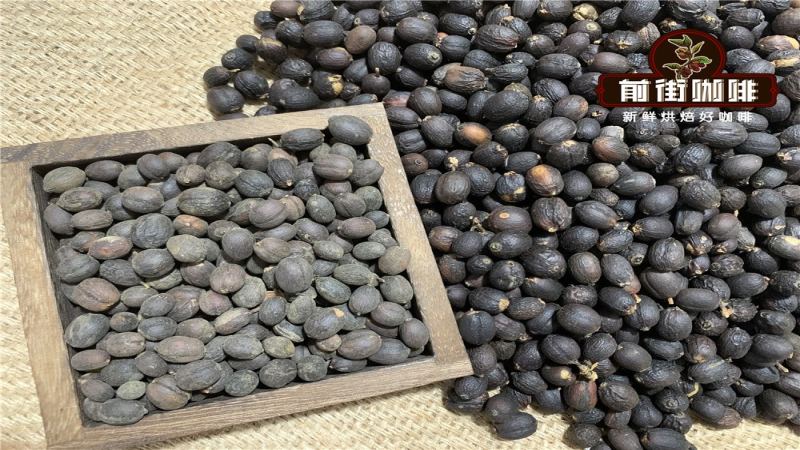
What does Yunnan coffee taste like and where is it grown?
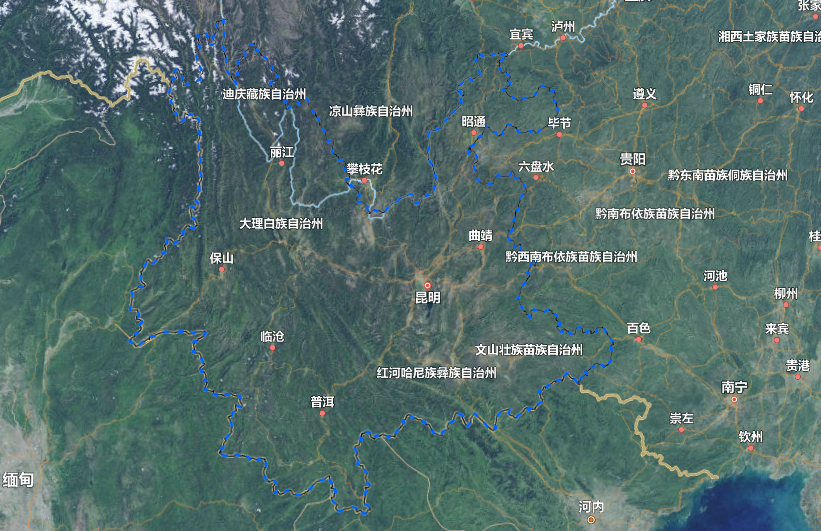
Yunnan coffee comes mainly from Dehong, Baoshan, Lincang, and Pu'er in the southwest of the province, an area that sits between 15 degrees north latitude and the Tropic of Cancer inside the Coffee Belt. Catimor dominates the fields, with Typica and Bourbon also grown. The cup usually shows nutty and brown sugar notes with a full, balanced body and low to moderate acidity.
Processing shapes the flavor further. Washed lots lean cleaner and sweeter, while natural process lots push more fruit and fermentation character. Whether a Pu'er tea note appears depends on roast and brewing rather than the region itself; the taste often reads as tea-like when the roast is light. Typica and Bourbon lots tend to show more complexity than Catimor.
Coffee is often seen as an imported product, but Yunnan, China has long been a coffee-producing region that cannot be ignored. The movie "Coffee or Tea?" helped more people discover Yunnan coffee. So how does it actually taste? Does it really carry a Pu'er tea-like flavor? This article starts from Yunnan's main producing regions (Dehong, Baoshan, Lincang, Pu'er), mainstream varieties (Catimor, Typica, Bourbon), and washed and natural processing methods to break down the sources of Yunnan coffee's nutty, brown sugar, full-bodied and balanced flavors, and introduces Front Street Coffee's Yunnan everyday drinking beans and natural Typica, helping you decide whether Yunnan coffee suits your taste.
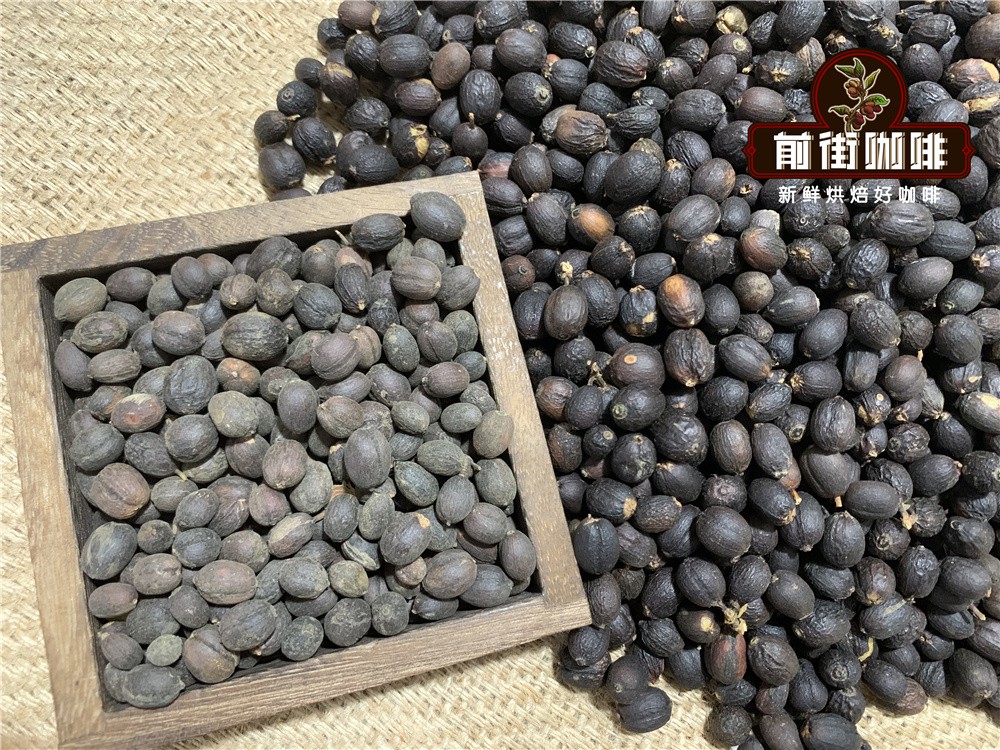
In the public imagination, coffee often carries a foreign identity. This crop first appeared in Ethiopia, Africa, and today the country with the largest Arabica coffee production is Brazil. When it comes to top coffees, people used to mention Front Street Jamaican Blue Mountain coffee, and now perhaps Panama Geisha coffee.
So does China actually grow coffee? The answer is yes, especially after last year's release of the movie "Coffee or Tea?", which drew more attention to and awareness of China's most important coffee-producing region — Yunnan.
Unlike the familiar Front Street Ethiopian Yirgacheffe coffee and Front Street Panama Geisha coffee, Yunnan coffee has only gradually risen alongside the growth and promotion of the domestic coffee market. Many people hold strong interest in Yunnan coffee, but its sense of the unknown forms a sharp contrast with those coffees that have long been famous. We know Front Street washed Yirgacheffe often carries citrus fruit notes, Front Street Panama Geisha brings white floral notes to mind, and the classic Front Street Indonesian Mandheling coffee takes herbal spice as its flavor base. So what about Yunnan coffee? What does Yunnan coffee taste like? Is Yunnan coffee good?
Coffee flavor is influenced by multiple factors. To judge whether Yunnan coffee is good, it helps to first understand Yunnan coffee through the following aspects.
Yunnan's Coffee-Producing Regions
Coffee is generally suited to growing between the Tropic of Cancer and the Tropic of Capricorn, a zone known as the "Coffee Belt." Western and southern Yunnan Province happen to lie between 15 degrees north latitude and the Tropic of Cancer, and most areas possess the high-altitude conditions needed for growing coffee. The terrain is mainly mountainous and sloped, with obvious undulation, fertile soil, ample sunshine, abundant rainfall, and a large temperature difference between day and night.
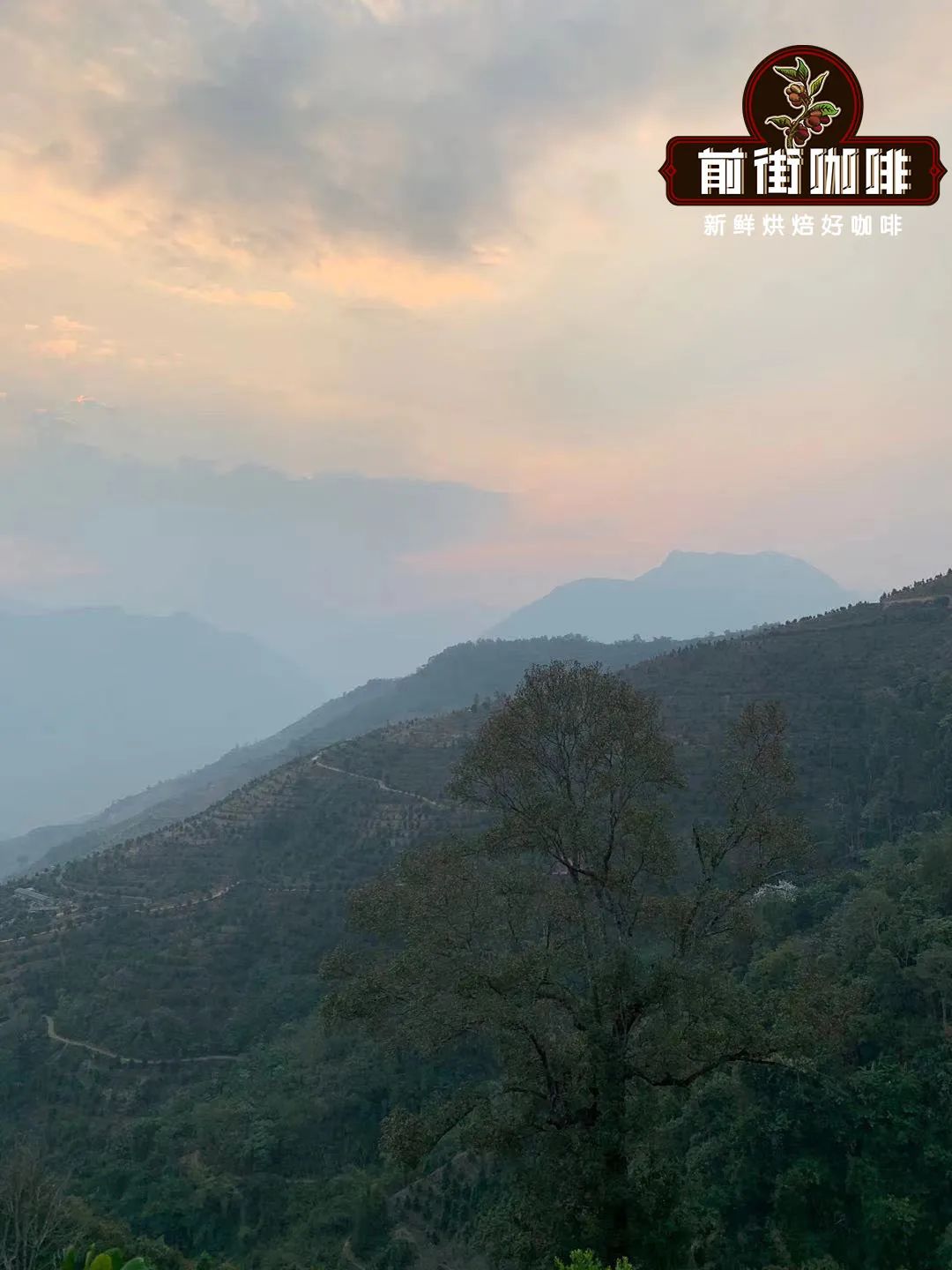
Yunnan coffee is mainly distributed in Pu'er, Xishuangbanna, Wenshan, Baoshan, Dehong, Lincang and other places.
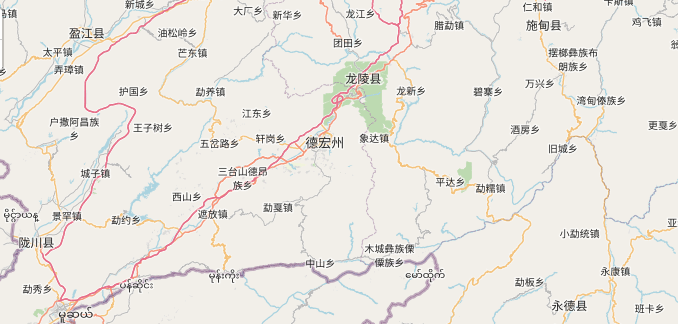
Dehong
Dehong's climate resources are equally superior. The entire prefecture is adjacent to the Tropic of Cancer, at a relatively low latitude, and influenced by the Indian Ocean southwest monsoon, it belongs to a south subtropical monsoon climate.
The Gaoligong Mountains to the northeast block the dry, cold air flowing south from Siberia. After summer begins, the warm, humid air from the Indian Ocean rises along the windward slopes of the southwest-tilted mountains, bringing abundant natural rainfall. Coupled with the large solar incidence angle at this low-latitude plateau and good air transparency, this place has become one of the country's high-quality sunlight regions.
Annual solar radiation is 137–143 calories/cm, annual rainfall is between 1,400–1,700 mm, average annual temperature is 18.4–20°C, annual sunshine is 2,281–2,453 hours, annual accumulated temperature is 6,400–7,300°C, annual land evaporation is between 1,400–1,900 mm, and the aridity index is between 0.4–1.2.
This creates Dehong's characteristics of no severe cold in winter, no extreme heat in summer, abundant rainfall, rain and heat in the same period, dry and cold in the same season, small annual temperature difference, large daily temperature difference, short frost period, and few frost days, providing good conditions for coffee trees to grow and overwinter.
Baoshan
Coffee cultivation in Baoshan began in the mid-1950s, and the first coffee seedling was introduced from Southeast Asia by the late patriotic overseas Chinese Mr. Liang Jinshan. In recent years, with the expansion of international trade, the small-seed coffee of Lujiangba has become even more widely renowned.
Baoshan has a low-latitude mountainous subtropical monsoon climate. Because it is located on a low-latitude plateau with complex topography and landforms, it forms a three-dimensional climate of "four seasons on one mountain, different weather every ten li."
Its characteristics are: small annual temperature difference, large daily temperature difference, and an average annual temperature of 14–17°C; abundant precipitation, distinct dry and wet seasons, and uneven distribution, with annual rainfall of 700–2,100 mm.
Lincang
Its unique geographical location and climatic conditions have made Lincang a focus of attention for many coffee enterprises. It has successively established high-quality coffee seedling bases of 200 mu and 100 mu in Mengding Town, Gengma Autonomous County and Lincang Xingfu Farm respectively, and carried out coffee cultivation in Gengma, Zhenkang, Yunxian, Cangyuan, Yongde and other places.
Lincang City has a subtropical low-latitude plateau mountainous monsoon climate. Its topography and terrain are complex, and it is an area where multiple climate types coexist.
Lincang is mainly affected by the warm, humid airflow from the Indian Ocean and the southwest monsoon. The distinction between the four seasons is not obvious, but the dry and rainy seasons are distinct, with relatively more rain and long sunshine hours. The average annual sunshine is more than 2,000 hours, and the frost period is relatively short; some areas are frost-free all year round. The three-dimensional climate is obvious, and the average annual temperature in mountainous areas is 13–15°C.
Pu'er
Pu'er, a tea township, has a history of 150 years of coffee cultivation. In the early 1990s, Pu'er City began to cultivate coffee as an advantageous pillar industry for adjusting the industrial structure and increasing farmers' income.
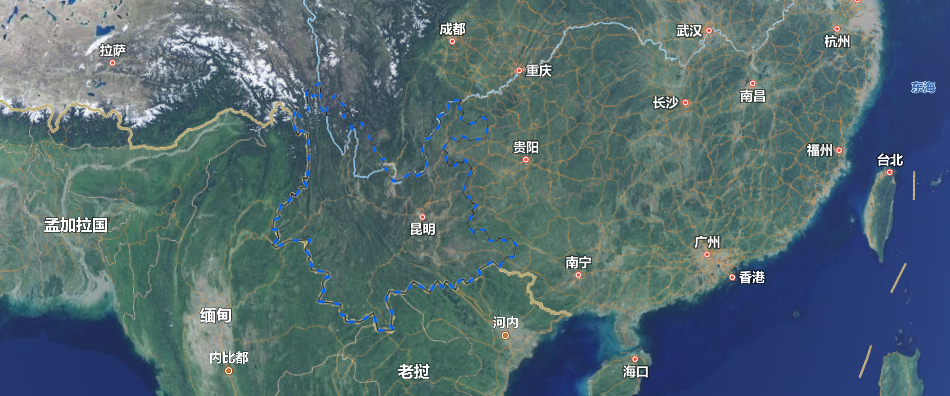
Pu'er is affected by a subtropical monsoon climate. Most areas are frost-free all year round, with no severe cold in winter and no extreme heat in summer. Pu'er City's average annual temperature is 15 to 20.3°C, the annual frost-free period is more than 315 days, and annual rainfall is 1,100 to 2,780 mm.
Yunnan's Coffee Varieties
The taste of Yunnan coffee is also affected by the varieties planted. Front Street baristas often share that coffee variety is the main source of a coffee's basic taste, and the Geisha variety is an example. The Geisha variety planted in Panama has a delicate tea-like and floral aroma that is delightful. After winning the Best of Panama green bean competition in 2004, it became famous, and producing regions around the world tried planting Geisha one after another. Even Yunnan can now find Geisha, and in 2020 a small batch of Yunnan Geisha was even released in the domestic market.
But Front Street Coffee believes that Yunnan's taste comes from the Catimor variety, which has been planted there for many years and is the most widespread. Therefore, Front Street Coffee chose a Yunnan Catimor as the entry-level Front Street everyday drinking bean for the Yunnan region. Its flavor is nuts and brown sugar, with high body and overall balance.
Although classified under the Arabica species, Catimor is not entirely of Arabica lineage. Catimor is a hybrid of the Timor variety and Caturra. We know Caturra is a natural mutation from Bourbon, while Timor is a coffee variety carrying Robusta genes. The Robusta lineage also gives Catimor higher resistance to disease and pests as well as higher yield, but it also means the taste lacks refinement.
In addition to Catimor, Yunnan also grows varieties such as Typica and Bourbon. Front Street Coffee (FrontStreet Coffee) has also listed a Typica variety as a representative of Yunnan coffee. Compared with Catimor, Yunnan Typica coffee is still mainly nutty and brown sugar in overall tone, but the Typica variety gives this Yunnan coffee slightly more refined acidity, slightly lower body, and greater balance.
Right beside the entrance of Front Street's shop, there happen to be a pot of Typica and a pot of Catimor. The Typica plant is tall, with long nodes and low yield, and new leaves are brown. The Catimor plant has many leaves, short nodes, dense branches, high yield, and a shorter growth cycle than Typica.
Yunnan Coffee Processing Methods
Finally, the taste of Yunnan coffee comes from the choice of processing method. Yunnan coffee is mainly washed and natural processed. Washed coffee is characterized by cleanliness, stability, and higher acidity. Natural coffee is characterized by high sweetness, rich layering, and a full mouthfeel.
What is the washed processing method? The harvested coffee cherries are put through a machine to remove the skin and pulp. The peeled coffee beans are placed in a fermentation tank to ferment, using fermentation to break down the mucilage layer. The fermented coffee beans are repeatedly washed with clean water to remove the broken-down mucilage, and finally the coffee beans are dried. After that, the dried coffee beans can be stored, waiting to be transported to various places.
Front Street believes that washed processing best reflects the basic flavor characteristics of a producing region's coffee, so if you want to taste the unique terroir of Yunnan coffee, buy a washed processed Front Street Yunnan small-seed everyday drinking coffee bean from Baoshan.
But if you want to drink the pure taste of Yunnan specialty coffee, then it is recommended to taste Front Street 2013 Natural Typica grown in Lincang, Yunnan. This single-origin product is the result of Front Street's cultivation on a Yunnan estate. It is presented with natural processing and medium roasting, and the coffee flavor shows plum, prune, brown sugar, and nuts, making it very suitable for beginners to taste.
So is Yunnan coffee good?
Now we understand Yunnan's producing regions, Yunnan's coffee varieties, and Yunnan coffee's processing methods. These factors combine into Yunnan coffee's nutty, brown sugar, and richly aromatic tone. If you ask whether Yunnan coffee is good, for people who like balanced, nutty flavors, of course it is good.
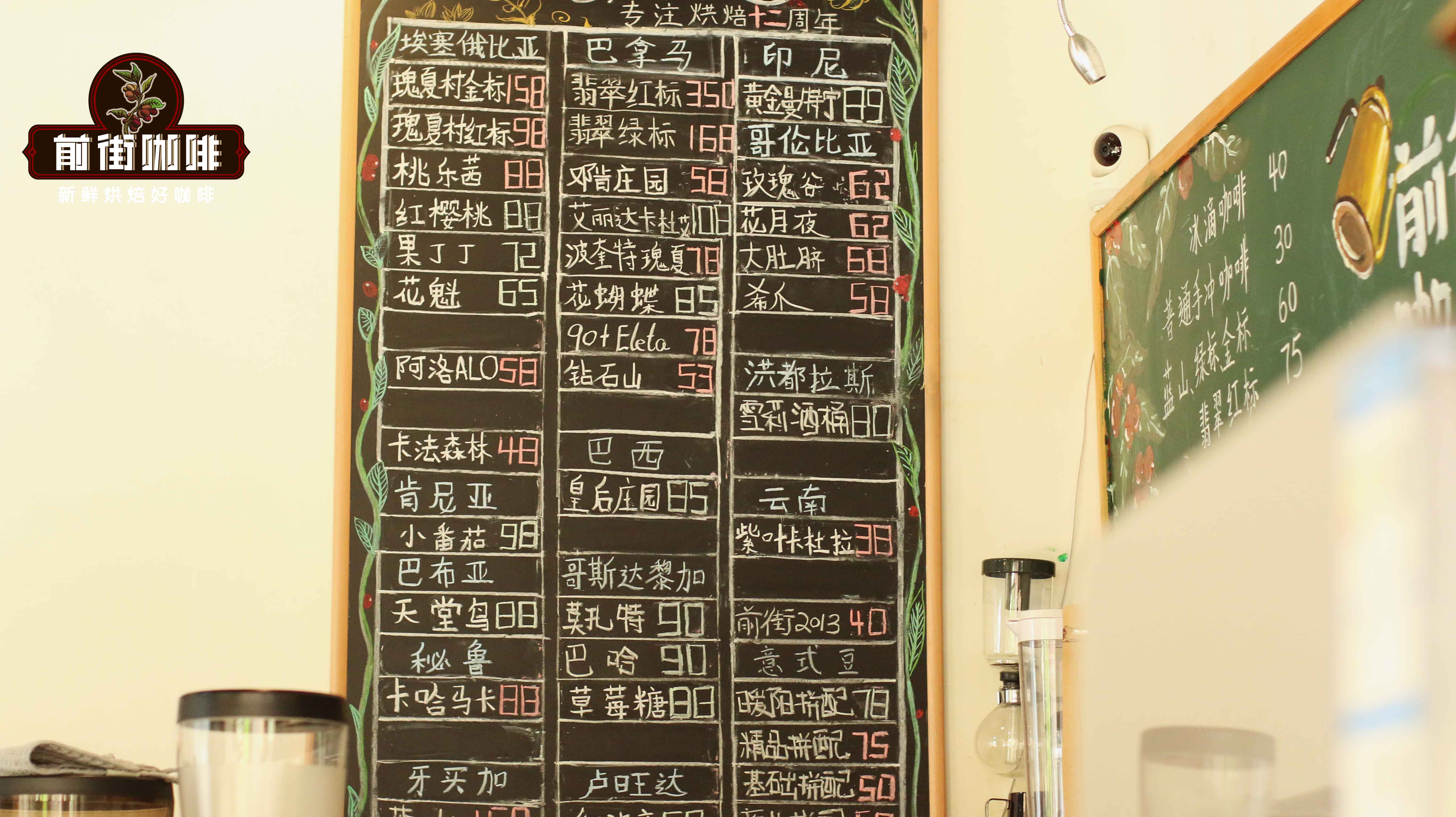
Coffee is a subjective drink. Everyone has different preferences, so naturally the types of coffee they like differ. Front Street Coffee's store menu includes more than fifty kinds of coffee. Different coffee-producing regions combined with different coffee varieties and processing methods form different tastes.
The above content is compiled by CoffeeHunters, a coffee news website.


