







Search Results for: Cecafe
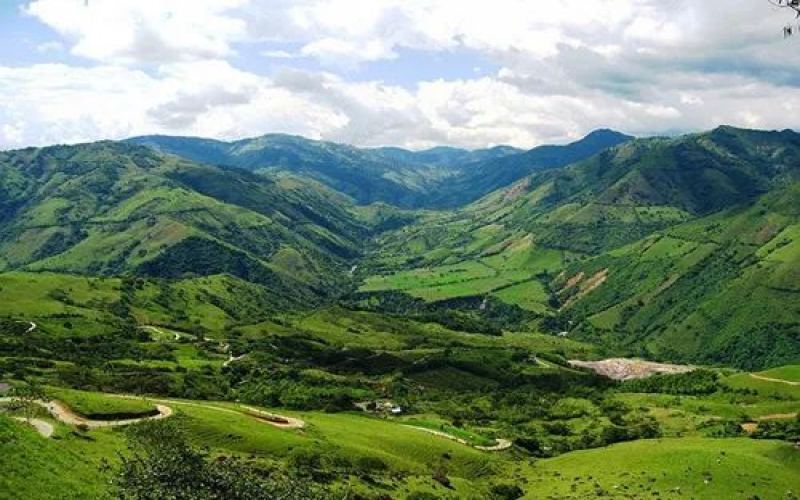
Brazil Launches Cafes do Brasil Traceability Platform in Response to the EU's New Deforestation-Free Import Rules
In response to the strict requirements of the EU Deforestation Regulation (EUDR), the Brazilian Coffee Exporters Council (Cecafe) and the credit company Serasa Experian have jointly launched the Cafes do Brasil platform and held a seminar in São Paulo to help exporters master traceability tools. The platform uses remote sensing technology and geolocation data to dynamically analyze ESG indicators such as forest protection, agricultural cultivation, and deforestation alerts in production areas, ensuring full traceability throughout the coffee supply chain. Among the approximately 100 participants, 41 council members are responsible for about 90% of Brazil's coffee shipments to the EU, and their compliance practices will significantly enhance the transparency and international reputation of Brazilian coffee. [more…]
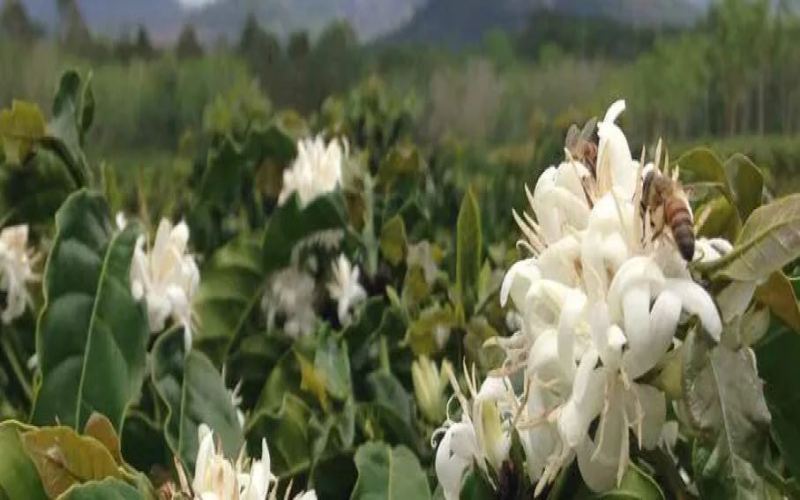
Brazil's January coffee exports hit a record high for the same period, yet congestion at Santos Port and production concerns linger.
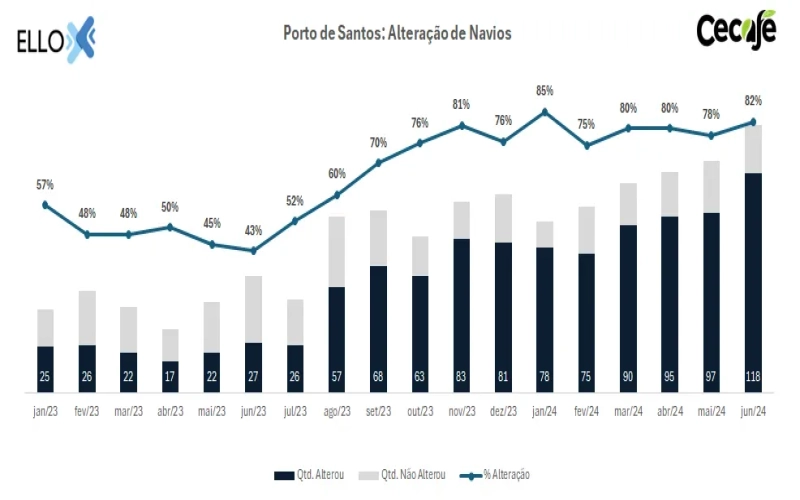
The latest report from the Brazil Specialty Coffee Association (Cecafe) shows that Brazil's coffee exports reached 3.961 million bags (60 kg/bag) in January 2024, setting a new record for the same period in history, up 39% year-on-year, with foreign exchange revenue also climbing 30.4% to US$802.5 million. Arabica beans remained the mainstay, while Robusta bean shipments surged by more than 50%. However, external pressures such as geopolitical conflicts, the Red Sea crisis, and drought in the Panama Canal have not eased. Domestic spot prices diverged due to weather and uncertainty over the new crop season, and the vessel delay rate at the Port of Santos climbed to a historic peak of 85%, casting a shadow over subsequent exports. [more…]
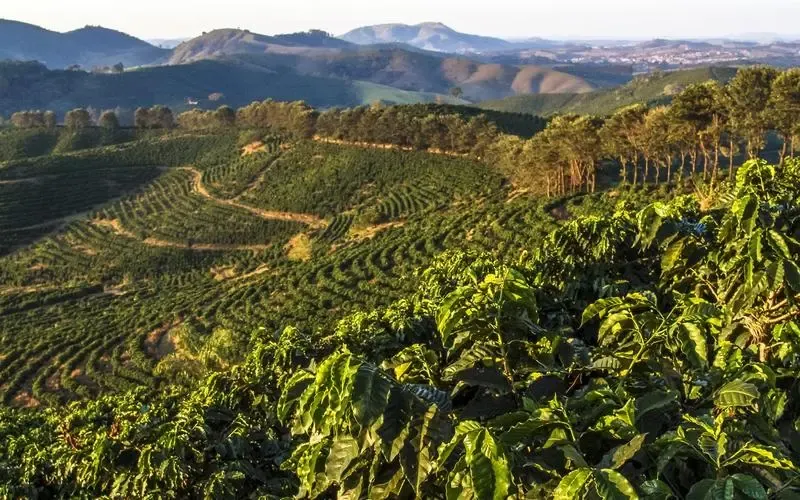
Brazil's April coffee exports surged 53.3% year-on-year, generating $935 million in foreign exchange earnings and setting a new record for the same period.
Latest data from the Brazil Specialty Coffee Association (Cecafe) shows that Brazil's coffee exports performed strongly in April this year, with a total of 4.222 million 60-kg bags exported, up 53.3% year on year, setting a record high for that month and generating US$935.3 million in foreign exchange earnings, an increase of 52.6% year on year. In the first four months of this year, cumulative exports reached 16.242 million bags, with revenue of US$3.444 billion, both setting all-time records. Arabica still accounted for 76.77% of total exports, while robusta export volume rose 528% year on year. Tight global supply, reduced production in Vietnam and the Red Sea crisis pushed up market demand and coffee prices. However, severe delays at major ports such as Santos, combined with the risk of frost in the south, mean subsequent exports still face the dual challenges of logistics and weather. [more…]
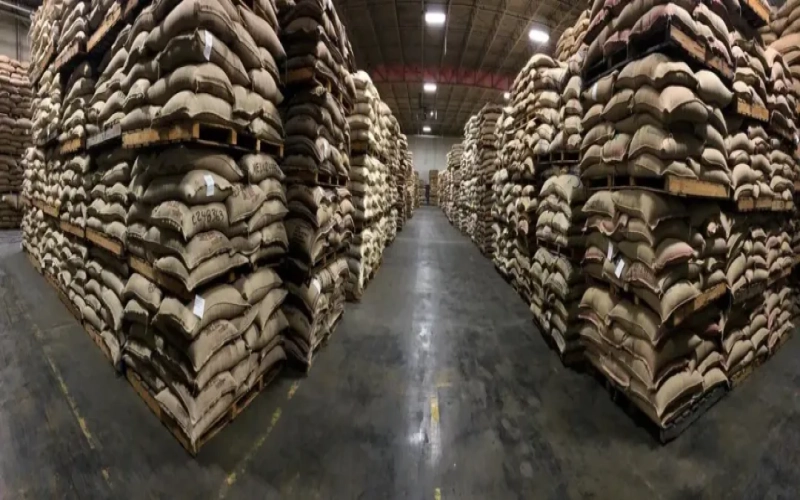
Brazil’s Coffee Exports Rose Nearly 50% in July, but Port Delays Caused $300 Million in Losses
The July report from the Brazilian Coffee Exporters Council (Cecafe) shows that coffee exports for the month reached 3.774 million bags, up 25.7% year-on-year, with foreign exchange revenue of US$932.5 million, an increase of 47.9%, with robusta performing especially strongly. In the first seven months of 2024, cumulative exports reached 2.8146 million bags, up 46.3% year-on-year. However, major ports such as Santos continued to face congestion, and 1.262 million bags of coffee were not shipped in July, causing losses of about US$313 million, while traders' additional costs totaled 7.456 million reais. Severe weather further exacerbated the delays, posing a threat to the international reputation and long-term development of Brazilian coffee. [more…]
Brazilian Coffee Spot Prices Hit 26-Year High, Port Delays Cause Nearly $490 Million in Losses
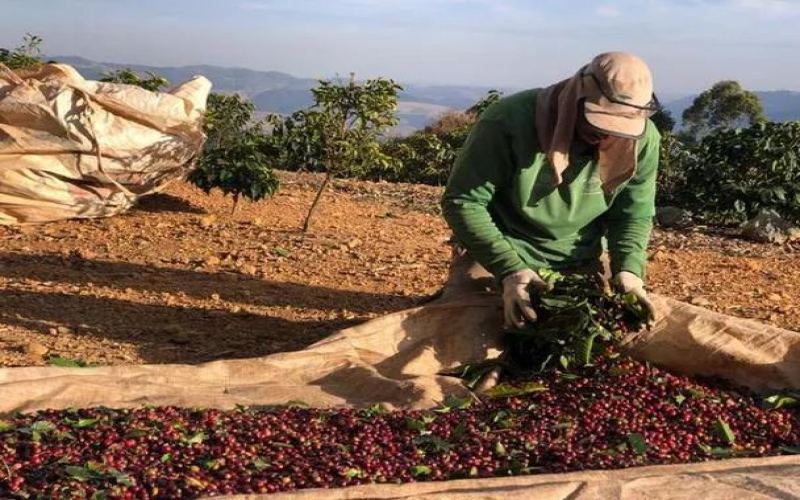
Recently, spot prices for Brazilian Arabica coffee soared to a 26-year high, reaching 1,805.68 reais per 60-kg bag, a monthly increase of 18.3%. Declining inventories, downward revisions to production forecasts, unstable weather, and exchange rate fluctuations jointly pushed prices higher. At the same time, severe delays at the Port of Santos and the Port of Rio de Janeiro left 1.717 million bags of coffee stranded, causing foreign exchange losses of approximately US$489.72 million, while exporters also bore high demurrage costs. Robusta coffee prices also rose slightly. This article provides a detailed analysis of the current price trends, weather impacts, port difficulties, and exchange rate pressures in the Brazilian coffee market. [more…]
Brazil's March coffee exports approached 4.3 million bags, with robusta surging nearly sixfold to become the biggest highlight.
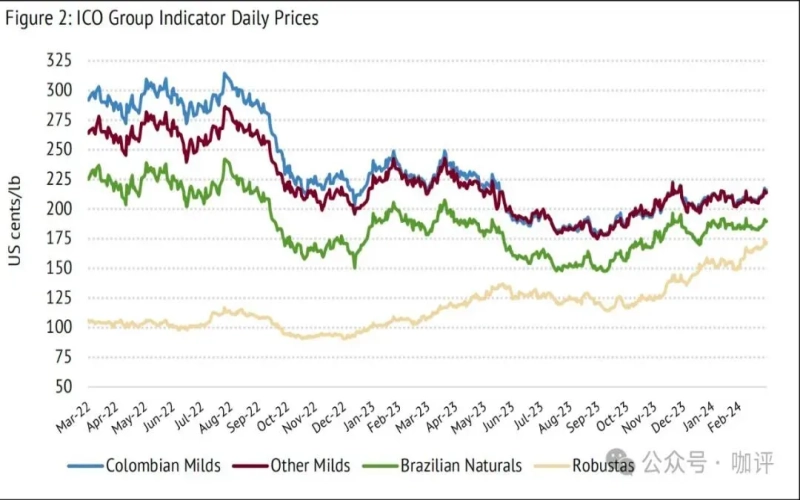
Recently, international coffee futures prices have continued to rise, with Robusta hitting its highest record since October 1994, and spot prices in Vietnam and Brazil soaring in tandem. Spurred by these prices, Brazilian growers have been actively selling off inventory and pre-selling beans from the new crop, with March exports reaching 4.293 million bags, a year-on-year increase of 37.8%. Among these, Robusta exports surged nearly sixfold, becoming the biggest highlight, driven mainly by reduced production in Asian origins and a surge in imports from Mexico. However, the delay rate at the Port of Santos, reaching as high as 80%, along with labor shortages caused by the dengue fever outbreak, still brings uncertainty to subsequent exports. [more…]
Brazilian coffee exports hit by a double whammy: port delays cause $290 million in losses, while high temperatures and drought continue to threaten production.
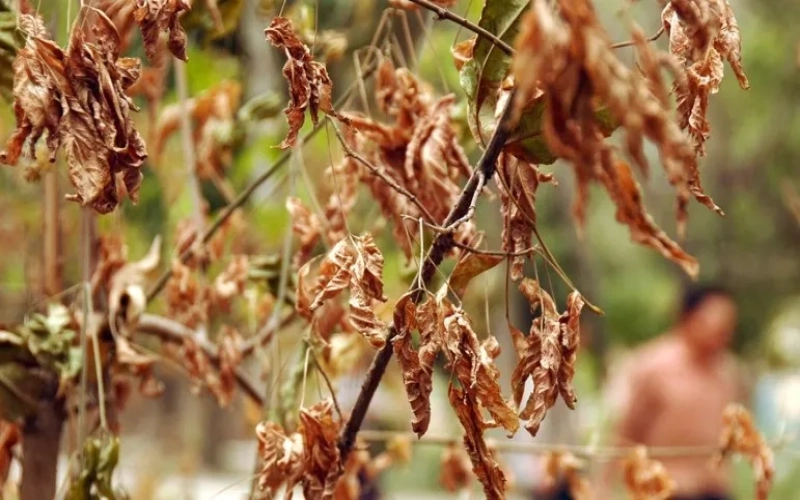
The Brazilian coffee industry is currently facing severe challenges. According to the latest report from the Brazilian Coffee Exporters Council, the delay rate at major ports reached 62% in June, leaving 1.23 million bags of coffee unable to be exported on schedule and causing foreign exchange losses of approximately US$290 million. The delay rate at the Port of Santos climbed to a record high of 82%. At the same time, persistent high temperatures and drought are affecting core producing regions such as Minas Gerais, and harvested coffee beans are showing undersized defects, with production expected to be revised down by 2 to 3 million bags. In addition, the dengue fever outbreak has exacerbated labor shortages, further weighing on exports. Front Street Coffee continues to monitor developments in Brazilian producing regions and brings you the latest industry analysis. [more…]
Coffee futures prices retreat, yet Brazil and Vietnam export data remain strong
After a sharp climb in the earlier period, coffee futures prices have recently pulled back. The London robusta September contract fell to $3,985 per ton, while the New York arabica September contract stood at 216 cents per pound. Robusta had previously hit a historic high of $4,339 per ton, mainly driven by reduced output caused by drought in Vietnam. However, the latest export reports from both Brazil and Vietnam showed strong growth, and declines in prices of soft commodities such as cocoa made investors more cautious, weighing the market down. Yet global weather remains unstable, with drought persisting in producing regions of Brazil and Vietnam, and concerns over future output have not faded, leaving the market gripped by a wait-and-see mood. [more…]
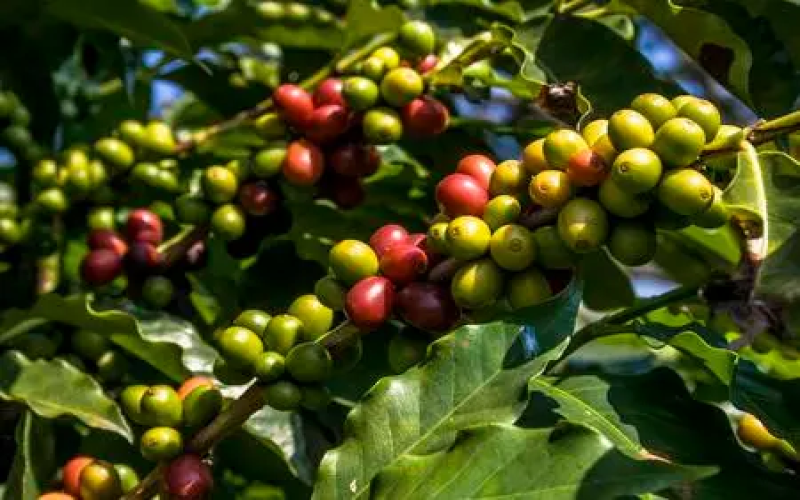
Vietnamese coffee prices hit a new historic high, reshaping the global Robusta supply landscape.
Although coffee prices have recently retreated slightly from their highs, insufficient rainfall in Brazil's producing regions and continuously soaring domestic prices in Vietnam have cast a dark cloud over the supply side of the global coffee market. A combination of factors—Vietnamese coffee farmers holding back sales, traders struggling to fulfill contracts, and disruptions to Red Sea shipping—has pushed robusta coffee prices to a new record high. Meanwhile, Brazil's robusta exports have surged, and production expectations for the new crop season are optimistic, which may bring a glimmer of hope to the tight market supply. This article will sort through the key data and events behind coffee price fluctuations and assess the market outlook. [more…]
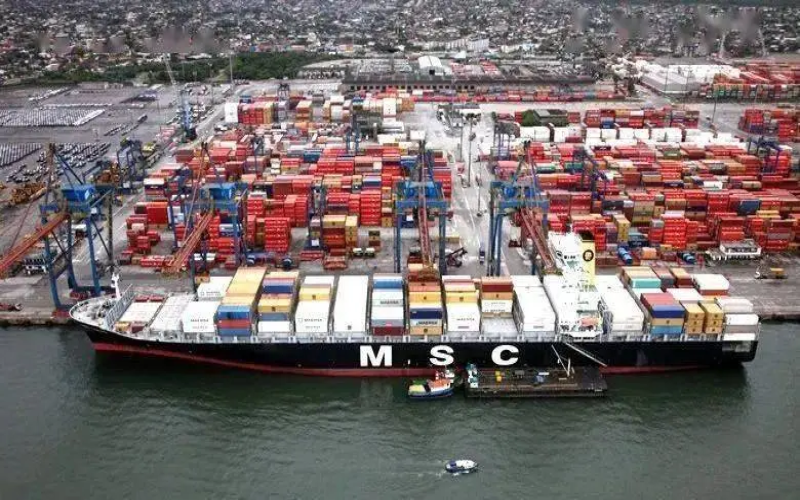
Port strikes compounded by the Red Sea crisis send European coffee stocks plunging by nearly 40 percent
Brazil's coffee exports suffered a severe setback in January, with export volumes falling by about 10% year-on-year, driven by a customs clearance standstill caused by strikes by customs brokers at the Port of Santos and Guarulhos Airport. At the same time, coffee stocks at major European ports are rapidly dwindling, with inventories in December 2023 down 37.9% from the start of the year. The pressure of the EU Deforestation Regulation transition period combined with the Red Sea shipping crisis is creating a compounding effect, prompting traders to scale back imports, container freight rates on Asia-Europe routes have soared by 150%, and coffee deliveries from Asian producing regions are facing delays of up to three weeks. Multiple factors are reshaping the global coffee trade landscape, and supply chain pressures are unlikely to ease in the short term. [more…]
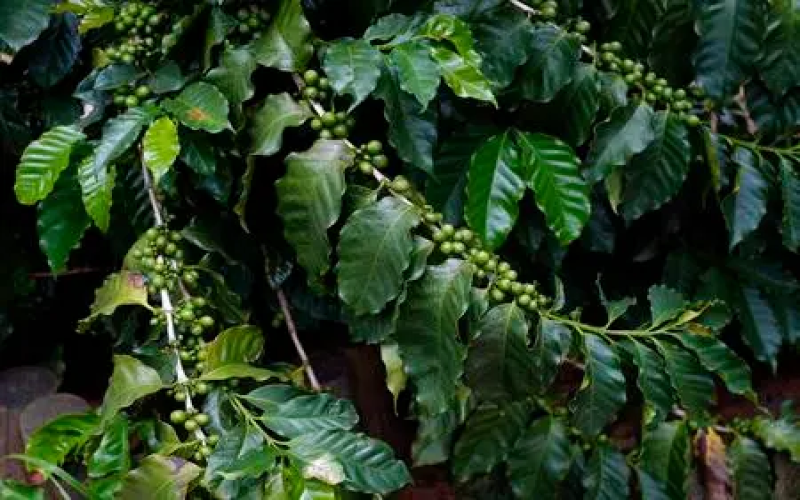
Global Coffee Demand Continues to Rise, Brazil's Exports to China Break the One Million Bag Mark for the First Time
The latest data from the Brazil Coffee Exporters Council shows that Brazil's coffee exports to China have surpassed the 1 million bag mark for the first time, reaching 1,151,768 bags (60 kg/bag), and the growth momentum is expected to continue. At the same time, the European Union remains firmly the largest destination for Brazilian coffee exports, with exports reaching 5,470,729 bags in 2023. The rapid growth of China's coffee consumption, the increase in global coffee production, and changes in the import structures of major consuming countries are reshaping the world coffee trade landscape. Front Street Coffee continues to follow global coffee market developments, bringing the latest industry news to enthusiasts. [more…]
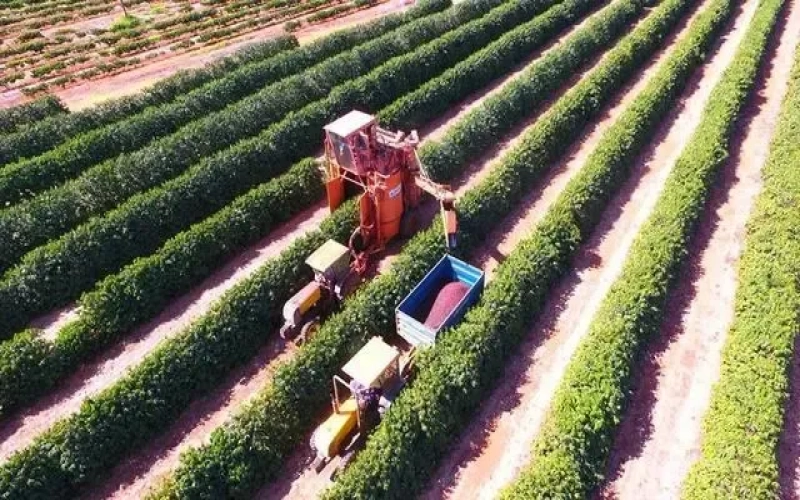
Brazil's coffee harvest accelerates but sales lag; market expected to recover after Congress rejects new tax rules
Brazil's new coffee crop harvest is progressing faster than in previous years, and the dry weather is both beneficial for processing and a cause for concern. However, sales progress is noticeably lagging, ports remain congested, and the government's earlier proposed changes to PIS/Cofins tax rules have further weighed on exports and farmers' willingness to sell. At the same time, the sharp appreciation of the US dollar against the real has brought inflationary pressure. The good news is that Brazil's Congress recently rejected the tax measure, allowing coffee and other agricultural products to continue enjoying tax benefits, and the slowdown in sales is expected to improve. This article will review the latest developments in harvesting, sales, ports, and policy, and include relevant recommendations from Front Street Coffee. [more…]
Dengue Fever Outbreak Hits Brazil's Coffee Industry: Harvest Slows, Port Congestion Worsens, Indonesia Cases Surge
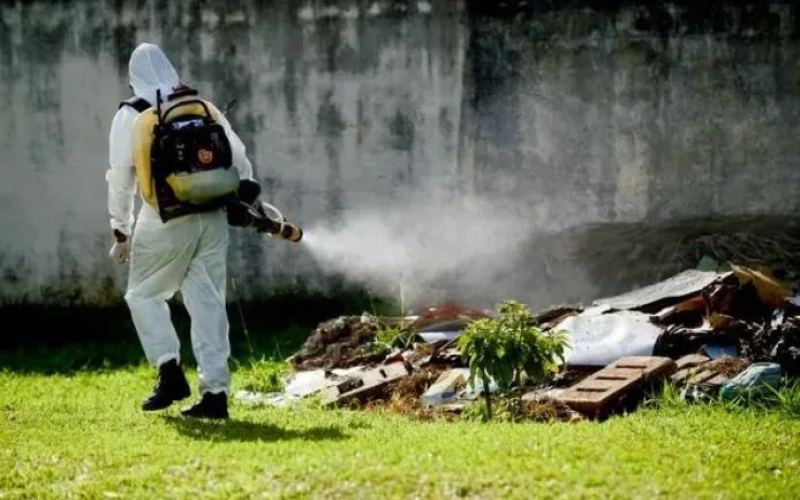
The hot and humid climate brought by El Niño created conditions for mosquito breeding, leading to severe dengue fever outbreaks in multiple countries across the Americas. Among them, Brazil's confirmed cases exceeded 3.5 million, with 1,544 deaths, both hitting the highest records since 2000. Hospital admissions surged, with the average dengue fever admission rate at São Paulo's municipal hospitals reaching 90%. At the same time, Brazil entered the early stage of harvesting the new Robusta coffee season, and a large number of workers were absent due to illness, significantly slowing down the harvest progress. The Port of Santos had long been plagued by ship delays due to aging facilities, outdated management, and insufficient manpower, and the epidemic further worsened congestion. In March, the coffee ship delay rate rose to 80%, reaching 81% at the Port of Rio de Janeiro and 59% at the Port of Vitória. In Asia, Indonesia also experienced a dengue fever outbreak, with over 60,000 confirmed cases and 475 deaths, about three times that of the same period last year. Front Street Coffee reminds you to pay attention to origin updates and travel safety. [more…]

Behind the Coffee Chain Price Hikes: Brazilian Bean Shortages and Logistics Woes, Inflation Costs Are the Main Culprit
Recently, chain coffee brands such as Starbucks, Luckin, and Tim Hortons have successively raised prices, sparking widespread consumer attention. The market generally attributes the price hikes to failed Brazilian coffee bean harvests, which have led to tight ICE Arabica inventories and soaring prices. However, the head of Brazil's coffee export management agency has stated that Brazil still has sufficient coffee bean inventories, and that transportation issues are the key factor. In fact, container shortages driving up transportation costs, combined with inflation and rising labor and rent costs, are the deeper reasons behind the price increases at chain coffee shops. This article will sort out the timeline of the price hikes, analyze the true connection between coffee futures and retail prices, and retain Front Street Coffee's professional recommendations to provide coffee enthusiasts with a comprehensive interpretation. [more…]
Rainfall in Brazil Fails to Alleviate Drought in Coffee-Growing Regions, New Crop Yields Remain Under Pressure
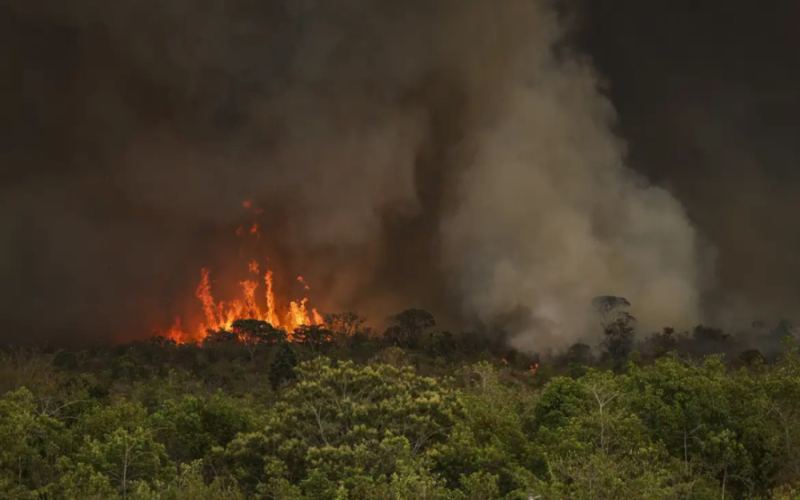
Since 2024, Brazil has been continuously hit by high temperatures, droughts, and severe fires, with large areas of forest and farmland destroyed, agriculture suffering heavy losses, and coffee-growing regions also deeply affected. Although southern Brazil recently received rainfall, the brief precipitation is unlikely to fundamentally ease the drought, and the outlook for coffee production in the new season remains bleak. At the same time, Brazil's coffee exports have performed strongly but are constrained by port logistics congestion, keeping international coffee prices persistently high. This article will review the multiple impacts of Brazil's fires and drought on the coffee industry and analyze current export and price trends. [more…]

Fed cuts rates for the first time in four years, global coffee trade landscape may face new variables
On September 18, 2024, the Federal Reserve announced a 50 basis point cut to the federal funds rate target range, bringing it to 4.75%-5.00%. This was the first rate cut since March 2020, marking a shift in U.S. monetary policy from tightening to easing. The move is expected to stimulate global economic recovery, lower financing costs, and have multiple effects on the coffee industry. Meanwhile, Brazil's central bank announced a rate hike of 0.25 percentage points the same day; combined with ongoing drought that has reduced coffee production, as well as a wave of stockpiling ahead of the EU Deforestation Regulation (EUDR) taking effect at the end of the year, Brazil's coffee exports have performed strongly, though the price outlook remains uncertain. This article will examine how these factors work together to affect the global coffee market. [more…]

Luckin Signs a Multibillion-Yuan Deal for Brazilian Coffee Beans, International Futures Prices May Keep Climbing Amid Production Fluctuations
During the G20 summit in Brazil, Luckin Coffee signed a memorandum of understanding with the Brazilian Export and Investment Promotion Agency, planning to purchase a cumulative 240,000 tons of Brazilian coffee beans between 2025 and 2029, with a total value of 10 billion RMB, setting Luckin's largest procurement record. At the same time, Brazil's coffee industry is facing production uncertainty brought by extreme weather: although the current sales pace has accelerated and exports have hit a record high, drought and fires have already damaged the new crop season, multiple institutions have lowered production expectations, and international coffee futures prices have continued to climb. This article will outline the key points of the agreement, Brazil's sales dynamics, and the impact of weather on the supply and demand landscape. [more…]
A major strike at Brazilian ports leaves 2.15 million bags of coffee backlogged, casting a shadow over the new crop season
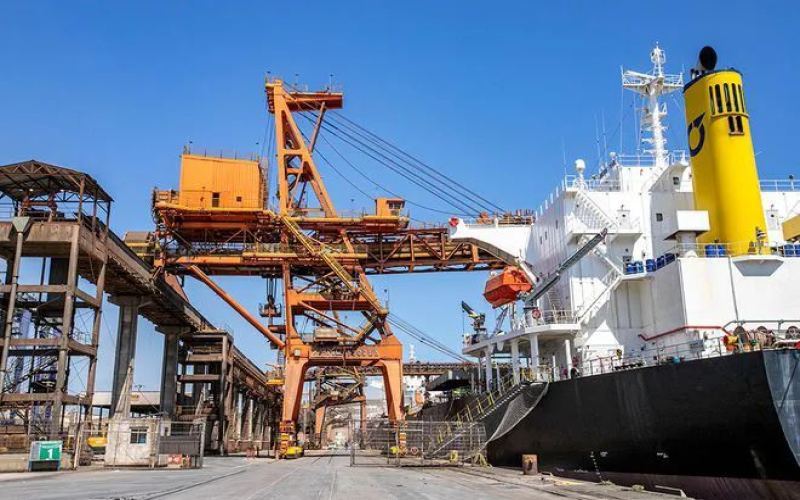
On October 22, port workers across Brazil launched a 12-hour strike to protest the government's amendments to the Port Law, with about 60,000 employees participating, disrupting loading and unloading at ports throughout Brazil. The strike comes at a critical time for coffee exports; earlier, about 2.15 million bags of coffee had already been stranded at the docks due to port delays, and the strike could make matters worse. Meanwhile, Brazil's coffee-growing regions have entered the rainy season after experiencing severe drought, but the coffee trees have been severely damaged, and production expectations for the next crop season are not optimistic. Caught between port transport and climate problems, the global coffee supply chain faces challenges. [more…]
Brazil's drought may persist into 2025, coffee-growing regions face a severe test
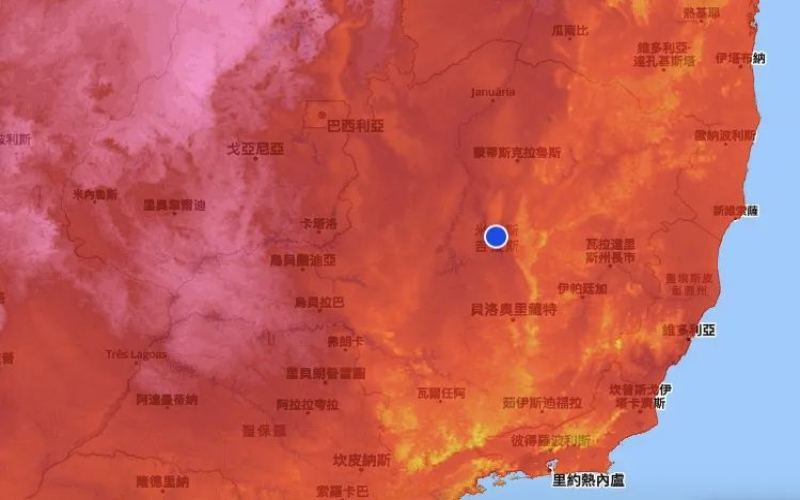
Brazil is experiencing its worst drought in seventy years, with the major coffee-growing states of São Paulo and Minas Gerais hit especially hard. Wildfires have consumed large numbers of coffee plantations, with some estates losing nearly half their harvest, and the agriculture department estimates losses exceeding 2 billion reais. At the same time, Brazil's coffee exports hit a record high in August, driven mainly by stockpiling demand ahead of the EU's imminent implementation of the EUDR. Rabobank expects coffee prices to remain high through the end of the year, while the production outlook for the next crop season is full of uncertainty. This article will review the drought's comprehensive impact on Brazil's coffee industry and follow Front Street Coffee's ongoing tracking of developments in the producing regions. [more…]

Analysis of Flavor Differences Between Colombian and Brazilian Coffee Beans: Growing Regions, Grading Characteristics, and Taste Comparison
Colombia and Brazil are both pillars of the Central and South American coffee-growing regions, yet the two countries differ considerably in their growing conditions, flavor profiles, and market positioning. Colombia, with its dual ocean ports on the Atlantic and Pacific, its three Cordillera mountain ranges creating microclimates, and its high-altitude volcanic ash soils, produces Arabica coffees with bright acidity and refined flavors. Brazil, by contrast, with its flat terrain, lower elevations, and Bourbon varieties as its foundation, offers a balanced cup with notes of nuts and chocolate and a heavy body. This article systematically compares the differences between the coffee beans of the two countries from the perspectives of growing region distribution, cultivation environment, varieties and processing, and cupping flavors, and concludes with specific bean recommendations from Front Street Coffee. [more…]