







Search Results for: coffee wall thickness

The Impact of Coffee Ground Bed and Bed Wall Thickness on Flavor in Pour-Over Coffee and an Analysis of Brewing Techniques
After brewing a pour-over, observing the shape of the coffee bed left in the dripper is a habit for many coffee enthusiasts when reviewing their brewing process. The thickness of the coffee bed wall is not accidental; it is closely related to the pouring flow rate, the size of the pouring circle, and the roast level of the coffee beans. This article starts with the causes of the coffee bed wall, analyzes the extraction logic behind different coffee bed wall shapes, and combines brewing experiments from Front Street Coffee to explain the actual differences in flavor direction caused by large-circle versus small-circle pouring. Finally, it offers pouring recommendations for beans of different roast levels, helping you control water flow and flavor more consistently in your daily brewing. [more…]
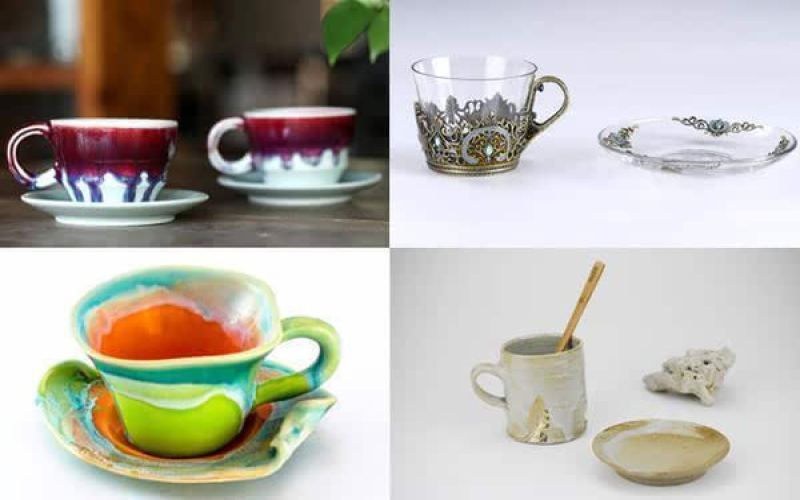
The Complete Guide to Choosing a Coffee Cup: How Material, Rim, Wall Thickness, and Capacity Affect Flavor
Coffee is a widely loved beverage that, beyond its rich aroma, offers numerous benefits to the body. A great cup of coffee depends not only on bean quality and extraction technique—the cup itself is an equally important supporting player. Choose the right cup, and your coffee can present itself at its very best. This article systematically breaks down how to choose a coffee cup from four dimensions: material, rim shape, wall thickness, and capacity. It also reminds you of the small detail of preheating the cup before drinking, helping beginners find the cup that suits them best. [more…]

How does the size of the circular pouring motion in pour-over coffee affect the thickness of the coffee bed and the final flavor profile?
The pouring technique for pour-over coffee may seem simple, but in reality it has a subtle yet crucial impact on the final flavor. Pouring in large circles versus small circles creates filter cakes of different thicknesses, which in turn changes the temperature and water flow path during extraction, ultimately producing completely different flavor outcomes. Starting from Front Street Coffee's brewing practice, this article analyzes in detail how circle size affects filter cake thickness, actual extraction water temperature, and the role of the V60's guiding ribs, and gives specific pouring recommendations for light-roast and dark-roast coffee beans respectively, helping enthusiasts flexibly adjust their technique according to the flavor goal they want. [more…]
How the material, thickness, and shape of a coffee cup shape the drinking experience and flavor perception
Have you also collected a bunch of exquisite and good-looking coffee cups, yet always find yourself unsure which one to pick when brewing coffee? In fact, the material, thickness, and rim shape of a cup each have their own nuances. Although they won't change the concentration or flavor compounds of the coffee liquid, they can influence our visual perception, temperature, and mouthfeel through their structural characteristics. This article follows the perspective of Front Street Coffee, breaking down everything from materials and wall thickness to different forms such as wide-mouth, straight-sided, and tapered cups, helping you understand what kind of coffee each cup is suited for, while also discussing the exceptional strengths and sole weakness of those professional tasting cups used in competitions. [more…]
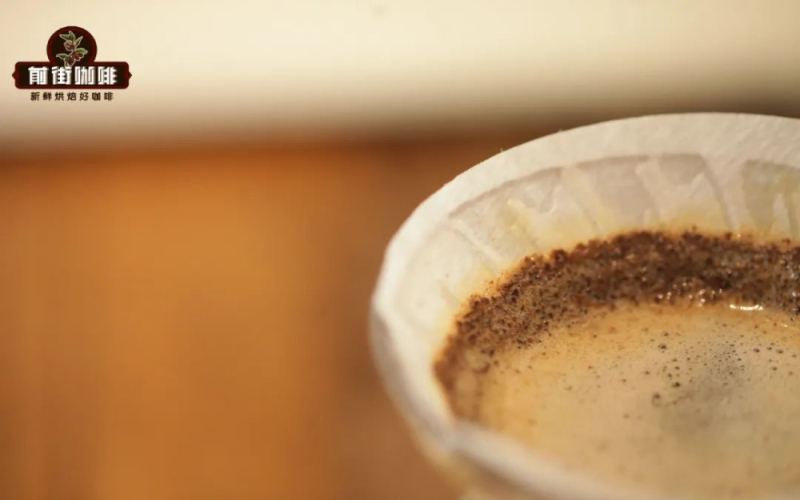
What extraction signals are hidden in the shape of a pour-over coffee bed? Analyzing the connection between the causes of channeling and brewing techniques
After every pour-over, observing the shape of the coffee bed in the dripper is a habit for many coffee enthusiasts. A complete and evenly thick wall of grounds often brings peace of mind, while any abnormality in the bed inevitably makes one wonder which step of the brewing process went wrong. In conversations with coffee lovers, Front Street Coffee has noticed a common coffee bed issue—faulting—which appears as a clear dividing line between the coffee bed and a lower wall of grounds. This pattern is usually related to two types of brewing habits: one is the "conservative" brewer who uses a small stream and pours cautiously throughout, and the other is the "laid-back" brewer who circles casually and tops up with water at the end. This article will combine the different manifestations of coffee bed faulting to analyze the extraction logic behind them, helping everyone understand the relationship between coffee bed shape and coffee flavor, so as to make more informed adjustments in daily brewing. [more…]

Always failing at making a waterfall iced Americano in an ice cup? Master the ice wall thickness and espresso pouring technique to break through.
The waterfall iced americano has gone viral online thanks to the visual effect of a slow perforation through the ice cup, with the coffee liquid cascading down like a waterfall, attracting many netizens to try it at home. In practice, however, problems such as the ice cup tipping over, the bottom of the cup being punctured, coffee leaking from the sides, and the liquid coagulating into clumps frequently occur, turning the aesthetic scene into a fail. This article compiles the key tips for success summarized by netizens, including ice cup thickness standards, using crushed ice to help balance, keeping the clip dry, and using room-temperature espresso liquid, and also explains the cause of the waterfall effect from the perspective of physical diffusion. It also analyzes the reasons behind the drink's popularity—its low barrier to entry and the sense of ritual in the process make more people willing to engage with and learn about coffee. The article retains the relevant recommendation information for Front Street Coffee. [more…]

A Practical Guide to Choosing Coffee Cups: How Material, Capacity, Thickness, and Shape Affect the Taste of Espresso, Latte, Flat White, and Dirty
Faced with the dazzling array of coffee cups on the market, many people wonder: can a cup really change the taste of coffee? And what cup shapes should different drinks be paired with? Starting from the coffee cups commonly used at Front Street, this article sorts out the effects of four dimensions—material, size, thickness, and cup shape—on coffee flavor, and gives specific cup selection suggestions for common coffees such as hot latte, cappuccino, flat white, Dirty, and pour-over. Whether you are a beginner enthusiast or a barista making drinks every day, you can find practical purchasing ideas here, so that every cup of coffee can show its best side. [more…]
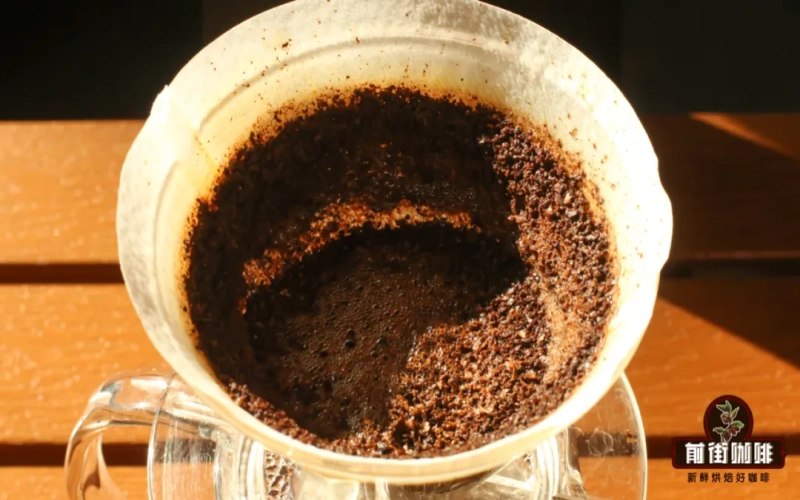
Why Does the Coffee Bed Form a Crater in Pour-Over? A Detailed Analysis of Causes and Pouring Adjustment Methods
After a pour-over coffee is finished, the state of the coffee bed often reveals whether the water pouring during the brewing process was standardized. An ideal coffee bed should be bowl-shaped, with an intact coffee wall of even thickness, but many coffee enthusiasts find that the coffee bed is "cut in the middle," split into upper and lower sections. How exactly does this faulting phenomenon occur? And what impact does it have on the flavor of the coffee? Starting from Front Street's practical experience, this article will analyze in detail the two causes of coffee bed faulting and provide two adjustment plans—narrowing the pouring range and reducing water flow intensity—to help everyone optimize their pouring technique and make extraction more even and complete. [more…]
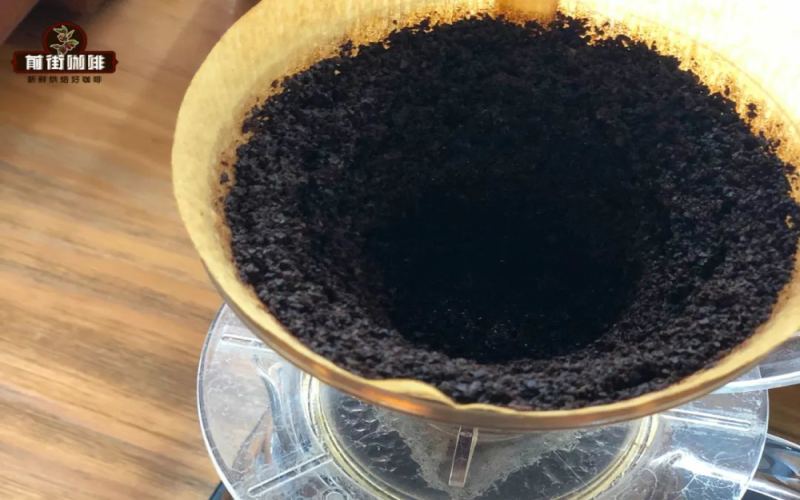
Analyzing the Coffee Bed Shape in Pour-Over Brewing: A Deep Bed Is Not a Sign of Good Taste—Pouring Technique Is the Key
Many friends who are just getting into pour-over coffee often hold an almost worshipful attitude toward the expansion of the coffee bed and the deep pit, believing that producing a deep pit signifies superior skill. Front Street found this phenomenon to be quite common when talking with customers in the shop, so we decided to analyze the conditions for the formation of the deep pit from a fundamental perspective. In fact, the deep pit is mainly related to three factors: the roast level of the coffee beans, the circular pouring pattern, and the dose of grounds, with roast level having the most significant influence. Dark-roasted beans have low density and expand noticeably, making it easy to form a thick wall of grounds and a deep pit, while light-roasted beans are the opposite. In addition, pouring in small circles preserves the wall of grounds around the edge, and a large dose of grounds also provides enough support for the deep pit. But an attractive coffee bed does not equal good-tasting coffee; the real point of observing the coffee bed is to check whether the pouring was even and whether the wall of grounds was damaged. This article will systematically sort out the brewing logic behind the coffee bed for coffee lovers, helping everyone return to the brewing parameters themselves. [more…]
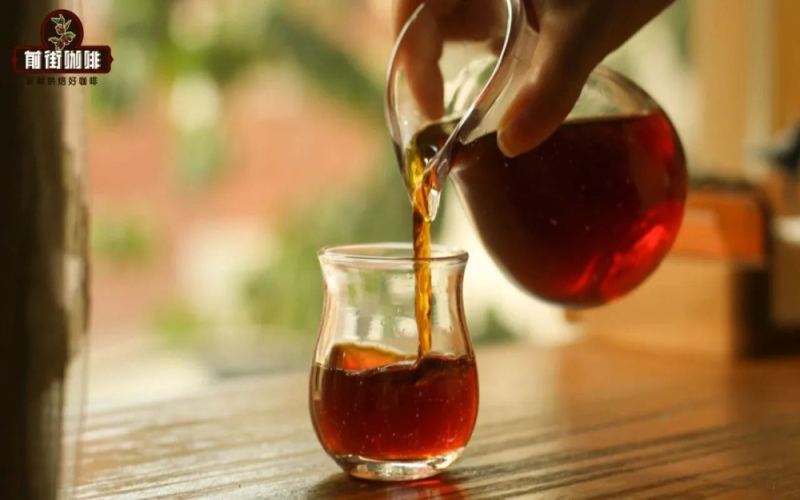
How do the material and shape of a coffee cup influence flavor? A practical guide to choosing a cup for pour-over coffee
When tasting wine, the shape, material, and even the thickness of the glass can change the sensory experience—and the same is true for coffee. A suitable coffee cup not only highlights the aroma and layers of pour-over coffee, but may also mask certain flaws. Starting from a share by Front Street Coffee, this article discusses how factors such as cup material, rim design, and wall thickness affect coffee flavor, and offers specific advice for choosing a cup for everyday pour-over. If you're used to drinking pour-over from a mug or paper cup, you may be missing out on quite a few delicate flavors. [more…]
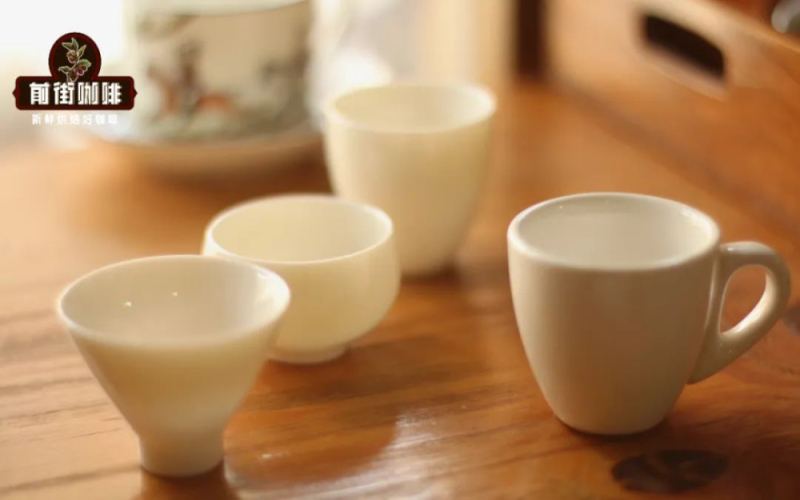
The Complete Guide to Choosing a Coffee Cup: How Material, Thickness, and Rim Shape Shape the Tasting Experience of Espresso, Latte, and Cappuccino
When it comes to drinking coffee, besides the beans and brewing method, the cup is also an aspect that cannot be overlooked. This article starts from three dimensions—material, thickness, and the shape of the cup body and rim—to systematically sort out the actual effects of different coffee cups on visual appeal, heat retention, and taste perception. You will learn what scenarios glass, ceramic, and stainless steel are each suited for, which flavors open-mouth cups, straight-bodied cups, and tapered cups can respectively amplify, and why Front Street pairs specific cup types when recommending single-origin coffees such as Red Cherry, Geisha Village Flower Queen, and Mozart. Whether you are a collector or just starting out, this cup-selection guide can help you find the vessel best suited to the cup of coffee in front of you. [more…]
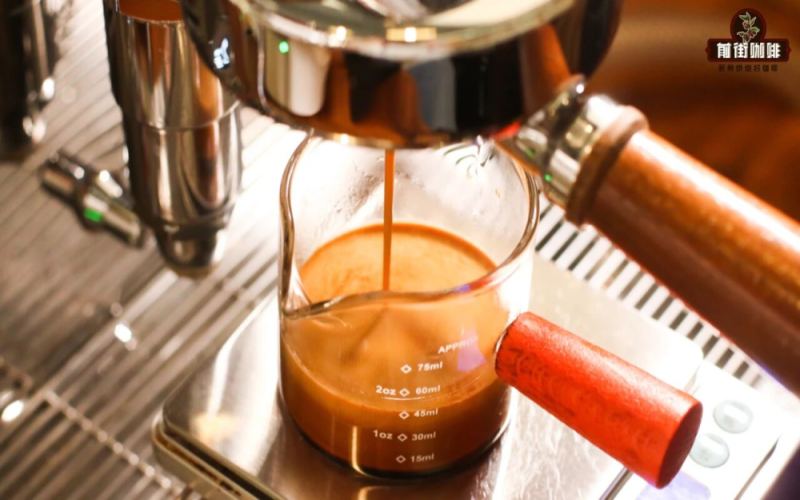
Summary of Reasons for Espresso Crema Extraction Failure: Key Judgments Based on Color Depth and Crema Thickness
The golden-yellow oil on the surface of espresso, known as crema, is regarded by many coffee lovers as the soul symbol of a good shot. Under normal conditions, the liquid should be covered by a golden-yellow crema layer about one-third thick, with a creamy texture when swirled and a clear cling to the cup wall. However, many people encounter thin or even completely missing crema in practice, which may involve multiple variables such as coffee bean variety, roast level, freshness, grind size, water temperature, and coffee machine pressure. Front Street Coffee has systematically sorted out these common issues, analyzing everything from bean selection to equipment parameters one by one, to help everyone quickly pinpoint the problem in the extraction process and bring back that alluring golden-yellow crema. [more…]

Analysis of Latte Milk Foam Collapse, Separation, and Breakdown: A Complete Guide to Frothing Techniques and Coffee Oil Stability
The milk foam on the surface of a latte sometimes sinks and collapses, sometimes becomes stiff and separates into layers, and sometimes visibly breaks down within just two minutes, with even faint popping sounds of bubbles bursting audible. Behind these phenomena lie multiple factors, including the thickness of the steamed milk foam, the stability of the espresso crema, the extraction state, and even the cleanliness of the cup. Front Street will analyze one by one the causes of common problems such as sunken foam, severe layering, surface collapse, and large bubbles forming on the cup wall, helping you understand the supporting relationship between milk foam and crema, so that you can make a latte with delicate, silky foam and long-lasting latte art. [more…]

A Beginner's Guide to Pour-Over Coffee: Complete Basics from Three-Pour Technique to Reading the Coffee Bed
Many coffee enthusiasts who have purchased coffee beans from Front Street Coffee often ask in the backend about the specific method for brewing pour-over coffee. This article will systematically organize the introductory knowledge of pour-over coffee for beginners, starting with a detailed interpretation of two professional videos, covering key steps such as wetting the filter paper, controlling the blooming time, and the technique of pouring water in stages, and will explain in detail the setting principles of the four core parameters: grind size, water temperature, coffee-to-water ratio, and brewing duration. In addition, through various illustrations of coffee bed states, the article also helps readers determine whether the extraction is even, and provides troubleshooting ideas for common problems such as the coffee bed not blooming, bitter coffee, and insufficient flavor. [more…]

How long before latte milk foam dissipates? From milk foam and crema to integration, analyzing the key factors affecting stability
The milk foam on the surface of a latte begins to slowly dissipate from the moment it is made, but the rate of dissipation varies enormously between lattes of different quality—some develop large bubbles within two minutes, while others can hold out for over fifteen minutes. Foam stability is governed by three core factors: the quality of the foam itself, the state of the espresso crema, and the degree of integration between the foam and the coffee. In addition, details such as cup temperature and residual water droplets on the cup wall can quietly affect the pace of dissipation. This article breaks down these variables one by one to help you understand how to make a latte with lasting foam and a stable structure. [more…]

Where does coffee body come from? Master the coffee-to-water ratio, brewing time, and dripper choice to brew a rich, full-bodied cup.
When tasting coffee, we often describe a good cup as "rich" or "sweet," but what exactly is richness? What is mellowness? And where does the difference between the two lie? In fact, this is closely related to the coffee's "body." Body refers to the sense of weight that the coffee liquid presents in the mouth—is it light as water, or thick as milk? This article will systematically explain how to brew a rich, full-bodied cup of coffee from five aspects: choice of roast level, coffee-to-water ratio, brewing time, dripper selection, and pouring technique, and will recommend a number of dark-roast coffee beans suited to those pursuing a heavy, substantial flavor. [more…]
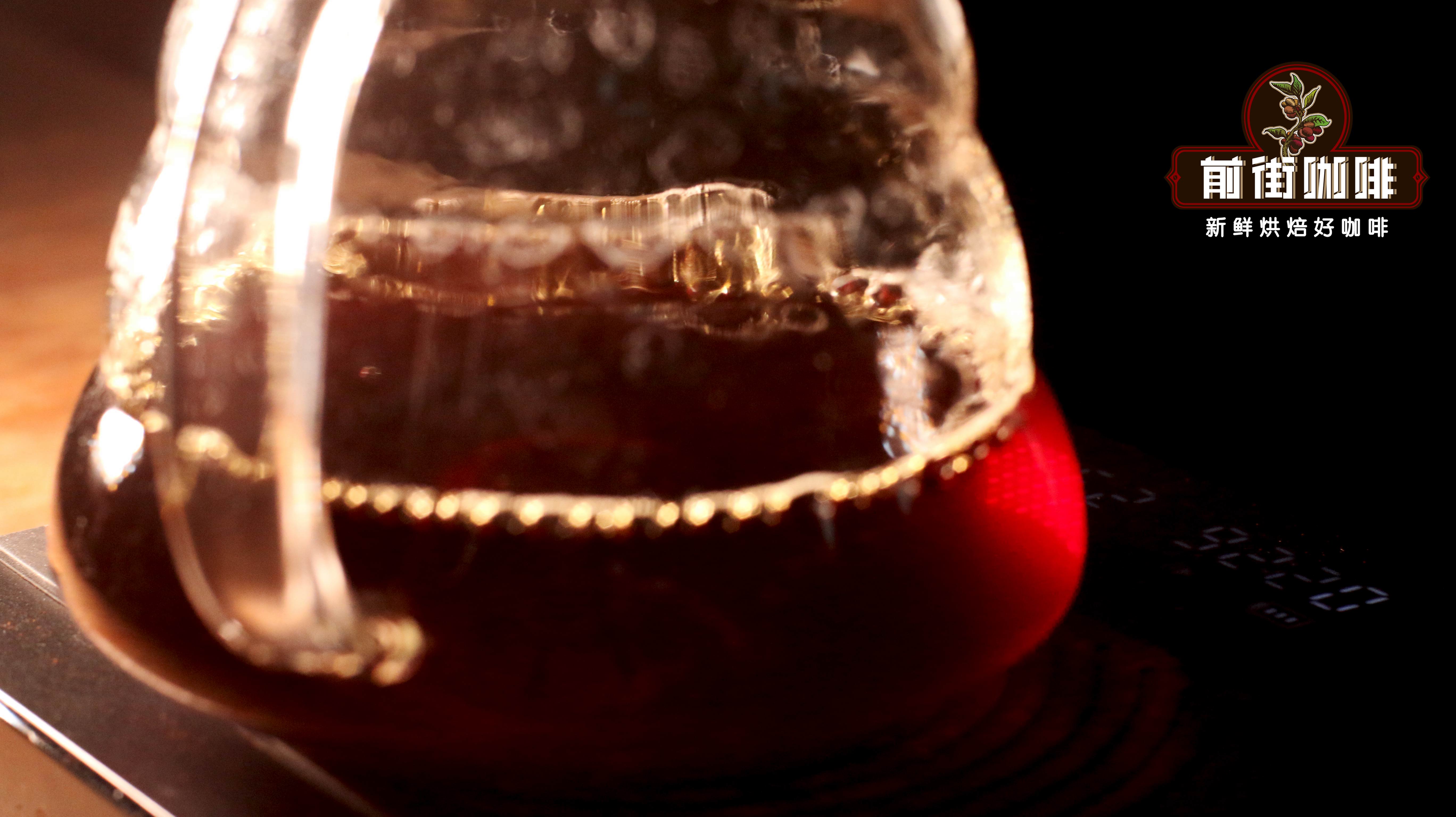
A Curated Selection of Dark Roast Coffee Beans: A Comprehensive Analysis of Pour-Over Suitability, Parameter Settings, and Flavor Profile
Can dark-roasted coffee beans be used for pour-over? The answer is yes, but it requires a brewing approach completely different from that for medium-light roasts. Starting from the concept of body, this article sorts out the flavor differences among light, medium, and dark roast levels, and recommends popular dark-roast single origins such as Front Street PWN Golden Mandheling, Queen's Estate, Jamaica Blue Mountain No. 1, and Huilan. Then, focusing on four dimensions—coffee-to-water ratio, brewing time, dripper selection, and pouring technique—it breaks down one by one the parameter adjustment methods for pour-over with dark-roasted beans: how to avoid a thin mouthfeel, prevent under-extraction, choose a KONO dripper to extend immersion, reduce water flow washing against the cup wall, and other practical tips to help you consistently brew rich, full-bodied dark-roast coffee. [more…]
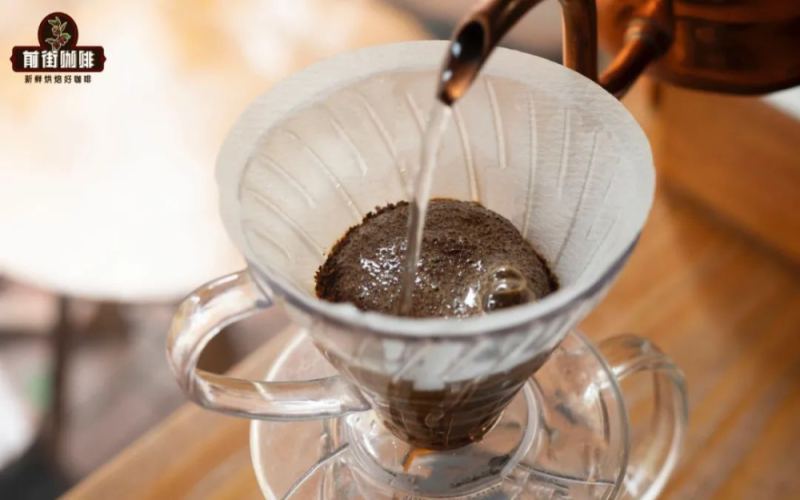
A Guide to Enhancing the Body of Dark Roast Black Coffee: Complete Techniques from Coffee-to-Water Ratio to Pouring Method
Many coffee enthusiasts often encounter the problem of a thin mouthfeel and lack of richness when brewing dark-roasted beans. Body refers to the sense of weight that the coffee liquid has in the mouth, and it is closely related to strength. Because dark-roasted beans have a loose texture, they are actually easier to brew into a thick mouthfeel. This article will systematically explain how to adjust parameters to enhance the body of dark-roasted coffee from four dimensions: coffee-to-water ratio, brewing time, dripper selection, and pouring technique. It also uses examples such as Front Street Coffee's Brazil Queen Estate coffee beans to help you identify the problem and brew a full, round dark-roast flavor. [more…]
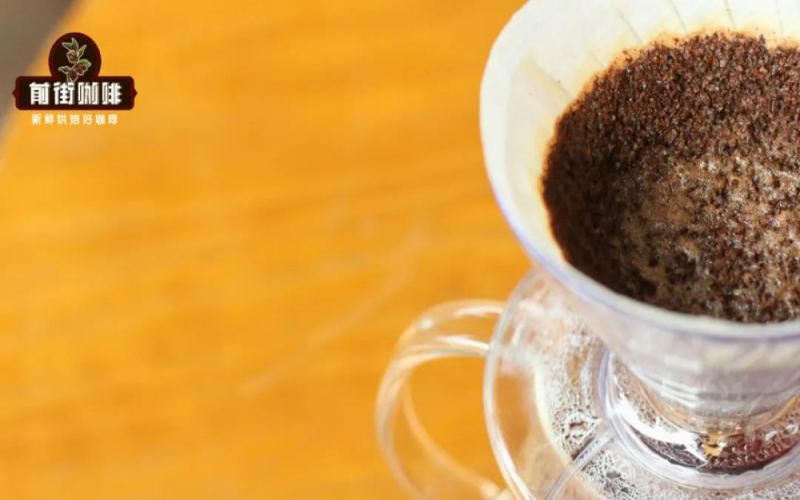
Why Does the Pour-Over Coffee Bed Crack into Two Segments? An Analysis of How Pouring Force and Spiral Pouring Technique Affect Extraction Uniformity
The shape of the coffee bed after a pour-over often reveals whether the pouring technique was appropriate. Some beginners find that after brewing, the coffee wall breaks into two sections, with a thin ring of coffee grounds in the middle dotted with small bubbles, some grounds sinking to the bottom, and the coffee tasting less than ideal. This usually happens because the water flow was too forceful during the final pour, breaking through the coffee wall built up earlier, so hot water runs straight down along the filter paper's ribs, creating channeling and causing uneven extraction. In addition, too wide a pouring circle can also let the water level rise above the coffee wall, leading to under-extraction and bitterness. This article will analyze the causes of these two types of coffee beds and, drawing on Front Street Coffee's usual three-stage method, explain how to master the basics of flow control by managing pouring height and circle size, so that the coffee grounds release their flavors evenly. [more…]
Does a deep crater in the coffee bed after pour-over really mean the cup tastes better?
Many friends who are just getting into pour-over coffee are always fascinated by the puffy dome during blooming and the "deep pit" that forms in the coffee bed after brewing. It seems that only when these two phenomena appear can a cup be considered a proper pour-over. However, in practice, people often find that the deep pit isn't something you can create just by wanting to. Today, Front Street Coffee is here to talk about how the deep pit actually forms, and whether it can serve as a standard for judging whether coffee is good or bad. [more…]