







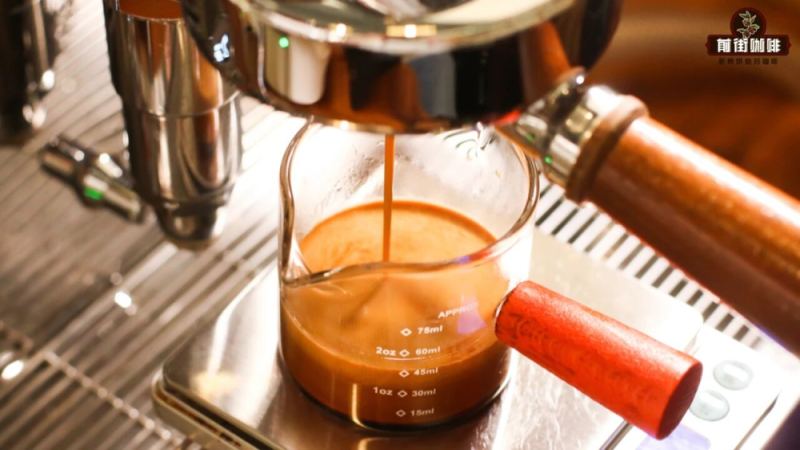
The golden-yellow oil on the surface of espresso, known as crema, is regarded by many coffee lovers as the soul marker of a good shot. Under normal conditions, the espresso should be covered by a golden-yellow crema layer about one-third of its thickness, with a creamy texture when swirled and a clear cling to the cup wall. However, many people encounter thin or even completely absent crema in practice, which may involve multiple variables such as coffee bean variety, roast level, freshness, grind size, water temperature, and espresso machine pressure. Front Street Coffee has systematically sorted through these common issues, analyzing everything from bean selection to equipment parameters, to help everyone quickly pinpoint problems in the extraction process and bring back that alluring golden-yellow crema.
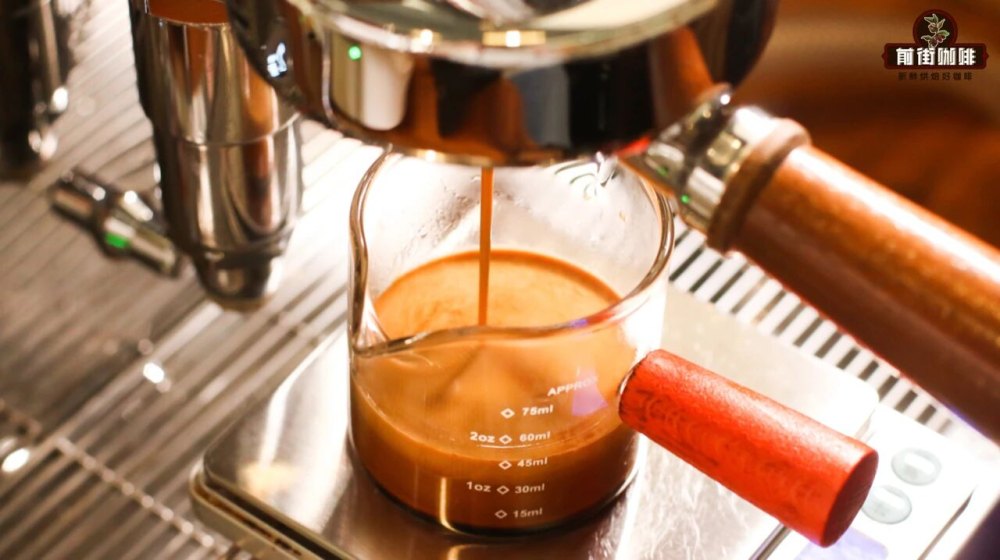
Recently, many coffee enthusiasts have consulted Front Street about espresso extraction issues, and one commonly reported phenomenon is that the extracted espresso either lacks that golden-yellow crema or has only a pitifully thin layer. For espresso, this golden crema can be said to be the soul of the entire cup, so Front Street decided to systematically sort out exactly which factors can cause the absence of crema during extraction.
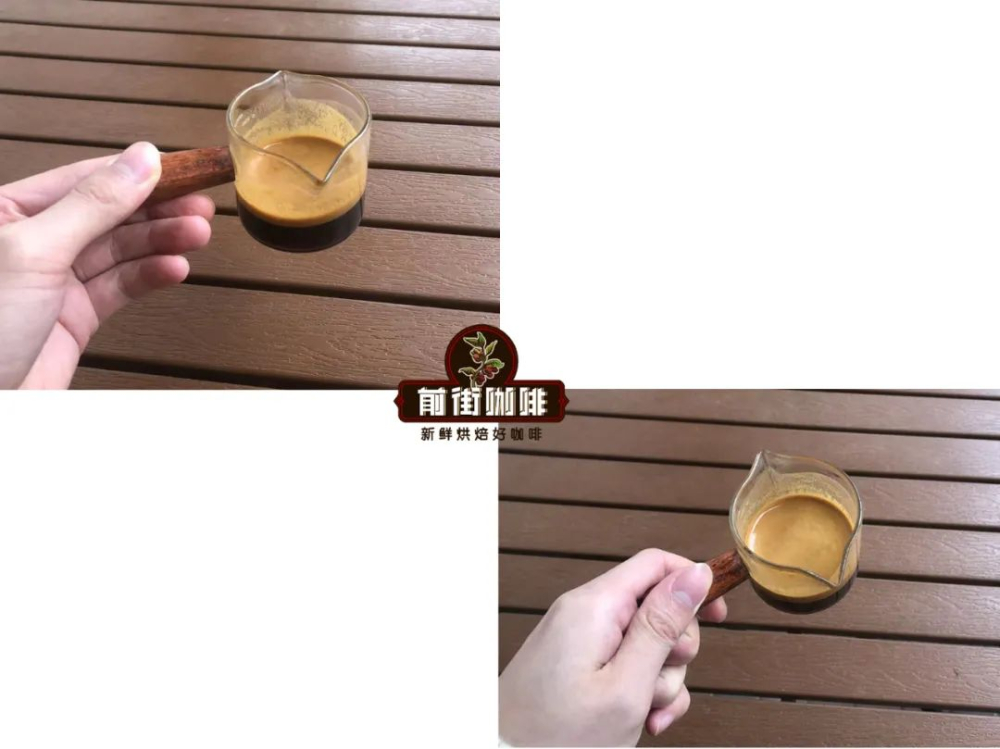
A properly extracted espresso should have black coffee liquid covered by a golden-yellow crema layer about one-third of its thickness, presenting a creamy texture when gently swirled, with an obvious cling to the cup wall.
Normal espresso state
If the extracted coffee has no crema at all, then something in the process has gone wrong—it could be the coffee beans themselves, the machine, or even deviations in parameter settings or operating technique.
What factors affect crema?
a. Coffee bean freshness
Crema is essentially formed by oils in the coffee wrapping around carbon dioxide, so by observing the amount of crema, you can also infer the freshness of the coffee beans—the richer the crema, the fresher the beans.
b. Coffee bean roast level
Similarly, assuming the same freshness, the richer the crema performance, the darker the roast level of that bean usually is.
c. Coffee bean extraction degree
The darker the crema color, the more dissolved substances have entered the coffee liquid.
d. Coffee bean variety
Different coffee varieties exhibit different characteristics, which also directly affect crema production. It is currently known that Robusta produces more crema than Arabica. For example, in Front Street Coffee's commercial blend, the roaster deliberately added about 10% Robusta beans in order to obtain a richer crema.
e. Espresso machine pressure
The reason an espresso machine can extract a rich golden-yellow crema mainly relies on 9 bar of extraction pressure; the more sufficient the pressure, the richer the coffee crema.
Front Street has sorted out some possible causes for everyone to compare and troubleshoot.
① The coffee beans are roasted too light.
Coffee beans sold on the market are generally divided into two major categories: for pour-over drip and for espresso machines. The former is mainly single-origin beans with a lighter roast; the latter is mainly blend recipe beans, and also includes SOE mainly made from single-origin beans, generally with a darker roast.
Light roast coffee crema effect: relatively thin, lighter yellow-white color
Generally speaking, the darker the roast of the coffee beans, the richer the crema performance. If you use single-origin beans intended for pour-over to make espresso, the crema will often be on the thin side, so be sure to check the intended use when purchasing.
② The coffee beans are no longer fresh.
If the espresso extraction state looks normal, then it is most likely that the coffee beans are not fresh enough. Espresso machines are actually quite picky about bean condition: beans that are too fresh produce unstable crema during espresso extraction, tend to form large bubbles, and dissipate quickly; while stale beans produce no crema at all.
Espresso extracted from stale coffee beans has scant crema
Usually, the resting period for espresso beans is about 7 to 10 days, meaning that starting from the seventh day after the roast date, the extraction state begins to stabilize. The optimal flavor period for espresso beans is about 60 days. Espresso beans over two months old basically have little aroma or flavor left, and the amount of crema also drops significantly. (The above only holds under normal storage conditions; Front Street has not yet tested nitrogen storage.)
③ The espresso machine itself does not have enough pressure.
This problem is relatively common in home espresso machines. The reason we can extract thick crema is that the espresso machine's 9 bar pressure squeezes the essence out of the puck. Some small espresso machines cannot provide stable 9 bar extraction pressure, so naturally they cannot press out thick crema.
④ The coffee grind is too coarse.
When the grind is too coarse, the crema will likewise not be rich. This situation is easy to judge: during extraction, the coffee liquid flows very quickly, accompanied by channeling-induced puncturing and spraying, the crema color is light and thin, and the espresso taste is also weaker. You can use 20 seconds as a reference standard—if twice the dose of coffee liquid is extracted within 20 seconds, it is very likely that the grind is too coarse.
The extraction process is a mess
⑤ The water temperature is too low.
Many modern espresso machines today are equipped with manual water temperature adjustment. The conventional water temperature for espresso extraction is about 93 degrees Celsius; if the temperature is too low, it may also prevent crema from appearing.
Another situation is also often encountered with home espresso machines: it may take 10 minutes or even longer from powering on to completing heating. If extraction is carried out before heating is finished, it is very likely that there will be no crema because the water temperature is not high enough, and the coffee taste will also tend toward sharp acidity.
The above content is compiled by CoffeeHunters, a coffee news website.


