







Where Does Coffee Body Come From in the Cup?
Coffee body is the sense of weight the liquid has in the mouth, ranging from thin as water to thick as milk. It tracks concentration: lower concentration reads thin, higher reads heavy. Roast level, coffee-to-water ratio, brewing time, dripper choice, and pouring technique all shift that weight, so a full-bodied cup is built across several variables rather than one.
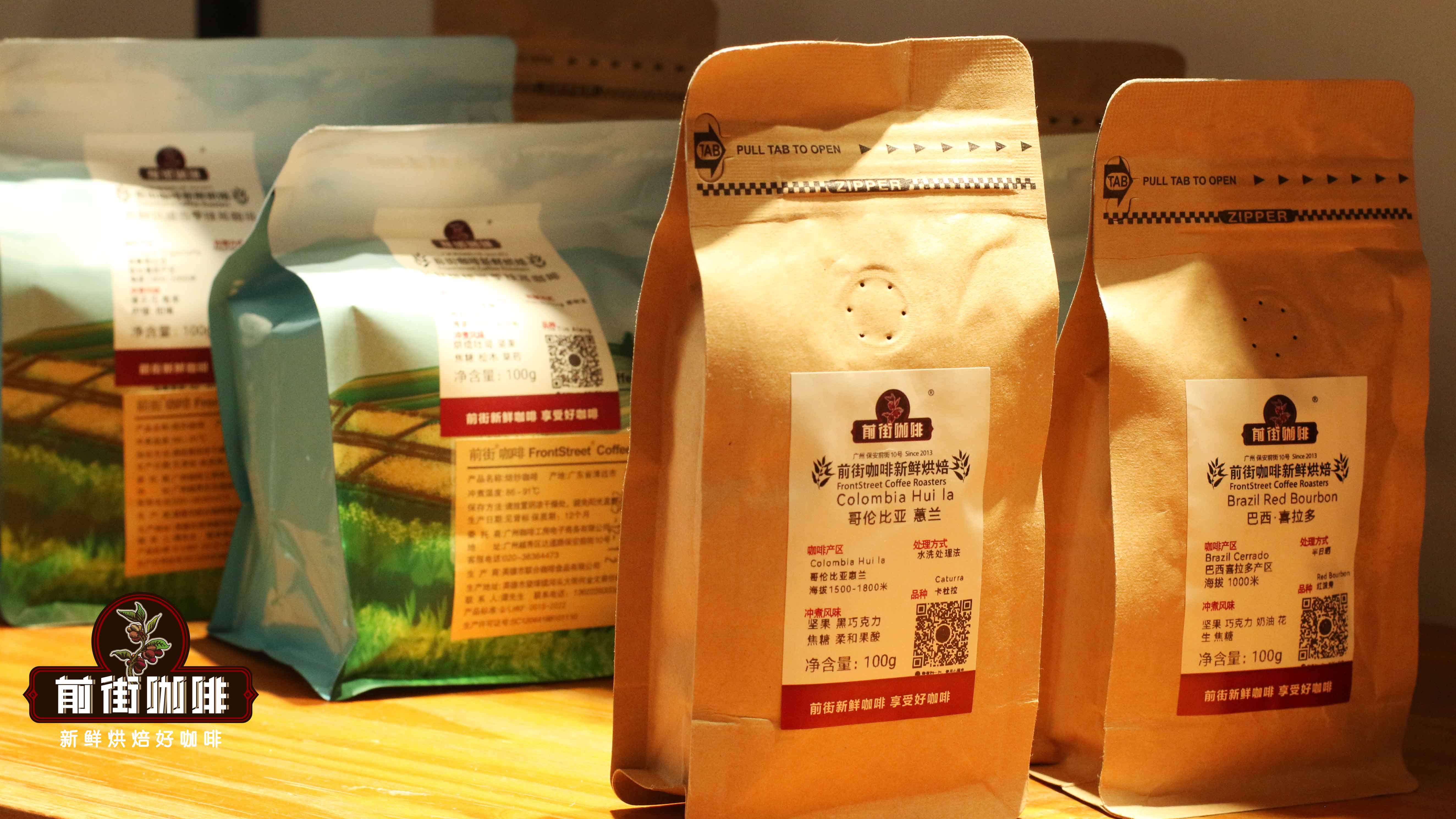
Medium-dark and dark roasts help, because deeper caramelization produces chocolate, cocoa, toasted bread, and roasted nut notes. Mandheling, Queen's Estate, Colombia Huila, Yunnan Typica, and Honduras Catuai are commonly chosen for this style. The words that describe coffee often blur body with sweetness, so it helps to separate mouthfeel from flavor when judging a cup, whatever coffee roaster types produced the beans.
When tasting coffee, we often use "rich" and "sweet" to describe a good cup, but what exactly is richness? What is mellowness? And where lies the difference between the two? In fact, this is closely related to the coffee's "body." Body refers to the sense of weight that the coffee liquid presents in the mouth—is it light as water, or thick as milk? This article will systematically explain how to brew a rich, full-bodied coffee from five aspects: roast level selection, coffee-to-water ratio, brewing time, dripper choice, and pouring technique, and recommend several dark-roast coffee beans suited to pursuing a thick flavor.
When describing the beauty of a cup of coffee, "rich" and "sweet" are extremely high-frequency words. However, what exactly does so-called "richness" refer to? How should "mellowness" be understood? Where exactly lies the difference between the two?
According to the common classification on the market, coffee bean roast levels can be roughly grouped into three types: light roast, medium roast, and dark roast. To give coffee a richer, more full-bodied taste, roasters usually choose a medium-dark roast. As the roast degree deepens, more thorough caramelization reactions occur inside the coffee beans, and the flavor often presents notes of chocolate, toasted bread, cocoa, roasted nuts, butter, maple syrup, and so on. If you prefer full-bodied-style coffee beans, the following selections are worth trying:
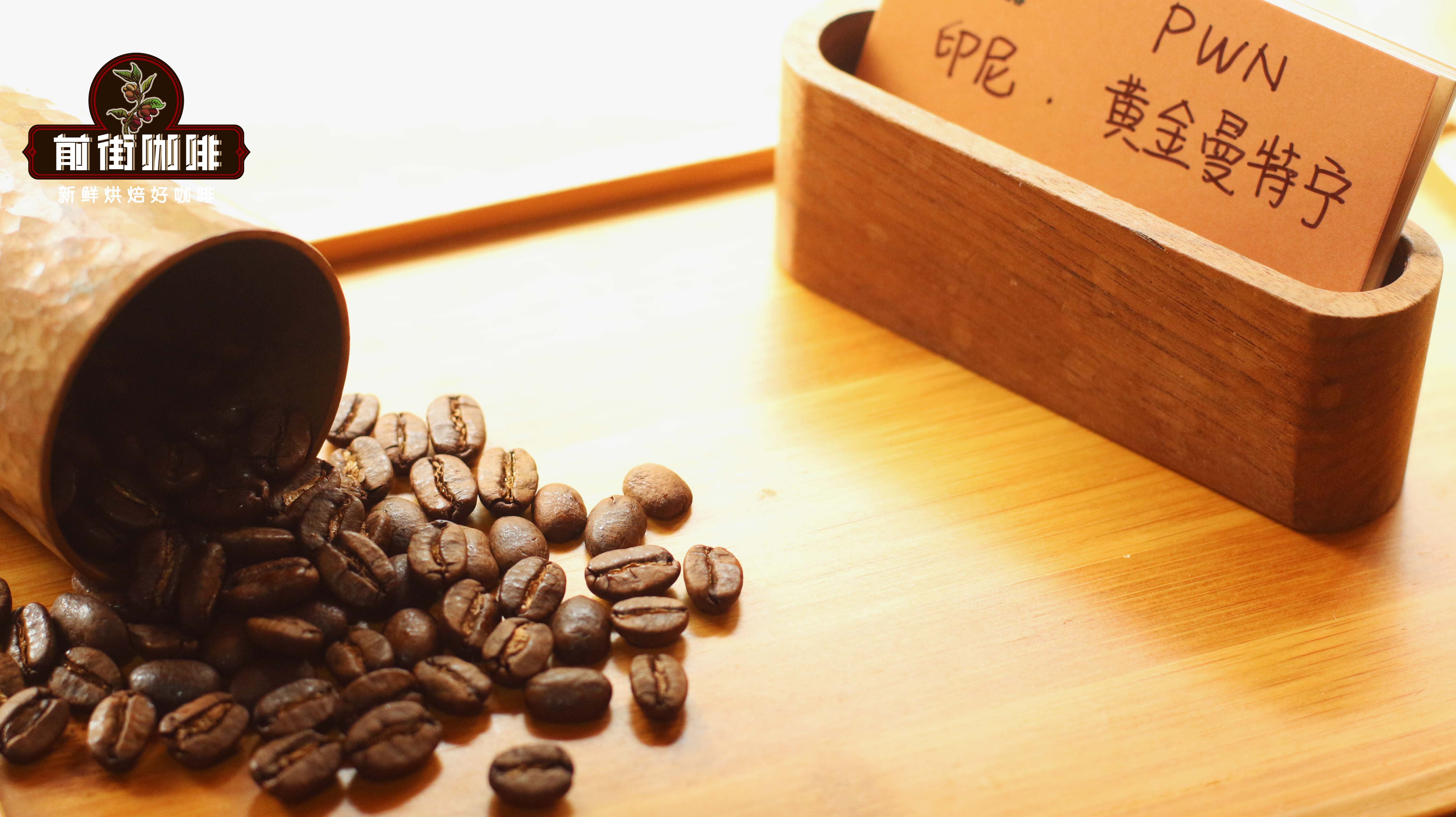
1. Front Street Coffee PWN Golden Mandheling: with a dark-chocolate-like bitter note, low acidity, rich caramel aroma, accompanied by spice and woody notes, and a full-bodied mouthfeel;
2. Front Street Coffee Queen's Estate: presenting nutty notes, mainly aromas of roasted peanuts, cocoa, and malt;
3. Front Street Coffee Colombia Huila: dark chocolate, creamy nuts, caramel flavors, with an overall balanced mouthfeel;
4. Front Street Coffee 2013 Yunnan Typica: chocolate, black tea sensation, brown sugar, clean finish, rounded body;
5. Front Street Coffee Honduras Catuai: butter toast, chocolate biscuit, cocoa.
What body describes is the sense of weight that coffee liquid brings in the mouth—whether it tends toward light or thick. This is greatly related to the concentration of the coffee liquid: the lower the concentration, the thinner the mouthfeel; the higher the concentration, the thicker it appears. Dark-roasted coffee beans, because their texture is looser, are easier to brew into a full-bodied mouthfeel. Therefore, if you usually feel that your dark-roast coffee tastes thin when brewing, you might check your brewing parameters, find the problem, and adjust accordingly.
I. Coffee-to-Water Ratio
When brewing dark-roast coffee, Front Street Coffee controls the coffee-to-water ratio within the range of 1:14 to 1:15. Once the water amount exceeds 1:15, the concentration will be diluted, and the resulting mouthfeel easily becomes thin. Therefore, keeping the ratio at 1:15 is most appropriate.
Because everyone's perception of mouthfeel, taste, and concentration differs, if you still feel this ratio is too weak and the mouthfeel is thin, you can further reduce the water amount, and a ratio of 1:13 to 1:14 is also feasible. Of course, the problem may also lie in time control.
II. Brewing Time
If you have already adjusted the ratio multiple times and the dark-roast coffee you brew is still thin, it is most likely caused by under-extraction. At this point, pay attention to the brewing time: if you use more than 15 grams of beans and the brewing time is only about 1 minute 30 seconds, it is very likely that the grind is too coarse, causing the water flow to be too fast.
In this situation, we can grind finer and control the brewing time between 2:00 and 2:30, allowing the coffee to be more fully extracted, and the mouthfeel will naturally become fuller.
III. Dripper Selection
When brewing dark-roast beans, Front Street Coffee does not use the common V60 dripper, but rather the Kono dripper. The reason is that the V60 dripper's rib design makes the water flow faster, making it more suitable for medium-light roast coffee. Medium-light roast beans require a finer grind to reveal richer flavor layers; if the dripper extracts too slowly, over-extraction is very likely. Therefore, the fast-flowing V60 dripper is more suitable for brewing medium-light roast coffee beans.

Dark-roasted coffee beans have a looser texture and higher extraction efficiency—aromatic substances are easily extracted. Therefore, a coarser grind than for medium-light roast is needed to reduce extraction efficiency and prevent over-extraction. At this point, if a faster-flowing V60 dripper is used, under-extraction is very likely.
The Kono dripper's ribs are distributed only in the lower half. This design aims to slow the water flow and can effectively prolong the immersion extraction time of the coffee grounds. It is precisely for this reason that Front Street Coffee chooses the Kono dripper as the extraction device when brewing dark-roast coffee beans, making the extraction more complete and the mouthfeel thicker.
IV. Pouring Technique
The pouring technique mentioned here does not refer to whether to use a three-pour or one-pour brewing method, but rather emphasizes that when pouring, one should try to avoid letting the water stream wash against the wall of the dripper. If the water column directly hits the wall of the dripper during brewing, what problems will that bring?
Exactly! The water will flow directly down along the wall, and what falls into the server is not extracted coffee liquid, but ordinary hot water. In this way, not only is extraction reduced, but the coffee liquid already in the server is also diluted, making the mouthfeel thin. Therefore, when pouring in circles, try to avoid washing against the wall of the dripper multiple times, so as to ensure a satisfactory final mouthfeel.
The above content is compiled by CoffeeHunters, a coffee news website.


