







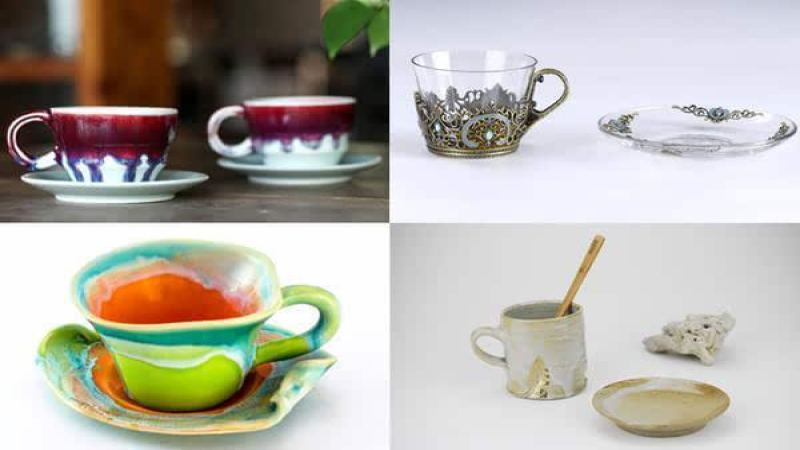
Coffee is a widely loved beverage that, beyond its rich aroma, offers numerous benefits to the body. A great cup of coffee depends not only on bean quality and extraction technique—the cup itself is an indispensable supporting player. Choose the right cup, and your coffee can make its best appearance. This article systematically breaks down how to choose a coffee cup from four dimensions: material, rim shape, wall thickness, and capacity, along with a reminder about the small detail of preheating the cup before drinking, helping beginners find the cup that suits them best.
Coffee is one of the most favored beverages in the world—rich and smooth, and with plenty of positive effects on health.
An outstanding cup of coffee requires not only quality beans and proper extraction technique—the coffee cup also plays a key supporting role. Choose the right cup, and the coffee can make its perfect debut. Why not check: is the "stage outfit" you've given your current cup of coffee the right one?
Many friends new to coffee run into a question when choosing a cup—
What kind of coffee cup makes coffee taste smoother?
First understand the categories, then judge whether you've chosen correctly.
By material:
Common coffee cup materials include ceramic, glass, and plastic. Different materials have different effects on flavor and health. The right cup can fully release coffee's strengths, while the wrong cup may waste a good coffee for nothing.
1. Porcelain cups: The most widely applicable coffee vessels, covering white porcelain, bone china, and more. The glaze is smooth, the feel is light, the tone is warm, and they can be decorated with various colors and patterns—bone china is especially thin and translucent. For specialty coffee, white porcelain cups are best for observing the color and concentration of the brew.
2. Clay cups: Fired from clay, with a rougher surface and distinct texture, carrying a rustic Zen feel, favored by coffee enthusiasts who enjoy culture and history. The downside is that coffee stains easily remain on the surface, making them troublesome to clean.
3. Glass cups: Fully transparent, with double-walled versions offering better insulation. When used for espresso as well as latte, macchiato, and other fancy coffee drinks, they clearly present the coffee's layers.
4. Plastic cups: Coffee is generally served hot, and when drinking from plastic or paper cups, the odor given off by the cup itself can easily interfere with the coffee's original aroma, thereby affecting taste. Harmful substances contained in such materials may also leach out, which is bad for health and not environmentally friendly either.
By rim:
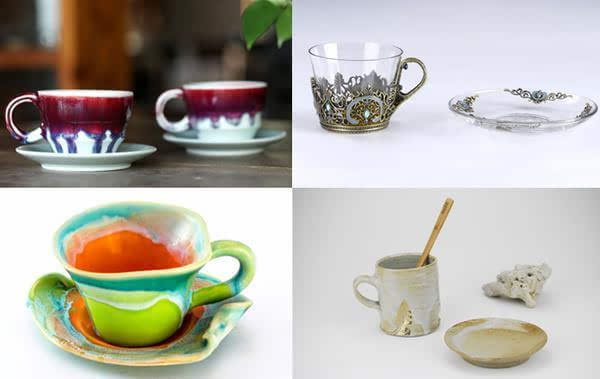
Rims fall into two categories: wide-mouth and straight. Even with the same material, different rim shapes lead to different flavors. The rim shape determines where the coffee first contacts the taste buds as it enters the mouth—and thus which flavor is perceived first.
1. Wide-mouth cups: The rim flares outward with a larger opening. The coffee can reach a broader area of taste buds, letting the tongue capture a more complete flavor, especially highlighting acidity.
2. Straight-rim cups: The rim is perpendicular to the table, so the coffee enters more concentratedly, directly hitting the sweetness zone and mid-palate area, giving a more balanced overall taste.
By wall:
Cup walls come in thick and thin options.
1. Thick-walled cups: Better heat retention, suitable for fancy coffee drinks like latte and cappuccino.
2. Thin-walled cups: A more delicate mouthfeel, suitable for single-origin coffee, allowing you to experience the flavor changes of coffee at different temperatures from hot to cool.
By capacity:
1. Small cups under 100 ml: Mostly used for Italian espresso, such as Espresso.
2. Cups around 200 ml: Mostly used for single-origin coffee.
3. Large cups over 300 ml: Suitable for fancy coffee drinks with more milk foam, such as latte.
Whether you choose by coffee type or cup material, don't forget to preheat the cup before drinking. A cold cup will affect the taste of the coffee—though iced coffee is of course an exception.
The pleasure of tasting coffee lies not only in the coffee itself—the overall visual presentation matters too. A cup-and-saucer set with fine craftsmanship and exquisite engraved patterns, holding rich, aromatic handcrafted specialty coffee, paired with a dessert—that is probably the meaning of slow living.
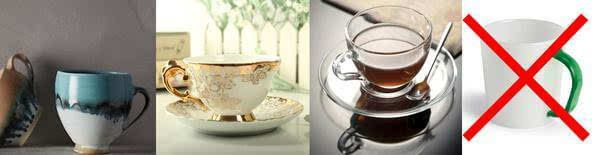
How much refinement must a green bean go through to become a good bean—have you picked out the right "outfit" for it? Don't let it go to waste.
The above content is compiled by CoffeeHunters, a coffee news website.


