







Search Results for: Material
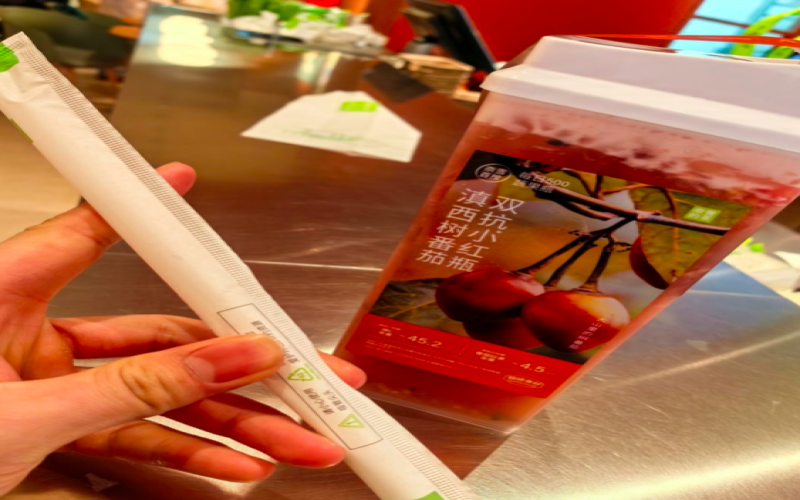
Nayuki's square takeaway cups go viral on social platforms; after upgraded store material controls, requesting them via note no longer works
The "Daily 500 Fruits & Vegetables" series recently promoted by Nayuki has sparked heated discussion on social platforms, but unexpectedly, what really catches the eye is not the flavor of the drinks, but the square packaging cups specially designed by the brand for this series. This cup, with its square shape, PP5 material, and white sealed lid, quickly became popular because of its combination of good looks and practicality, and at one point there was even a situation where "the cup is more popular than the product." Many consumers noted in their orders that they wanted the square cup, and store employees were once happy to oblige. However, as demand surged, the brand headquarters began to standardize material supply. Now, if you want a square cup, you can only pay extra through the official mini-program to upgrade the cup type. The once-circulated "note request for a free square cup" hack has completely stopped working. This article sorts out the ins and outs behind this phenomenon and explores how brands can balance material control with consumer expectations. [more…]
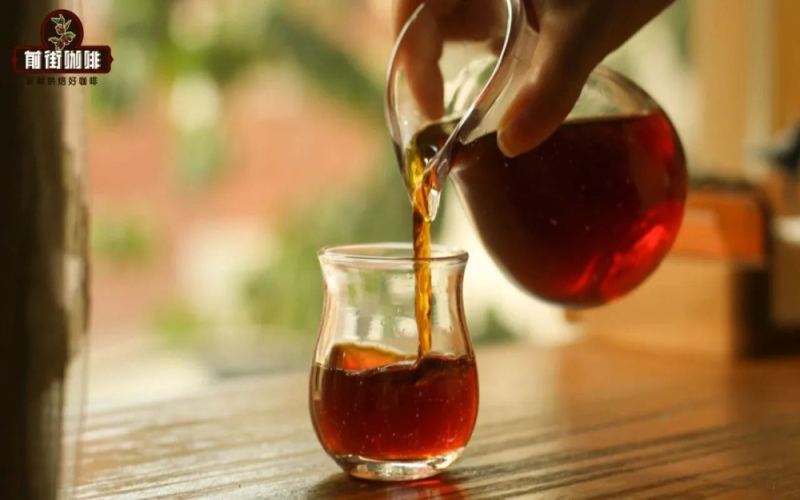
How do the material and shape of a coffee cup influence flavor? A practical guide to choosing a cup for pour-over coffee
When tasting wine, the shape, material, and even the thickness of the glass can change the sensory experience—and the same is true for coffee. A suitable coffee cup not only highlights the aroma and layers of pour-over coffee, but may also mask certain flaws. Starting from a share by Front Street Coffee, this article discusses how factors such as cup material, rim design, and wall thickness affect coffee flavor, and offers specific advice for choosing a cup for everyday pour-over. If you're used to drinking pour-over from a mug or paper cup, you may be missing out on quite a few delicate flavors. [more…]

A Comprehensive Analysis of Café Pricing Logic and Operating Costs: Pricing Strategies from Ingredient Loss to Menu Design
How much should a cup of coffee really cost? Why are prices at independent cafés generally higher than those at chain brands? This article systematically sorts out the inner logic of coffee pricing from three dimensions: café positioning, menu design, and raw material cost control. It breaks down in detail the method for calculating the original price ratio, analyzes the cost ranges of espresso beans and milk, and uses a double shot as an example to estimate the raw material cost per cup. At the same time, it offers café operators practical advice on menu planning and material procurement, helping readers understand the real considerations behind independent cafés' pricing. [more…]
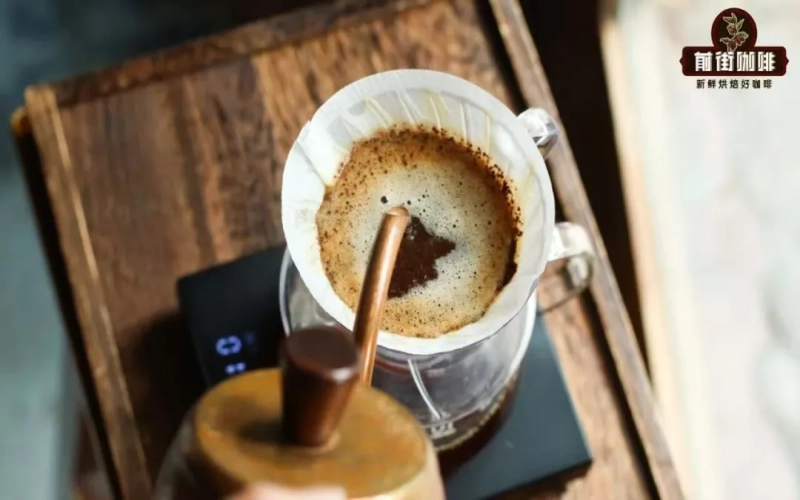
Pour-Over Coffee Dripper Buying Guide: A Full Breakdown of Bed Structure, Flow Rate, and Material, Plus Front Street Recommendations
Faced with a dazzling array of pour-over drippers, many coffee lovers often don't know where to start. In fact, the differences between drippers mainly come down to three aspects: the bed structure, the flow rate, and the material choice. The bed structure determines the evenness of extraction and the layering of flavors—cone-shaped, flat-bottomed, and wedge-shaped each have their own characteristics; the flow rate is affected by the rib design and the size of the outlet, with fast and slow rates leading to completely different flavor profiles; the material affects heat retention and price. Once you understand these differences, you can make a choice based on your personal taste preferences. Front Street Coffee will provide specific buying recommendations at the end of this article—just follow them and you can easily get started. [more…]

The Complete Guide to Buying a Dripper: The Profound Impact of Cone Shape, Internal Ribs, Hole Design, and Material on Extraction Flow Rate and Temperature Control
Faced with drippers of all shapes and sizes on the market, friends new to pour-over coffee are often baffled by names like V60, Kono, and Origami, along with materials such as ceramic, resin, and metal. This article starts from the fundamental structure of the dripper, breaking down what the cone shape, internal ribs, bottom hole, and construction material each mean. You'll come to understand that these designs ultimately point to two core factors: flow rate and temperature control, and grasping the differences in thermal conductivity and specific heat capacity can help you match a more suitable dripper to your brewing method. Front Street Coffee takes you through the principles so you no longer follow trends blindly, and find that perfect cup of coffee of your own. [more…]
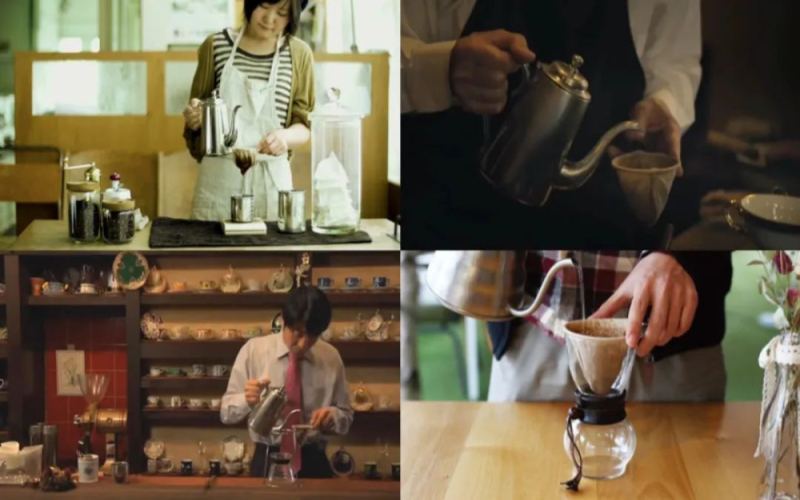
An Analysis of the Differences Between Flannel Hand Pour-Over and Paper Filter Hand Pour-Over: A Comprehensive Interpretation of the Development History and Material Characteristics of Filter Cloth
The choice of filter medium for pour-over coffee directly affects the flavor profile in the cup. Flannel filter cloth and common filter paper each have their own characteristics in the pour-over field; the former, with its unique material structure and historical heritage, has become an option for many coffee enthusiasts pursuing a rich, full-bodied taste. This article will start from the development of flannel filter cloth, systematically compare its differences with ordinary pour-over filter paper, analyze the material characteristics, usage methods, and maintenance points of flannel, and at the same time combine the practical experience of Front Street Coffee to provide readers who want to try flannel brewing with a clear reference. [more…]
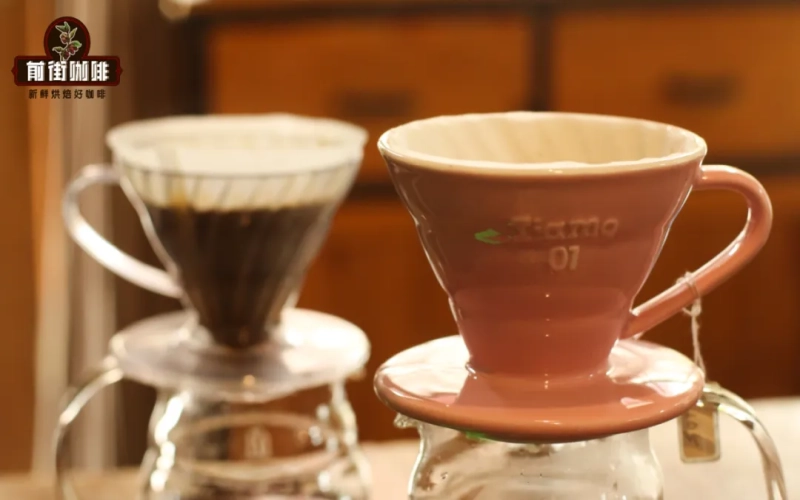
How do the material differences between ceramic and resin drippers affect the extraction results of pour-over coffee?
The material of a pour-over coffee dripper isn't just about feel and aesthetics—it genuinely changes the flavor in the cup. Front Street Coffee has shared before that the reason different dripper materials produce different extraction results comes down to two physical indicators: specific heat capacity and thermal conductivity. Thermal conductivity determines how quickly heat transfers, while specific heat capacity determines how easily a substance heats up or cools down. Together, they determine how much temperature a dripper "steals" from the hot water. This article will start from these two concepts to explain why a ceramic dripper makes coffee less bitter when it hasn't been preheated, why it's best to warm a ceramic dripper with hot water before use, and offer parameter adjustment suggestions based on actual brewing. [more…]
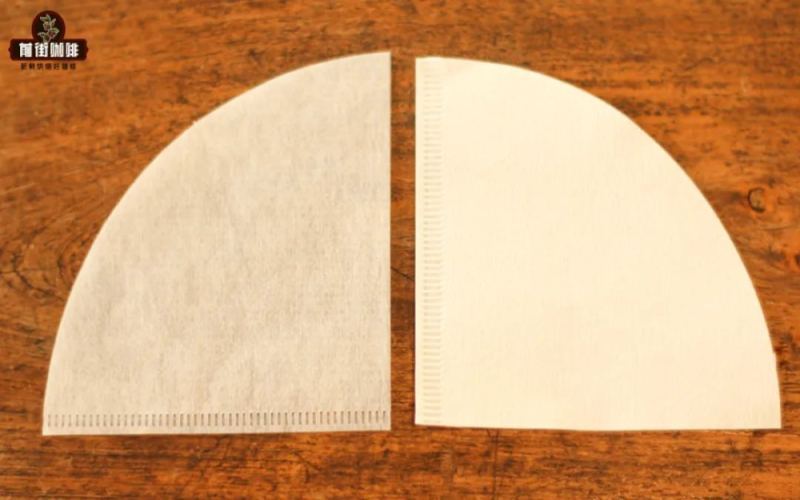
Why Is Non-Woven Filter Paper for Brewing Coffee So Niche? A Full Analysis of Material Properties, Measured Flow Rate, and Flavor Differences
In pour-over coffee, wood pulp filter papers are almost absolutely dominant, but have you ever noticed another material—non-woven fabric filters? They are actually widely found in the filter bags of drip coffee bags, yet are rarely used on their own for pour-over. This fabric is made from composite fibers through a special process, and its gaps are larger than those of wood pulp filter papers, allowing some coffee oils to be retained and giving the brew a fuller body. However, it also has a troublesome characteristic: after contacting water, it somehow stays dry as if coated with wax, and must be repeatedly rinsed with hot water before it will fit snugly against the dripper. Through actual testing, Front Street Coffee found that non-woven fabric filters are almost the same as wood pulp ones in flow rate, but the brewed coffee is more turbid in color and heavier in flavor, even carrying a slight feel of flannel filter cloth. If you are curious about how this niche filter paper performs, this article will take you through it. [more…]
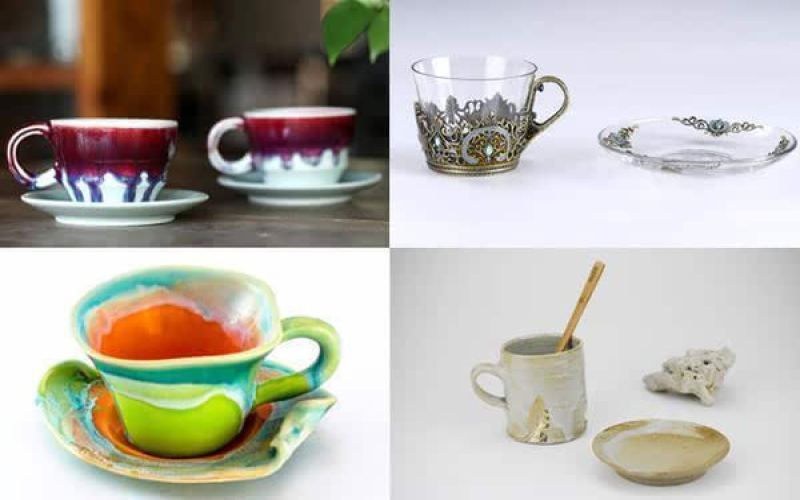
The Complete Guide to Choosing a Coffee Cup: How Material, Rim, Wall Thickness, and Capacity Affect Flavor
Coffee is a widely loved beverage that, beyond its rich aroma, offers numerous benefits to the body. A great cup of coffee depends not only on bean quality and extraction technique—the cup itself is an equally important supporting player. Choose the right cup, and your coffee can present itself at its very best. This article systematically breaks down how to choose a coffee cup from four dimensions: material, rim shape, wall thickness, and capacity. It also reminds you of the small detail of preheating the cup before drinking, helping beginners find the cup that suits them best. [more…]
Pour-Over Kettle Buying Guide: A Detailed Look at Spout Shapes, Material Differences, and Brand Recommendations
The heating up of the single-origin coffee market has driven the diversified development of pour-over equipment. Faced with numerous brands such as Kalita, Hario, and Bonavita, as well as different kettle shapes like fine spout, gooseneck, and flat spout, beginners often find it hard to choose. This article approaches the topic from two major dimensions—spout inner diameter and material characteristics—to systematically sort out the pros and cons and applicable scenarios of various pour-over kettles. Combined with the hands-on experience of several baristas, it also reviews popular models such as the Hario Cloud kettle, Bonavita gooseneck kettle, Kalita copper kettle, and Melitta pour-over kettle. Whether you are a novice just getting into pour-over or an enthusiast seeking advanced equipment, you can find a direction that suits you. The article also includes practical advice from Front Street Coffee. [more…]
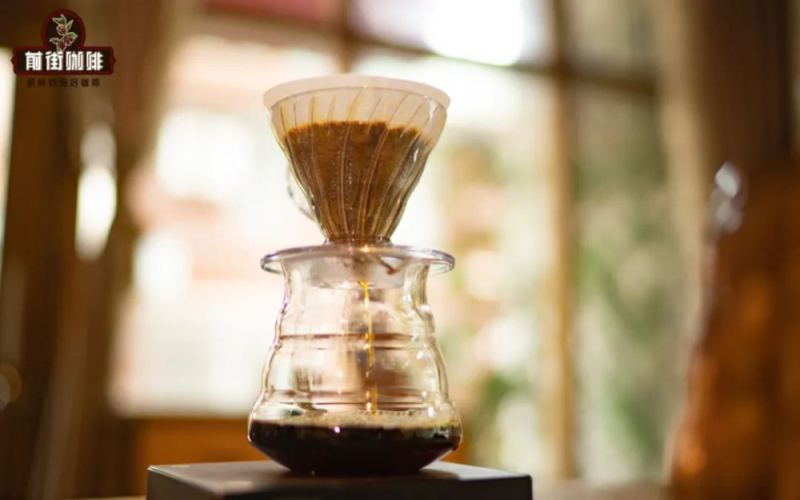
How Does Filter Cone Material Affect Coffee Extraction? Analyzing Brewing Differences Through Thermal Conductivity and Specific Heat Capacity
Coffee filter cups on the market come in a wide variety of materials—resin, glass, ceramic, and metal each have their own fans—but what real impact do different materials actually have on brewing? Many people's first thought is the price difference, but setting aside cost, the most core difference between materials lies in their ability to control temperature. Thermal conductivity determines how quickly heat is transferred, while specific heat capacity relates to how much heat an object can store. Together, these two physical parameters directly change the temperature performance of hot water during the extraction process. Metal conducts heat fastest but also dissipates it quickly; ceramic has a high specific heat capacity but needs thorough preheating; glass performs mildly; and resin, because it absorbs heat slowly, has almost no effect on water temperature. In this article, Front Street Coffee will break down the characteristics of four common filter cup materials one by one, and combine them with the actual differences in flow rate among V60 versions made of different materials, to help everyone understand why you cannot simply copy extraction formulas from the internet, but should instead flexibly adjust your brewing strategy according to the material of the filter cup in your hands. [more…]
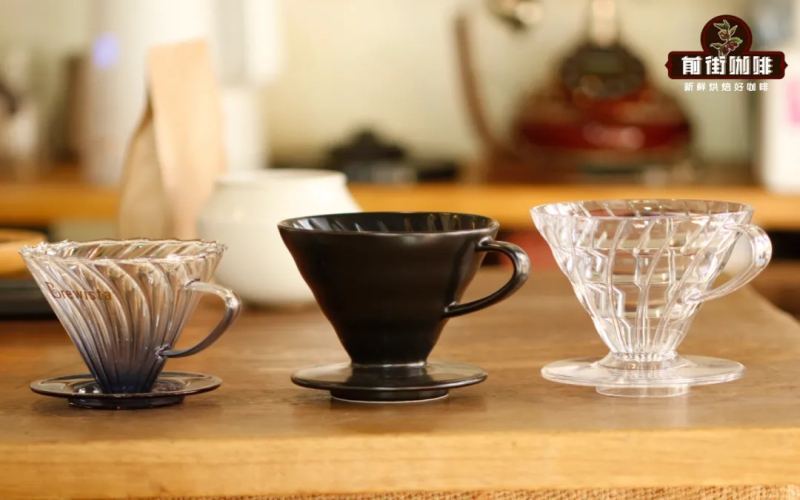
How to Choose the Material for a Home Coffee Dripper? A Hands-On Test of Resin, Glass, and Ceramic V60 on Heat Retention, Flow, and Flavor Differences
Faced with the dazzling array of V60 drippers on the market, many pour-over beginners are puzzled: they're all drippers, so why is there such a big price gap between resin, glass, and ceramic—does the coffee brewed really taste different? This time, Front Street Coffee specifically conducted a comparative test, using Ethiopian Yirgacheffe Gudingding washed beans, and under the same dose, water temperature, grind size, and coffee-to-water ratio, examined the heat retention performance, flow rate, and final flavor direction of three dripper materials. The article not only provides coffee bed temperature data without preheating and after thorough preheating, but also explains in detail how different materials affect the extraction rhythm, helping you choose the dripper that is truly suitable for home use based on the beans you usually drink and your budget. [more…]
Filter Cup Buying Guide: How Material, Flow Rate, Shape, and Functional Design Affect Pour-Over Coffee Flavor
The popularity of pour-over coffee is inseparable from the dripper, a key piece of equipment. From Mrs. Melitta's accidental experiment with blotting paper and a copper bowl to today's dazzling array of drippers, choosing a suitable one has become a source of confusion for many coffee lovers. Front Street Coffee starts from four dimensions—material, flow rate, appearance design, and functional design—and, combining hands-on testing data with in-store experience, analyzes the specific effects of different drippers on extraction temperature, water flow speed, and coffee flavor layers. Whether you seek stability and beginner-friendliness or wish to finely control the direction of flavor, this article will provide you with practical purchasing ideas and references. [more…]
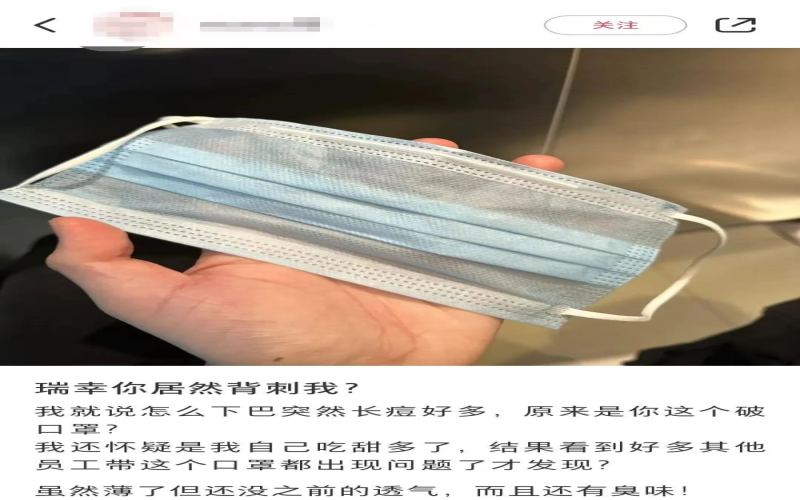
New masks at Luckin Coffee stores cause skin problems for employees, lightweight material suspected as the source of irritation.
In the food service industry, it is already the norm for employees to wear masks at work. However, during the hot summer days, keeping one's mouth and nose covered under a mask for long periods inevitably causes discomfort. Recently, employees at Luckin Coffee stores noticed that the new masks distributed by headquarters differ noticeably from the old version—lighter in color and thinner in material, yet breathability does not seem to have improved as expected. After wearing them for a few days, many employees developed red bumps and itching on their chins and cheeks, and some suspect this batch of "veil masks" is the culprit behind their skin breakouts. Employees also reported that the new masks have an odor, and a few sensitive individuals experienced itching in the nose after putting them on. Everyone worries that these thin masks not only have questionable protective effectiveness but may also trigger allergies due to material issues. Some employees have already said they will buy their own masks as replacements. Although requiring masks is intended for food safety reasons, the skin problems reported this time may be worth Luckin re-examining the quality of its masks. [more…]

The Logic Behind Coffee Pricing: What Is the Cost of a Cup? Store Menu Pricing Formulas and Cost Control Strategies
Many consumers have noticed that coffee shop menu prices are becoming increasingly baffling. An Americano easily costs 30 yuan, and a specialty drink can easily exceed 40 yuan, leaving people feeling "stung" when they pay the bill. So, what exactly makes up the cost of a cup of coffee? And how should independent cafés scientifically price their products? This article examines store positioning, menu design, raw material costs, and original price ratio calculations to sort out the basic logic of coffee shop pricing, and provides reference cost ranges for espresso beans and milk, helping coffee lovers and industry professionals better understand the economics behind a cup of coffee. [more…]
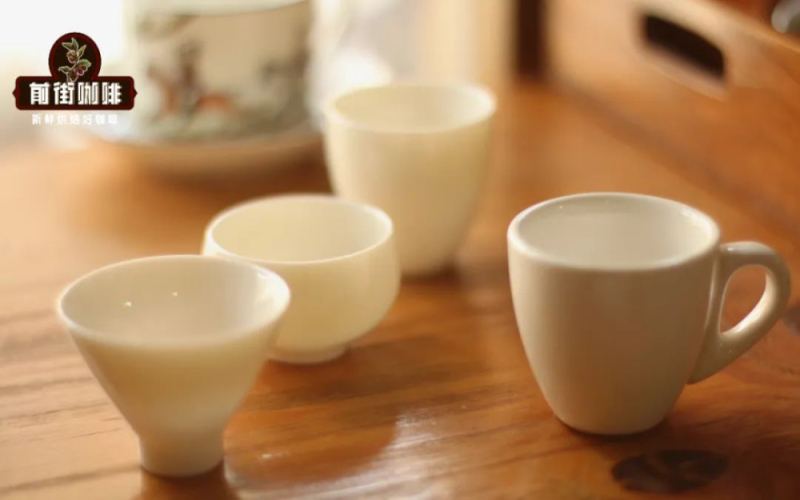
The Complete Guide to Choosing a Coffee Cup: How Material, Thickness, and Rim Shape Shape the Tasting Experience of Espresso, Latte, and Cappuccino
When it comes to drinking coffee, besides the beans and brewing method, the cup is also an aspect that cannot be overlooked. This article starts from three dimensions—material, thickness, and the shape of the cup body and rim—to systematically sort out the actual effects of different coffee cups on visual appeal, heat retention, and taste perception. You will learn what scenarios glass, ceramic, and stainless steel are each suited for, which flavors open-mouth cups, straight-bodied cups, and tapered cups can respectively amplify, and why Front Street pairs specific cup types when recommending single-origin coffees such as Red Cherry, Geisha Village Flower Queen, and Mozart. Whether you are a collector or just starting out, this cup-selection guide can help you find the vessel best suited to the cup of coffee in front of you. [more…]
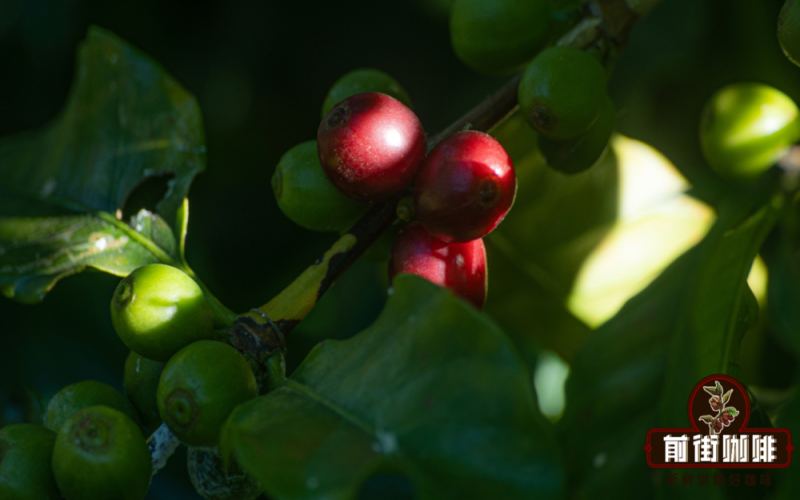
Why Are Yunnan Coffee Beans Mostly Used as Instant Coffee Material? Beginner's Guide to Yunnan Small-Bean Coffee Pour-Over Recommendations
Yunnan, as China's most important coffee-producing region, has long been labeled a "raw material for instant coffee," a reputation rooted in complex historical and varietal reasons. From the initial cultivation of Typica to the later large-scale promotion of Catimor, the fate of Yunnan coffee has been closely tied to disease resistance, yield, and market demand. Because Catimor carries Robusta lineage, it tends to have insufficient aroma and a heavier bitterness, making it the primary source for instant coffee. However, with the spread of specialty coffee culture in China and the government's growing emphasis on the coffee industry, Yunnan's coffee cultivation and processing methods are becoming more scientific, and single-origin pour-over beans are increasingly appearing in consumers' view. This article will trace this history and recommend two typical Yunnan arabica coffee beans for beginners—Front Street Yunnan Arabica Coffee Beans and Front Street 2013 Sun-Dried Typica Coffee Beans. [more…]
How the material, thickness, and shape of a coffee cup shape the drinking experience and flavor perception
Have you also collected a bunch of exquisite and good-looking coffee cups, yet always find yourself unsure which one to pick when brewing coffee? In fact, the material, thickness, and rim shape of a cup each have their own nuances. Although they won't change the concentration or flavor compounds of the coffee liquid, they can influence our visual perception, temperature, and mouthfeel through their structural characteristics. This article follows the perspective of Front Street Coffee, breaking down everything from materials and wall thickness to different forms such as wide-mouth, straight-sided, and tapered cups, helping you understand what kind of coffee each cup is suited for, while also discussing the exceptional strengths and sole weakness of those professional tasting cups used in competitions. [more…]

Shanghai Auntie Franchisees Speak Out Against the Brand: Disputes Over High Material Prices and Fines Spark Store Closure Crisis — Who Bears the Risk?
Recently, Southern Metropolis Daily reported that a banner reading "Be cautious about franchising, I've lost everything" appeared in front of an Auntea Jenny franchise store in Ningbo, Zhejiang, quickly sparking public attention. The franchisee claimed that they were heavily fined by the company for purchasing materials from outside sources, and subsequently three stores were unilaterally closed; the brand responded that the closures were mainly due to poor management and had no direct connection to the brand. Both sides stick to their own accounts, and behind the incident lie deep-seated contradictions in the franchise model regarding material pricing, penalty mechanisms, and store subsidies. This article sorts out the sequence of events, presents both sides' statements and industry observations, for the reference of coffee and tea beverage practitioners. [more…]

Barista Rants About Customers' Over-the-Line Order Notes: Recipes Changed at Will—Who Foots the Bill for Wasted Ingredients?
When ordering at a coffee shop, many customers are in the habit of writing personalized requests in the remarks section, from no ice or less ice to adjusting the number of syrup pumps, and these operations are still manageable for baristas. However, when the remarks escalate into requests to add extra ingredients outside the recipe, even down to precise milliliters and spoon counts, coffee workers find themselves in a dilemma. On the one hand, they worry that refusing will lead to a bad review; on the other, they face accountability pressure from material loss. This contradiction is especially prominent in chain brands with strict material controls. This article will take an in-depth look at the real dilemma behind this phenomenon and present the true voices of baristas. [more…]