








How does the pouring circle size change coffee flavor?
Pouring in large circles thins the coffee bed wall and produces a livelier, lighter, softer cup. Pouring in small circles or straight into the center builds a thicker wall and yields a heavier, richer, more concentrated flavor. The size of the circle changes heat loss and the flow path, so the same coffee tree beans can taste noticeably different.
Two mechanisms drive this. Larger circles mean a longer water path and more heat loss, so the actual extraction temperature runs about 0.5 degrees lower than with small or center pours; stronger stirring lowers it further. The V60's spiral ribs also channel liquid along a set path, so keep pours near the dripper edge without breaking through the coffee bed wall.
The pouring technique for pour-over coffee may seem simple, but in reality it has a subtle yet crucial impact on the final flavor. Pouring in large circles versus small circles creates walls of coffee grounds with different thicknesses, which in turn changes the temperature and water flow path during extraction, ultimately producing distinctly different flavor directions. Based on Front Street Coffee's brewing practice, this article analyzes in detail how the size of the pouring circle affects the thickness of the coffee bed wall, the actual extraction water temperature, and the role of the V60's spiral ribs, and gives specific pouring suggestions for light-roast and dark-roast coffee beans respectively, helping enthusiasts flexibly adjust their technique according to the flavor goal they want.
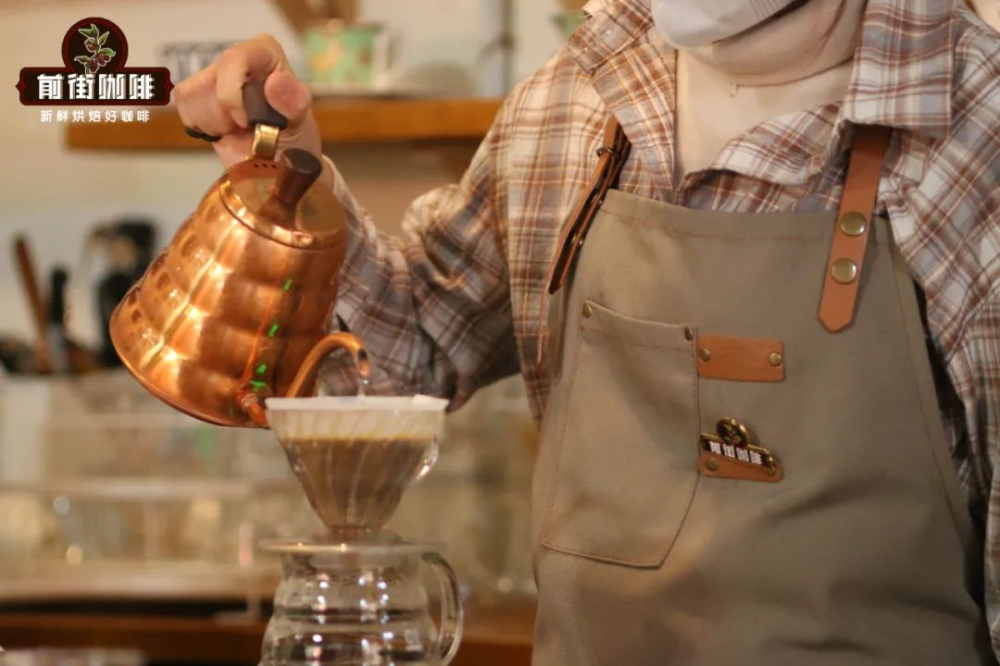
When pouring in circles, Front Street Coffee tries to stay as close to the edge of the dripper as possible without breaking through the coffee bed wall, while that friend pours in circles the size of a coin. The most immediately visible difference is the thickness of the coffee bed wall: pouring in large circles makes the wall thinner, while pouring in small circles makes it thicker.
Thin coffee bed wall ⬆️ Thick coffee bed wall ⬇️
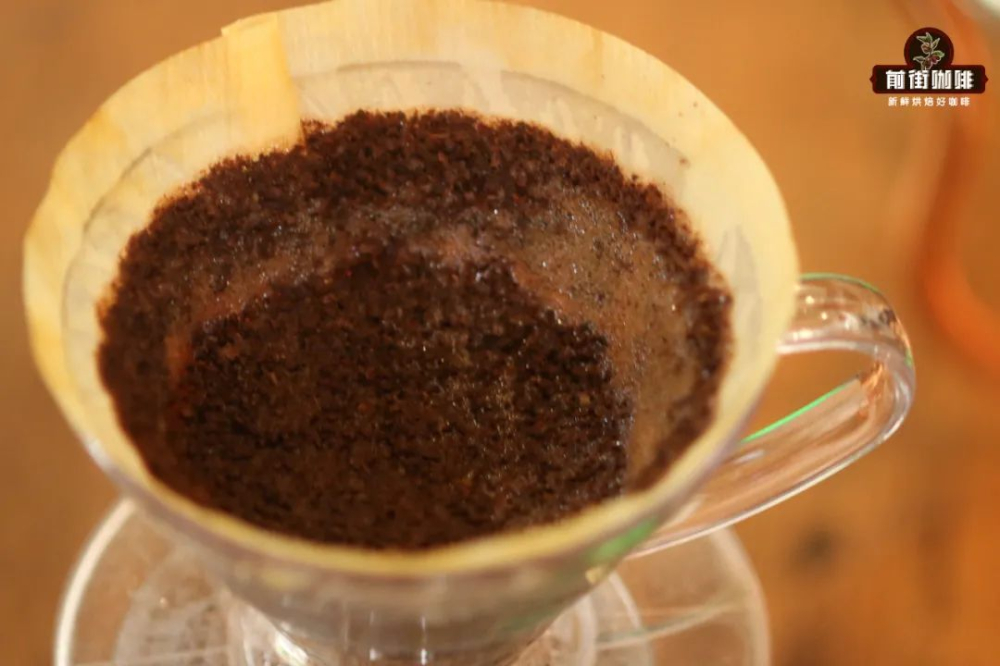
So, does this affect the coffee's flavor? Here is the conclusion first: yes, it does. Pouring in large circles makes the coffee's flavor more lively, light, soft, and comfortable, while pouring in small circles makes the coffee's flavor more heavy, rich, and concentrated. There are two main effects. The first is temperature: center pouring or pouring with a small circle size results in a slightly higher actual water temperature than pouring with a large circle size (about a 0.5 degree difference). More precisely, the larger the pouring circle, the more heat is lost from the water. This is because the longer the path the water stream travels, the more heat the water loses. Stirring also affects the actual extraction temperature: the stronger the stirring, the lower the actual extraction water temperature. (Those with a practical spirit can insert a thermometer into the coffee bed to measure the temperature.) The second is the characteristic of the V60. The V60's spiral ribs are designed to let the coffee liquid flow along a set path and avoid clogging. In the past, Front Street Coffee often said not to break through the coffee bed wall, otherwise the water would just slip away from the side; this is the same principle.
But without breaking through the coffee bed wall, the spiral ribs still perform their guiding function. The coffee liquid flowing down from the side is "incomplete coffee liquid," which in theory (tasted on its own) is not a good flavor, but once integrated into the whole, it makes the coffee appear lively, light, soft, and comfortable.
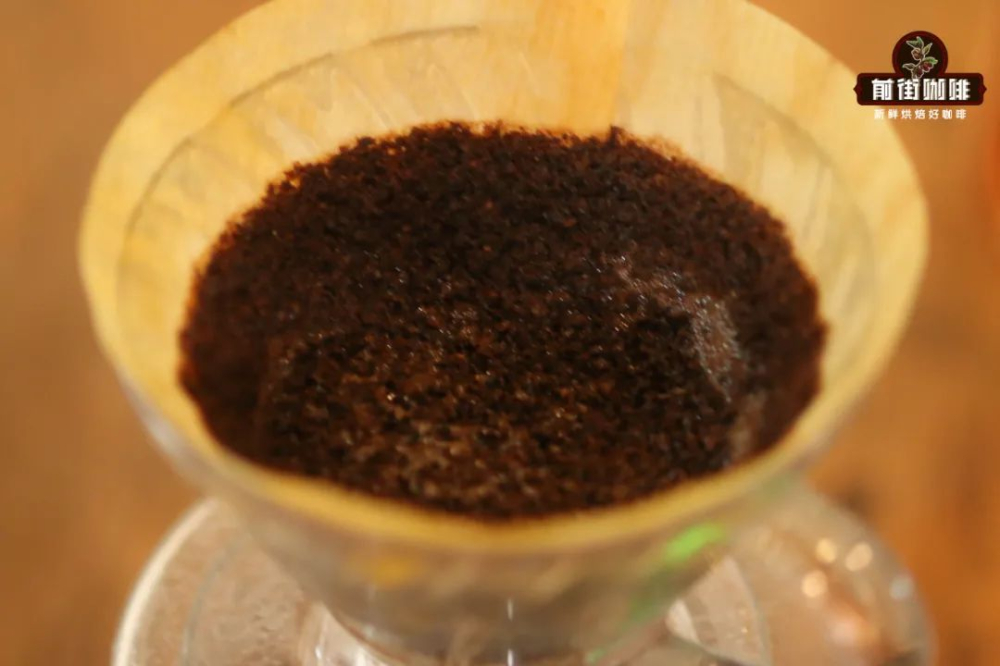
Pouring in small circles, however, dissolves coffee substances more comprehensively, so the flavor is concentrated, rich, and full.
Therefore, it is not a question of which is better, but of using different methods for different requirements. For example, when Front Street Coffee brews light-roast coffee beans, in order to highlight a light, lively acidity, you can, in the first pour after blooming, pour in circles from the center outward (like a mosquito coil), rinsing all the coffee grounds on the surface so that evenly colored coffee foam appears across the surface; subsequent pours should then follow a concentric circle at 2/3 of the liquid surface radius.
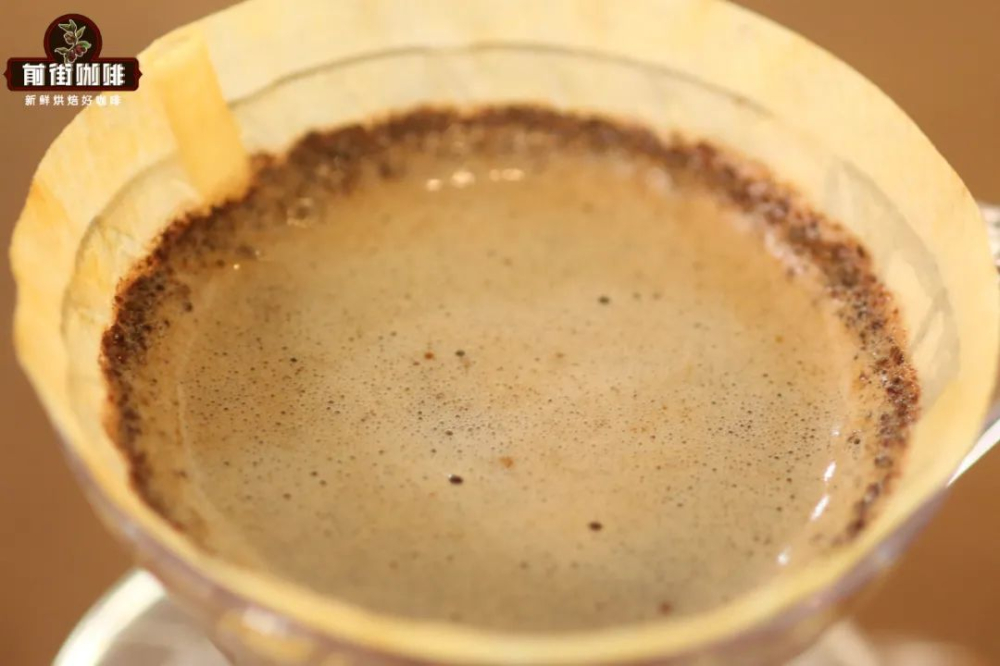
When brewing dark-roast coffee beans, however, the goal is often to present a heavy mouthfeel and a rich, steady flavor. You can use the small-circle pouring method. Because dark-roast coffee has more gas, even if you only pour in small circles, the coffee foam will surge out and cover the liquid surface. In the pour after blooming, start pouring from the center, slowly spiral outward to 1/2 of the radius, and keep pouring circles of the same size until the pour is finished.
The above content is compiled by CoffeeHunters, a coffee news website.


