







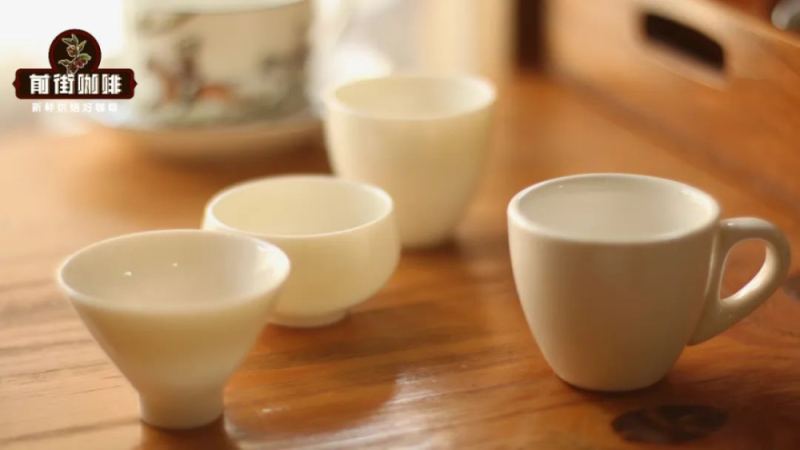
When it comes to drinking coffee, besides the beans and the brewing method, the cup is equally an aspect that cannot be overlooked. This article starts from three dimensions—material, thickness, and the shape of the cup body and rim—to systematically sort out the actual effects different coffee cups have on visual perception, heat retention, and taste perception. You will learn what scenarios glass, ceramic, and stainless steel are each suited for, which flavors open-mouth cups, straight-body cups, and tapered-mouth cups can amplify respectively, and why Front Street pairs specific cup types when recommending single-origin coffees such as Red Cherry, Geisha Village Hualei, and Mozart. Whether you are a collector or just starting out, this cup-selection guide can help you find the vessel best suited to the cup of coffee you have right now.
For more specialty coffee knowledge, please follow: Front Street Coffee (Frontsteet Coffee)
I dare bet that most of you who clicked on this article are also "cup hoarders" who fall in love with every new one you see, with a pile of exquisite, beautiful coffee cups at home yet never finding a reason to rotate them all into use. No worries—today, follow Front Street as we reacquaint ourselves with your treasures from several different dimensions, and next time you brew coffee, you'll know exactly whose number to call.
Let's get one thing straight first: what material the cup is made of, how large its capacity is, whether it is deep or shallow, what shape it has, and whether the wall is thick or thin—none of these will change the concentration of the liquid in the cup, nor will they add or remove flavor compounds in it. They merely use the vessel's own structural characteristics to let us gain a richer sensory layering when drinking coffee. In other words, if the coffee itself was brewed badly, even swapping in the most expensive and refined cup won't save the taste.
So without further ado, let's dive straight into today's "Cup Selection Convention."
Cup Material
In terms of production material, the most common coffee cups are glass, ceramic, and stainless steel (metal), along with relatively rarer plastic cups, wooden cups, and bamboo cups.
The first layer of difference brought by material shows up visually. For example, a transparent glass cup lets you directly observe the color of the coffee liquid: after light passes through, one showing wine-red is mostly a medium-dark roast bean, while one leaning orange-red is mostly a light roast. Opaque materials like ceramic and metal, by contrast, usually only preserve coffee's original dark brown.
The second layer of difference lies in heat retention. Materials with stronger heat absorption, if preheated in advance, can provide the liquid with residual warmth so it doesn't cool too quickly. Especially in winter, Front Street habitually uses a warmed ceramic cup for coffee—it warms your hands and slows the cooling pace, letting you calmly appreciate the gradual shifts in flavor across different temperature ranges. By comparison, glass, stainless steel, plastic and other materials perform worse at heat retention and dissipate heat faster.
The third layer of difference concerns taste—here mainly referring to stainless steel and plastic. Compared with other materials, stainless steel cups often carry a distinct metallic note, while plastic cups tend to accumulate off-flavors after prolonged use; both interfere with coffee's cleanliness and aroma appreciation.
Cup Thickness
The thicker the cup wall, the more room there is for heat absorption, and the better the heat retention. Take the ceramic cups common in coffee shops: if used to hold hot milk coffees like cappuccino or latte, a thick wall can support the milk foam and keep it from spilling over; when you sip, your lips can wrap around the rim, delivering a rounder, fuller mouthfeel.
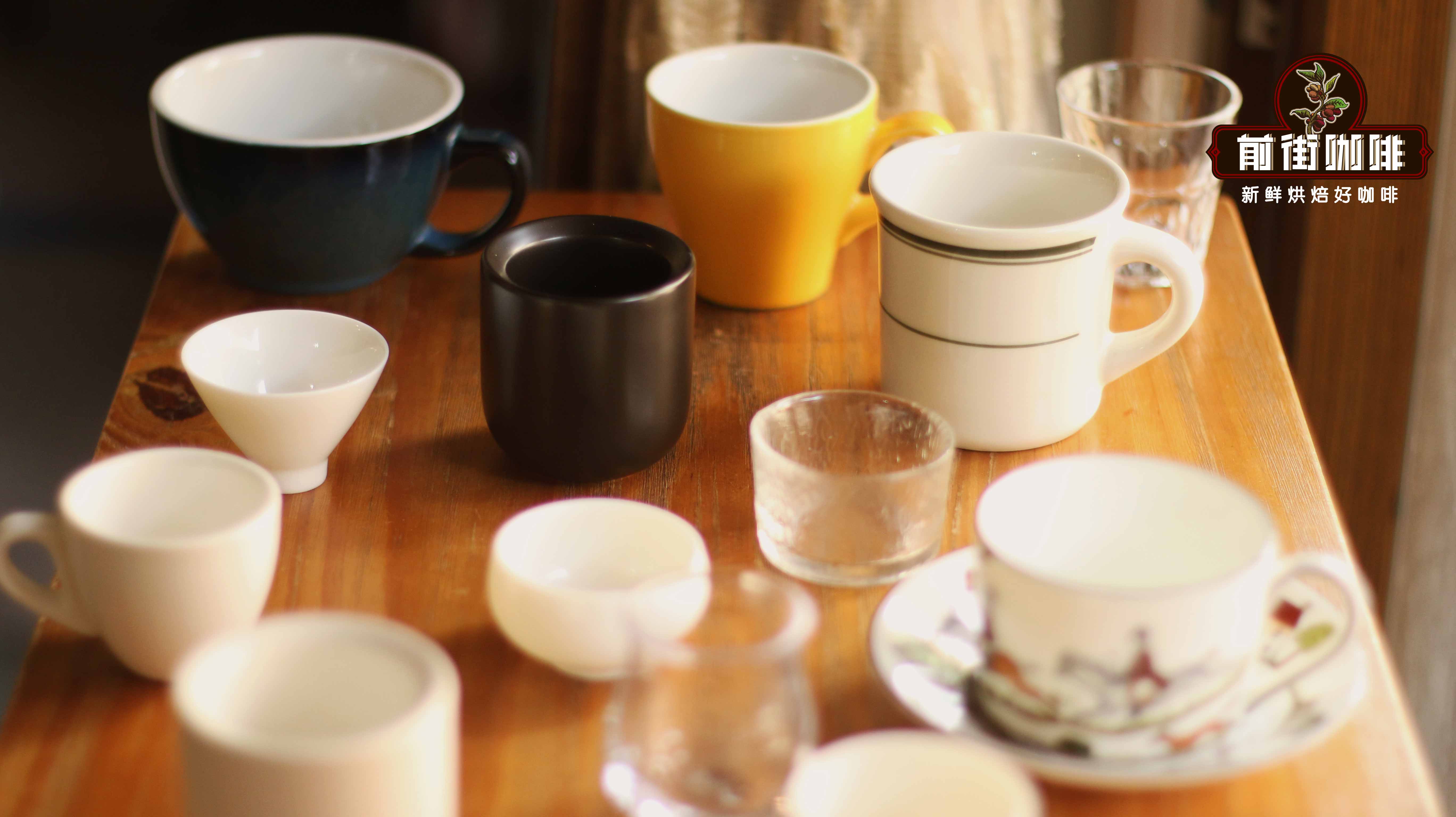
In addition, some manufacturers deliberately thicken the cup body to improve grip, with an internal trapezoidal structure that balances aroma concentration and drinking experience. As for the lighter-textured bone china cup, coffee flows smoothly into the mouth, and the thin rim makes it easier to capture delicate aromas when the liquid meets the palate—for example, the floral and citrus-toned Front Street Red Cherry Coffee and Front Street Geisha Village Hualei Coffee.
The Shape of the Cup Body and Rim
Different areas of the tongue have different roles: the tip is mainly responsible for sweetness, the mid-sections on both sides are the sourness zone, the part near the tip mainly receives saltiness, and the base of the tongue is most sensitive to bitterness. What a cup's rim looks like directly determines where the liquid first touches the tongue.
An open-mouth cup, also called a flared cup, has a relatively large diameter, wide at the top and narrow at the bottom, with the wall inclined outward at about 45 degrees overall, shaped like a bamboo hat.
Drinking coffee from it, the liquid's contact surface with air is larger, and the cut-opening shape lets coffee spread out more when entering the mouth; some cups further flare the rim to lengthen the liquid's flow path. The coffee first passes the sides and tip of the tongue, so sourness and sweetness are more easily noticed, and the acidity appears brighter. The open rim accelerates cooling, making the layers across temperature zones more distinct—better suited to beans with bright fruit acidity, such as Front Street Panama Geisha Coffee and Front Street Kenya Little Tomato Coffee.
A straight-body cup has a diameter neither too large nor too small, with straight walls from belly to rim and a bottom that gradually narrows; the typical large-capacity representative is the mug.
The straight-line shape lets coffee flow into the mouth in a concentrated way, giving a stronger sensory impact on the palate. At medium-high temperatures, coffee concentration is higher, and the mouthfeel is fuller and more solid. Straight-body cups perform so-so in the aroma stage, but the longer body can slightly slow cooling, so the taste doesn't change too quickly—suited to beans with a more balanced acidity, sweetness, and bitterness, such as Papua New Guinea Bird of Paradise and Guatemala La Flor.

A tapered-mouth cup, also called an arhat cup, has a rim that curves inward, a belly that bulges outward, and both bottom and top narrowed.
The tapered design requires us to lift the cup and raise the chin when drinking, forming the mouth into a forward-puckered state similar to sipping, so the liquid distributes more evenly in the mouth. The wide body and concave rim let the aroma spread out at the widest point and then gather at the rim, which is extremely favorable for smelling. Especially when drunk at medium-high temperature, it lets you feel coffee's viscosity and sweet aftertaste well—suited to single-origin coffees that emphasize a solid aroma, like Front Street Mozart Coffee and Front Street Sidra Coffee.
Beyond these conventional cup types, in competitions or experience-focused cafés, pairing pour-over coffee with serving cups also borrows tricks from wine glasses, combining the advantages of different cup shapes to design coffee tasting cups with even better sensory experience—for example, Origami's custom coffee aroma cup and Kruve's glass coffee tasting cup.
The benefits of such professional vessels are considerable: enhanced aroma experience, stable temperature, easy drinking, and highlighted sweetness. As for drawbacks, there's probably only one—the price isn't exactly friendly.
The above content is compiled by CoffeeHunters, a coffee news website.


