







How do Golden Mandheling coffee beans work in a pour-over?
Dark roast coffee beans can be brewed as pour-over, but they need different settings than medium or light roasts. Dark roasts have a looser bean structure and extract a heavier body, so a thin cup usually points to the brewing parameters rather than the beans. Adjust the coffee-to-water ratio, brewing time, dripper choice, and pouring technique one at a time to fix it.
Dark roast single origins such as Golden Mandheling coffee, Queen's Estate, Jamaica Blue Mountain No. 1, and Huilan are common picks for this style. A Kono dripper extends immersion and helps build body, while a gentle pour that keeps water off the dripper wall limits channeling. Roast level also matters: darker roasts lose fruit acidity and floral aroma as caramelization completes.
Can dark roasted coffee beans be brewed with pour-over? The answer is yes, but it requires a brewing approach completely different from medium-light roasts. This article starts from the concept of body, sorts out the flavor differences among light, medium, and dark roasts, and recommends popular dark roast single origins such as Front Street PWN Golden Mandheling, Queen's Estate, Jamaica Blue Mountain No. 1, and Huilan. It then breaks down, one by one, the parameter adjustments for pour-over dark roast beans across four dimensions—coffee-to-water ratio, brewing time, dripper choice, and pouring technique—including practical tips like how to avoid a thin mouthfeel, prevent under-extraction, use a Kono dripper to extend immersion, and reduce water flow scouring the dripper wall, helping you consistently brew a rich, full-bodied dark roast coffee.
For more specialty coffee knowledge, please follow our WeChat public account: Front Street Coffee (FrontStreet Coffee)
Let's first revisit this concept: so-called body refers to the sense of weight that the coffee liquid presents in the mouth after entering it—whether it feels light and airy or heavy and substantial. It is somewhat related to the concentration level of the coffee liquid; when the concentration is low, the mouthfeel tends to be thin, while when the concentration is high, it appears thick and substantial. Dark roasted beans themselves have a relatively loose texture, so they more easily extract a rich, full-bodied quality.
Therefore, if the dark roast coffee you usually brew tastes thin, you might as well go back and check your brewing parameters, find the root of the problem, and then make adjustments.
In traditional practice, roasters would usually choose a dark roast in order to give the coffee a rich, substantial mouthfeel, which also helped avoid unpleasant defective flavors in the beans. Later, as the concept of specialty coffee emerged, people shifted toward pursuing origin characteristics and favoring clean, bright acidity and sweetness, and light roasting gradually became popular. The darker the roast level, the more complete the caramelization reaction, so if you want to retain more fruit acidity and floral aromas, you need to use a lighter roasting profile.
The roast levels of coffee beans commonly seen in daily life can be broadly divided into three categories: light, medium, and dark.
Light roast: prominent fruit character, with intertwined sweet-and-sour floral and fruity aromas, and a relatively strong acidic perception. For example, Front Street washed Yirgacheffe Gedingding Cooperative coffee beans.
Medium roast: mainly nutty character, with obvious caramel, cocoa, and malt notes, while still retaining some acidity. For example, Front Street Bird of Paradise and Front Street 2013 Sun-Dried Red Cherry coffee beans.
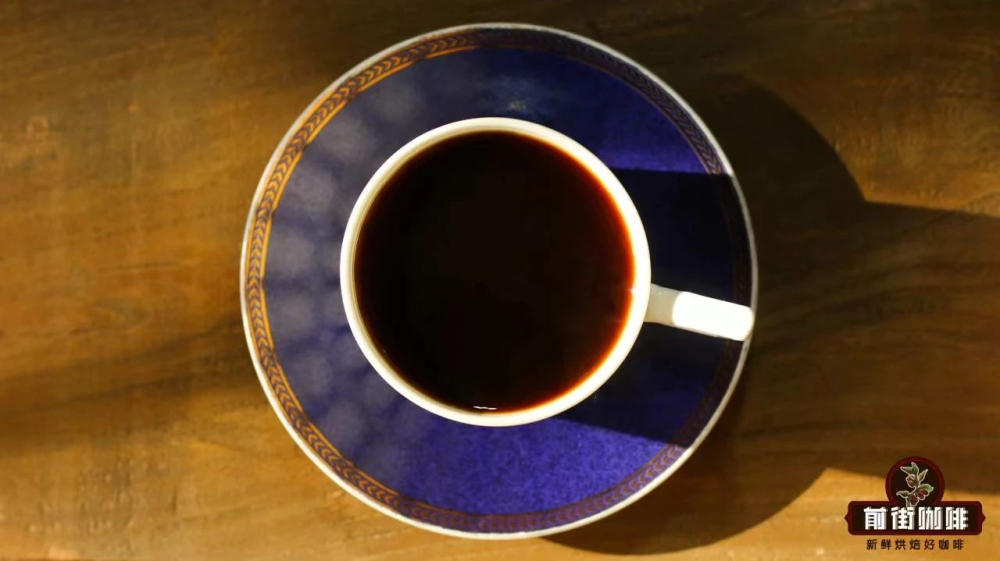
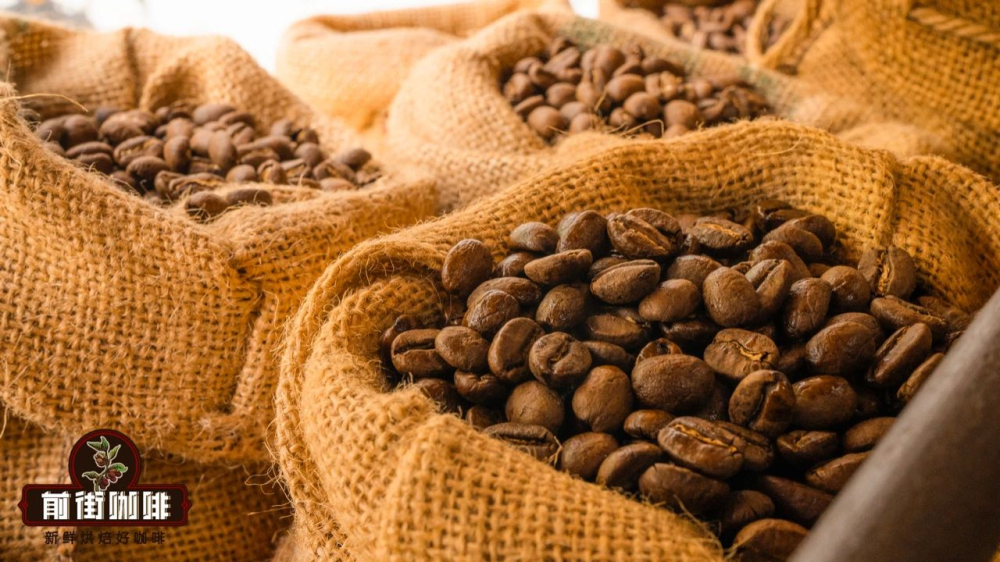
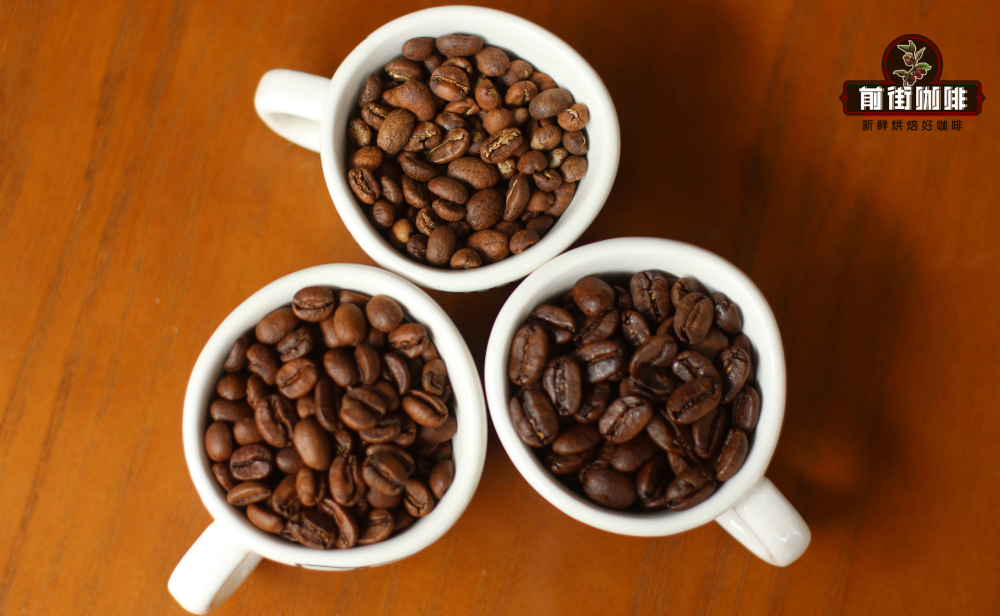
Dark roast: the aftertaste carries a slight chocolate bitterness, low acidity, rich caramel aroma, accompanied by spice, woody, and charred notes. There are many choices for dark roast beans; recommended are Front Street PWN Golden Mandheling coffee beans, Front Street Queen's Estate, Front Street Jamaica Blue Mountain No. 1, Front Street Huilan... these are all popular dark roast single origin coffees from Front Street.
1. Coffee-to-Water Ratio
When Front Street brews dark roast coffee, it controls the coffee-to-water ratio between 1:14 and 1:15. Once the water amount exceeds 1:15, the concentration will be pulled down, and the finished mouthfeel can easily become thin. So setting the output ratio at 1:15 is the safest.
Everyone's perception of mouthfeel, flavor, and concentration is different. If you still find this ratio too weak and the mouthfeel not thick enough, you can also reduce the water amount further; 1:13 to 1:14 is also within an acceptable range. Of course, the problem may also lie in time control.
2. Brewing Time
If you repeatedly adjust the ratio and the dark roast coffee is still thin, then it is most likely caused by under-extraction. At this point you can pay attention to the brewing duration: if you used more than 15g of beans and the total time is only around 1 minute 30 seconds, it is very likely that the grind is too coarse, causing the water to pass through too quickly.
In that case, grind a bit finer so that the brewing time falls between 2:00 and 2:30, and the coffee will be more fully extracted, naturally giving it a fuller mouthfeel.
3. Dripper Choice
When brewing dark roast beans, Front Street does not use the common V60 dripper, but the Kono dripper. The reason is that the V60's spiral rib design speeds up the flow rate, making it more suitable for medium-light roast coffee. Medium-light roasts require a finer grind to showcase layered flavors; if the dripper drains too slowly, over-extraction becomes very likely, so the fast-draining V60 is better suited to medium-light roast beans.
Dark roast beans have a loose texture and high extraction efficiency to begin with (aromatic compounds are easily brought out), so a coarser grind than for medium-light roasts should be used to lower extraction efficiency and avoid over-extraction. In this situation, if you again use a fast-draining V60, under-extraction easily results.
The Kono dripper's ribs are concentrated only in the lower half, and the purpose of this design is precisely to slow the flow rate and effectively extend the immersion and extraction time of the coffee grounds. That is why Front Street chooses the Kono dripper as the device for brewing dark roast beans, making the extraction more complete and the mouthfeel fuller.
4. Pouring Technique
The pouring technique mentioned here does not refer to whether you use a three-pour method or a single-pour method, but rather reminds you to try not to let the water flow scour the dripper wall while pouring. What happens if the stream directly hits the dripper wall?
Exactly! The water will flow straight down along the dripper wall, and what enters the server is not extracted coffee liquid but ordinary hot water, which both reduces extraction and dilutes the coffee liquid already in the server, making the mouthfeel thin. So when pouring in circles, try to avoid repeatedly scouring the dripper wall, so as to ensure a satisfying final mouthfeel.
The above content is compiled by CoffeeHunters, a coffee news website.


