








Why does the coffee wall thickness change the taste?
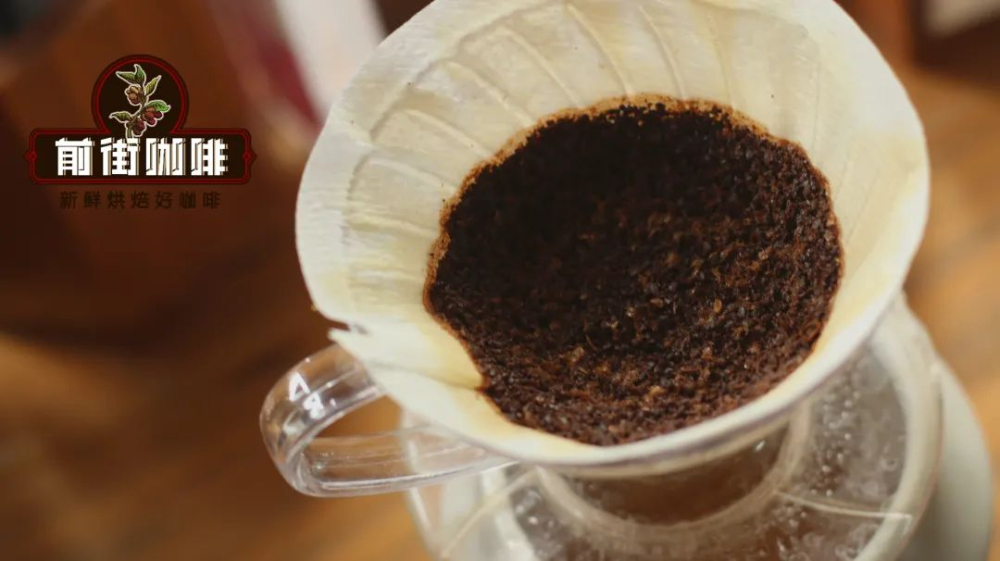
The shape of the coffee bed left in the dripper after a pour-over reflects how water moved through the grounds. A thick wall usually means a gentler flow and smaller circling motion, so the bed lifts less and grounds settle in a bowl shape. A thin wall points to a stronger pour held higher by the water level.
For the coffee enthusiast reviewing a brew, the wall is a quick clue about extraction: thick beds often taste heavier, while thin walls tend to drain faster and read cleaner. Roast level matters too, since darker beans and finer grinds slow drainage. Matching pour size and flow to the bean keeps results repeatable, and comparing a cup with the leftover bed is an easy habit to build.
After brewing a pour-over, observing the shape of the coffee bed left in the dripper is a habit many coffee enthusiasts have when reviewing their brewing process. The thickness of the coffee wall is not accidental—it is closely related to the pouring flow rate, the size of the circling motion, and the roast level of the coffee beans. This article starts with the causes of the coffee wall, analyzes the extraction logic behind different coffee wall shapes, and combines brewing experiments from Front Street Coffee to illustrate the actual differences in flavor direction between large-circle and small-circle pouring. Finally, it offers pouring recommendations for beans of different roast levels, helping you control water flow and flavor more consistently in your daily brewing.

After finishing a pour-over, many people instinctively glance at the coffee bed in the dripper to judge whether something went wrong during the pouring stage, then compare it with the taste in the cup to see if any mistakes were left behind in the brewing.
Some friends have also noticed that the coffee they brew always tastes a bit "heavy," with a thick-looking coffee wall and grounds basically piled at the bottom. So they wonder: does the thickness of the coffee wall also affect the taste of the coffee?
What factors determine the thickness of the coffee wall?
For those new to pour-over, water flow rate is often the most uncertain part. The flow rate not only affects the final extraction time but also reshapes the distribution of coffee grounds inside the dripper.
When the flow is on the smaller side, the agitation force on the coffee slurry is weaker, the coffee bed is lifted to a limited height, and the coffee wall tends to be thicker, forming a slightly curved "bowl shape." Conversely, if you pour in larger circles with a stronger flow, the coffee bed is held higher by the water level before it drains, and the coffee wall naturally becomes thinner.
The range of the circling motion is also key to the thickness of the coffee wall. When pouring, Front Street Coffee habitually stays as close to the edge of the dripper as possible while making sure not to collapse the coffee wall, which creates a deeper bed and a thinner wall. Some friends, however, like to pour in circles the size of a coin, which tends to leave the grounds settled at the bottom and form a thick, solid coffee wall.
In addition, a thick coffee wall often appears when brewing dark-roasted beans. The darker the roast, the looser the internal structure of the bean, and once ground, it absorbs water and expands more easily. Combined with active degassing from the particles, the grounds cling to the edge of the dripper, ultimately forming a thick and deep coffee bed.

Does the thickness of the coffee wall really change the flavor of the coffee?
Let's first look at the dimension of flow rate. When pouring with a small stream, the overall time is slightly longer, the drainage speed is slower, and the extraction time is prolonged accordingly, making over-extraction more likely and bringing out off-flavors and astringency. Therefore, time is needed to judge the extraction rhythm.
From the perspective of circling range, the actual water temperature with center pouring or small-circle pouring is slightly higher than with large-circle pouring, by about 0.5 degrees. In other words, the larger the circling motion, the more heat the hot water loses along the way, and the actual extraction temperature ends up a bit lower.
Front Street Coffee once used a V60 dripper to conduct a brewing comparison with the same coffee beans.
The V60's spiral ribs allow the coffee liquid to flow along a set path and prevent clogging. At this point, the coffee liquid extracted within the filter paper and the coffee liquid flowing down along the ribs work together to create rich flavor layers. Front Street Coffee found that coffee poured in large circles showed a more lively, light, soft, and pleasant flavor, while coffee poured in small circles tended toward a fuller, rounder, richer, and more concentrated flavor.
So, is a thicker coffee wall better, or a thinner one?
Now that we know the thickness of the coffee wall is influenced by the factors above, rather than agonizing over which is better, Front Street Coffee believes it is better to focus on improving control of the brewing water flow. For different coffee beans, using more consistent technique to improve flavor and mouthfeel is the more practical direction.
For example, when Front Street Coffee brews light to medium-roasted beans (such as Yirgacheffe or Geisha), in order to highlight the bright, lively fruit acidity, it pours the first stage after blooming from the center outward in circles, rinsing all the coffee grounds on the surface and trying to keep the foam color consistent; the final stage is poured in concentric circles about two-thirds the width of the surface.
When brewing medium to dark-roasted beans (such as Blue Mountain or Mandheling), which usually need to present a rich, full-bodied mouthfeel, Front Street Coffee chooses the slower-draining KONO dripper and extracts using small circles. After blooming, it also starts from the center and slowly circles outward to about half the radius until pouring is finished. Because dark-roasted beans are richer in gas, even pouring only in small circles will cause coffee foam to surge out and cover the surface.
- END -
The above content is compiled by CoffeeHunters, a coffee news website.


