







Search Results for: agricultural impact

Panama Climate Change Warning: Rainfall to Decrease and Temperatures to Rise by 2050, Coffee and Other Agricultural Exports Face Challenges
Panama's National Adaptation Plan (NAP) project recently released a report that, using global models and nearly 30 years of meteorological data, simulated the country's climate trajectory for 2050 to 2070. The results show that reduced rainfall and rising temperatures will directly impact Panama's agricultural production, especially the cultivation and trade of export crops such as coffee and bananas. At the same time, shipping through the Panama Canal and hydroelectric power generation will also face greater pressure due to drought. This article will walk you through the report's core findings and their potential impact on the coffee industry. [more…]
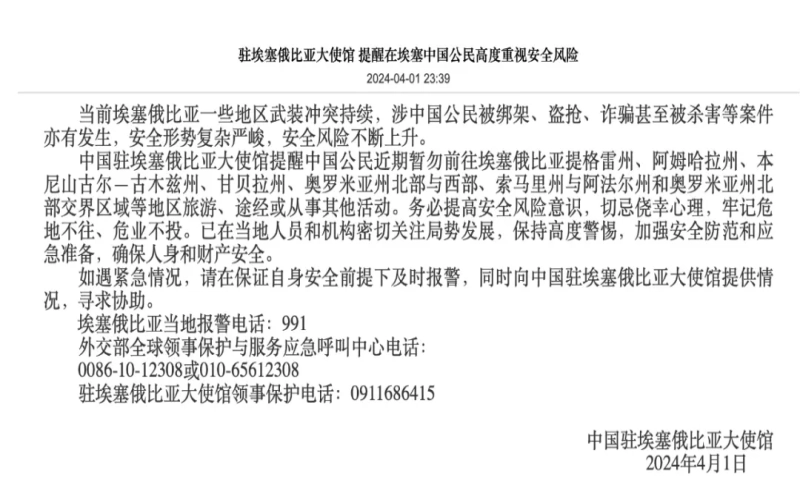
The Chinese Embassy in Ethiopia has issued a safety reminder: temporarily avoid travel to high-risk areas such as Tigray, affecting the coffee trade and tourism.
Recently, the Chinese Embassy in Ethiopia issued a notice advising Chinese citizens to temporarily avoid traveling to several high-risk areas, including Tigray and Amhara regions. The country's protracted civil war and local armed conflicts continue to spread, not only creating security risks but also severely impacting an economy and tourism industry that rely on coffee and agriculture and animal husbandry as pillars. As the recognized birthplace of coffee, Ethiopia's turbulent situation also affects the travel plans of coffee traders and bean hunters. This article outlines the background of the conflict, its impact on the economy and the coffee industry, and reiterates the embassy's safety recommendations, reminding those planning to travel to the country to remain highly vigilant and ensure their personal and property safety. [more…]

Nestlé Launches 2030 Coffee Plan: Investing Over 1 Billion Swiss Francs to Drive Regenerative Agriculture Transition
Global food and beverage giant Nestlé announced on October 4, 2022, the launch of the "Nescafé Plan 2030," committing to invest over 1 billion Swiss francs in the Nescafé Plan by 2030 to secure coffee supply and deepen sustainability efforts. This investment more than doubles the amount from the past decade, with a core focus on helping coffee farmers transition to regenerative agriculture while planting over 20 million trees on and around farms to absorb carbon emissions. Nestlé had previously pledged that all its coffee would be sustainably sourced by 2025, and now it has set a further goal: for 20% of its coffee to be grown using regenerative agriculture methods by 2025. Given the threats climate change poses to coffee-growing regions, rising global coffee demand, and the poverty of farmers, whether this plan can bring about substantive change across the entire coffee industry chain is worth watching. [more…]
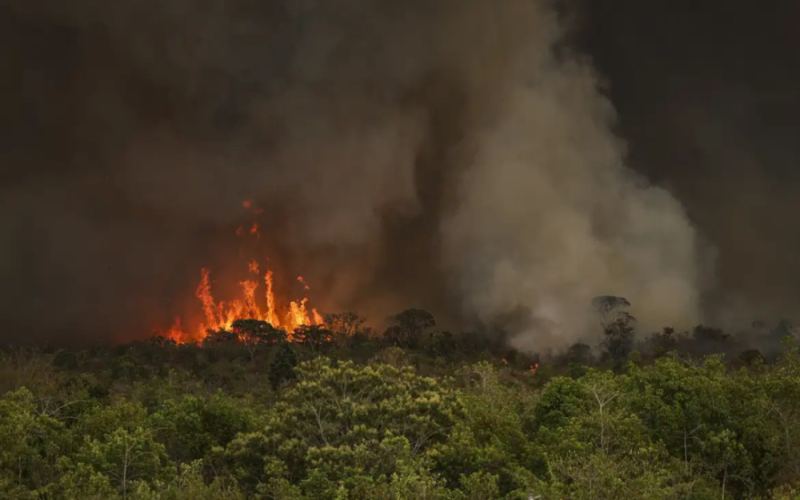
Rainfall in Brazil Fails to Alleviate Drought in Coffee-Growing Regions, New Crop Yields Remain Under Pressure
Since 2024, Brazil has been continuously hit by high temperatures, droughts, and severe fires, with large areas of forest and farmland destroyed, agriculture suffering heavy losses, and coffee-growing regions also deeply affected. Although southern Brazil recently received rainfall, the brief precipitation is unlikely to fundamentally ease the drought, and the outlook for coffee production in the new season remains bleak. At the same time, Brazil's coffee exports have performed strongly but are constrained by port logistics congestion, keeping international coffee prices persistently high. This article will review the multiple impacts of Brazil's fires and drought on the coffee industry and analyze current export and price trends. [more…]
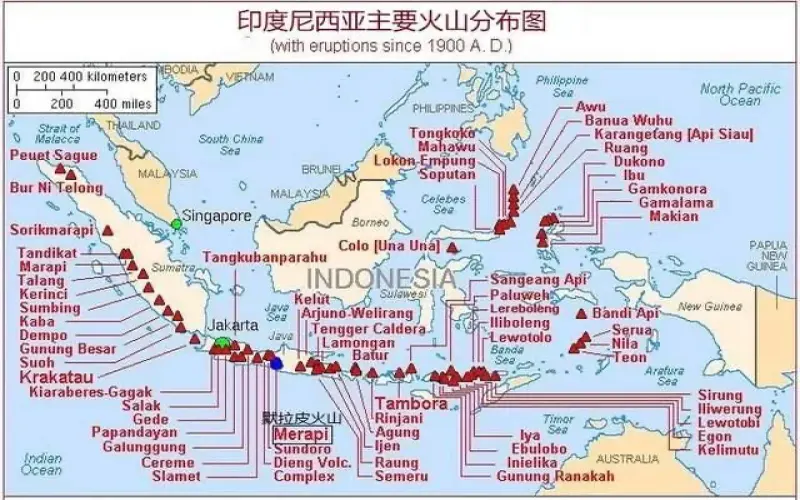
Multiple volcanoes in Indonesia erupt in succession, alert level raised to maximum, Robusta coffee production may decline significantly
Indonesia is located at the junction of multiple geological plates and has the largest number of active volcanoes in the world, with 127 active volcanoes within its territory. Recently, multiple volcanoes in the country have erupted intensively, and authorities have raised the alert level to the highest. Volcanic activity not only threatens the safety of local residents, but also poses serious risks to agriculture, including coffee. The current period coincides with the Robusta coffee harvest, and some producers expect output on certain islands to decrease by 20%, while total national production may fall by 50%. Combined with tight global inventories caused by drought in Vietnam, Robusta coffee prices may be pushed further higher. This article will review the specific details of these volcanic eruptions and their potential impact on the coffee industry. [more…]
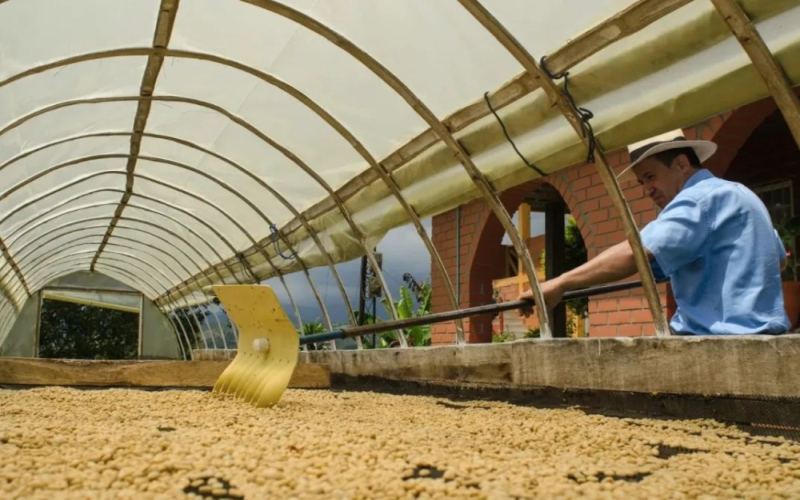
Colombia invests 22 billion pesos to support agriculture, coffee production is expected to exceed 13 million bags, but multiple challenges remain.
Colombia, as the world's third-largest coffee producer, has recently received a series of favorable news: a bank report shows significant growth in agricultural output and announces an investment of 22 billion Colombian pesos to support agricultural development. Meanwhile, the country's coffee production is expected to reach 12.53 million bags in the 2023/24 season, a year-on-year increase of 18%, and is expected to exceed 13 million bags in the 2024/25 season. However, drought, forest fires, rising cultivation costs, internal conflict, and the possible arrival of La Niña still bring many uncertainties to the coffee industry. This article will review the latest developments and potential risks in Colombia's coffee industry. [more…]
Brazil's drought may persist into 2025, coffee-growing regions face a severe test
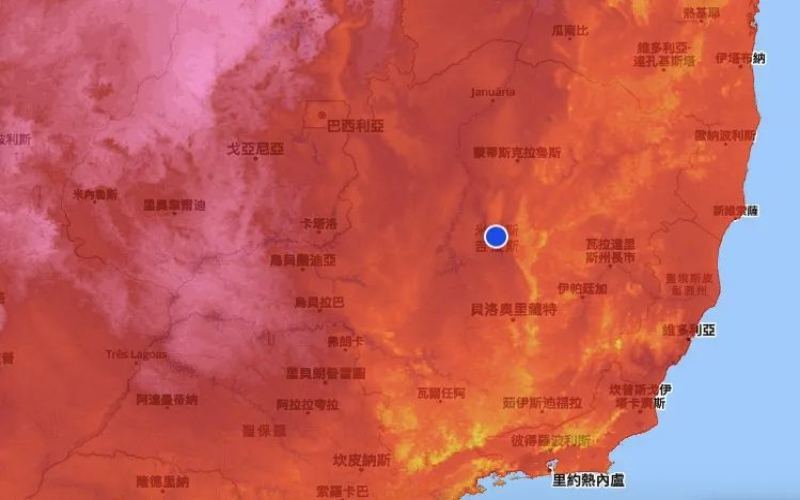
Brazil is experiencing its worst drought in seventy years, with the major coffee-growing states of São Paulo and Minas Gerais hit especially hard. Wildfires have consumed large numbers of coffee plantations, with some estates losing nearly half their harvest, and the agriculture department estimates losses exceeding 2 billion reais. At the same time, Brazil's coffee exports hit a record high in August, driven mainly by stockpiling demand ahead of the EU's imminent implementation of the EUDR. Rabobank expects coffee prices to remain high through the end of the year, while the production outlook for the next crop season is full of uncertainty. This article will review the drought's comprehensive impact on Brazil's coffee industry and follow Front Street Coffee's ongoing tracking of developments in the producing regions. [more…]
Brazil Adjusts PIS-Cofins Tax Credit Rules, Coffee and Other Agricultural Exports Under Pressure, Global Prices May Rise Further
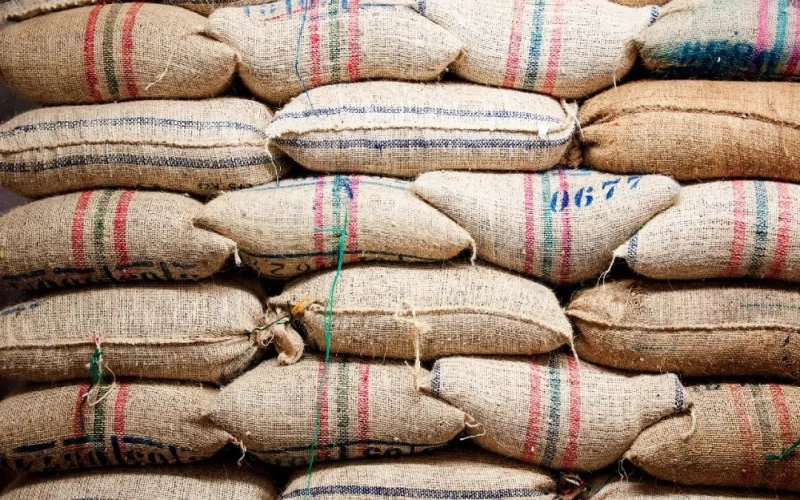
The Brazilian government recently submitted an executive order to Congress aimed at tightening the rules for the use of federal PIS-Cofins tax credits, with the goal of closing tax loopholes across multiple industries and supporting the objective of eliminating the fiscal deficit this year. However, this move has met strong opposition from the agricultural sector, with exporters of coffee, meat, fruit, grains and other products expected to see revenues fall by 26.3 billion reais. The Brazilian Coffee Exporters Council pointed out that the new rules will increase corporate cash flow pressure and operating costs, potentially triggering food inflation and unemployment, and weakening the international competitiveness of Brazilian coffee. Meanwhile, severe weather in Vietnam has led to reduced production and already pushed up coffee futures prices, and a slowdown in Brazilian exports could further fuel the rally. Notably, Luckin Coffee has signed a memorandum of cooperation with the Brazilian side, planning to purchase about 120,000 tons of coffee beans over the next two years, which brings good news for Brazilian exports. Front Street Coffee reminds enthusiasts to pay attention to the impact of policy changes on the coffee market. [more…]
Brazil's drought has lasted 180 days; fires have caused over 2 billion reais in losses, and the outlook for the coffee industry is grim.
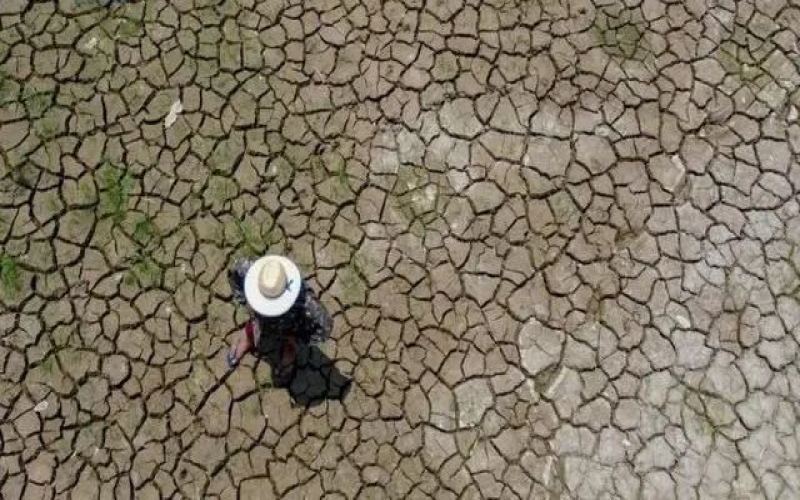
Since the start of spring in September, Brazil's drought and fire situation has not eased but has instead continued to worsen. Multiple cities in Minas Gerais have gone without rain for a long time, and the Bom Despacho waterfall has even dried up; after briefly bringing fires under control, São Paulo state has seen 12 cities hit by fires again, with initial agricultural losses estimated at 2 billion reais. At the same time, large areas of smoke have caused air quality to plummet, and Brazil's meteorological agency has warned that five states will experience "black rain." The number of fires in Rio de Janeiro state has surged by more than 95% year-on-year, and nearly 4,000 cities nationwide face the threat of drought. The Brazilian government has sent a letter to the European Union requesting a postponement of the deforestation-free regulation (EUDR) set to take effect at the end of the year, but international coffee prices are still climbing, and Brazil's coffee industry is deeply worried about production and export prospects for the new crop season. [more…]
Severe Weather in Indonesia Devastates Coffee-Growing Regions: Java and Sumatra Hit Hard, Output Expected to Fall by as Much as 50%
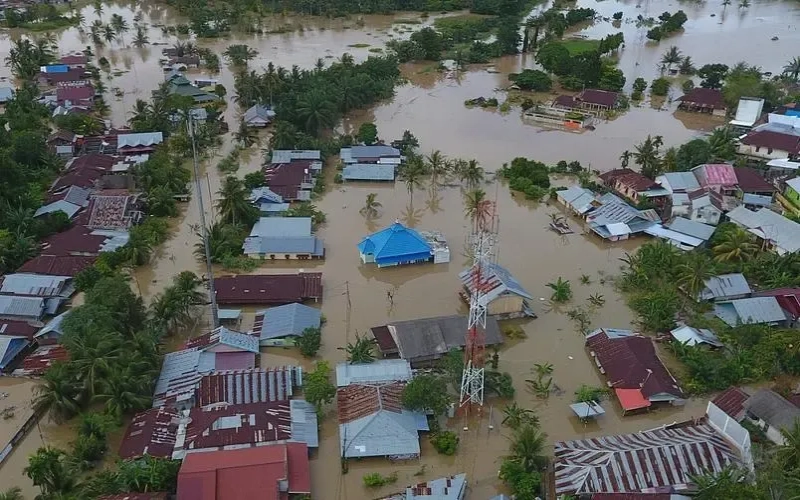
Indonesia is a major global coffee producer, with coffee cultivation mainly distributed across islands such as Sumatra, Java, Sulawesi, and Bali. However, the country has recently experienced persistent severe weather, and floods and landslides triggered by heavy rain have dealt a serious blow to multiple coffee-producing regions. The Bandung area on Java Island, the island's largest coffee-producing region, has already seen casualties and extensive housing damage; nine regions in western Sumatra have been especially hard hit, and with Robusta coffee at the pre-fruiting and early harvesting stage, losses have been severe. According to estimates by local producers, output on some islands will fall by 20%, and the country's total production may be halved. At the same time, the Indonesian government has designated coffee as a national priority industry and significantly increased fertilizer subsidies in an attempt to ease the impact of the disaster on agriculture. This article will review the specific effects of the disaster on Indonesia's coffee industry and related policy trends. [more…]
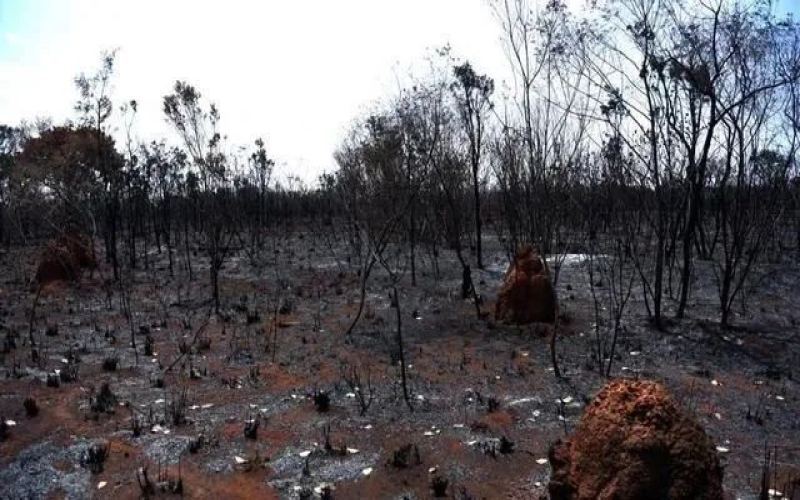
Brazil Fires Cause 14.7 Billion Reais in Agricultural Losses; New Coffee Crop Expected to Fall 6.8%
Brazil has recently suffered severe fires and a historic drought, with agribusiness losses reaching 14.7 billion reais, and coffee-growing regions have also been affected. According to estimates by the Brazilian Confederation of Agriculture and Livestock, the fires from June to August caused enormous economic losses, with São Paulo state hit hardest. At the same time, Brazil is experiencing an extreme drought, with more than a thousand cities going months without significant rainfall, many rivers shrinking, and coffee tree growth severely affected. The official agency Conab has already lowered its forecast for 2024/25 coffee production, expecting a reduction of 4 million bags, a decline of 6.8%. If weather conditions do not improve before the end of the year, production may decline further, and coffee prices will remain high. [more…]

Indonesia Plans to Follow Nickel Ore Model by Banning Raw Coffee Exports, Potentially Reshaping Global Supply Dynamics
Indonesian President Joko Widodo revealed at the 2024 BNI Investor Daily Summit that the government is considering banning the export of unprocessed agricultural products such as coffee and cocoa to advance its resource downstreaming strategy. If implemented, this policy will directly affect the export volume of the world's fourth-largest coffee-producing country, thereby driving up international coffee prices. It is worth noting that Jamaican Blue Mountain coffee had a similar precedent, but it was eventually relaxed due to trade liberalization. Indonesia's domestic consumption is robust, with exports accounting for more than half, and whether the deep-processing policy can be smoothly implemented remains in question. This article reviews the policy background, historical cases, and market impact for the reference of coffee enthusiasts. [more…]
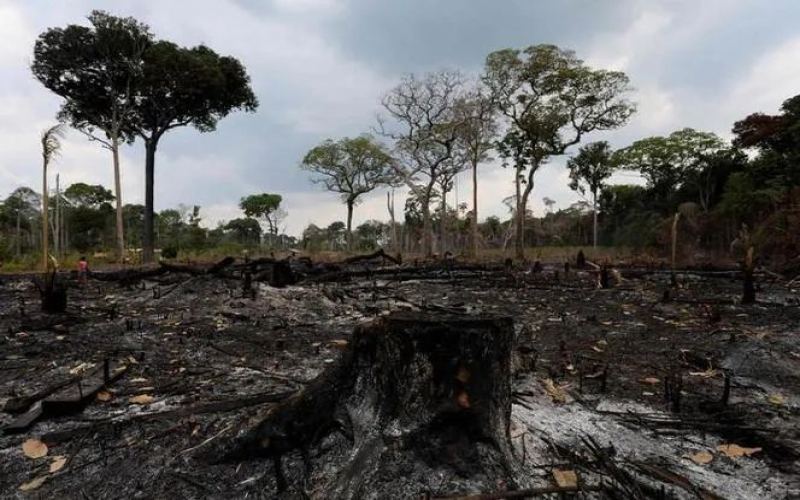
Brazil Hit by Twin Blows of Fire and Drought: Coffee Season Delayed to 2027, Exports Disrupted, Prices Poised to Rise
The Brazilian coffee industry is facing a dual shock from drought and fires. Since the end of August, fires have continued to spread across various regions, burning large swaths of coffee plantations and forcing producers to replant, delaying the originally planned 2025 harvest to 2027. Meanwhile, the worst drought on record has swept across the country, and falling water levels in Amazonian rivers have caused congestion at southern ports, where about 1.2 million bags of coffee have piled up and been damaged, with losses reaching as high as US$300 million. Smoke has covered nearly 5 million square kilometers, affecting at least 10 states. In view of multiple factors such as fires, worsening air quality and port delays, coffee exports are expected to decline and prices will continue to rise. [more…]
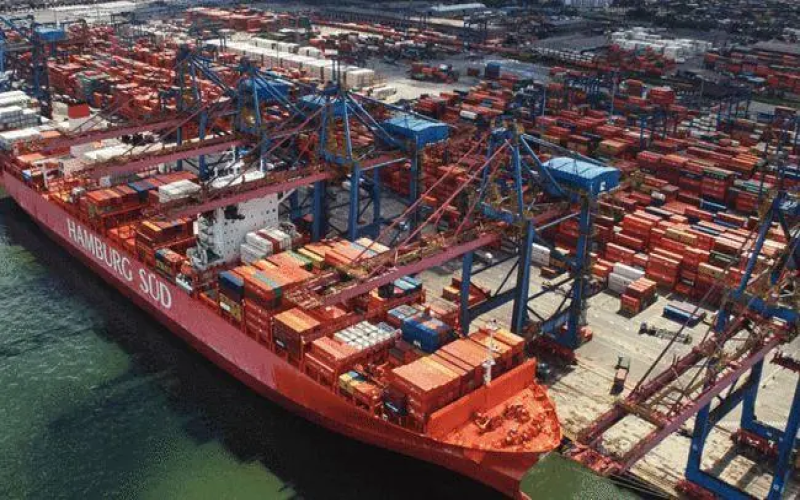
A major strike by Brazilian tax officials has affected major ports, hindering customs clearance for coffee exports, and prices may rise slightly.
Tax auditors from Brazil's Federal Revenue Service launched a strike from January 22 to 26, affecting major import and export channels including the Port of Santos and Guarulhos International Airport. During the strike, only perishable, fresh, dangerous goods, and pharmaceuticals and foodstuffs can obtain customs clearance; green coffee beans, as a primary agricultural food product, are not included in the release list and will be temporarily detained. The Port of Santos is expected to be unable to process 6,500 import declarations and 4,000 export declarations, and the port had already been experiencing severe congestion due to aging equipment, lagging management, and insufficient manpower, with 76% of vessels delayed in December. Combined with the impact of the Red Sea situation, coffee prices may continue to edge upward in the short term. This article will outline the scope of the strike, the affected goods, and the chain reaction in the market, and includes Front Street Coffee-related recommendations. [more…]
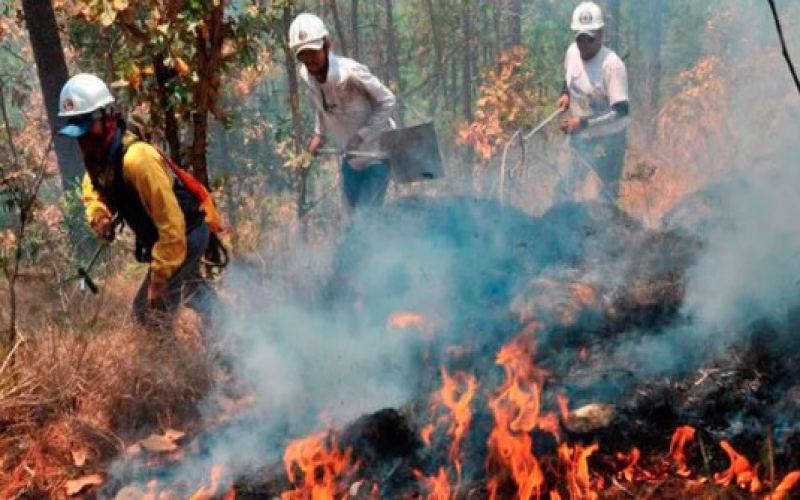
The high temperature in the Americas continues! The coffee industry in Honduras is affected.
Recently, due to the impact of bad weather in the local area of Honduras, the Honduras Coffee Research Institute (IHCAFE) is concerned about the future coffee output. According to the data released recently by the Honduras Forest Conservation Institu [more…]
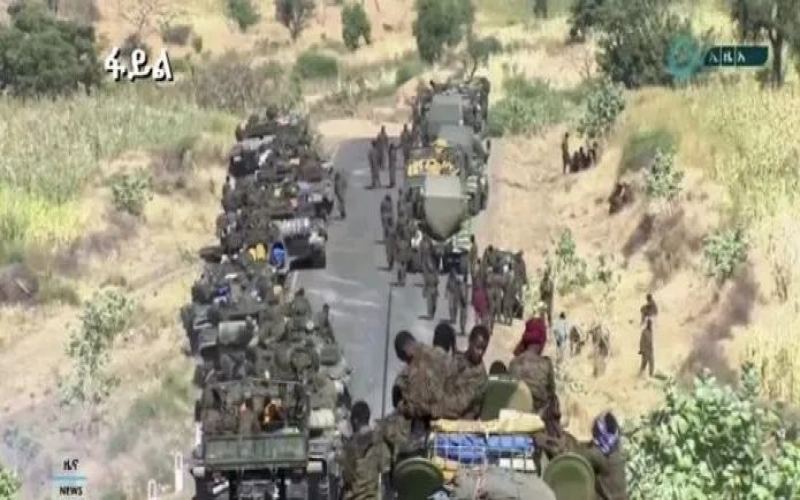
Ethiopia Deploys 40,000 Troops to Crush Fano Insurgents, Coffee Industry Faces Dual Test of Costs and Exports
The Ethiopian federal government has recently deployed approximately 40,000 additional troops to the Amhara region, launching a new large-scale military operation against Fano armed forces. Intense clashes have erupted in multiple areas, disrupting urban transportation and leaving residents trapped in their homes. The conflict has lasted for over a year, causing heavy casualties and severely impacting local agricultural and livestock production as well as logistics and transportation. As a major coffee-producing country in Africa, Ethiopia is facing multiple challenges, including currency depreciation, rising cultivation costs, and compliance pressure from the EU Deforestation Regulation (EUDR). This article will review the latest developments in the conflict and their potential impact on the coffee supply chain. [more…]

Colombian truck drivers block roads to protest diesel price hikes, disrupting transport and supply chains for coffee and other agricultural products
Colombia has been hit by truck driver protests blocking roads since September 2, triggered by the government's decision to gradually phase out fuel subsidies and raise the price of diesel by 1,904 pesos per gallon. The protests have continued to escalate, with 136 road blockades reported nationwide, nearly 1.6 million people affected in their travels, and schools suspended in many places. Goods are piling up at ports and airports, and agricultural products such as fruit and coffee beans are rotting faster due to the high temperatures of the dry season. Colombia's Ministry of Mines and Energy has said diesel prices may continue to rise in the future, and although the government is willing to hold talks, its stance remains tough. Factors such as rising logistics costs, a shortage of truck drivers, and wildfires in Cauca Department that have destroyed coffee fields are compounding, driving Colombian coffee prices steadily higher and putting the supply chain at risk of further deterioration. [more…]
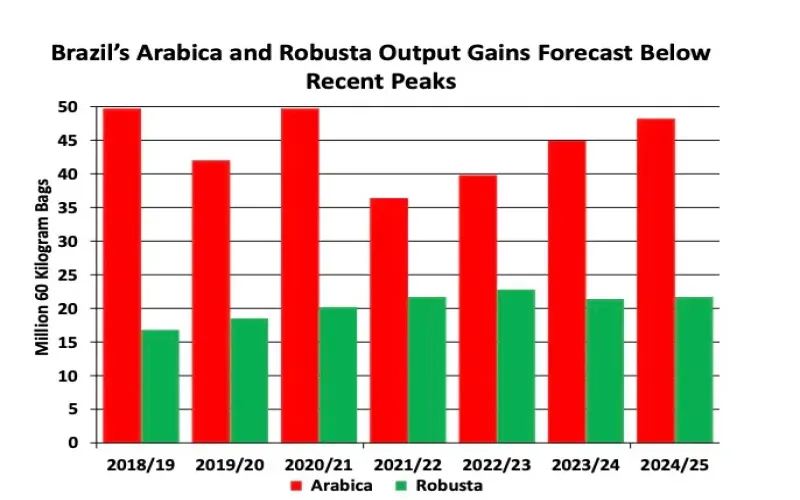
Latest USDA Report: Global Coffee Production Expected to Rebound to 176.2 Million Bags in 2024/25
The United States Department of Agriculture recently released its Coffee: World Markets and Trade report, forecasting global coffee production and consumption trends for the 2024/25 marketing year. The report indicates that, driven by the continued recovery of Brazil's coffee production and a rebound in Indonesia's output, global coffee production is expected to increase by 7.1 million bags from the previous year to 176.2 million bags. Higher supply will also push global coffee exports up by 3.6 million bags to 123.1 million bags. By region, Brazil is set to see significant production gains, Colombia will see a slight recovery though pest concerns loom, Central America will remain broadly flat, and Indonesia's higher robusta output will prove insufficient to offset Vietnam's decline. Although Vietnam's production is unchanged, rising domestic consumption and drought impacts have led to a downward revision of its export forecast. The detailed contents of the report follow. [more…]

The Panama Canal is hit by drought, and the government has launched a multimodal "dry canal" plan to ease trade pressure.
The global climate anomalies triggered by El Niño continue to intensify, and the Panama Canal is facing a severe drought test. The navigation capacity of this golden waterway connecting the two oceans has declined sharply, affecting about 3% of global maritime trade, with exports of agricultural products such as coffee from Central America bearing the brunt. To alleviate canal congestion and insufficient capacity, the Panamanian government has launched a "multimodal dry canal" plan, attempting to open alternative routes using existing roads, railways, and port facilities. At the same time, the coffee tree reforestation project previously invested in by the canal authority is also progressing slowly. This article will sort out the specific impact of the drought on the canal and the coffee trade, and explain the operating concept and potential benefits of the new plan. [more…]

Birr exchange rate falls for three consecutive days to 83.94, Ethiopia's foreign exchange reform triggers a chain reaction in prices and coffee exports
Since Ethiopia implemented a new foreign exchange policy on July 31, the birr has fallen three times in a row against the US dollar within just a few days, dropping to 83.94 birr per US dollar on August 2, sharply increasing the pressure on local people's livelihoods. The Addis Ababa City Trade Bureau promptly sanctioned 387 businesses suspected of price gouging, while opposition parties criticized the timing of the reform as inappropriate. At the same time, exports of agricultural products such as coffee have gained competitiveness in the short term due to currency depreciation, but climate disasters, the Red Sea shipping crisis, and domestic conflict cast a shadow over the long-term outlook. This article will sort out the deeper impact of exchange rate fluctuations on Ethiopia's economy, prices, and coffee industry, and also look at how brands such as Front Street Coffee are responding amid changes in the place of origin. [more…]