







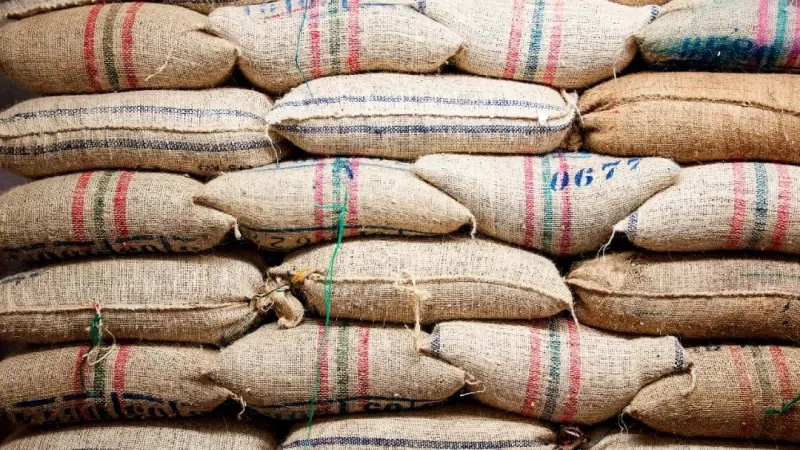
What Does Arabica Coffee Mean?
Arabica coffee comes from the Coffea arabica plant, native to Ethiopia. It is one of the most widely grown coffee species, prized for its smooth flavor and lower caffeine compared to robusta. The term arabica refers to the species itself, not a specific country. Coffee trees grow well at higher elevations with steady rainfall. Their beans, the seeds inside the fruit, are harvested, processed, and roasted for brewing worldwide.
Brazil recently adjusted its PIS-Cofins tax credit rules, which could affect coffee and other agricultural exports. Such changes may put pressure on exporters and influence global prices. For coffee drinkers, understanding what arabica means helps in choosing beans. Arabica and robusta differ in taste, growing conditions, and caffeine content. Brazil's tax policy shift is one example of how regulations in producing countries can ripple through the international coffee market.
The Brazilian government recently submitted an executive order to Congress, aiming to tighten the rules on the use of federal PIS-Cofins tax credits, with the goal of closing tax loopholes across multiple industries and supporting the goal of eliminating the fiscal deficit this year. However, this move has met strong opposition from the agricultural sector, with exporters of coffee, meat, fruit, grains and other products expected to see revenues fall by 26.3 billion reais. The Brazilian Coffee Exporters Council pointed out that the new rules will increase corporate cash flow pressure and operating costs, potentially triggering food inflation and unemployment, and weakening the international competitiveness of Brazilian coffee. Meanwhile, severe weather in Vietnam has led to reduced production and already pushed up coffee futures prices, and a slowdown in Brazilian exports could further fuel the rally. Notably, Luckin Coffee signed a memorandum of cooperation with the Brazilian side, planning to purchase about 120,000 tons of coffee beans over the next two years, bringing good news for Brazilian exports. Front Street Coffee reminds enthusiasts to pay attention to the impact of policy changes on the coffee market.
According to local Brazilian media reports, earlier this week the Brazilian government submitted a new executive order to Congress, which includes a measure to tighten the use of tax credits.
The Brazilian Ministry of Finance stated that it will tighten the rules for the use of federal PIS-Cofins tax credit certificates. The Ministry of Finance believes that the rule has loopholes and therefore needs to be tightened, aiming to fill tax loopholes in multiple industries and support the Brazilian government's plan to eliminate the deficit this year.
However, this measure has met strong opposition from the agricultural sector. The affected sectors include pharmaceuticals, meat, fruit, coffee, grains and biodiesel (vegetable or animal oil), and these exporters are expected to see revenues fall by 26.3 billion reais (about 4.91 billion US dollars).
In response, the executive secretary of the Ministry of Finance said at a press conference that this measure does not mean raising taxes and interest rates, but rather correcting a "distortion that sooner or later needs to be addressed." At the same time, it was pointed out that this move is expected to increase government revenue by as much as 30 billion reais (about 5.66 billion US dollars) in order to eliminate the government budget deficit.
At present, the new tax rules will take effect immediately, but they need to be approved by Congress within four months to remain in effect. Therefore, several Brazilian agricultural product exporter organizations and lobbying groups have attacked the government's new rules on tax credits. At present, exporter associations for soybeans, coffee, cotton and others have joined the lobbying groups, which increases the possibility that Congress will reject the government's proposal.
In addition, the Brazilian Coffee Exporters Council (Cecafé) recently issued a statement saying that the purpose of the PIS-Cofins tax credit certificate rules is to provide promotional credit for coffee exports, which will affect the cash flow of coffee exporting companies and affect costs. The government's new tax measures will force companies to rely more on banks for credit, thereby increasing expenditures and adding to operating burdens, and this move may trigger food inflation and unemployment in Brazil. Ultimately, it will reduce the international competitiveness of Brazil, the world's largest coffee exporter, which runs completely counter to the vision of bringing foreign exchange income, economic and social development to the country.
In addition, some analysts said that because the measure has already taken effect and it remains to be seen whether Congress will approve the new policy, some soybean, coffee and other growers have already stopped selling their agricultural products recently, and a prolonged slowdown in export sales may prompt international buyers to seek other alternative sources, and may therefore push prices up.
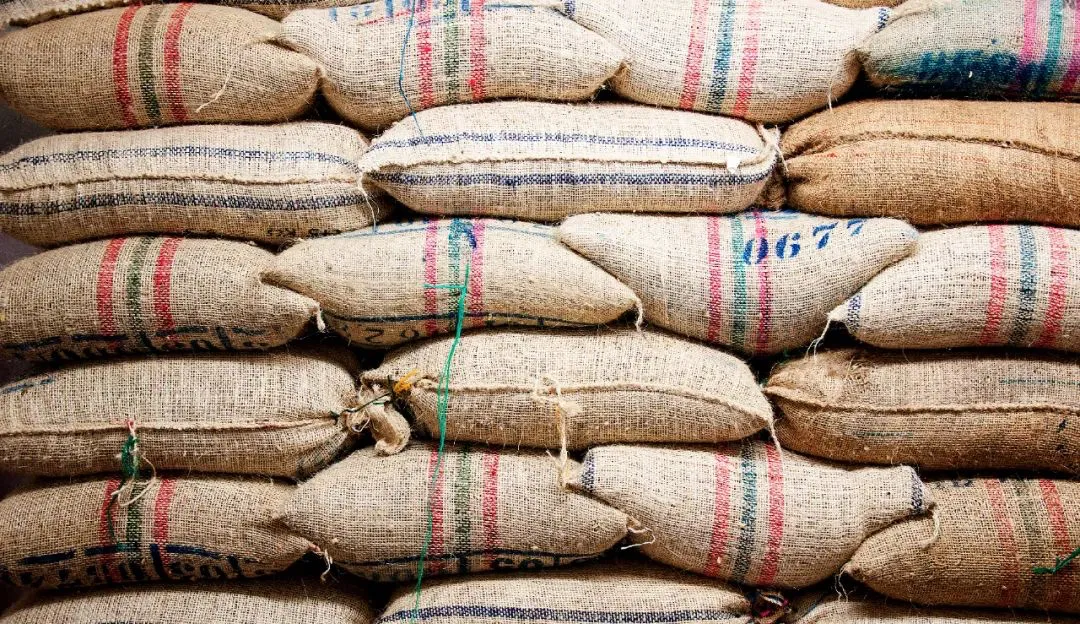
In addition, some people in the coffee industry believe that because Vietnam has recently suffered from severe weather such as drought, leading to reduced production, coffee futures prices for both robusta and arabica have been rising continuously. However, Brazil may tighten coffee exports, which will undoubtedly increase the possibility of further rises in coffee futures prices.
However, there has also been good news recently. Brazilian Vice President and Minister of Development, Industry, Trade and Services Geraldo Alckmin visited the Luckin Coffee Beijing Guanghua Road SOHO store. In addition, Luckin Coffee signed a memorandum of cooperation with representatives of the Brazilian Export and Investment Promotion Agency, and signed a cooperation intention with partners to purchase about 120,000 tons of coffee beans from Brazil over the next two years. This cooperation is conducive to the development of Brazilian coffee exports.
The above content is compiled by CoffeeHunters, a coffee news website.


