







How Do Fire and Drought Affect Brazil Coffee Production?
Brazil's coffee production is absorbing a double blow from drought and fires. Fires spreading since late August have burned coffee plantations and forced replanting, pushing the harvest expected in 2025 to 2027 and lowering output for the next two seasons. The worst drought on record has also dropped Amazon River levels, leaving about 1.2 million bags of coffee stuck and damaged at southern ports, with losses near US$300 million.
Smoke covers almost five million square kilometers and affects at least ten states, while coffee trees in São Paulo estates near protected areas and sugarcane fields were hit hardest; around 100 hectares burned near the town of Franca alone. Conab plans to publish its first fire impact statistics, and with exports expected to fall, prices will keep rising.
The Brazilian coffee industry is facing a dual blow from drought and fires. Since the end of August, fires have continued to spread across various regions, burning large areas of coffee plantations, forcing producers to replant. The harvest originally expected in 2025 will be postponed to 2027. At the same time, the worst drought on record has swept across the country. Falling water levels in the Amazon River have led to congestion at southern ports, where about 1.2 million bags of coffee have piled up and been damaged, with losses amounting to as much as US$300 million. Smoke covers nearly 5 million square kilometers, affecting at least 10 states. Given multiple factors such as fires, deteriorating air quality and port delays, coffee exports are expected to decline, and prices will continue to rise.
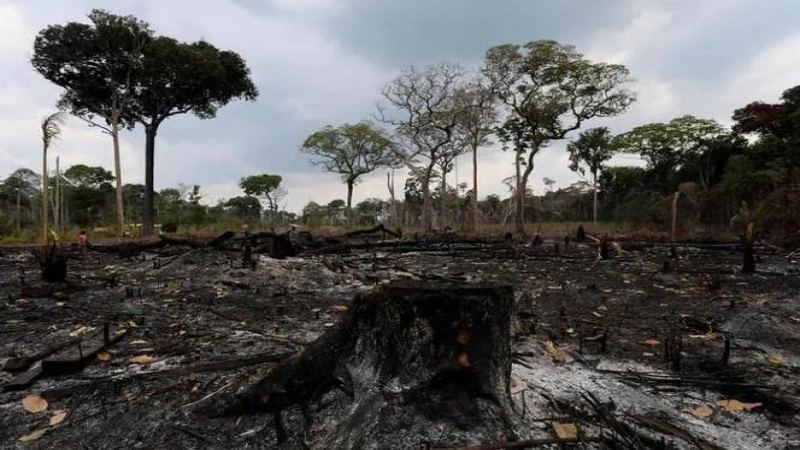
According to reports from local Brazilian media, since the end of August, fires have broken out frequently in many parts of the country, making things worse for a coffee industry already struggling with drought. Earlier, some coffee plantations in São Paulo state were swallowed by the flames, and large numbers of coffee trees were destroyed, forcing growers to start over and replant new trees. This means that the harvest originally due to be completed in 2025 will be forced to be postponed to 2027, and coffee output in the next two years will therefore decline.
It has been reported that these coffee estates are usually adjacent to national protected areas or sugarcane fields, and this round of fires has been concentrated precisely in such areas, causing the coffee estates to be affected. For now, the direct damage to the current season's harvest is not yet significant, but the impact on the new 2025 season is quite serious.
The National Supply Company (Conab), under Brazil's Ministry of Agriculture, said it plans to release statistics on the impact of the fires on coffee plantations for the first time on the 19th of this month. As fires in many parts of Brazil are still not under control, it is difficult at present to accurately assess the area of coffee affected. Preliminary estimates show that in several areas around the town of Franca in São Paulo alone, about 100 hectares of coffee plantations have been burned.
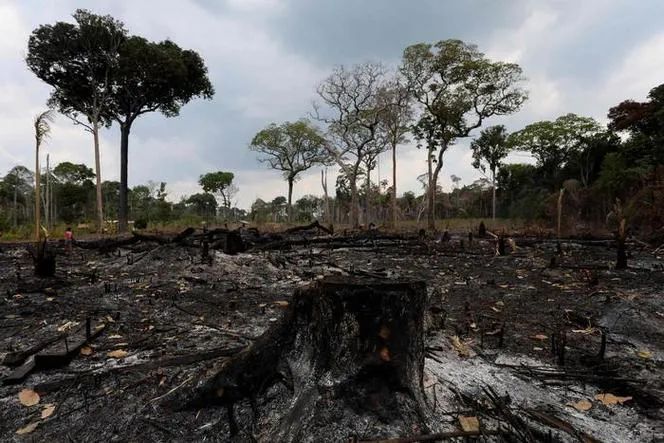
The chairman of the Pro-Coffee Foundation (Fundação Pró-Café) revealed that the fires have not yet been fully extinguished, and the flames have already damaged the local soil. If coffee and other crops are to be replanted, it will be necessary to wait for the soil to recover. The earliest that replanting of new crops can begin is January 2025, so coffee is not expected to be harvested until 2027.
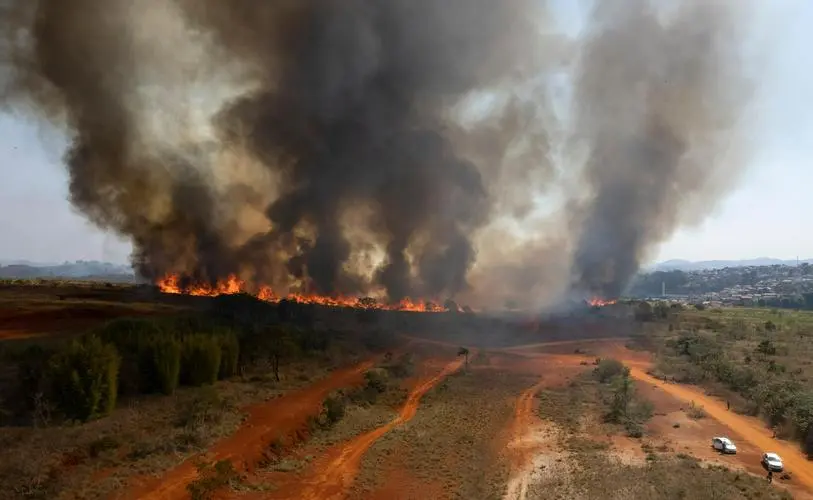
In addition, Brazil's fires are not only widespread and highly destructive; the smoke they produce has also caused many problems. According to reports, from the outbreak of the fires at the end of August to now, the sky over most parts of Brazil has been obscured by smoke and dust, with blue skies rarely seen. An air quality expert at Brazil's National Institute for Space Research pointed out that because the fires are intense, the area covered by smoke has reached nearly 5 million square kilometers, affecting at least 10 states, almost equivalent to 60% of Brazil's territory.
Moreover, the fires are still continuing. Local temperatures remain high, and there is a lack of cold air capable of dispersing the smoke and dust, making it difficult for the smoke to dissipate in a short time. The impact of the smoke on Brazil should not be underestimated either: the harmful substances in it pose a serious threat to human health, and reduced visibility can also disrupt local airports and traffic operations; at the same time, this smoke intensifies the greenhouse effect and has an adverse impact on the growing environment of crops. Therefore, some coffee-producing areas where fires have not occurred will also be affected by the smoke.
In addition to the fires, Brazil's drought problem remains severe. Earlier, Brazil's National Center for Monitoring and Early Warning of Natural Disasters reported that the country is experiencing the most severe and most widespread drought on record, covering almost the entire area from the north to the southeast.
According to published records, the Amazon rainforest region has suffered from drought since last year, with insufficient rainfall during the rainy season; by June this year it was hit by drought again, and a warning was received from the Brazilian Geological Survey that river levels in the Amazon basin were highly likely to fall below historical lows. The Amazon River is Brazil's most important river, and its water level problems have already led multiple coffee-producing areas to report insufficient groundwater resources, worsening the environment for coffee cultivation.
Not only that, this situation has also severely affected Brazil's exports of coffee and other agricultural products. Due to falling water levels on the Amazon River in the north, many agricultural products have been forced to be diverted to ports in southern Brazil, increasing the pressure on port operations and intensifying congestion at southern ports. At present, the delay rate at multiple ports in southern Brazil remains between 60% and 80%. The delays have caused large-scale stockpiling of agricultural products, and combined with high temperatures, about 1.2 million bags of coffee were already reported damaged in July, with losses amounting to about US$300 million.
At present, temperatures in Brazil remain high, and major coffee-producing regions including São Paulo and Minas Gerais have all issued red warnings for drought weather, which will affect coffee production in next year's new season. In addition, factors such as fires, deteriorating air quality and port delays may lead to reduced exports, thereby continuing to push coffee prices higher.
To learn more about coffee-producing regions, please scan the QR code to follow: Coffee Review
Long-press the QR code to follow:
TRANSLATE with
x
English
Arabic Hebrew Polish Bulgarian Hindi Portuguese Catalan Hmong Daw Romanian Chinese Simplified Hungarian Russian Chinese Traditional Indonesian Slovak Czech Italian Slovenian Danish Japanese Spanish Dutch Klingon Swedish English Korean Thai Estonian Latvian Turkish Finnish Lithuanian Ukrainian French Malay Urdu German Maltese Vietnamese Greek Norwegian Welsh Haitian Creole Persian
TRANSLATE with
COPY THE URL BELOW
Back
EMBED THE SNIPPET BELOW IN YOUR SITE Bing Webmaster Portal
Back
The above content is compiled by CoffeeHunters, a coffee news website.


