







How does drought affect the coffee industry in Brazil?
Brazil is in its worst drought in seventy years, hitting the coffee states of São Paulo and Minas Gerais hardest. Wildfires burned about 600 hectares in São Paulo, and some estates report losing 8,000 to 10,000 coffee trees, with agricultural losses estimated above 2 billion reais. Even so, exports set a record in August, driven by buyers stockpiling ahead of the EU's EUDR rules.
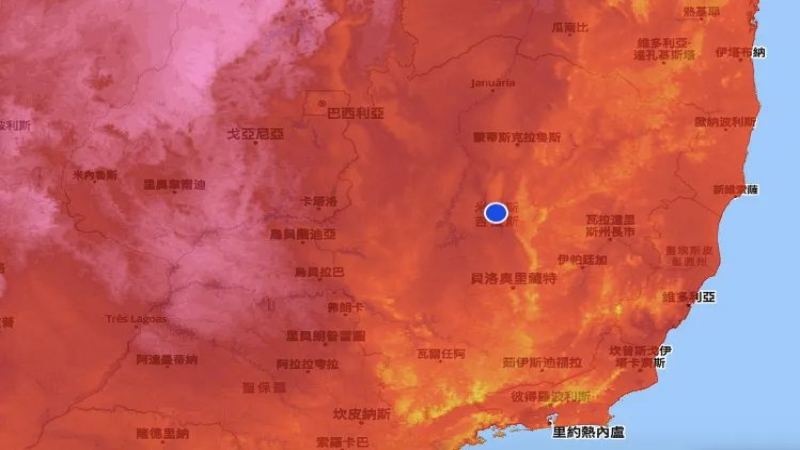
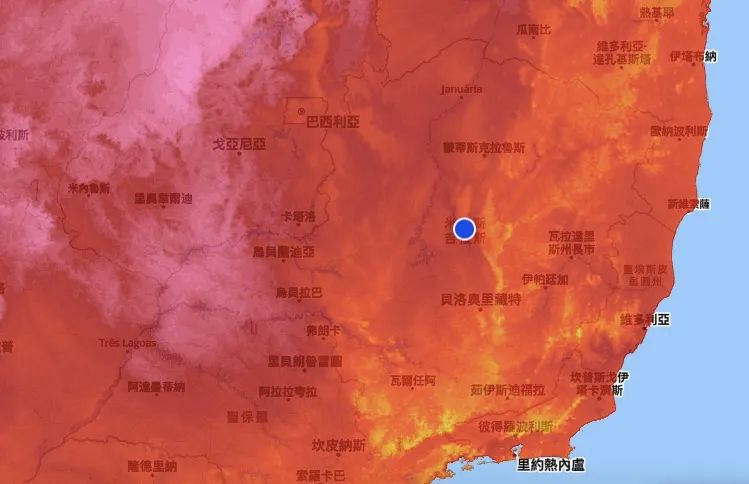
Relief came only briefly. A cold front eased heat and drought in southern Brazil, but it has weakened and temperatures in central Brazil are climbing back toward 40°C. Inmet data shows low humidity across northern São Paulo, western Minas Gerais and parts of the northeast. Rabobank expects prices to stay high through the year, while the next crop's growing conditions for coffee remain uncertain.
Brazil is experiencing its worst drought in seventy years, with the major coffee-producing states of São Paulo and Minas Gerais particularly hard hit. Wildfires have consumed large numbers of coffee plantations, with some estates losing nearly half their harvest, and the agriculture department estimates losses exceeding 2 billion reais. At the same time, Brazil's coffee exports hit a record high in August, driven mainly by stockpiling demand ahead of the EU's upcoming EUDR implementation. Rabobank expects coffee prices to remain high through the end of the year, while the production outlook for the next crop season is full of uncertainty. This article will review the full impact of the drought on Brazil's coffee industry and follow Front Street Coffee's ongoing tracking of developments in the producing regions.
According to reports from local Brazilian media, the country has recently suffered severe drought conditions, which have triggered frequent forest fires and caused considerable damage. However, with the formation of a cold front from the south, the drought and high temperatures in southern Brazil were briefly alleviated. But this relief was short-lived; the cold front has now weakened, and temperatures are climbing again.
Currently, temperatures in some parts of central Brazil remain high, with maximum temperatures expected to hover around 40°C. Data from Brazil's National Institute of Meteorology (Inmet) shows that air humidity is low across most of the country, particularly in northern São Paulo, western Minas Gerais, and parts of the northeast. As the dry, hot weather returns, air quality in São Paulo and Rio de Janeiro in the southeast may deteriorate once again.
Brazilian media data indicates that the fire situation has improved in several states. Most fires in the hardest-hit areas of Mato Grosso, Brasília, and São Paulo have been brought under control, with only a few areas still experiencing active fires.
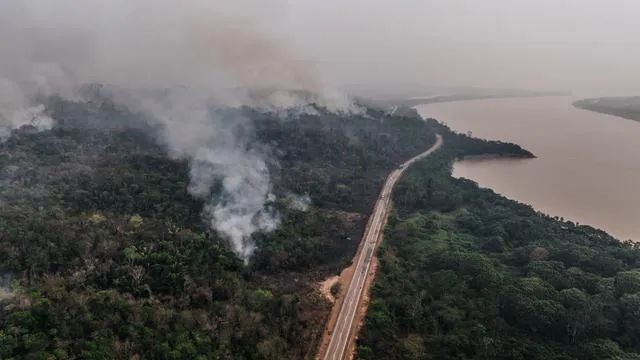
Although the fires have been brought under control, the impact of extreme weather such as drought and wildfires on Brazil's coffee industry remains severe. According to reports, in São Paulo state, a major coffee-producing region in Brazil, wildfires burned approximately 600 hectares of land, including large areas of coffee plantations.
Local growers report that their estates lost roughly 8,000 to 10,000 coffee trees. They had originally expected to harvest 500 to 600 bags of coffee beans, but ultimately harvested only half, with the remainder destroyed by the fires. The Secretary of Agriculture for São Paulo state pointed out that the fires were mainly concentrated in sugarcane plantations, coffee plantations, and livestock farms. Secondary hazards such as smoke from the fires will also affect subsequent agricultural production, and the estimated losses currently exceed 2 billion reais.
Meanwhile, the drought continues to affect the country's coffee industry. In Minas Gerais, Brazil's main coffee-producing state, several regions have gone 167 days without rainfall, and a famous nearby waterfall has dried up. The neighboring capital region of Brasília has also been affected. According to reports, fires that started in São Paulo state spread to the capital Brasília and Mato Grosso state, burning large areas of farmland and forest. Twenty percent of Brasília National Park—about 7,700 hectares—caught fire, and the flames at one point spread close to the federal Santa Maria Reservoir, posing a threat to water supplies for Brasília and surrounding areas.
Currently, the severe nationwide drought in Brazil has led to falling water levels in several major rivers, frequent wildfires in many areas, serious environmental pollution, and reduced crop yields. Brazil's National Center for Monitoring and Early Warning of Natural Disasters states that the current drought is the worst in 70 years. This year's drought in Brazil has affected approximately 5 million square kilometers, impacting about 59% of the country's total land area.
Researchers analyzing the situation believe that Brazil's severe drought is related to factors such as climate warming and El Niño. The El Niño phenomenon that began last July, combined with warming in the tropical North Atlantic, continued to influence Brazil's climate in the first half of this year, altering atmospheric circulation patterns and hindering the formation of rain clouds, leading to a gradual decline in rainfall. The outlook is not optimistic. Some views suggest that Brazil's drought may show no signs of easing before 2025, so the agricultural outlook remains bleak.
According to a report from the Brazilian Coffee Exporters Council (Cecafe), Brazil exported a total of 3.733 million bags of coffee (60 kg/bag) in August, with export revenue reaching $955.6 million—both the best-ever performance for August. Transaction volume increased by 0.7%, and foreign exchange revenue grew by 31%. From January to August 2024, Brazil cumulatively exported 31.892 million bags of coffee, a 39.2% increase compared to 22.915 million bags in the same period last year—and this was achieved despite ports maintaining a high delay rate.
The reason for such high export volumes is that the EU's deforestation-free EUDR is about to be implemented, leading EU traders to increase imports to ensure sufficient stock after the EUDR takes effect on December 31. Earlier, the Brazilian government and coffee traders large and small had applied to the EU for a postponement of the EUDR implementation, but the EU has still not responded. Therefore, Rabobank believes that due to multiple factors, coffee prices will remain high through the end of 2024, and with Brazil suffering from drought, next season's production is difficult to estimate, which will be an unstable factor continuing to affect coffee prices.
To learn more about coffee-producing region news, please scan the QR code to follow: Coffee Review
Long-press the QR code to follow:
TRANSLATE with
x
English
Arabic Hebrew Polish Bulgarian Hindi Portuguese Catalan Hmong Daw Romanian Chinese Simplified Hungarian Russian Chinese Traditional Indonesian Slovak Czech Italian Slovenian Danish Japanese Spanish Dutch Klingon Swedish English Korean Thai Estonian Latvian Turkish Finnish Lithuanian Ukrainian French Malay Urdu German Maltese Vietnamese Greek Norwegian Welsh Haitian Creole Persian
TRANSLATE with
COPY THE URL BELOW
Back
EMBED THE SNIPPET BELOW IN YOUR SITE Bing Webmaster Portal
Back
The above content is compiled by CoffeeHunters, a coffee news website.


