








How does the birr slide affect foreign exchange coffee trade?
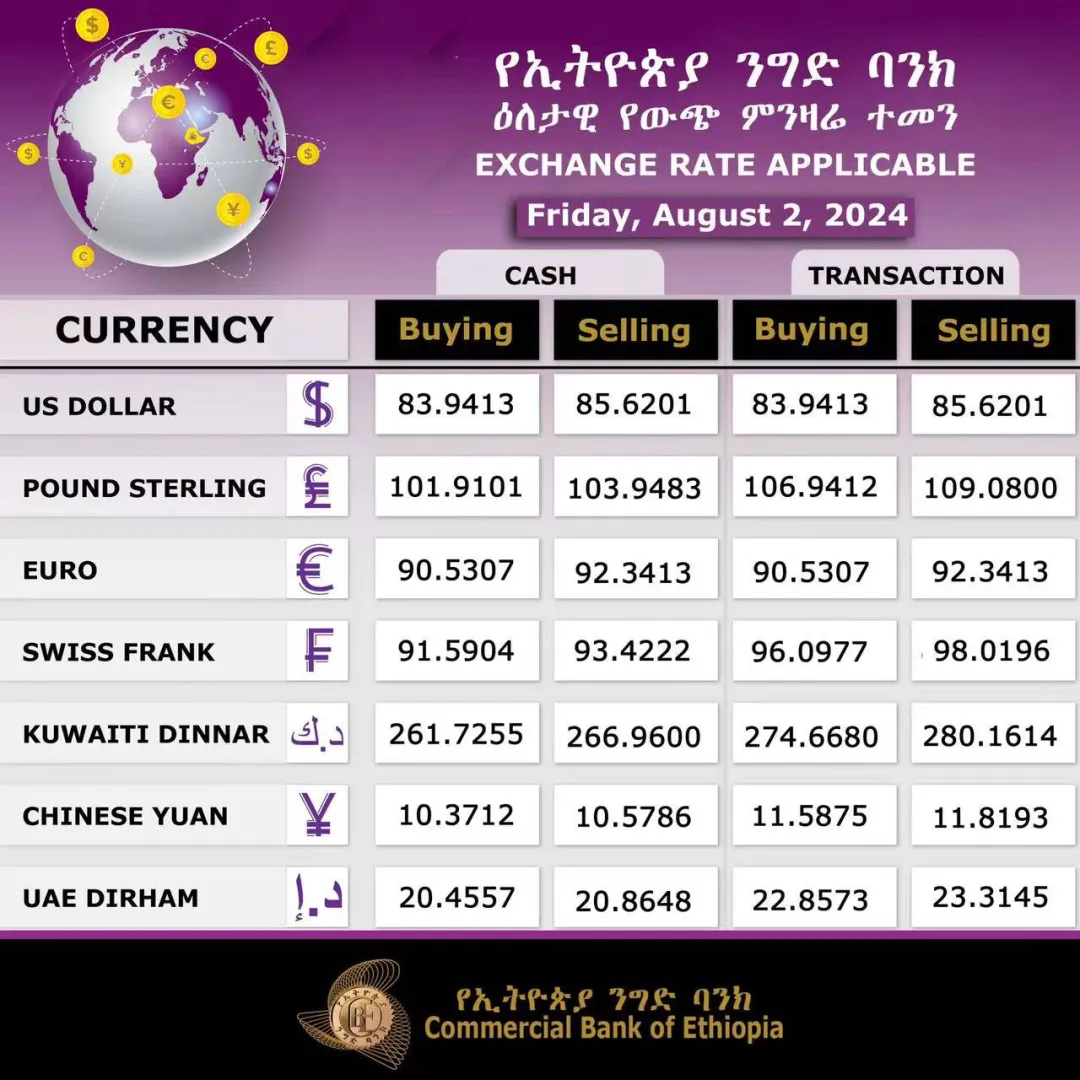
Ethiopia's birr weakened for a third straight day, reaching 83.94 per US dollar on August 2 after a new foreign exchange policy took effect on July 31. The Addis Ababa City Trade Bureau sanctioned 387 merchants for price gouging, while opposition parties questioned the reform's timing. Coffee exports gained short-term price competitiveness, but the longer outlook carries risks.
The depreciation makes Ethiopian coffee cheaper for buyers abroad, yet climate disasters, the Red Sea shipping crisis and domestic conflict weigh on supply. Local residents already feel the squeeze on staples, and officials warn that violating pricing rules can cost a business license. For coffee buyers tracking coffee beans by country, Ethiopia's export volumes and farmgate prices are the figures to watch.
Since Ethiopia implemented a new foreign exchange policy on July 31, the birr has fallen three times in a row against the US dollar within just a few days, dropping to 83.94 birr per US dollar on August 2, sharply increasing the pressure on local people's daily lives. The Addis Ababa City Trade Bureau promptly sanctioned 387 merchants suspected of price gouging, while opposition parties criticized the timing of the reform as inappropriate. At the same time, exports of agricultural products such as coffee have gained short-term competitiveness due to currency depreciation, but climate disasters, the Red Sea shipping crisis, and domestic conflict cast a shadow over the long-term outlook. This article will sort out the deep impact of exchange rate fluctuations on Ethiopia's economy, prices, and coffee industry, and pay attention to how brands such as Front Street Coffee respond amid changes in the producing region.
According to local Ethiopian media reports, the Commercial Bank of Ethiopia updated its foreign exchange rate on August 2, with the current rate at 83.94 birr per US dollar. This is the third exchange rate cut since the new foreign exchange policy was introduced on July 31. Such frequent fluctuations have left local residents feeling heavy pressure, with some even lamenting that if the situation continues, even injera, their daily staple food, will become unaffordable.
According to another report, on August 1, the Addis Ababa City Trade Bureau imposed sanctions on 387 businesses, accusing them of unreasonably raising prices by taking advantage of macroeconomic reforms—including the relaxation of foreign exchange controls and currency depreciation. The bureau's head criticized businesses for maliciously raising prices and failing to display clear price lists, and warned that tougher measures would be taken if unreasonable or untimely price increases continued.
Although the Addis Ababa City Trade Bureau did not disclose the specific details of the sanctions, it said that violating pricing guidelines could lead to the revocation of business licenses, and stressed that this enforcement action was aimed at protecting consumer rights during a period of economic turmoil.
However, the Ethiopian government's foreign exchange reform has drawn dissatisfaction from many quarters, including the opposition Ethiopian Citizens for Social Justice party. The party criticized the government's foreign exchange reform as "untimely" and warned that the country's citizens could fall into economic hardship.
The Citizens for Social Justice party pointed out that letting the market determine the exchange rate is extremely risky for Ethiopia, because the country's production sector is limited in scale and heavily dependent on imports. By any measure, the timing is inappropriate, and the Ethiopian government must bear full responsibility for the economic, social, and political consequences triggered by the new monetary policy.
It is understood that on July 31, Ethiopia announced a major revision of its foreign exchange system, introducing a series of transformational measures. The government believes that foreign exchange reform is crucial for alleviating severe foreign exchange shortages, enhancing export competitiveness, attracting foreign direct investment, and supporting several other macroeconomic reforms.
But shortly after the policy was announced, the exchange rate of Ethiopia's currency, the birr, fell in response, and has now dropped to 83.94 birr per US dollar. This has also sparked discontent among local residents, because the depreciation of the local currency has raised the cost of imported goods, which in turn has pushed already high prices even higher.
Ethiopia mainly imports automobiles, petroleum, cooking oil, fertilizer, and other materials. At the same time, the country's economy is based on agriculture, with farmers and herders accounting for more than 85% of the total population and a strong demand for agricultural inputs such as fertilizer. Rising fertilizer costs directly increase planting costs.
Although the Ethiopian government says it will try to ease the price impact on basic imported goods such as fuel, fertilizer, medicine, and cooking oil through temporary subsidies and price regulation, prices of various consumer goods in the country have already risen sharply, with some goods increasing by 50% to 100%, putting heavy pressure on local consumers. The planting costs of crops such as coffee will also rise accordingly.
In addition, agricultural production is highly dependent on weather conditions, and once severe weather occurs, it can lead to reduced output. On July 29, a landslide occurred in the Central Sidama Zone of Sidama Region, an important coffee-producing area in Ethiopia, causing 6 deaths and economic losses. Recently, the country has continued to experience heavy rainfall, and Ethiopia's National Disaster Risk Management Commission has issued a risk warning for the Sidama area.

At the same time, Ethiopia is highly dependent on maritime shipping for import and export trade, but the current situation in the Red Sea remains tense. In July, 7 ships were still attacked, and the number of shipping vessels at Djibouti's ports has decreased, greatly pushing up shipping costs. Therefore, Ethiopia's export outlook is not optimistic, and domestic prices also remain high.
At present, local traders of coffee and other products are accelerating the sale of their inventories, because after the depreciation of the local currency, selling through the international market can exchange for more foreign currency. At the same time, the depreciation of the birr helps enhance the international competitiveness of Ethiopian coffee, which is beneficial for exports in the short term.
However, some industry insiders believe that the current policy is indeed favorable for coffee exports and has accelerated the pace of coffee sales and exports. Yet due to climate instability and ongoing domestic conflict, coffee inventories will decrease significantly in the future, and there may be a problem of insufficient stock. In addition, the government will provide temporary subsidies during the economic reform period, but they will not last for the long term. In the future, rising costs will push up the prices of crops such as coffee in the new season, and higher prices will in turn weaken international buyers' willingness to purchase.
In other words, the current policy can indeed benefit multiple foreign exchange-earning sectors such as coffee, sesame, beans, and flowers in the short term, but in the long term it will be detrimental to industry development.
The above content is compiled by CoffeeHunters, a coffee news website.


