







How Does the Panama Canal Drought Affect Coffee Central America Trade?
A severe drought has cut capacity on the Panama Canal, the lock-type waterway that carries about 3% of global maritime trade and 46% of container traffic from Northeast Asia to the U.S. East Coast. Coffee central america exports are among the agricultural shipments most affected, as daily transits fell from a normal 39 vessels to 24 before recovering to around 27.
Each lock operation releases 200 million liters of fresh water into the ocean, drawn mainly from Gatun Lake and Alajuela Lake, whose supply depends on rainfall. Climate change and El Niño sharply reduced local precipitation, and the rainy season did not reverse the drought. Panama's government launched a multimodal dry canal plan using existing roads, railways, and ports, while a coffee trees reforestation project funded by the canal authority advances slowly.
The global climate anomalies triggered by El Niño continue to intensify, and the Panama Canal is facing a severe drought test. This golden waterway connecting the two oceans has seen a sharp decline in navigational capacity, affecting about 3% of global maritime trade, with agricultural exports such as coffee from Central America bearing the brunt. To ease canal congestion and insufficient capacity, the Panamanian government has launched a "multimodal dry canal" plan, attempting to open alternative routes using existing roads, railways, and port facilities. At the same time, the coffee tree reforestation project previously invested in by the canal authority is also advancing slowly. This article will sort out the specific impact of the drought on the canal and the coffee trade, and interpret the operational concept and potential benefits of the new plan.
Previously, the El Niño phenomenon caused global climate anomalies, affecting many countries, and Panama was one of them. The hardest hit was the Panama Canal, which is now mired in a drought dilemma, disrupting maritime transport. In response, the country's government has come up with a multimodal transport response plan.
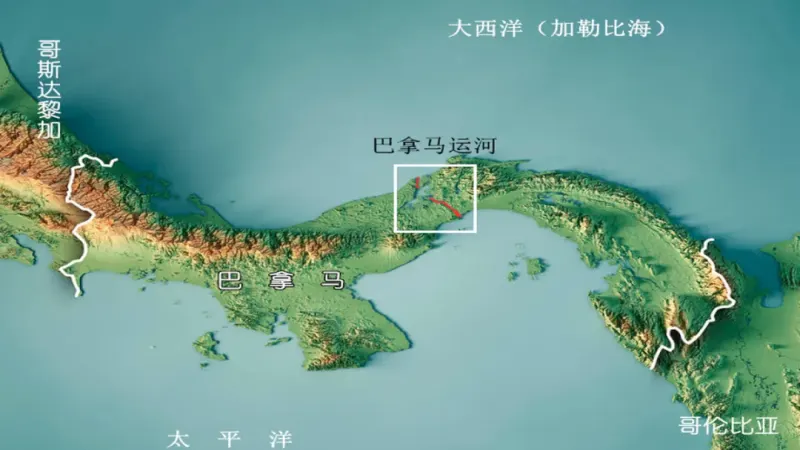
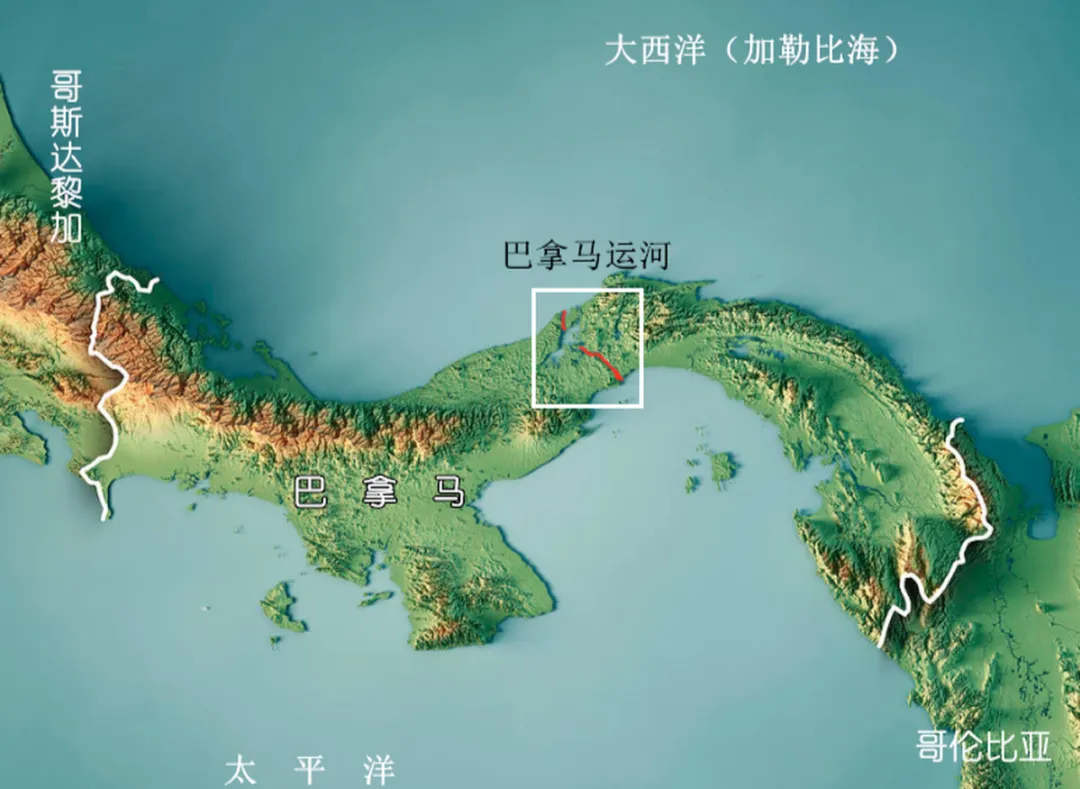
It is reported that the Panama Canal spans between the Pacific and Atlantic Oceans. It is a pivotal shipping channel, known as the "Bridge of the World," ranked among the Seven Wonders of the Modern World, and is also one of the world's key trade waterways.
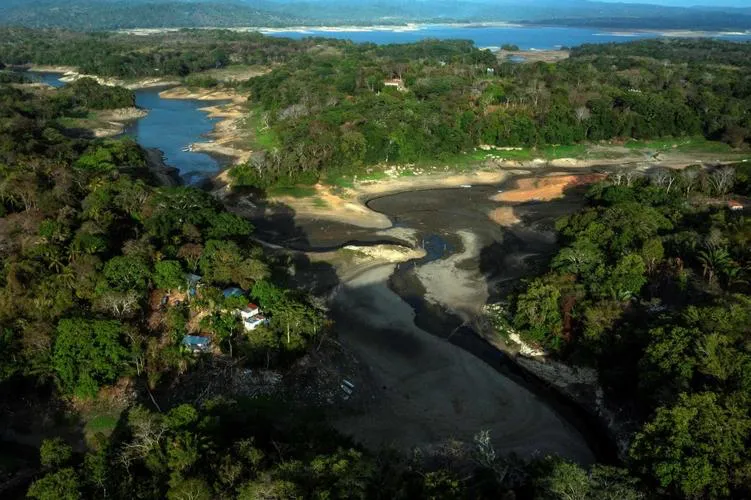
The Panama Canal is a lock-type canal, with its water level 26 meters above sea level. When ships pass through, they need to use locks to raise or lower the water level, and each operation discharges 200 million liters of fresh water into the ocean. This fresh water mainly comes from the nearby Gatun Lake and Alajuela Lake, and the water supply for these two artificial lakes depends on rainfall. However, under the dual impact of climate change and El Niño, local precipitation has shrunk significantly, and even entering the rainy season cannot reverse the drought situation.
Data shows that the Panama Canal carries about 3% of global maritime trade and 46% of container traffic from Northeast Asia to the U.S. East Coast. In normal years, 39 vessels can pass through daily, but under severe impact, daily traffic once fell to 24 vessels, and has recently rebounded to around 27.
Even so, the decline in canal capacity has already hurt agricultural trade between the Northern and Southern Hemispheres, especially crops such as coffee and bananas exported from Central America, and the United States happens to be the world's largest coffee consumer market.
Not only that, due to limited passage slots, the number of ships waiting in line often exceeds 100, causing congestion in maritime traffic. Some ships can only divert and take detours, but this significantly lengthens transport cycles and drives up costs. As a result, auctions for priority passage qualifications emerged, with some shipowners paying as much as $4 million, which ultimately passed through to higher prices and inflation. This is also one of the drivers behind the recent rise in coffee prices.
Earlier, the Panama Canal Authority (ACP) had invested $32 million to launch a 15-year plan. The plan allows coffee farmers to expand Robusta coffee trees around the canal, using coffee tree reforestation to alleviate environmental damage accumulated over many years, including soil erosion and local river pollution, thereby slowing the decline in canal water levels. Although it can play a certain role, this process is slow and cannot immediately resolve the current predicament.
For this reason, the head of the logistics department of the Panamanian President's Office recently said that a new project will be launched to relieve pressure on the canal, named the "multimodal dry canal." According to its positioning, the "dry canal" plan is a supplement to the Panama Canal. It will integrate existing roads, railways, port facilities, airports, and duty-free zones, implement a new "special customs jurisdiction," and because it relies on existing infrastructure, the new project requires no investment.
In addition, Panama's customs authorities believe that the plan will help shorten cargo transshipment and customs clearance times, improve cargo traceability, and promote the digitization of customs processes, thereby enhancing transport transparency and preventing corruption and organized crime. At the same time, the plan can also maintain the competitiveness of waterway transport. Compared with proposals that other countries have made to shipping companies, the "dry canal" plan is a lower-cost alternative.
The above content is compiled by CoffeeHunters, a coffee news website.


