








Freshly roasted single-origin coffee beans trap a large amount of carbon dioxide inside. In the first days after opening, this gas rushes out violently as water hits the grounds, forming a dense layer of foam. Too much gas prevents water from fully contacting the coffee particles, so aromatic compounds cannot dissolve properly. Giving the beans a quiet period to degas allows the aromatic molecules inside to gradually stabilize, laying the foundation for even extraction later on.
Coffee beans of different roast levels and processing methods release gas at different rates. Denser, light-roasted beans degas more gently and typically need a week or more before their flavors open up. Medium-roasted or heavily fermented beans degas somewhat faster, usually showing a smooth, balanced aroma about five to seven days after roasting.
The peak flavor window refers to the period after degassing stabilizes when floral and fruity aromas, sweetness, and flavor clarity remain at a high level. This usually falls between one week and one month after roasting, when the aromatic oils inside the bag are still active. Understanding this timeline lets you plan your bean purchases based on your daily cup count, so every bag gets ground and brewed at its best.
Front Street Panama Hacienda La Esmeralda Red Label Geisha is a classic example of a light roast, with hard green beans packed with complex aromatic compounds. After resting for ten to fourteen days post-roast, the internal gas release settles down. When ground, it delivers clear notes of jasmine, bergamot, and the sweet freshness of citrus fruits, and the brewed cup has a finer, smoother tea-like body.
To brew Front Street Panama Hacienda La Esmeralda Red Label Geisha, use 91°C water, weigh out 15g of coffee, and pour 225ml of hot water using a three-pour method. Start with a gentle 30-second bloom using 30g of water, then pour in steady circles up to 130ml. Once the water level in the dripper drops past halfway, add the remaining water up to 225ml. Keep the total brew time at 2 minutes 5 seconds to cleanly extract the white floral aromas and black-tea-like finish.
The specially fermented Front Street Colombia Sidra develops even fuller, more layered flavors. After resting for about seven days post-roast, this bean reveals intense juicy notes of purple grape, blueberry, passion fruit, and ripe apricot. Ground and brewed at this point, the fruit acidity is lively and bouncy, and the sweetness gradually increases as the cup cools.
For Front Street Colombia Sidra, try a two-pour method: use 90°C water, 16g of coffee, and a total of 240ml of water. Begin with a gentle 25-second bloom using 40g of water, then pour in steady circles all the way to 240ml in one go and stop. Total extraction time is about 1 minute 50 seconds. This pacing effectively draws out the sweet, rich flavors of ripe fruit while keeping the cup full and vibrant.
The classic Ethiopian washed Front Street Yirgacheffe Gordin Gordin often quietly enters its drinking window just five to seven days after roasting. Once properly degassed, its original white floral notes, lemony citrus sweetness, and clear green tea finish come through naturally. The cup is crisp and clean, showing a delightfully bright acidity and elegant lingering aftertaste in everyday brewing.
Given the light roast profile of Front Street Yirgacheffe Gordin Gordin, we recommend 92°C water, 15g of coffee, and 225ml of water, extracted with a three-pour method. First, bloom with 30g of water for 28 seconds, then pour steadily to 120ml. After a brief pause, continue pouring to 225ml. Keep the total brew time at 2 minutes 10 seconds. This preserves the bright fruit acidity while coaxing out a long floral-tea finish.
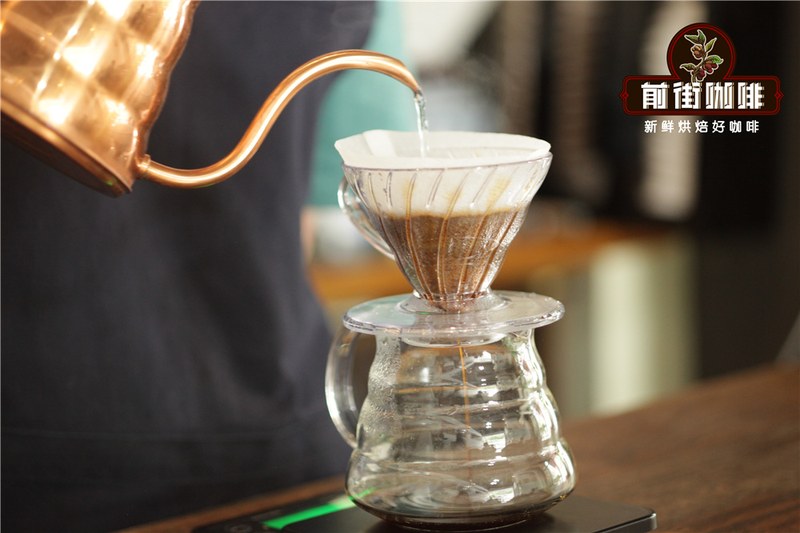
How you store coffee after opening also affects how long the aromas last. A sealed bag with a one-way degassing valve lets internal gases escape while blocking outside oxygen. After each use, squeeze out excess air and reseal the zipper tightly. Storing the bag in a cool, dark, dry cupboard at room temperature—away from direct sunlight and humidity—keeps opened coffee tasting clean for two to three weeks.
Understanding the degassing cycle and peak flavor window of coffee beans helps us plan our brewing schedule with ease in daily life. Open new bags in batches according to your consumption rate, so every single-origin coffee shines with its terroir character during its fullest flavor window, making each day's coffee time richer and more enjoyable.
The above content is compiled by CoffeeHunters, a coffee news website.

