







Search Results for: Meteorological Warning

Sudden Strong Winds Hit Two Outdoor Coffee Festivals in Nanning and Ningbo, Tents Flipped and Heavy Losses Incurred
Recently, a strong cold front swept across China from north to south, hitting North China first before strong winds continued southward, dispersing the earlier muggy heat in South China. On this cool weekend, Nanning in Guangxi and Ningbo in Zhejiang each hosted outdoor coffee festivals, attracting many residents to visit and check in. However, the weather did not cooperate, and both events were hit by sudden fierce winds. Tents on site were uprooted, stall facilities were overturned, and the losses were heavy. Fortunately, there were no casualties. The meteorological observatory had issued a strong wind warning in advance, but the organizers did not adjust the event arrangements or take effective emergency measures, triggering widespread public questioning online. This article will take you through what happened at these two outdoor coffee festivals and discuss issues related to safety management for outdoor events. [more…]
Extreme Weather and Pest Infestation Deal a Double Blow: Vietnam's Coffee Production May Continue to Decline
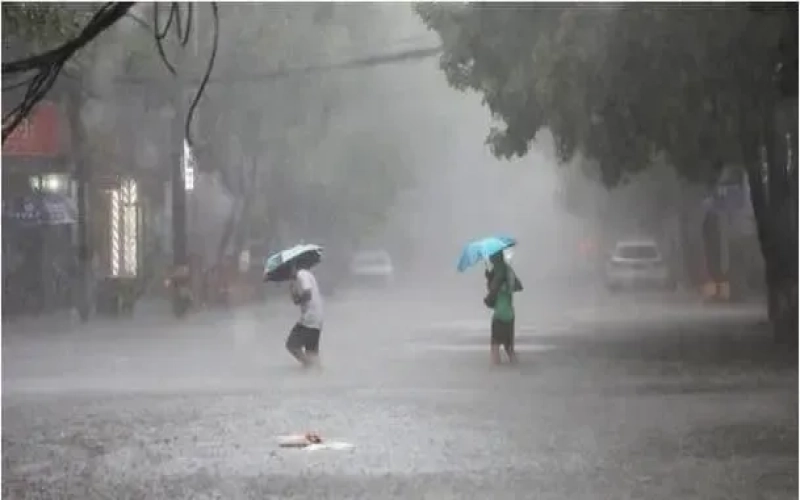
The World Meteorological Organization recently issued a warning that frequent extreme weather is severely impacting Asia. China, Dubai, and other places have been hit by torrential rains and floods, while South Asian countries such as Thailand, Laos, Vietnam, and Indonesia are mired in scorching heat, with temperatures in many areas exceeding 45°C. As a major global coffee-producing region, Vietnam's Robusta coffee is facing a double assault of drought and pests—reservoirs have dried up, irrigation water sources have been depleted, and cotton bollworms are spreading rapidly. Coffee farmers are being forced to increase irrigation frequency, yet have no water to use. Although rain is expected in May to ease the drought, the latest data from the International Coffee Organization show that global coffee exports grew 8.1% in March 2024, while coffee futures prices have continued to decline, creating a subtle contrast between production prospects and market trends. [more…]
Vietnam's coffee-growing regions hit with level-2 drought warning, robusta output drop may continue to push up international coffee prices
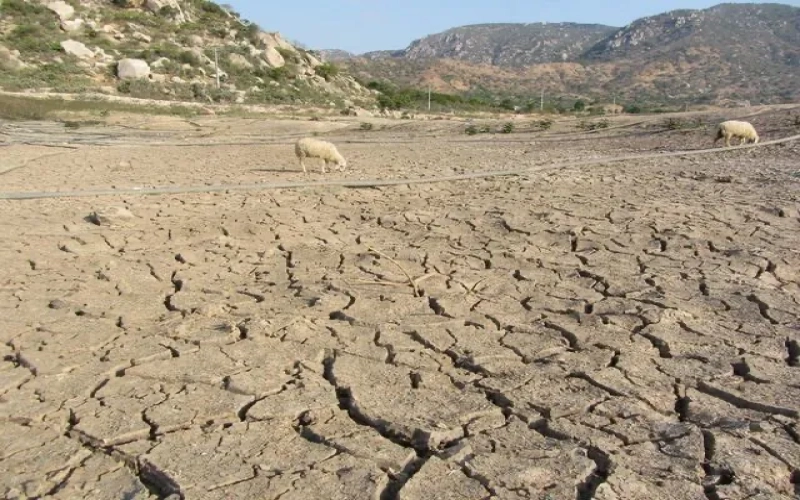
Recently, prices for both Arabica and Robusta coffee in the international market have been on the rise. The main driver behind this is that Vietnam, the world's second-largest coffee producer, is experiencing a severe drought, causing Robusta coffee output to decline and global inventories to tighten accordingly. Vietnam's National Center for Hydro-Meteorological Forecasting has issued a level-2 drought warning for five provinces—Quang Tri, Quang Ngai, Binh Thuan, Phu Yen, and Gia Lai—and warned of possible natural disasters. Rainfall in the central and Central Highlands regions has been significantly lower than in previous years during the same period, with water levels in many rivers dropping to historic lows. The Mekong River's water level has even broken its lowest record since 1926. The combination of drought and salinization has caused coffee trees in the flowering stage to wither and develop yellow leaves, and output in some producing areas may drop by as much as 30% to 50%. Local coffee purchase prices have soared to 120 million Vietnamese dong per ton, an annual increase of 250%, putting pressure on traders' cash flows. This article will review the development of the drought, production forecasts, and price trends, and also examine how brands such as Front Street Coffee are responding amid raw material fluctuations. [more…]

Brazil's early winter brings cold snaps and frost threats, potentially affecting yields of coffee and other crops
Although Brazil is located in the Southern Hemisphere tropics and normally only enters winter from June to September, affected by El Niño, this year's winter seems to have arrived early. On April 18, Brazil's National Institute of Meteorology issued a warning that the first cold wave of 2024 is about to hit, with the southern region cooling first, followed by the Southeast and Central-West. Temperatures in cities such as Curitiba, Rio, São Paulo, and Vitória may drop by more than 10°C, and frost is expected in parts of the South. More worrying is that meteorological forecasts show that a La Niña phenomenon will form from June to August and persist through the second half of the year, which may lead to reduced rainfall and colder weather in the Southeast, bringing frost disasters to coffee and other crop-producing areas and threatening both the current season's and future production. Botanical experts point out that frost can damage plant cells, affect growth and flowering, and reduce fruit quality. In 2021, Brazil suffered severe frost, which pushed up prices for coffee and other crops. Now farmers need to take precautions in advance. [more…]
Panama Climate Change Warning: Rainfall to Decrease and Temperatures to Rise by 2050, Coffee and Other Agricultural Exports Face Challenges
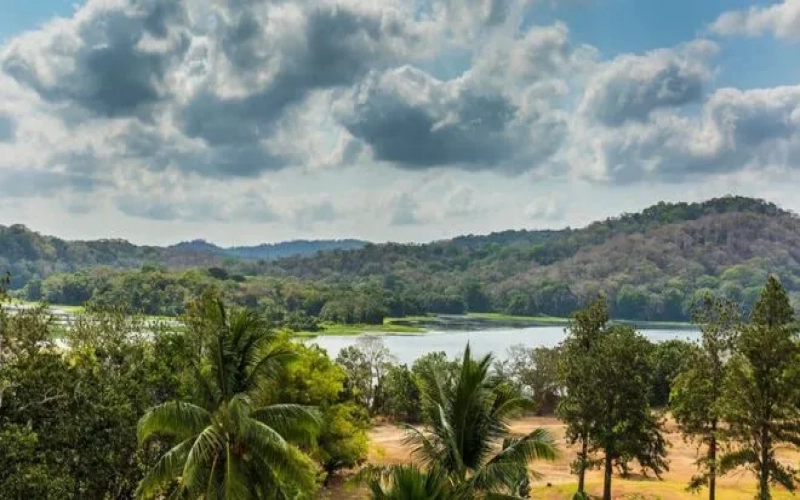
Panama's National Adaptation Plan (NAP) project recently released a report that, using global models and nearly 30 years of meteorological data, simulated the country's climate trajectory for 2050 to 2070. The results show that reduced rainfall and rising temperatures will directly impact Panama's agricultural production, especially the cultivation and trade of export crops such as coffee and bananas. At the same time, shipping through the Panama Canal and hydroelectric power generation will also face greater pressure due to drought. This article will walk you through the report's core findings and their potential impact on the coffee industry. [more…]
Drought in Brazil continues to intensify: over three thousand cities affected, coffee and other crops face pressure of reduced yields
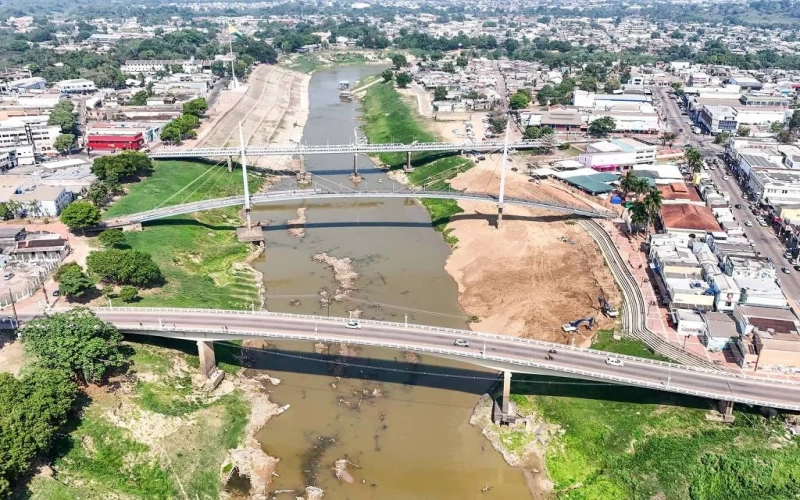
Brazil's National Meteorological Agency recently issued a warning that the central region of the country will continue to experience dry conditions with little rain, and the dry season is more severe than in previous years. Currently, more than 3,000 cities are in varying degrees of drought, with over a thousand cities facing extreme or severe drought. Acre, Amazonas, and many other places have declared states of emergency, with frequent fires, falling river levels, and poor harvests of major agricultural products such as coffee. Brazil's largest coffee cooperative, Cooxupe, pointed out that many producing regions have gone more than three months without rainfall, and August rainfall is still expected to be zero. Coffee farmers are pinning their hopes on the return of rain when the dry season ends in September to October, but La Niña may once again disrupt the weather and threaten coffee production in the next crop season. Affected by this, international coffee prices remain high, and many European and American manufacturers have announced price increases. Front Street Coffee will continue to monitor developments in Brazilian producing regions and trends in the coffee market. [more…]
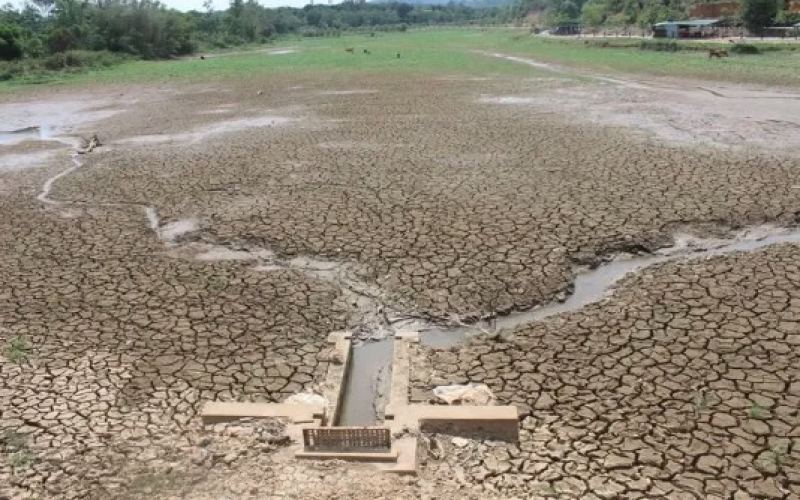
Vietnam is suffering from severe drought, and Vietnamese coffee may further reduce production.
Recently, the World Meteorological Organization warned that extreme weather occurs frequently, and climate change is having a heavy impact on Asia. At present, in some Asian countries such as China and Dubai and other cities, extreme weather such as [more…]

Brazilian weather disruptions combined with a stronger currency keep coffee prices elevated, while the Red Sea and Panama Canal intensify supply chain pressures.
Recently, Arabica and Robusta coffee prices have continued their upward trend. Weather forecasts for Brazil's producing regions show a downward revision in the probability of rainfall, while the real has risen to a near one-and-a-half-week high against the US dollar, dampening the pace of exports. Robusta inventories have fallen to historic lows, and sellers in Vietnam are also holding back supply, while tensions in the Red Sea and drought in the Panama Canal have further pushed up shipping costs. With multiple factors intertwined, the global coffee supply chain is facing a severe test. [more…]
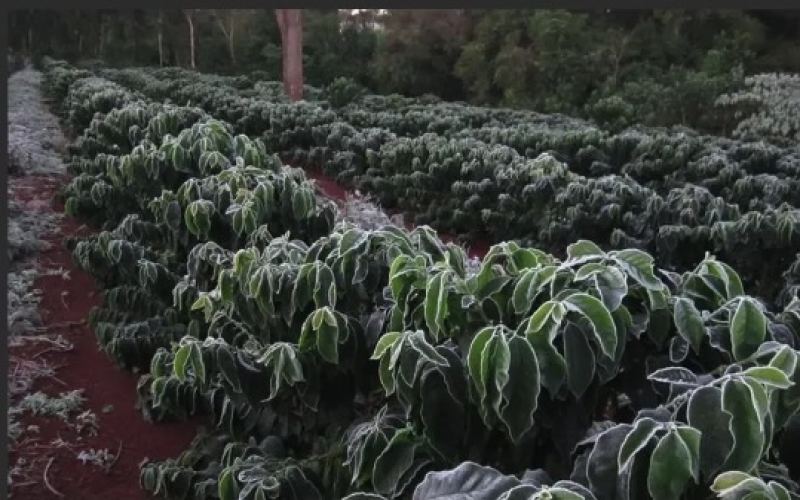
Cold current is coming!? Brazil is about to be hit by a frost.
It is understood that although Brazil is in the southern hemisphere and is located in the tropics, according to normal circumstances, Brazil has four seasons a year, and from June to September every year, winter will come. However, this year, due to [more…]

Heavy Rain in Southern Brazil Devastates São Paulo Coffee Region, Flooding Threatens New Crop Yield During Flowering Season
Several states in southern Brazil have recently been hit by severe storms and heavy rain, with São Paulo and Rio de Janeiro states particularly hard hit, causing casualties and widespread power outages. This coincides with the flowering season for Brazilian coffee trees, and excessive rainfall and flooding could wash out farmland and knock coffee flowers off the trees, threatening production for the new season. At the same time, disrupted rainfall patterns in Minas Gerais are making the planting situation even more severe. The storms have also affected logistics and transportation, worsening ship delays at ports. The market is worried that a reduction in Brazilian coffee production will persist, and prices may remain high or even rise further. This article will review the impact of the disaster and the subsequent trajectory of the coffee industry. [more…]
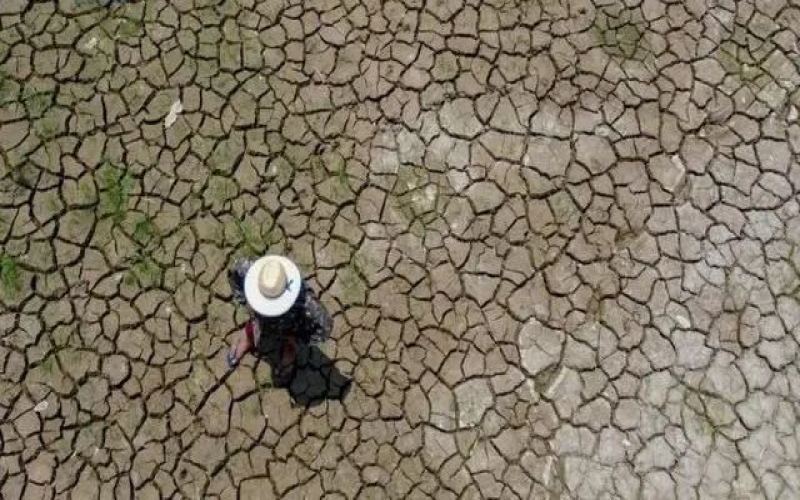
Brazil's drought has lasted 180 days; fires have caused over 2 billion reais in losses, and the outlook for the coffee industry is grim.
Since the start of spring in September, Brazil's drought and fire situation has not eased but has instead continued to worsen. Multiple cities in Minas Gerais have gone without rain for a long time, and the Bom Despacho waterfall has even dried up; after briefly bringing fires under control, São Paulo state has seen 12 cities hit by fires again, with initial agricultural losses estimated at 2 billion reais. At the same time, large areas of smoke have caused air quality to plummet, and Brazil's meteorological agency has warned that five states will experience "black rain." The number of fires in Rio de Janeiro state has surged by more than 95% year-on-year, and nearly 4,000 cities nationwide face the threat of drought. The Brazilian government has sent a letter to the European Union requesting a postponement of the deforestation-free regulation (EUDR) set to take effect at the end of the year, but international coffee prices are still climbing, and Brazil's coffee industry is deeply worried about production and export prospects for the new crop season. [more…]
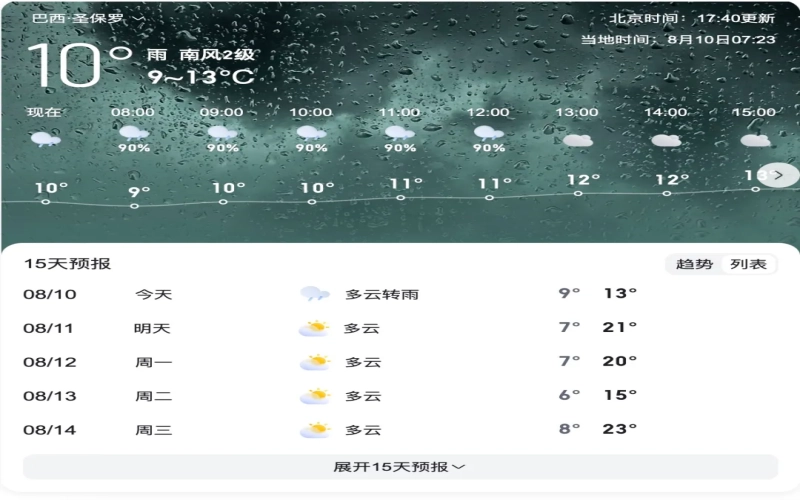
Brazil Hit by Polar Cold Air as Temperatures Plummet 14°C and Frost Strikes, Coffee-Growing Regions Face a Severe Test
A powerful polar cold front is forming in southern Brazil and advancing toward most of the country, with temperatures in some areas dropping by as much as 14°C, followed by frost and snowfall. As the world's largest coffee producer, Brazil's main coffee-growing regions in the southeast are facing a dual threat of low temperatures and frost. Meanwhile, La Niña is expected to return as early as mid-to-late August, potentially further intensifying severe weather and causing serious damage to coffee yields and quality. Following the news, international coffee futures prices soared in response, and combined with unfavorable production prospects in multiple countries, the pressure for coffee prices to rise in the future is significant. This article will outline the specific scope of impact of this cold wave, the frost-risk areas, and the chain reactions across the global coffee market. [more…]
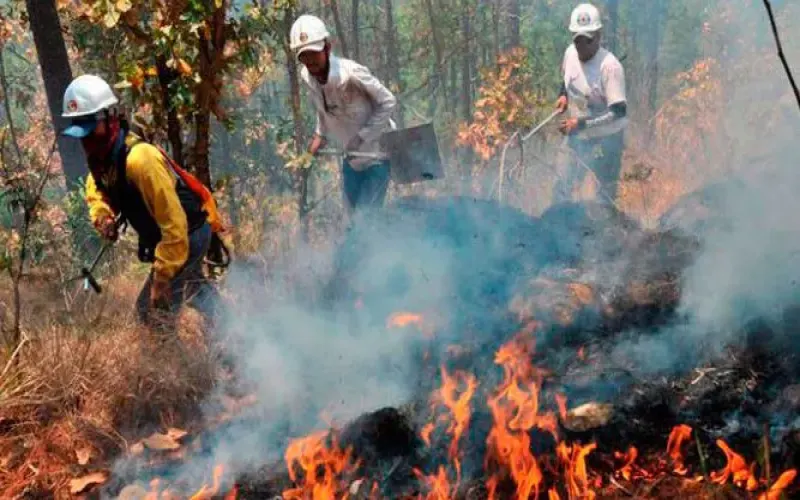
Honduras Ravaged by Wildfires and Extreme Weather, Coffee Industry Faces Risk of Reduced Production
Since 2024, multiple Latin American countries have experienced historic high temperatures and droughts. Honduras is enduring its hottest and driest year since 1992, with maximum temperatures reaching 38-40°C. A total of 1,903 forest fires have broken out nationwide, destroying over 150,000 hectares of forest. Although the main coffee-producing regions have not yet been directly hit by the wildfires, rainfall has decreased by nearly 40% compared to the same period last year, hampering the growth of coffee plants during their flowering period. More critically, El Niño has not yet subsided, while La Niña is highly likely to arrive, and the threat of hurricane season is imminent. The Honduran Coffee Institute (IHCAFE) has already issued a warning about next season's output. Front Street Coffee will continue to monitor developments in the producing regions and bring first-hand information to enthusiasts. [more…]
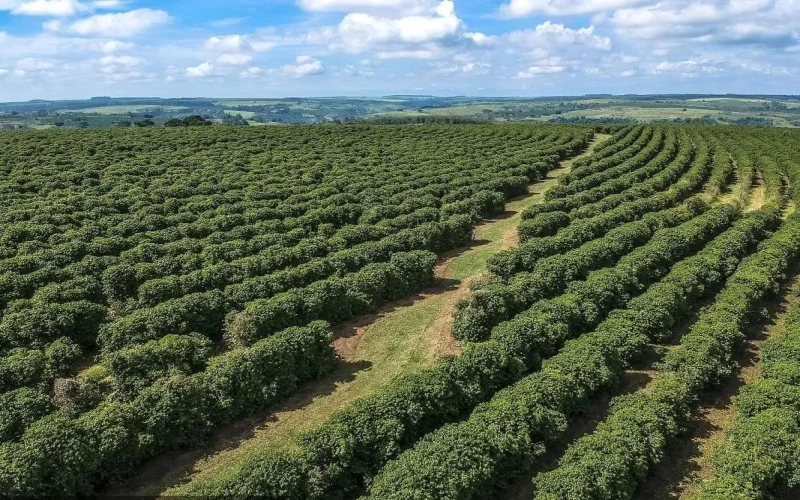
Brazil Hit by Extreme Rainstorms, New Coffee Crop Yield Faces Severe Test
Several major coffee-producing regions in southeastern Brazil were recently hit by severe storms formed by the collision of strong cold fronts and high temperatures. São Paulo, Minas Gerais, Espírito Santo, and Rio de Janeiro were all affected, with rainfall in some areas exceeding 100 mm per day and wind speeds reaching up to 100 km/h. Together, these regions account for 48% of Brazil's total national coffee output, and as the coffee berries are currently in their fruit-setting stage, the storms and heavy rain caused large numbers of cherries to drop. Industry insiders are calling on coffee farmers to strengthen precautions. At the same time, the heavy rain has caused at least 24 deaths and displaced thousands of people, while the dengue fever outbreak continues to spread, putting pressure on the healthcare system and raising the risk of labor shortages during the harvest period. Front Street Coffee will continue to follow developments in Brazil's producing regions and bring coffee lovers the latest information. [more…]
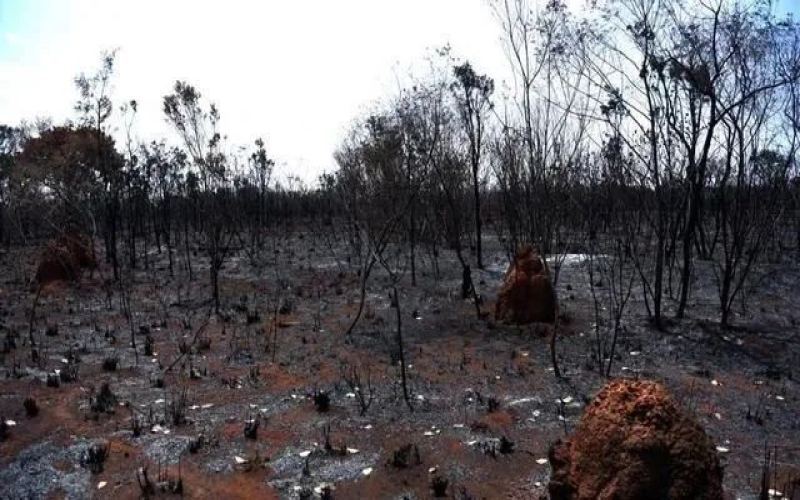
Brazil Fires Cause 14.7 Billion Reais in Agricultural Losses; New Coffee Crop Expected to Fall 6.8%
Brazil has recently suffered severe fires and a historic drought, with agribusiness losses reaching 14.7 billion reais, and coffee-growing regions have also been affected. According to estimates by the Brazilian Confederation of Agriculture and Livestock, the fires from June to August caused enormous economic losses, with São Paulo state hit hardest. At the same time, Brazil is experiencing an extreme drought, with more than a thousand cities going months without significant rainfall, many rivers shrinking, and coffee tree growth severely affected. The official agency Conab has already lowered its forecast for 2024/25 coffee production, expecting a reduction of 4 million bags, a decline of 6.8%. If weather conditions do not improve before the end of the year, production may decline further, and coffee prices will remain high. [more…]
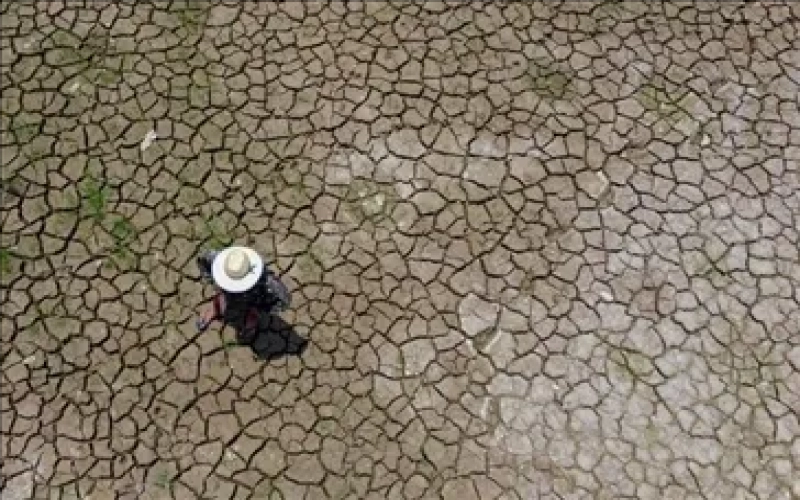
Over a thousand cities in Brazil hit by severe drought; harvest accelerates in major coffee-growing regions while supply outlook comes under pressure.
The latest report from the Brazilian government shows that more than 1,000 cities across the country are experiencing extreme or severe drought, with the number of fires hitting a near-decade high. Experts assess this as the most severe drought in the past 70 years. The northern Amazonas state and Mato Grosso do Sul state are particularly hard hit, while Minas Gerais, the main coffee-producing region, also faces the threat of high temperatures and scant rainfall. To cope with the adverse effects, Brazilian coffee regions are accelerating their harvest pace, but domestic market inventories are tight, expectations for new-crop supply have been revised downward, and the global coffee market remains highly attentive to changes in Brazilian supply. [more…]
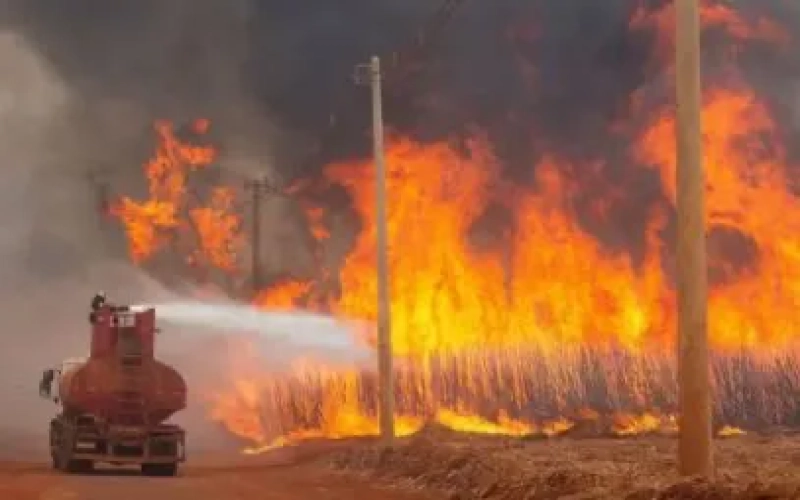
Fires in São Paulo State cause agricultural losses of about 1 billion reais, coffee futures prices may rise further
The state of São Paulo, Brazil, recently suffered severe fires, and the Civil Defense Authority warned that almost the entire state remains at high risk. Between August 22 and 24, a total of 2,600 fire points were recorded, with more than 80% concentrated in agricultural land such as sugarcane fields and coffee estates. The Ministry of Agriculture and Supply initially estimates losses at about 1 billion reais, and the actual figure may be higher. The fires burned at least 80,000 hectares of crops, and a large number of bees died, directly affecting coffee pollination and next year's output. At the same time, multiple coffee-producing regions in Brazil have gone more than 120 days without effective rainfall, the outlook for the Arabica flowering season is worrying, Robusta prices have already exceeded US$5,000 per ton, and coffee prices may continue to rise. [more…]
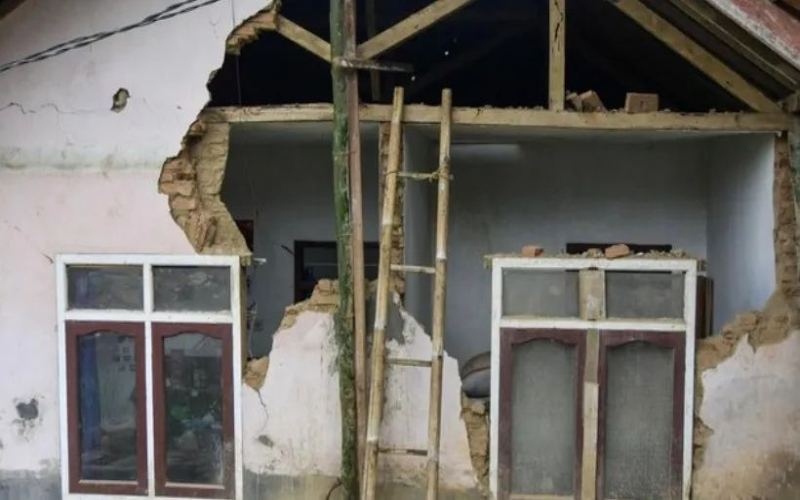
Two major coffee-producing regions in Indonesia have been hit by disasters in succession; output may decline further, and prices could keep rising.
Recently, several major coffee-producing regions in Indonesia have been hit by natural disasters. A magnitude 5.0 earthquake struck near Bandung in West Java on the island of Java, causing injuries and damage to homes; the Aceh region in northern Sumatra was hit by heavy rain and strong winds, and with the coffee harvest season underway, harvesting work has been disrupted. At the same time, several provinces are also facing ongoing drought, and coffee production may decline further. This article summarizes the disaster situations in various areas and their impact on Indonesia's coffee industry. [more…]
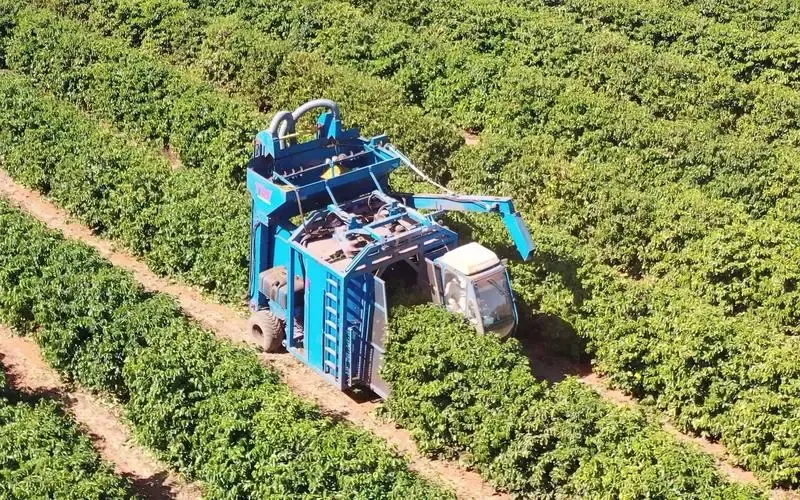
Brazil's coffee-growing regions face prolonged drought: harvest progress runs ahead of schedule, but yields are a concern, and prices are rising across the board.
Brazil is in the middle of its coffee harvest season, with 58% of the crop now gathered, ahead of the five-year average. However, although the hot, dry weather has favored picking, it has had a clear negative impact on coffee output: beans are smaller and yields are falling, and drought alerts have been issued in many areas. Production falling short of expectations has driven coffee prices steadily higher both in Brazil and abroad, with robusta and arabica futures posting sharp gains. The market is also worried that the coming La Niña phenomenon could deal a further blow to 2025/26 output. This article reviews the drought conditions in Brazil's various producing regions, the downward revisions to production, and price trends, and includes related recommendations from Front Street Coffee. [more…]
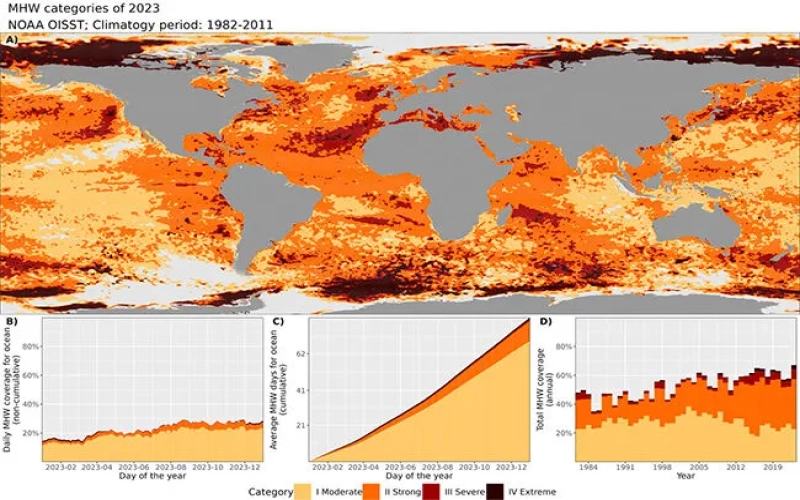
Rising La Niña Probability May Push Coffee Prices Higher, Brazil's Robusta Output Poised to Surpass Vietnam
The latest report from the World Meteorological Organization shows that El Niño is weakening, and La Niña may return in the second half of the year. This climate shift will bring markedly different effects to global agriculture: Australia, West Africa, and parts of Asia are expected to receive abundant rainfall, favoring the growth of crops such as wheat, palm oil, cocoa, and coffee; while the Americas may face drought, and Brazil's soybean, coffee, and corn-producing regions will come under pressure from reduced yields. At the same time, international prices for coffee, cocoa, and wheat have already remained high for a sustained period, and if adverse climate factors intensify, agricultural product prices may rise further. In recent years, Brazil has vigorously developed robusta coffee, with production expected to reach 21 million bags in 2024, and it is expected to surpass Vietnam in the 2027/28 season to become the world's largest robusta-producing country. In addition, La Niña may also increase Atlantic hurricane activity, threatening energy infrastructure in the Gulf of Mexico and thereby driving up crude oil and shipping costs. [more…]