







What Extreme Weather Means for the Honduras Coffee Industry
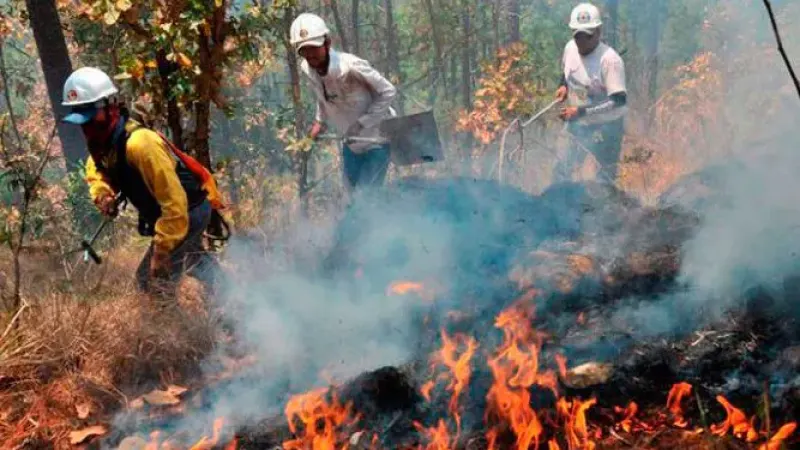
Honduras is enduring its hottest and driest year since 1992, with peak temperatures of 38 to 40°C. The forest conservation institute ICF has recorded 1,903 forest fires burning over 150,000 hectares. Rainfall is down nearly 40% year on year, which has hampered coffee plants during flowering, and the Honduran Coffee Institute IHCAFE has warned about next season's production.
Olancho, Francisco Morazán, and Gracias a Dios saw the worst forest loss, at 37,100, 32,400, and 23,500 hectares. Olancho and Francisco Morazán are coffee-growing areas, though not the country's main producers, so the direct fire damage to tropical coffee output is limited for now. El Niño has not subsided, La Niña may follow, and hurricane season adds further risk.
Since 2024, multiple Latin American countries have experienced historic high temperatures and droughts. Honduras is enduring its hottest and driest year since 1992, with peak temperatures reaching 38-40°C. Nationwide, 1,903 forest fires have broken out, destroying over 150,000 hectares of forest. Although the main coffee-producing regions have not yet been directly hit by the wildfires, rainfall has decreased by nearly 40% compared to the same period last year, hampering the growth of coffee plants during their flowering stage. More critically, El Niño has not yet subsided, while La Niña is highly likely to follow, and the hurricane season poses an imminent threat. The Honduran Coffee Institute (IHCAFE) has issued a warning about next season's production. Front Street Coffee will continue to monitor developments in the producing regions and bring first-hand information to enthusiasts.
Recently, Honduras has been battered by extreme weather, and the Honduran Coffee Institute (IHCAFE) has expressed concern about the upcoming coffee harvest. The latest statistics from the Honduran Forest Conservation Institute (ICF) show that as of this year, 1,903 forest fires have been recorded nationwide, with the burned area exceeding 150,000 hectares, dealing a heavy blow to the country's agriculture.
Looking at the damage across different regions, Olancho has suffered the most severe forest loss, with 37,100 hectares affected, ranking first in the country; it is followed by Francisco Morazán, with 32,400 hectares destroyed; and Gracias a Dios ranks third with 23,500 hectares.
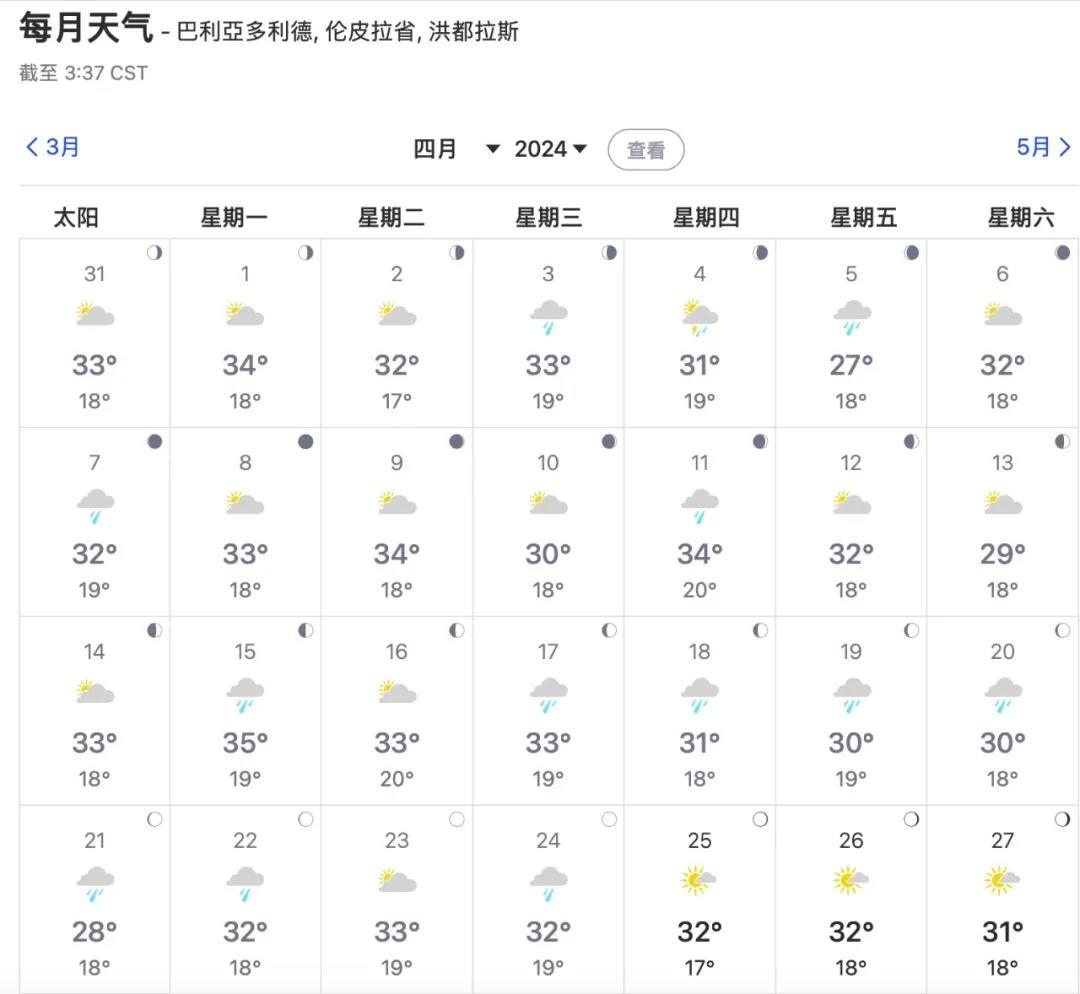
Meanwhile, since the start of 2024, temperatures in multiple Latin American countries have repeatedly broken records. Persistent high temperatures and drought have led to a continuous wave of fires, reducing vast tracts of forest to scorched earth, and several countries have declared a state of emergency. Honduras has not been spared either. Local media report that the country is experiencing its hottest and driest year since 1992, with peak temperatures reaching 38 to 40°C.
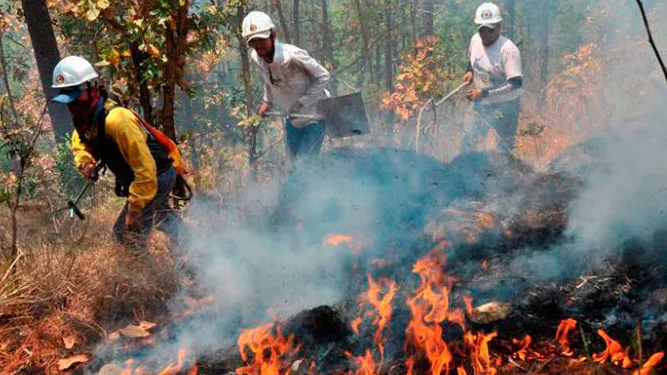
It is worth noting that Olancho and Francisco Morazán, two of the areas hardest hit by the wildfires, are both coffee-growing regions in Honduras. Fortunately, these two departments are not the country's main coffee-producing areas and account for a limited share of output, so the direct impact of the wildfires on the coffee industry is relatively manageable.
However, the indirect effects should not be overlooked. The Honduran Coffee Institute (IHCAFE) predicts that the drought and high temperatures triggered by El Niño will pose a threat to next season's coffee bean production. According to Honduras's meteorological monitoring data, nationwide rainfall has decreased by nearly 40% compared to the same period last year, which is extremely unfavorable for the development of coffee plants during the flowering stage and may cause fatal damage.
In addition, although the wildfires have not directly affected coffee plants, there are still many potential hazards. After forests burn, soil structure is damaged and erosion is intensified, soil fertility declines, and agricultural output decreases accordingly; at the same time, the recovery of forest ecosystems takes a very long time.
What is even more troublesome is that Honduras itself is highly vulnerable to climate change. This year the country has already borne the heavy pressure of El Niño, and it will most likely also face the test of La Niña next. Honduras's Permanent Contingency Commission (Copeco) warns that this year could bring a disaster similar to Hurricane Mitch in 1998, and the hurricane season will pose a serious threat to the country.
Looking back at history, Hurricane Mitch once dealt Honduras a devastating blow, causing more than 5,000 deaths and destroying countless bridges, houses, roads, and crops, with economic losses reaching as high as 4 billion US dollars.
This year's Atlantic hurricane season is expected to generate 23 tropical storms, 11 of which may intensify into hurricanes, including 5 highly destructive major hurricanes—far exceeding the average level of previous years. Copeco has drafted an emergency plan and submitted it to the president. The government will invest at least 900 million lempiras to respond to hurricane disasters, but local residents also need to take precautions before the hurricane season arrives.
The above content is compiled by CoffeeHunters, a coffee news website.


