







Why Is Vietnam Coffee Output Falling and Prices Rising?
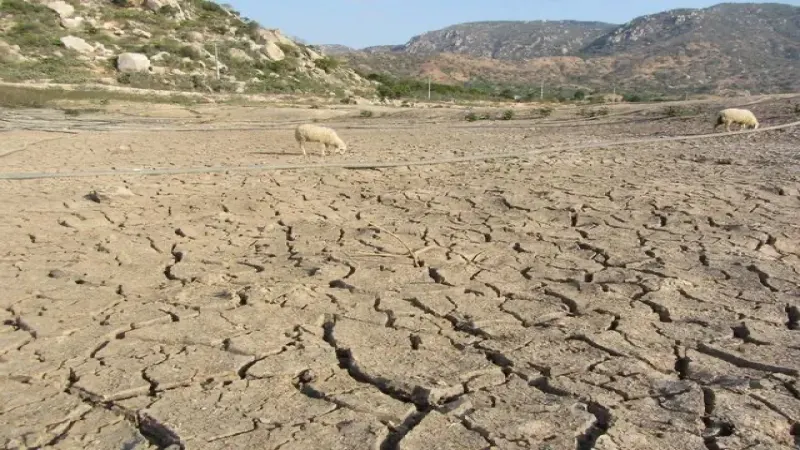
Vietnam's National Center for Hydro-Meteorological Forecasting has issued a level-2 drought warning for five provinces: Quang Tri, Quang Ngai, Binh Thuan, Phu Yen, and Gia Lai. Rainfall across the central and Central Highlands regions has run well below the multi-year average, and the Mekong River has hit its lowest water level since 1926, cutting robusta output and tightening global inventories.
Coffee trees in their flowering stage have withered with yellow leaves, and some production areas may see yield losses of 30 to 50 percent. Local purchase prices have climbed to 120 million Vietnamese dong per ton, an annual rise of 250 percent, squeezing traders' cash flow. Vietnam coffee remains the world's second-largest supply source, so the shortfall is lifting both arabica and robusta prices internationally.
Recently, prices for both Arabica and Robusta coffee in the international coffee market have been on the rise. The main driver behind this is that Vietnam, the world's second-largest coffee producer, is experiencing severe drought, leading to a decline in Robusta coffee output and a tightening of global inventories. Vietnam's National Center for Hydro-Meteorological Forecasting has issued a level-2 drought warning for five provinces—Quang Tri, Quang Ngai, Binh Thuan, Phu Yen, and Gia Lai—and cautioned about potential natural disasters. Rainfall in the central and Central Highlands regions has been markedly lower than in previous years during the same period, with water levels in many rivers dropping to historic lows; the Mekong River's water level has even broken the lowest record since 1926. The combination of drought and salinization has caused coffee trees in their flowering stage to wither and develop yellow leaves, with some production areas potentially seeing yield reductions of 30% to 50%. Local coffee purchase prices have soared to 120 million Vietnamese dong per ton, an annual increase of 250%, putting pressure on traders' cash flows. This article will review the development of the drought, production forecasts, and price trends, and look at how brands like Front Street Coffee are responding amid raw material fluctuations.
Recently, prices for both Arabica and Robusta coffee in the international coffee market have been rising, primarily because Vietnam, the world's second-largest coffee-producing country, is suffering from severe drought, which has reduced Robusta coffee output and led to a decline in global coffee inventories.
According to a recent report released by Vietnam's National Center for Hydro-Meteorological Forecasting, the center has issued a level-2 drought warning for five provinces—Quang Tri, Quang Ngai, Binh Thuan, Phu Yen, and Gia Lai—and warned of potential natural disasters in these areas.
Meanwhile, over the past period, total rainfall (TLM) in Vietnam's central and Central Highlands regions has remained persistently low. Rainfall in the central region has decreased by 10 to 20 millimeters compared to the multi-year average for the same period, while the Central Highlands has seen 30 to 70 millimeters less than the same-period average.
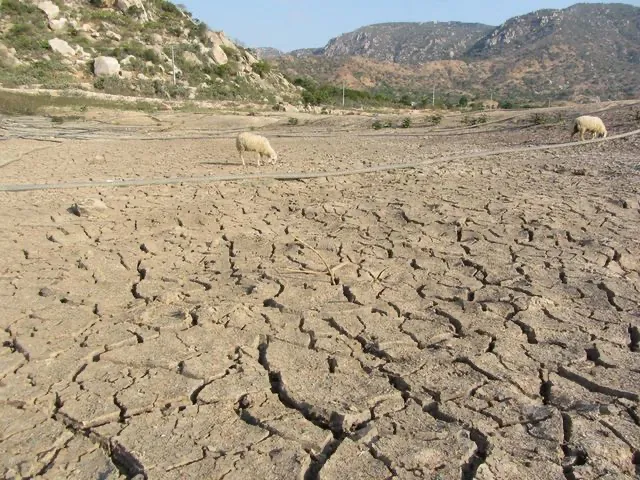
In addition to insufficient rainfall, river water levels in the central region have been slow to change, with some rivers dropping to historic lows. For example, the water level of the Song Vu Gia in Quang Nam Province is only 1.41 meters, setting a historic low; the Song Autumn Basin in Quang Nam Province recorded a water level of 0.47 meters, which is 0.09 meters below the lowest water level.
Furthermore, the water level of the Mekong River, the longest river in Southeast Asia, has dropped significantly, breaking the lowest record since 1926, leading to severe drought and land salinization in Vietnam.
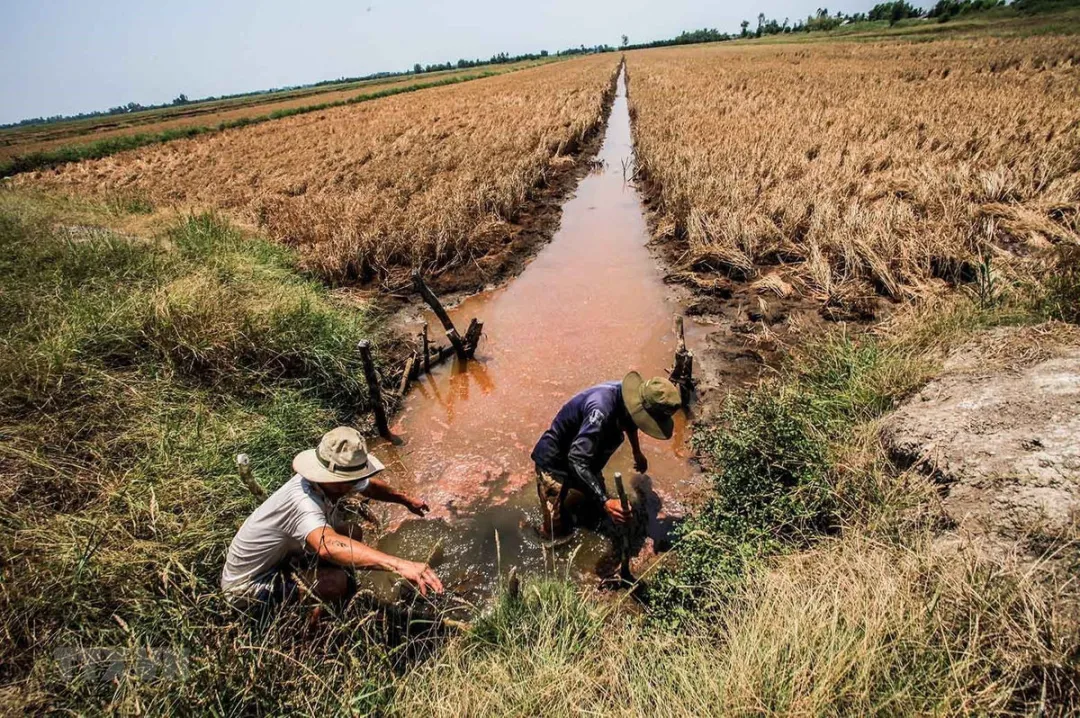
Falling water levels, drought, and land salinization have put Vietnam's agricultural cultivation, including coffee, in crisis. April is normally the flowering season for Vietnamese coffee, but severe drought and high temperatures have caused coffee plants to wither and leaves to turn yellow.
Moreover, as rainfall in many areas remains low and unevenly distributed, the drought persists, with many lakes and streams drying up and a severe shortage of irrigation water.
According to data released by the Vietnam Coffee and Cocoa Association, coffee production in some areas may be damaged by as much as 30% to 50%. The association predicts that coffee production could decrease by 20% from the previous year's 1.84 million tons, and exports will also drop by 20% from the same period last year's 1.67 million tons.
This situation has caused local coffee prices in Vietnam to climb sharply, with purchase prices breaking the 100 million mark to reach 120 million Vietnamese dong (about 34,000 yuan) per ton, an increase of up to 250% over the past year.
The frenzied rise in coffee prices has put local traders at risk of bankruptcy. Industry insiders believe that if high prices persist, it will pose a major challenge to traders' cash flows, especially for small and medium-sized traders, who are in an even more severe situation.
In addition, such high prices have put local traders in a dilemma: if they sell without raising prices, they will face losses; but if prices rise too high, they may lose customers and reduce sales.
In response to the current drought, the weather forecasting center predicts that conditions will improve by the end of April, but rainfall will still be insufficient to alleviate the situation. In addition, La Niña is likely to return in the second half of the year, potentially bringing heavy rain or floods, and preventive measures need to be taken in advance to avoid further impact.
The above content is compiled by CoffeeHunters, a coffee news website.


