







How Do São Paulo Fires Affect Arabica Coffee Supply?
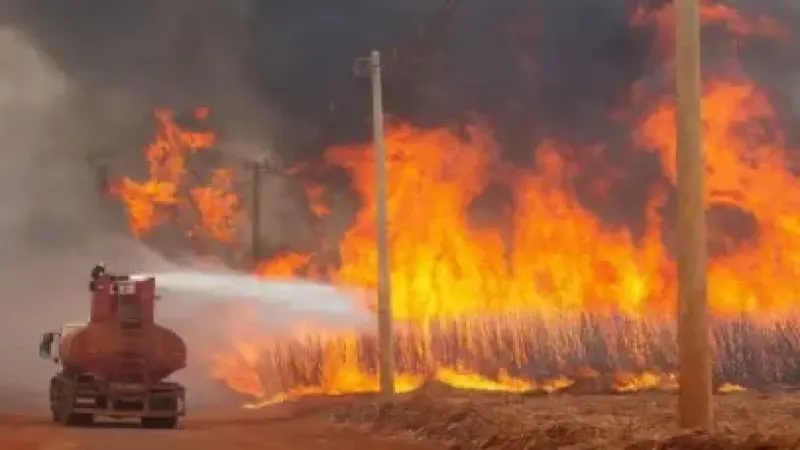
Severe fires hit São Paulo state in Brazil between August 22 and 24, with 2,600 fire hotspots recorded and more than 80 percent concentrated on farmland including coffee estates. The state agriculture department estimated losses at about 1 billion reais, or roughly US$182 million, and the final figure could be higher.
The fires burned at least 80,000 hectares of crops and killed large numbers of bees, which directly affects coffee pollination and next year's output. Multiple Brazilian growing regions have gone more than 120 days without effective rainfall, so the outlook for the arabica coffee flowering season is worrying, robusta has already topped US$5,000 per tonne, and prices may keep climbing.
The Brazilian state of São Paulo recently suffered severe fires, and the Civil Defense Authority warned that nearly the entire state remains at high risk. Between August 22 and 24, a total of 2,600 fire hotspots were recorded, with more than 80% concentrated in agricultural land such as sugarcane fields and coffee estates. The Ministry of Agriculture and Supply initially estimated losses at about 1 billion reais, and the actual figure could be even higher. The fires burned at least 80,000 hectares of crops, and a large number of bees died, directly affecting coffee pollination and next year's output. Meanwhile, multiple coffee-producing regions in Brazil have gone more than 120 days without effective rainfall, the outlook for the Arabica flowering season is worrying, Robusta prices have already exceeded US$5,000 per tonne, and coffee prices may continue to rise.
According to local Brazilian media reports, the state of São Paulo recently suffered a severe fire disaster. The São Paulo State Civil Defense Authority issued a warning that, due to the current sustained high temperatures, almost the entire state still faces a high fire risk.
As early as August 25, the São Paulo state government announced that the entire state was entering a state of "high alert," with 46 cities implementing a 180-day state of emergency. According to records from São Paulo state, between August 22 and 24, a total of 2,600 fire hotspots appeared, of which 81.29% were concentrated on agricultural land, including sugarcane plantations, coffee estates, and livestock farms.
Police are currently investigating the fires in São Paulo state and suspect that some of the fires were deliberately set. Seven suspects have already been arrested on suspicion of arson. In addition, Brazil is still experiencing high temperatures, with strong winds reaching speeds of up to 60 kilometers per hour, and combined with the lack of rainfall and relatively low air humidity, these factors will further intensify the fire risk.
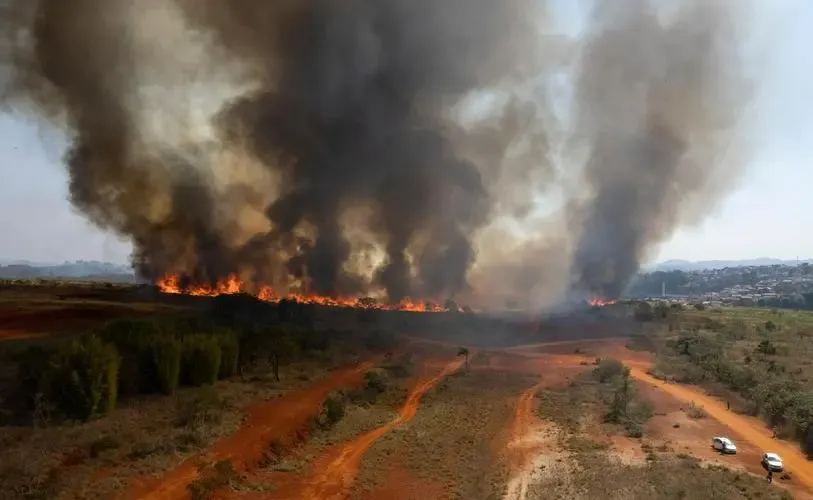
Most of the open flames in various parts of São Paulo state have now basically been extinguished, but because the fire risk remains very high, the situation is still worrying, and the troops sent to assist remain on standby. According to estimates by the São Paulo State Department of Agriculture and Supply, this round of fires has caused about 1 billion reais (about US$182 million) in losses to local agricultural production activities. This figure is only based on preliminary statistics from 20 of the 40 regions under the state's technical assistance coordination agency, so the actual losses are likely to be even more serious.
The report shows that the fires not only destroyed native vegetation, but also burned at least 80,000 hectares of crops, covering sugarcane fields, coffee estates, agricultural research centers, and various rural crops. A large number of agricultural facilities, rural homes, and crops were also damaged.
In addition, an agricultural expert pointed out that what is truly irrecoverable is the natural environment itself—trees were burned down, and the ecosystem suffered severe damage, which will take about three years to partially recover.
The fires also dealt a heavy blow to the local beekeeping industry. Millions of bees died because they could not withstand the smoke and high temperatures, and honey production was therefore damaged. Moreover, because the area has been reduced to ashes, the surviving bees have difficulty finding food. Coffee production may decline sharply. In addition to the parts that were burned, coffee trees about to enter the flowering stage will also face the dilemma of a lack of bee pollination.
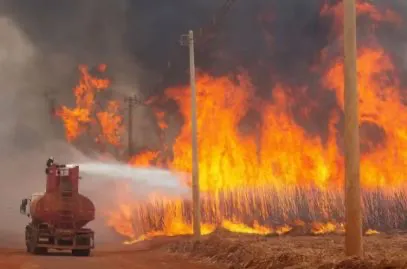
Recently, because Brazil is the world's largest coffee producer, the drought and fires in the coffee-producing regions of southeastern Brazil have continued to attract market attention and have kept pushing coffee prices higher.
As September approaches, Brazilian Arabica coffee is about to enter its flowering season, but multiple coffee-producing regions have reported drought. Several Brazilian coffee-producing regions have seen no meaningful rainfall in the past 120 days, which is unfavorable for coffee trees to flower. São Paulo state in particular suffered its worst fires in decades, with most vegetation destroyed, thereby affecting next year's output.
According to forecasts by local Brazilian meteorological authorities, a new round of heatwaves is expected in the coming period, and the weather in Brazilian coffee-producing regions will remain in an unfavorable dry situation, with rainfall also below normal levels. Therefore, Arabica futures prices may rise to 300 cents per pound, while Robusta prices have now exceeded US$5,000 per tonne and may continue to remain high in the future.
To learn more news and information about coffee origins, please scan the QR code to follow: Coffee Review
Long-press the QR code to follow:
The above content is compiled by CoffeeHunters, a coffee news website.


