





How is the drought changing Brazil's arabica coffee harvest?
Brazil has harvested 58 percent of its coffee crop, ahead of the five-year average of 54 percent, helped by hot, dry weather. The same conditions cut yields: beans are smaller and per-unit output is down, and drought alerts cover multiple regions. Marex Group lowered its arabica coffee forecast by 2.6 million bags, to 44 million bags.
Local institutions expect actual coffee production to run 10 to 15 percent below forecast, and some estates in northern Espirito Santo report output under 30 percent of expectations. Alta Mogiana in Sao Paulo state has gone more than 100 days without rain, while Minas Gerais received only 1.3 mm last week. Falling supply pushed robusta and arabica futures higher, with La Nina a further concern for 2025/26.
Brazil is in the midst of its coffee harvest season, with 58% of the crop already collected, surpassing the average of the past five years. However, while the hot, dry weather has aided harvesting, it has also had a clear negative impact on coffee yields: beans are smaller and per-unit yields are down, and drought alerts have been issued in multiple regions. Production falling short of expectations has driven coffee prices higher both in Brazil and abroad, with robusta and arabica futures both seeing sharp increases. The market is also concerned that the upcoming La Niña phenomenon could further affect 2025/26 production. This article will review the current drought conditions in Brazil's various producing regions, the downward revisions to production, and price trends, and will also include Front Street Coffee's related recommendations.
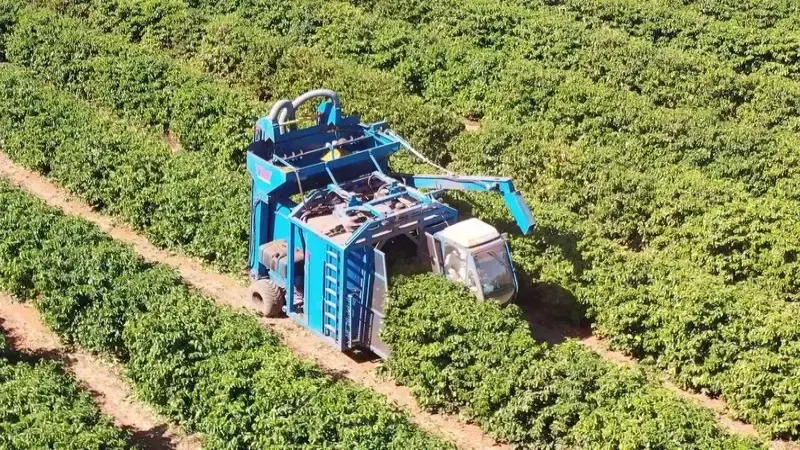
Brazil is currently in its coffee harvest stage. Data from consultancy Safras & Mercado shows the country has completed 58% of this year's coffee harvest, a figure clearly ahead of the five-year average of 54% for the same period.
The faster harvest pace is due to relatively dry weather conditions, but at the same time, the ongoing heat and lack of rain may also have a negative impact on coffee production.
Judging from actual harvesting conditions, coffee production has not reached the ideal state, falling short of earlier market estimates, and there has been a phenomenon of smaller-than-usual beans.
For this reason, several Brazilian institutions have lowered their forecasts for the new season's coffee production. For example, Marex Group cut its forecast for Brazil's arabica coffee production by 2.6 million bags, to 44 million bags (60 kg each).
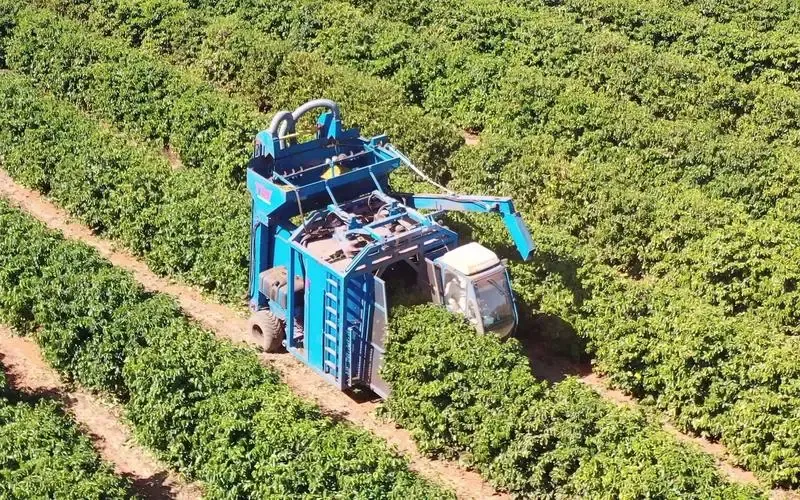
Not only that, local coffee institutions also said actual production is expected to be 10% to 15% lower than forecast. There are also reports that some coffee estates in northern Espírito Santo have actual output less than 30% of market expectations. Because the beans are small, more beans are needed to fill a 60-kg bag.
However, water shortages in several Brazilian coffee-producing regions have recently become quite severe. For example, in the Alta Mogiana sub-region of São Paulo state, there has been no rainfall for more than 100 consecutive days. Minas Gerais received only 1.3 mm of rain last week, just 24% of the historical average, and before that there had been no rain at all for three consecutive weeks.
Although earlier meteorological reports mentioned a cold front, temperatures only dropped slightly after it arrived, and after the cold front passed, temperatures returned to the previous high levels. This cold front also did not bring any rainfall.
Brazil's largest coffee cooperative, Cooxupe, said rainfall recorded since May has been very scarce, water levels in some rivers have declined, and soil moisture shortages in some areas are alarming, because nearly all coffee-producing regions have recorded a shortfall of more than 20 mm compared with the historical average for the same period.
The most severe situation is currently in the Cerrado region of Minas Gerais, where the water deficit is as high as 44 mm and a drought warning signal has already been triggered. In addition to insufficient rainfall, average temperatures in coffee-producing regions are currently 2°C higher than the historical average for the same period. According to weather forecasts, only Paraná will see a small amount of rain for now, and weather in coffee-producing regions is expected to remain dry and drought-stricken in the coming weeks.
However, because drought has caused current production to fall short of expectations, coffee prices in Brazil and internationally have continued to rise. According to local Brazilian media, the average domestic spot price of robusta in Brazil reached 1,214.21 reais per bag (about US$224) in June, the highest since records began in 2001, up 20.6% from the May average. The average spot price of arabica coffee was 1,349.21 reais per bag (about US$249), up 15% from May.
Internationally, robusta coffee futures prices had already risen to US$4,000 per tonne because of drought-reduced production in Vietnam. Now, combined with news of drought-reduced production in Brazil, prices have soared further to US$4,627 per tonne. As for arabica coffee futures, in addition to Brazil, drought weather has also affected countries in the Americas, especially North America, leading to lower arabica production in the Americas and pushing futures prices up to 317.8 cents per pound.
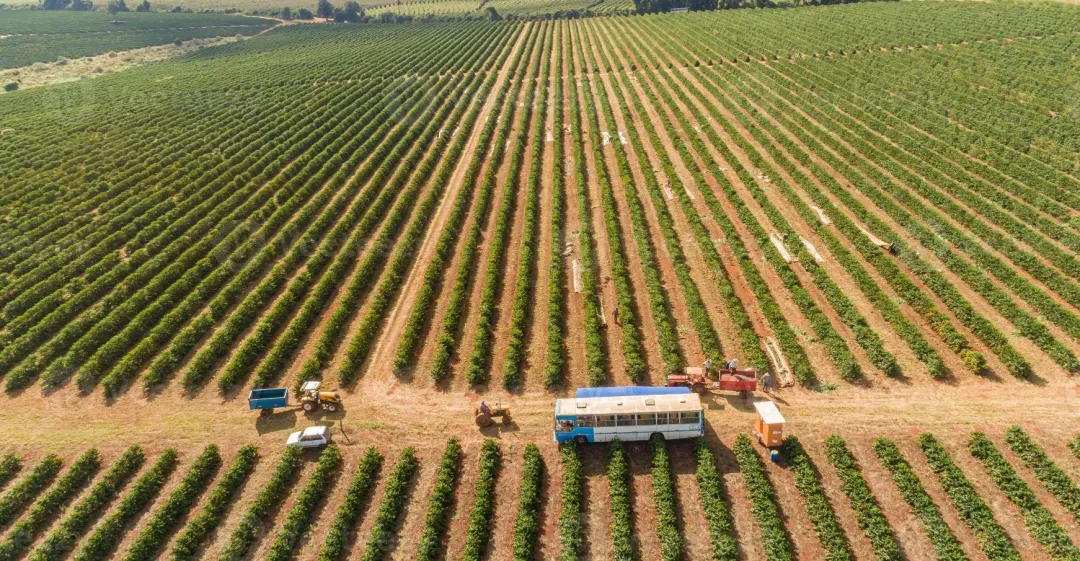
However, the market is currently worried about a possible upcoming La Niña phenomenon. In recent years, Brazil has been affected by La Niña, suffering severe drought and frost that reduced coffee production by more than 20%. This time, the upcoming La Niña phenomenon may further reduce coffee production in 2025/26.
For domestic coffee lovers, Front Street Coffee suggests paying attention to the subsequent supply situation of Brazilian beans. Front Street Coffee will also continue to bring everyone the latest developments in Brazilian producing regions and recommendations for selected beans.
The above content is compiled by CoffeeHunters, a coffee news website.


