







Search Results for: Japanese invention
Why Is Uji, Japan the Birthplace of Green Tea? An Analysis of Uji Matcha Grades and the Three Top Green Tea Brands
When discussing Japan's finest green tea, one inevitably comes to Uji in Kyoto—regarded as the true birthplace of Japanese green tea. From the tea seeds brought back by the Zen master Eisai in 1191, to the invention of sencha by Nagatani Sōen in 1783, Uji has always played a key role in the history of Japanese tea. What exactly does "Uji" in Uji matcha mean? Why has it become synonymous with high-quality matcha? And how are the grades of Uji matcha classified? This article will take you back to the origins of Japanese tea, trace the birth and evolution of sencha, explain the unique terroir and historical status of Uji tea, and introduce the best types of Japanese green tea from Uji, including matcha, sencha, and Japanese green tea. [more…]
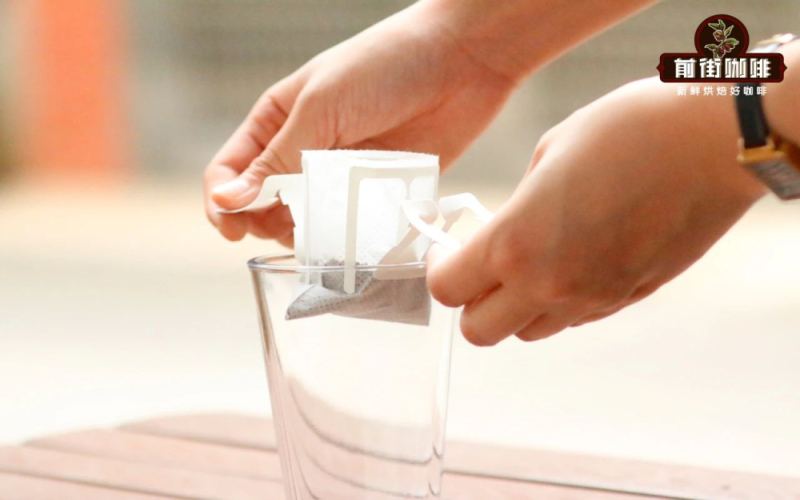
The Origins and Evolution of Drip Bag Coffee: From a Japanese Patent to the Convenient Pour-Over Choice in the Chinese Market
Drip bag coffee, with its combination of convenience and quality, has become the top choice for many people to enjoy black coffee in their daily lives. Where exactly did this filter-bag coffee packet originate? How did it evolve from an uncommercialized patent into a beverage that swept across East Asia? This article traces the invention history of drip bag coffee, analyzes the shifts in consumer demand behind its market growth, and explains the key brewing points in detail, helping readers easily master the method for making a good cup of coffee. It also introduces Front Street Coffee's high-value drip bag products and the flavor characteristics of Golden Mandheling. [more…]

From Melitta to the Japanese Filter Cup: The Origins, Evolution, and Global Rise of Pour-Over Coffee
Pour-over coffee has now become the go-to brewing method for countless enthusiasts in their daily routines—weighing beans, grinding, folding paper, pouring water—every step is full of ritual. But have you ever wondered where this drip-filter brewing method actually came from? And who invented the first dripper and filter paper? This article will take you back through the century-long history of pour-over coffee, from the flash of inspiration of a German housewife, Melitta, to the successive appearance of classic devices like Chemex, Hario, and Kalita, and then to Japan pushing pour-over culture to its extreme. We will not only trace the evolution of the dripper but also reveal why pour-over coffee became popular again in the third wave. Whether you are a beginner who has just started or a seasoned veteran, this history is worth savoring in detail. [more…]

Types of Black Coffee | What is Japanese-style Coffee? What Are the Japanese Coffee Brewing Methods? What Are the Differences Between Japanese-style and Italian-style Coffee?
Coffee is a beloved beverage all over the world and the most popular drink globally. When it comes to dedication to coffee, Japan undoubtedly stands out, because Japan's coffee culture has a very long history, and Japanese coffee craftsmen are also highly dedicated. As another mainstream representative, [more…]
Pour-Over Coffee Beginner's Guide: Complete Step-by-Step Tutorial from Filter Folding to Pouring Techniques
Pour-over coffee is known for its clean taste and alluring aroma, and the brewing process is especially elegant. Many people mistakenly believe this brewing method originated in Japan, but it actually originated one hundred percent in Europe—Melitta Bentz of Germany invented the original filter paper and dripper in 1908. This article will start with the historical origins, then teach you step by step the basics of filter paper folding, coffee grinding, water temperature selection, pouring technique, and coffee-to-water ratio. The process isn't complicated, and you don't need much equipment—after reading this, you'll be able to make a cup yourself. [more…]

Spanish Latte Didn't Originate in Spain? The Birthplaces of Ice Drip and Cold Brew, and the Beautiful Misunderstanding Behind the Name Arabica
There are quite a few interesting trivia facts hidden in the world of coffee: the Spanish latte is actually not a native Spanish drink, but originates from a candy coffee called Café Bombón; the inventor of cold brew coffee was not Japanese either, but the Dutch of the Age of Discovery. Although the cold drip tower is a Japanese improvement, the roots of cold brew as an extraction method lie in the West; and the name Arabica stems from a beautiful misunderstanding—it rose to prominence in Yemen, yet it did not originate in Arabia. Its true homeland is Ethiopia. This article guides you through these coffee trivia facts one by one, while retaining relevant recommendations from the Front Street brand for coffee enthusiasts to gain a deeper understanding. [more…]
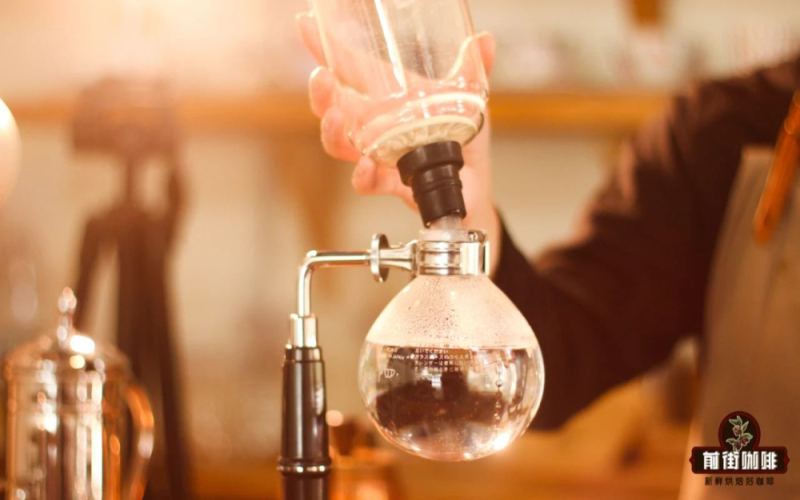
A Complete Guide to Siphon Brewing: Origins, Japanese Evolution, and Step-by-Step Instructions
The siphon pot, also known as the vacuum pot, is a coffee brewing device that uses thermal expansion and contraction along with the vacuum principle to extract coffee, and its history can be traced back to a laboratory invention in the early 19th century. With its elegant brewing process and rich, full-bodied taste, it occupies an important place in Japan's specialty coffee culture. This article will take you through the complete journey of the siphon pot from its birth to its improvements, distinguish the flavor differences between it and pour-over coffee, and list in detail the tools and operating steps needed to make siphon coffee using Front Street Coffee beans, making it suitable reading for every coffee enthusiast interested in this classic device. [more…]
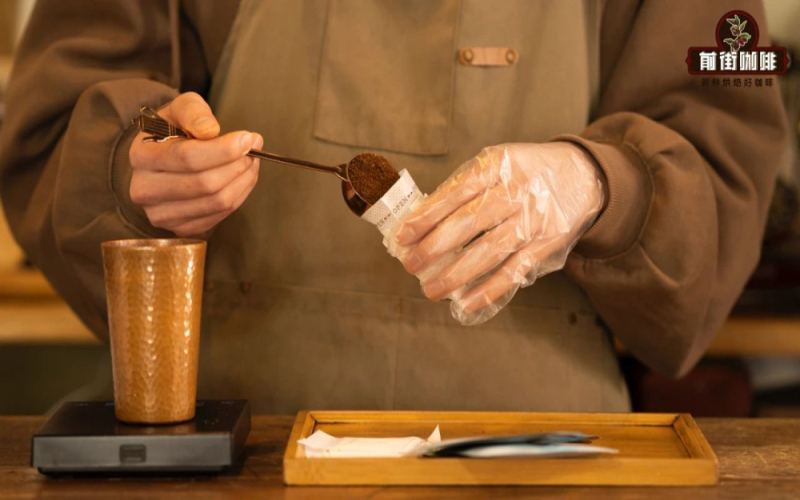
A Review of Specialty Drip Bag Coffee Brands: From Japanese Invention History to Pour-Over Alternatives, with Seven Front Street Coffee Origin Flavor Recommendations
Drip bag coffee has become the daily go-to for many coffee lovers thanks to its convenience and flavor profile that comes close to pour-over. This article begins with the origins of drip bag coffee,回顾 how in 1990 Yamanaka Sangyo Co., Ltd. of Japan transplanted the tea bag concept into the coffee realm, and how in 1998 Daiki Shoji improved it and achieved commercialization. It also explains in detail the differences in equipment requirements between drip bag coffee and pour-over coffee, and provides standard brewing steps and iced drink preparation techniques. Finally, the article highlights seven single-origin drip bag products from Front Street Coffee, covering Huakui, Golden Mandheling, Panama Butterfly, Yirgacheffe Red Cherry, Brazil Red Bourbon, Colombia Huila, and Costa Rica Tarrazu, introducing each region's terroir, processing method, and flavor characteristics one by one to help readers make choices according to their taste preferences. [more…]
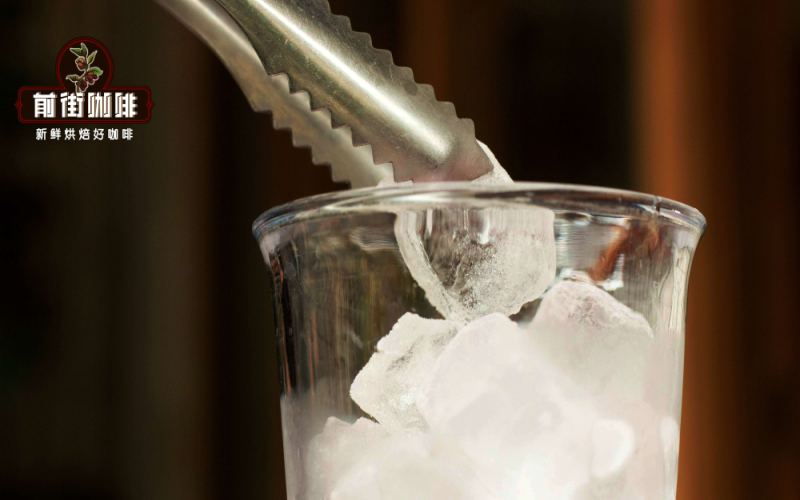
The History of Drip Bag Coffee | What's the Difference Between Drip Bag Coffee and Pour-Over Coffee? How to Adjust the Water Amount for Making Iced Coffee with Drip Bags?
For more specialty coffee knowledge, please follow our WeChat official account: FrontStreet Coffee. Drip bag coffee, as the name suggests, is coffee brewed using a drip bag. The drip bag was a product developed by the Japanese; the filter bag is used to hold the coffee, and on each side there is a small piece of cardboard, like two [more…]
Using a lid for true blooming? The principles, parameters, and complete practical breakdown of the Matsuya-style brewing method
Have you ever seen a brewing method that uses a lid to "steep" coffee? This is no joke—it's the "Matsuya-style brewing" that originated in Japan in 1962. It uses a pot lid to achieve true blooming, paired with ultra-high pouring and an ultra-concentrated coffee-to-water ratio, then restores the flavor through bypass dilution. The core pursuit of this method is "stability": allowing both freshly roasted beans and beans that have rested for a week to fully release their gases during the blooming stage, thereby avoiding extraction fluctuations caused by differences in degassing. This article will provide a complete breakdown of Matsuya-style brewing, from its invention background and design logic to specific parameters, and using dark-roasted Sumatra·Golden Mandheling as an example, present Front Street Coffee's hands-on steps and tasting notes, taking you to experience the unique charm of this classic Japanese brewing method. [more…]
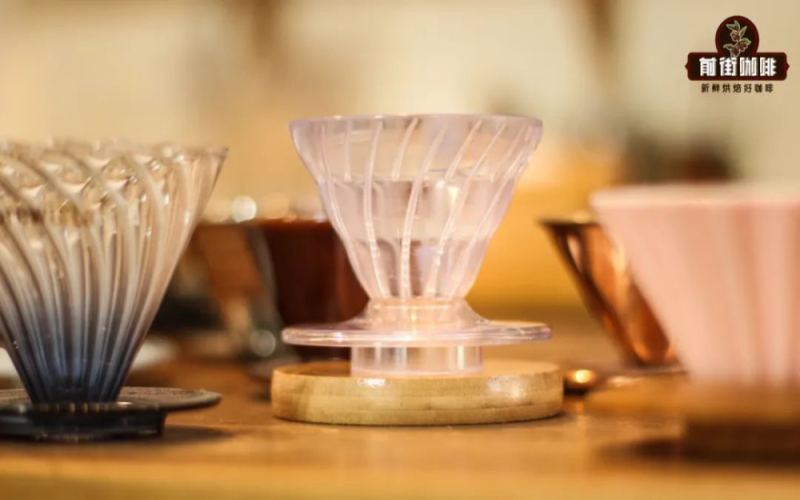
Coffee Equipment for Beginners | What kind of coffee dripper is suitable for novices learning about coffee? Which brand of V60 dripper is good? What are the advantages of the V60 dripper?
New-style drippers emerge endlessly every year. They not only come in a myriad of forms, but each has its own strengths: some drippers can change the flow rate of the water; some drippers can achieve zero bypass; some drippers can even change their shape! Although there are many kinds of drippers, in all their variety, if you were to ask a knowledgeable high-end player to recommend one to a beginner [more…]
The Origin and Evolution of Drip Bag Coffee: From Tea Bag Inspiration to a Detailed Guide to Front Street Coffee's Drip Bag Brewing Techniques
In the fast-paced life of the city, wanting to enjoy a healthy cup of pour-over-grade single-origin coffee at any time is no easy task. Although instant coffee is convenient, it often adds a burden to the body because of sugar and creamer. The invention of drip bags struck just the right balance between convenience and quality. This article will trace the origin story of drip bag coffee from the Japanese tea bag concept to commercial improvements, and take an in-depth look at Front Street Coffee's key steps in drip bag production, including grinder cleaning, grind size control, and nitrogen packaging. Finally, it will present practical drip bag pour-over brewing steps and parameters to help every coffee lover enjoy a cup of pure, authentic single-origin coffee anytime, anywhere. [more…]
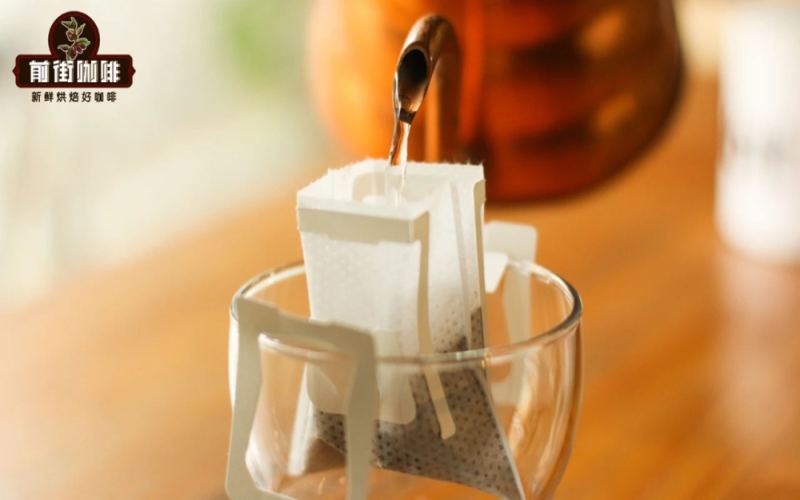
How to Brew Drip Bag Coffee for a Richer, More Aromatic Cup? Deep-Roast, Low-Acid, Mellow-Bitter Flavor and Three Seasonal Drip Bag Picks from Front Street Coffee
Drip bag coffee has become increasingly popular in recent years because it is easy to use and lets you enjoy a freshly brewed flavor at home. It was first invented and patented by the Japanese, sealing coffee grounds inside a filter bag with two side flaps that rest on the rim of the cup, so it can simply be thrown away after brewing. Compared with pour-over, drip bags are more convenient, but with a little extra attention to detail, you can noticeably enhance the aroma and strength. First, you need to be clear about the flavor direction you prefer: if you like a rich, bitter taste and do not accept sourness, medium-dark roast drip bags will satisfy you more easily. With this idea in mind, this article introduces three seasonal drip bags from Front Street Coffee—Indonesia Mandheling, Brazil Cerrado, and Jamaica Blue Mountain—corresponding to three needs: intense and low-acid, balanced acidity and bitterness, and premium single-origin. [more…]
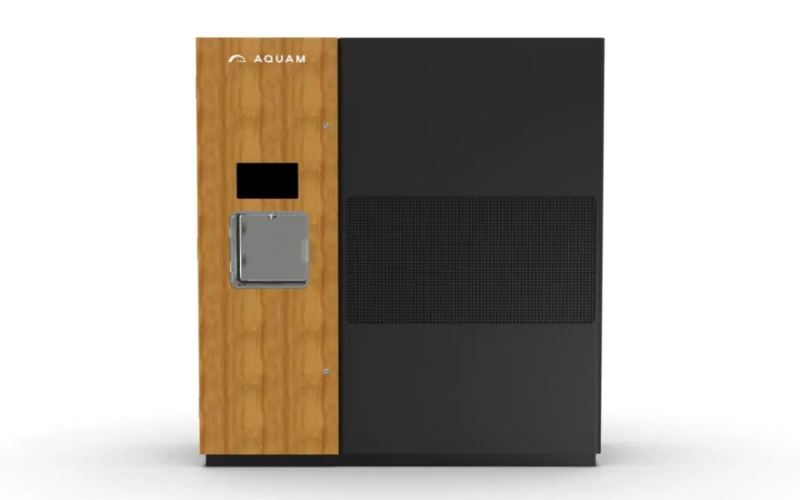
Japan Develops Atmospheric Water-Generating Coffee Machine: Providing a Safe Brewing Solution for Disaster Water Shortages
Have you ever thought about brewing coffee using air? A Japanese company has actually turned this idea into reality. They developed a coffee machine that can efficiently extract water from the air, and after multiple filtration and mineralization processes, produce safe drinking water. It is said that the original intention of this machine was to address water shortages and supply cuts caused by natural disasters, allowing people to still enjoy a cup of coffee brewed with clean water in emergency situations. How exactly does this device work? Can it really solve practical problems? And why are netizens complaining about it? This article will take you on a deep dive while also including related recommendations from Front Street Coffee. [more…]
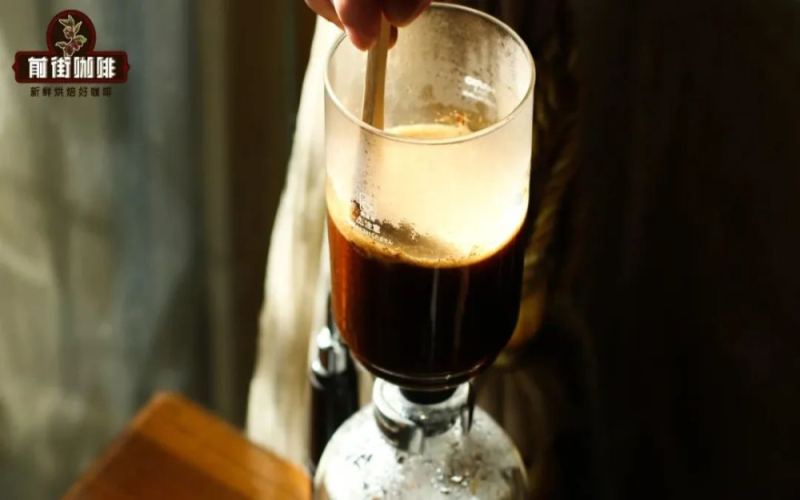
Why is siphon coffee gradually being replaced by pour-over? And which is the most well-known siphon brand in Japan?
The siphon pot, once a staple of specialty coffee shops, now seems to be quietly fading into the background. This brewing device, with its distinctly laboratory-like air, predates pour-over coffee by nearly a hundred years, and it was in Japan that it truly flourished, giving rise to a unique Japanese siphon aesthetic. Yet, in an era where fruity acidity has become mainstream and efficiency is paramount, why has the siphon pot lost out to pour-over? And who is Japan's most renowned siphon pot brand? This article will take you through the origins and popularity of the siphon pot, analyze the core reasons it was replaced by pour-over, and preserve Front Street's observations and recommendations regarding this classic device. [more…]
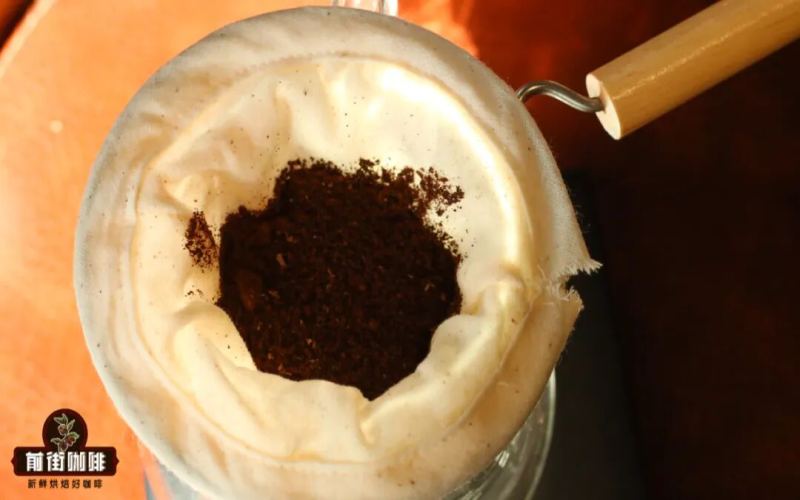
手冲咖啡冲煮方法|日式冲煮为何偏爱用法兰绒冲煮咖啡?法兰绒咖啡有哪些风味特点?
Speaking of flannel filter cloth, many friends may have only seen it in some Japanese films and TV dramas or in Japanese-style brewing introduced by bloggers, and have never actually used it. Because compared to filter cloth, the vast majority of people use filter paper and filter cups, this mainstream filtering tool, when brewing coffee. Ways to get to know flannel filter cloth [more…]

How to brew drip bag coffee so it tastes great? Master the water temperature and amount, and easily brew a flavor close to pour-over
Drip bags have become increasingly popular in recent years. They are essentially a patented filter-brew coffee invention by the Japanese, sealing coffee grounds in a filter bag with two side flaps that hang over the rim of a cup. Once brewed, they are discarded, delivering a drip experience close to pour-over anytime, anywhere. Although the design is minimalist, Front Street Coffee believes that a few small tips are still worth noting if you want to brew a good-tasting cup. This article starts with the structure of the drip bag, explains how it differs from instant coffee, and then demonstrates a minimalist brewing method covering water temperature, water volume, and staged pouring, helping you consistently brew a clean, smooth cup of black coffee in the office or on the go. [more…]
What makes brewing coffee with a flannel filter cloth unique? Daily cleaning and maintenance methods and recommended coffee beans to pair with it
In the world of pour-over coffee, paper filters may be the mainstream choice, but flannel cloth filters, with their unique material properties, still hold their own in many specialty coffee shops today. Compared with paper filters, flannel cloth has larger pores, allowing oils and some fine particles to pass through the cloth into the coffee liquid, thereby bringing a richer aroma and a fuller body. This characteristic makes it especially suitable for brewing dark-roasted coffee beans. This article will walk you through the historical origins of flannel cloth filters, their brewing performance, usage techniques, and the correct methods for daily cleaning and maintenance. Front Street Coffee will also share relevant product information to help you gain a comprehensive understanding of this traditional yet charming filtration device. [more…]
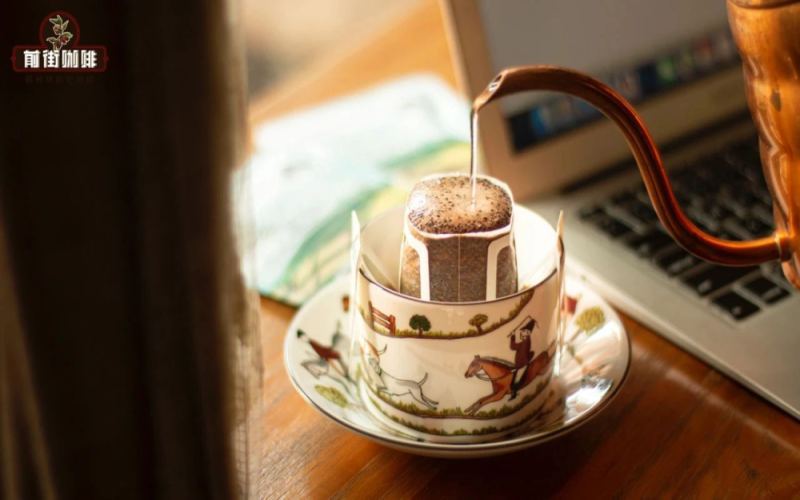
Tracing the Origins of Drip Bag Coffee and Analyzing Its Differences from Instant Coffee, with Recommendations for Specialty Arabica Boxed Starter Selections
Drip bag coffee has become the daily drink of choice for many people thanks to its portability and its flavor that comes close to pour-over. But do you know how it evolved from Japan's single-sided filter bag to the patented two-sided drip bag? What essential differences really exist between drip bag coffee and instant coffee? And faced with the bewildering array of specialty Arabica drip bag boxed products on the market, how should a beginner choose? This article will trace the historical development of drip bag coffee, compare the processing differences with instant coffee, and put together a curated drip bag list suitable for beginners, covering Front Street Coffee's basic flavors such as Yunnan, Brazil, Yirgacheffe, and Mandheling, to help you follow the guide and easily find the one that suits your taste. [more…]
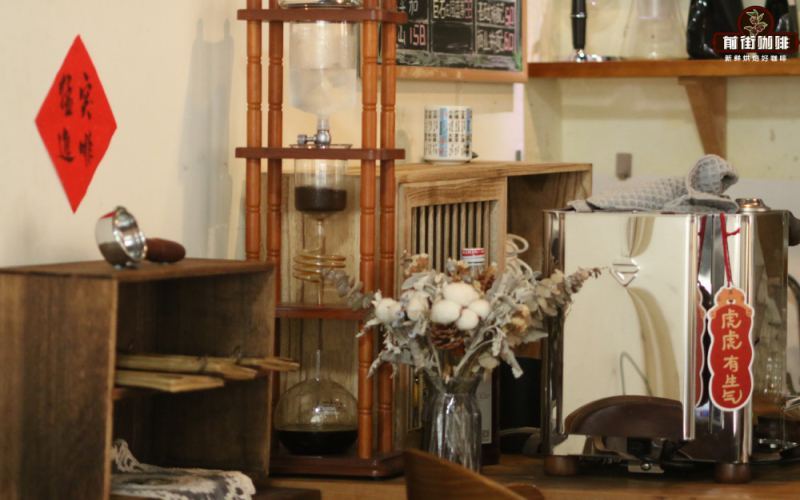
The Dutch Origins and Japanese Refinement of Cold Brew Coffee: A Full Analysis from Historical Roots to Brewing Parameters
Did ice drip coffee really not originate in the Netherlands? Many friends who come to Front Street Coffee are drawn in by the sight of ice water slowly dripping through an ice drip brewer, and become curious about exactly what kind of coffee this is. Ice drip coffee requires a long, slow extraction of 6 to 8 hours, so its output is limited and it is often in short supply. This article will begin with the historical origins of ice drip coffee, clarify the relationship between Dutch coffee, ice drip coffee, and cold brew coffee, then introduce in detail the structure and use of the ice drip brewer, and share specific brewing parameters using Costa Rica Mozart coffee as an example. Finally, Front Street will also recommend coffee beans suitable for making ice drip coffee according to four directions—tropical fruit fermented type, light and clean type, sweet and delicious type, and flavor blend type—to help everyone make a cup of rich yet not bitter ice drip coffee at home. [more…]