








For more information on coffee origins and coffee knowledge, please followCoffeeHuntersToutiao account
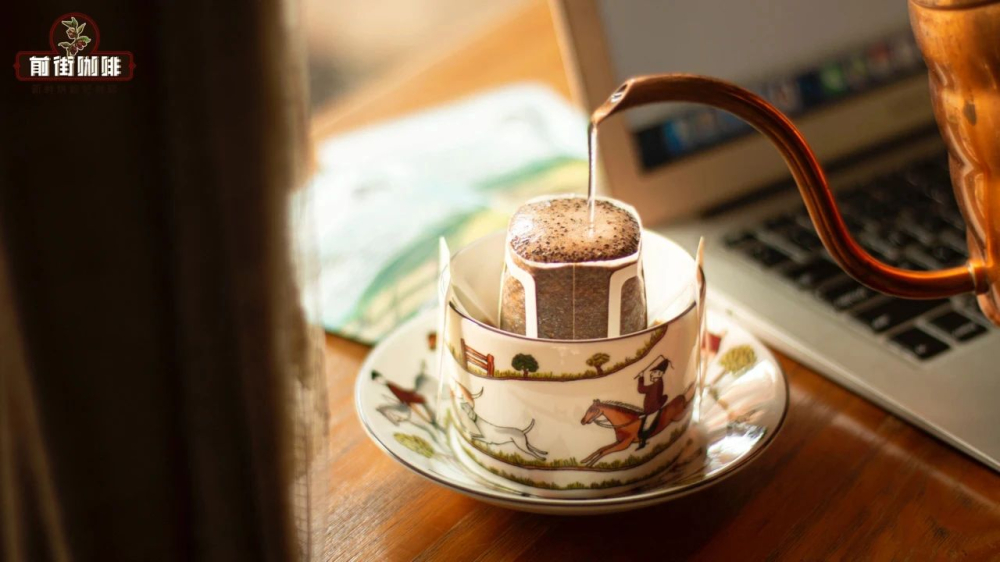
Drip coffee As the name suggests, it is made withdrip bagsto brew coffee.Drip bagswere developed by the Japanese. The filter bag is used to hold the coffee, and each side has a small piece of cardboard, like two little ears, so it is called drip coffee.
The portable drip bag is a patented design developed by the Japanese. The filter bag is used to hold coffee, while on both sides are small pieces of cardboard, like two little ears, so it is called drip coffee! These two little ears are used to hang the coffee bag on the rim of the cup for brewing. After brewing, the drip bag can be thrown away, making it convenient to drink freshly ground coffee just like pour-over coffee.
Drip coffeehistory
In 1990, the earliest dripear coffeewas invented by Yamanaka Sangyo Co., Ltd. of Japan, and a patent application was formally filed in the same year, but at that time the drip ear was only on one side.
In 1996, Daiki Shoji Co., Ltd. proposed an improved filter bag, moving the drip ear parts to the lower edge of the filter bag, but the drip ears were still only on a single side of the filter bag.
In 1999, Daiki Shoji applied to the European Patent Office for an invention patent with double-sided drip ear parts. This improved design finally allowed the filter bag to stand steadily at the rim of the cup, and the opening of the filter bag could also fully open, and this design concept has become the mainstream in today's market.
In 2001, the Japanese invented drip bag coffee and registered a patent, then brought it to market. Because it is simple to use and portable, and the brewed coffee tastes much more pure and aromatic than instant coffee, drip bag coffee now occupies 15% of the ordinary coffee market share in Japan.

How is drip coffee best brewed?
Since it is the simplest drip method, we certainly would not think of using tools needed only for hand brewing, such as an electronic scale or thermometer, to make it complicated. Brewing drip coffee requires nothing more than a kettle of hot water, a tall cup, and a drip bag. Even the amount of water poured is based on guesswork.
As the saying goes, although it is simple, the sense of ritual cannot be missing. The amount of water for making hot coffee with a drip bag is relatively easy to gauge. Taking Front Street's store drip bags as an example, 10 grams per small bag, following the pour-over ratio of 1:15 to 1:18, it is recommended to pour in 150-180ml of water.
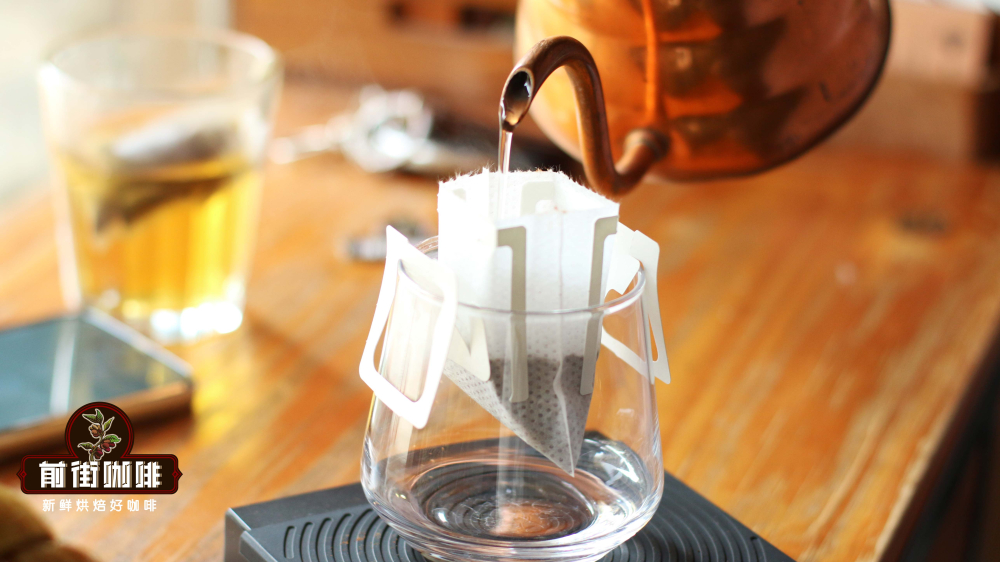
Usually, first pour a small amount of hot water into the drip filter bag to wet all the coffee grounds, pouring the first stage to 1/2 of the filter bag, and let it bloom for about ten seconds. Then pour water into the center twice in succession until the drip bag is 8 parts full. After the coffee liquid in the filter bag has completely dripped through, continue adding water until the final stage has filtered through. If you pour water to full, the water accumulated on top can easily "bypass" the coffee bed and filter out directly from the side of the drip bag, making the coffee taste weak.
After several tests, Front Street found that pouring water in three stages like this takes about one and a half minutes, and the total amount of water is basically around 150ml. If you want a lighter taste, add one more stage poured to 8 parts full, which is about 180ml.
How should the amount of water be adjusted when making iced coffee with a drip bag?
When switching from hot pour-over to iced pour-over, we need to separate out part of the water and replace it with ice cubes, and the same applies to drip bags. But usually the coffee grounds in a drip bag use a grind size for hot brewing, so you can only adjust the coffee-to-water ratio or extend the steeping time to increase extraction concentration.
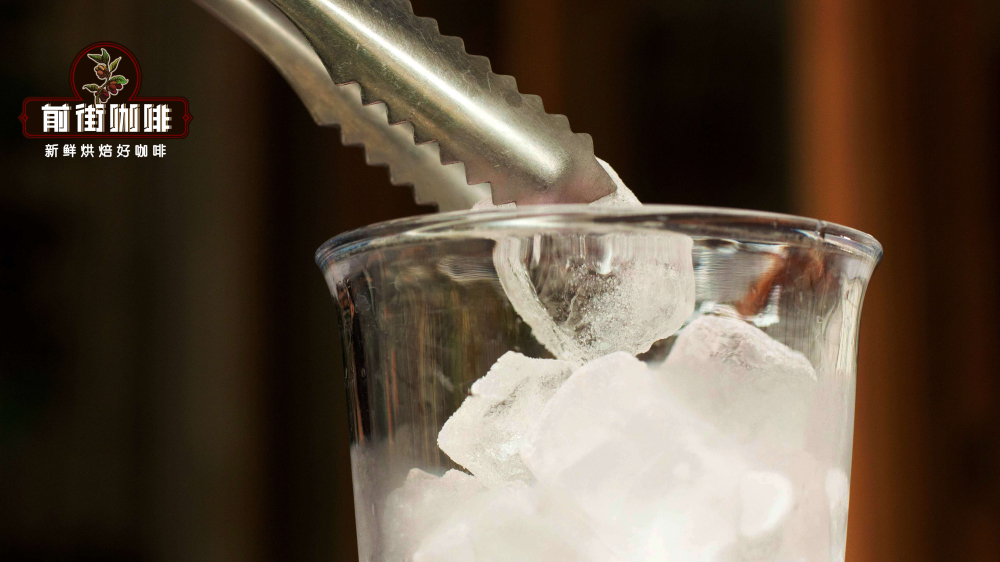
Front Street follows the iced pour-over ratio of 1:10, that is, pouring in 100g of hot water. The amount of water used to wet the coffee bed remains unchanged. After blooming ends, the two water levels become 5 parts full, meaning all three consecutive stages are at 1/2 of the filter bag, with a total water amount of about 90-105ml. Wait until all the liquid has dripped through, then pour it into ice cubes to cool. When the cup starts to feel ice-cold, you can remove the remaining crushed ice to avoid further dilution.

Through the above tests, Front Street found that iced coffee brewed this way can retain the beans' basic flavor profile, and the concentration is also relatively moderate. Front Street recommends keeping a small stream of water throughout, otherwise the filter bag will be full within a few seconds, and subsequent pouring will be even harder to gauge. A kettle with a slender spout helps us control the water flow better.
The above content is compiled by CoffeeHunters, a coffee news website.


