








How Does Matsuya-Style Brewing Work With a Lid and Golden Mandheling?
Matsuya-style brewing, invented in Japan in 1962 by Mr. Yoshiwa Matsushita, uses a pot lid over the coffee bed to hold in the bloom. That covered bloom, an ultra-high pour and an ultra-concentrated brew that is later diluted with water are its three signatures. The goal is stability, so freshly roasted beans and rested beans degas enough to extract evenly.
The dripper is a plain metal frame with no guiding ribs, built only to hold the filter paper, so a firmer paper suits it better. Covering the grounds during blooming brings beans at different rest stages into a similar state, which reduces extraction swings. Working through the method with a dark-roasted Sumatra golden mandheling shows how the concentrated liquid responds once it is diluted back to drinking strength.
Have you ever seen a brewing method that uses a lid to "steep" coffee? This is no joke—it's the "Matsuya-style brewing" that originated in Japan in 1962. It uses a pot lid to achieve true blooming, paired with an ultra-high pour and an ultra-concentrated coffee-to-water ratio, then dilutes it back via bypass to restore the flavor. The core pursuit of this method is "stability": allowing both freshly roasted beans and beans that have rested for a week to fully release their gases during the blooming stage, thereby avoiding extraction fluctuations caused by differences in degassing. This article will fully break down Matsuya-style brewing, from its invention background and design logic to specific parameters, and using the dark-roasted Sumatra·Golden Mandheling as an example, present Front Street's practical steps and tasting impressions, taking you to experience the unique charm of this classic Japanese brewing method.
What is "fake blooming"
What is "true blooming"
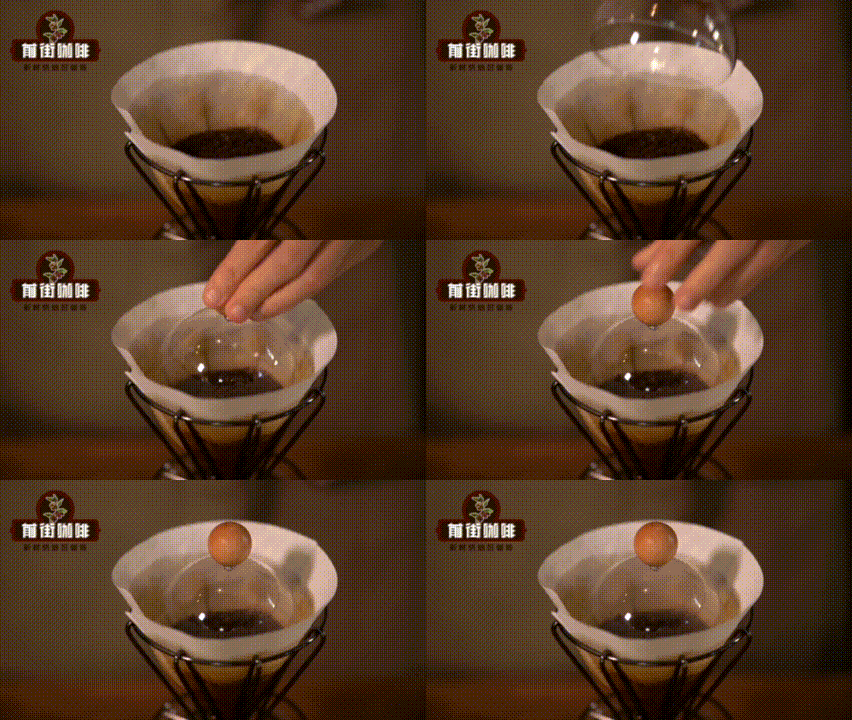
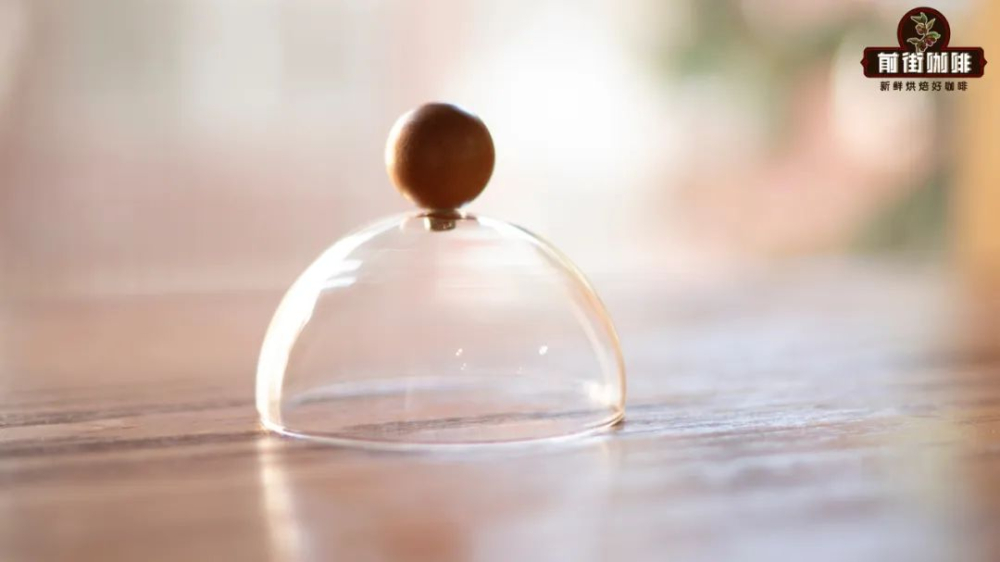
Exactly! Since the name contains the word "steep," how could it be called "steeping" without adding a lid~ Just kidding! The so-called "true blooming" in the picture below actually comes from Japan's "Matsuya-style brewing"!
What is Matsuya-style brewing? Mr. Yoshiwa Matsushita of Japan invented this "Matsuya-style brewing" in 1962, which uses a lid to achieve "true blooming." It can be called a very classic Japanese brewing method, but for first-timers, this "classic" will most likely deliver quite a shock! Matsuya-style has three iconic images that are unforgettable at first glance: "blooming with a lid," "an ultra-high pour," and "an ultra-concentrated coffee liquid that needs to be diluted with water"!
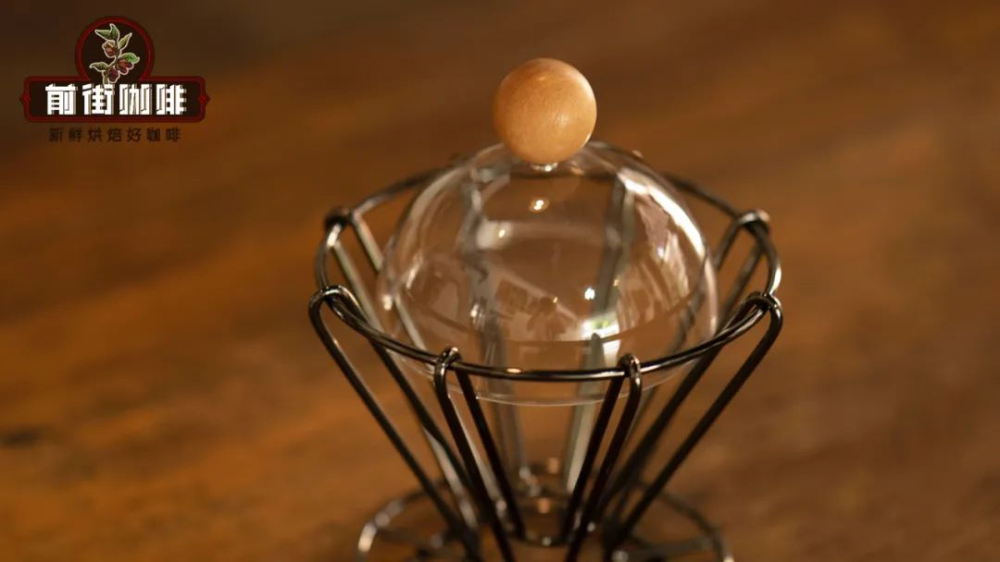
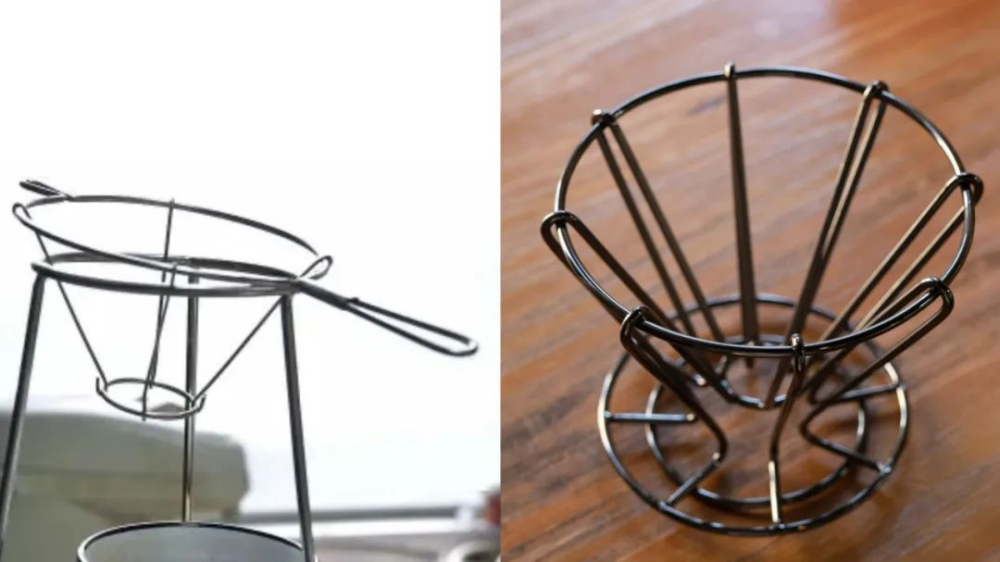
The dripper used in Matsuya-style is a metal frame with no guiding ribs at all, because its function is very simple—to hold the filter paper up, nothing more. Precisely because of this, filter paper with a firmer texture is more suitable for it.
(The left is a conventional Matsuya-style filter stand, and the right is the Matsuya-style filter stand used by Front Street this time) The reason they use a pot lid for blooming is that they hope to: bring coffee grounds at different stages into a consistent state. Roughly speaking, freshly roasted beans and beans that have rested for a week do not degas the same way. This difference affects subsequent brewing, causing inconsistent extraction levels, and ultimately the coffee flavor can vary greatly—very unstable!
So, simply release all the gas at once! Let today's beans and beans a week later both fully release their gas during the blooming stage, so that subsequent brewing no longer causes extraction differences due to different degrees of degassing, ultimately achieving a consistent coffee flavor! "Stability" is precisely the core concept behind the formation of this brewing method. But this brings a new problem: brewing at high temperature after the gas has been completely released can easily cause over-extraction! To solve this new problem, grind the coffee beans with a coarser grind size! Combined with high-temperature brewing, it becomes less likely to over-extract!
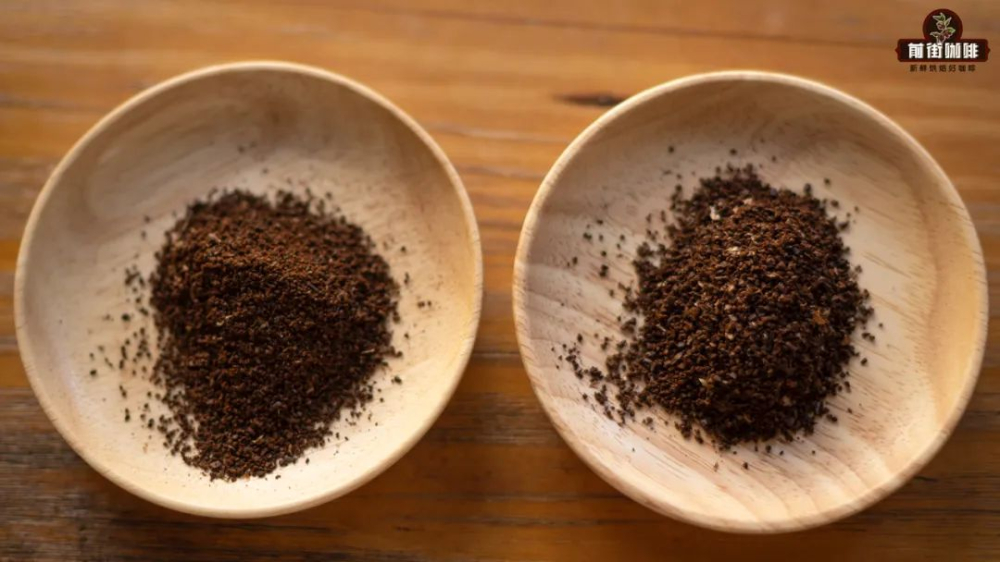
(The left is the conventional grind for Golden Mandheling, and the right is the coarse grind used in Matsuya-style) Ideas are always beautiful, but reality will deal you a heavy blow! Too high a temperature still easily extracts undesirable substances, so in the end they had no choice but to lower the water temperature before extracting. But unfortunately, at that time there was no thermometer available to measure water temperature, so the clever folks thought of this! Pouring just-boiled hot water into the brewing pot will immediately drop it by 5°C, that is, to 95°C, and then raise the pouring height—oh ho! This solves the temperature issue while still providing enough impact force for agitation! The best of both worlds!
When the above series of operations is applied to brewing, you'll find that flavor compounds can already be extracted very easily! So, the coffee-to-water ratio was lowered, adjusted to a very low 1:5. But I believe friends all know that if the concentration is too high, the flavor becomes too concentrated, the taste becomes chaotic and hard to distinguish, so at this point, "Bypass" needs to make its entrance. Add an additional 1:10 amount of water (or any amount that suits your taste) to dilute this "concentrated" coffee back to a normal concentration! At this point, that is the entire journey of inventing Matsuya-style brewing. So next, let's enter the practical section and see exactly how Matsuya-style brewing should be brewed!
Matsuya-style brewing The bean used for this brew is a dark roast: Sumatra·Golden Mandheling. The grind size is 50% passing rate on a No. 20 sieve. (Front Street uses an EK grind setting of 12) Water temperature 95°C, coffee-to-water ratio 1:5, using 20g of beans, so the water amount is 100ml, but you need to prepare 300ml of hot water because the subsequent Bypass step will use it. So first! Place the folded filter paper into the filter stand, and pour in the coarsely ground coffee powder
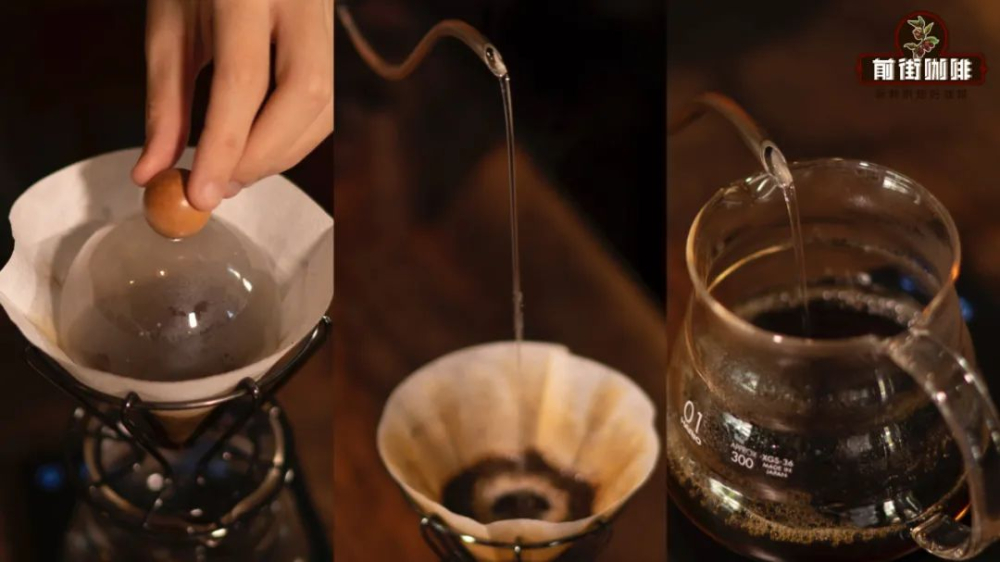
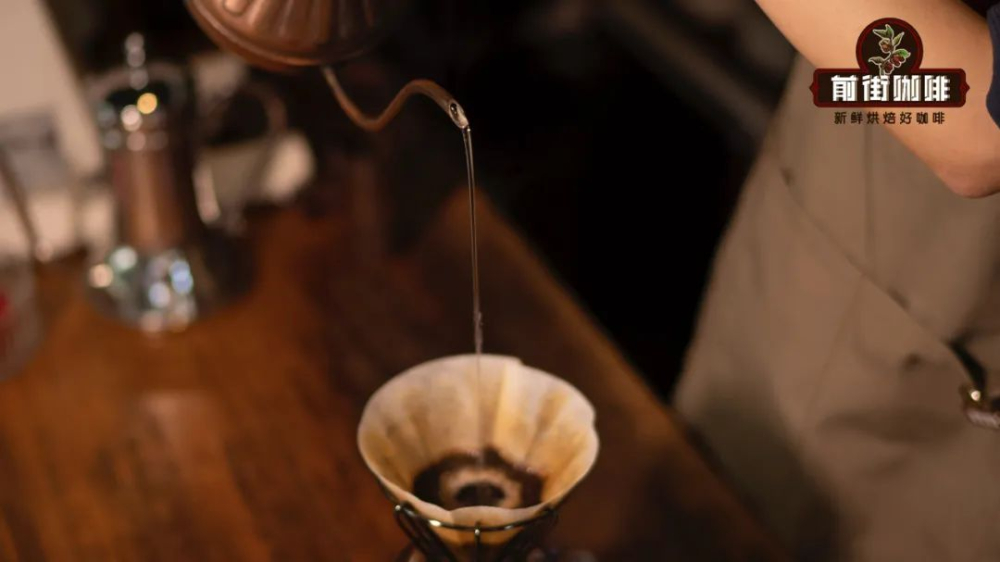
Pour 40ml of hot water from a height of 25cm above the dripper, circling from the center outward.
Cover with the lid and bloom for three minutes.
After blooming ends, remove the lid and likewise pour in all the remaining water (60ml) from a high position.
After dripping is complete, remove the dripper and proceed to the "Bypass" step, pouring in a suitable amount of water. Front Street poured in 180ml of hot water here. (But if you prefer a stronger concentration, the recommended Bypass water amount is reduced to about 150ml)
Give it a stir, and it's done!
Tasting session: Although the color looks a bit light, there is absolutely no feeling of under-extraction. Instead, the concentration is just right. The nutty and chocolate flavors of Golden Mandheling are well expressed, and there is a very obvious dark-roast sweetness on the finish. Overall, it is a brewing method worth experiencing!
- END - Front Street Coffee (FrontStreet Coffee)
No. 10, Baoqian Street, Yandong Road, Dongshankou, Yuexiu District, Guangzhou, Guangdong Province
Read 20
The above content is compiled by CoffeeHunters, a coffee news website.


