







Why did siphon coffee brewing lose ground to pour-over?
Siphon coffee brewing, once common in specialty coffee shops, has largely given way to pour-over because it is slower, harder to repeat, and demands close attention from the barista. The siphon dates to 1826, when German physicist Johann Norremberg built one from laboratory glassware, making it roughly a century older than pour-over.
Japanese makers later refined the device into a distinct aesthetic, but the shift tracks changes in specialty coffee itself. As fruity, acidic profiles became mainstream and efficiency came first, pour-over offered faster service, easier control, and simpler cleanup. The siphon also needs a halogen lamp or alcohol burner, careful temperature timing, and a full wash cycle, so fewer cafes keep one on the bar despite the mellow, balanced cup it produces, a question tied to when was the first coffee maker invented.
The siphon pot, once popular in specialty coffee shops, now seems to be slowly retreating into the background. This brewing device, with its laboratory-like aesthetic, has a history nearly a century older than pour-over coffee, and was further developed in Japan, giving rise to a unique Japanese siphon aesthetic. However, as fruity acidity became mainstream and the era of efficiency-first arrived, why did the siphon pot lose out to pour-over? Who is Japan's most renowned siphon pot brand? This article will take you through the origins and popularity of the siphon pot, analyze the core reasons it was replaced by pour-over, and preserve Front Street Coffee's observations and recommendations on this classic device.
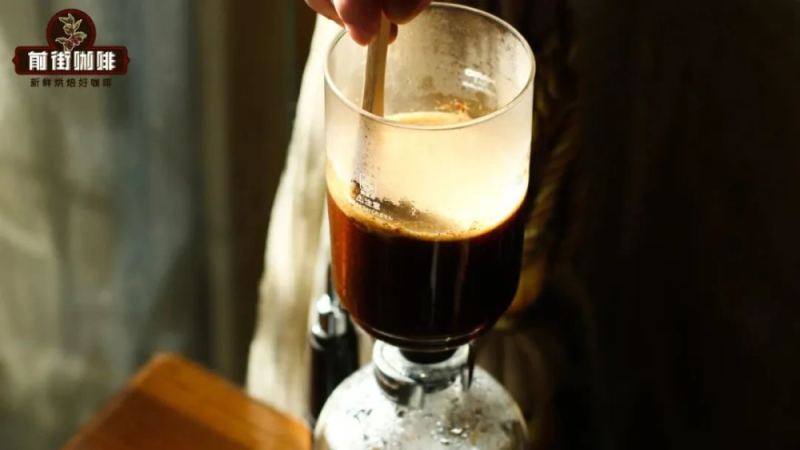
A setup that looks quite like a laboratory apparatus, paired with a halogen lamp or alcohol burner, through the firelight you can see bubbles continuously rising in the hot water, and the moment coffee grounds are poured in, a delightful aroma drifts out; as the temperature drops, the liquid quickly flows back, the color deepens, and with a sip, the flavor is mellow and balanced. Among the many brewing methods, comfort and healing are what Front Street Coffee remembers most vividly about siphon coffee.
The siphon pot has a longer history than pour-over coffee
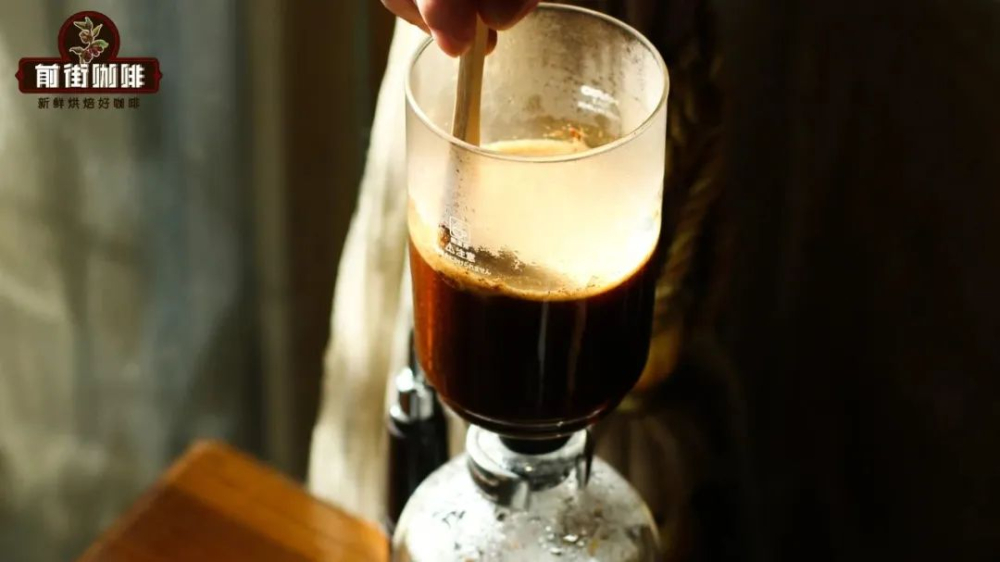
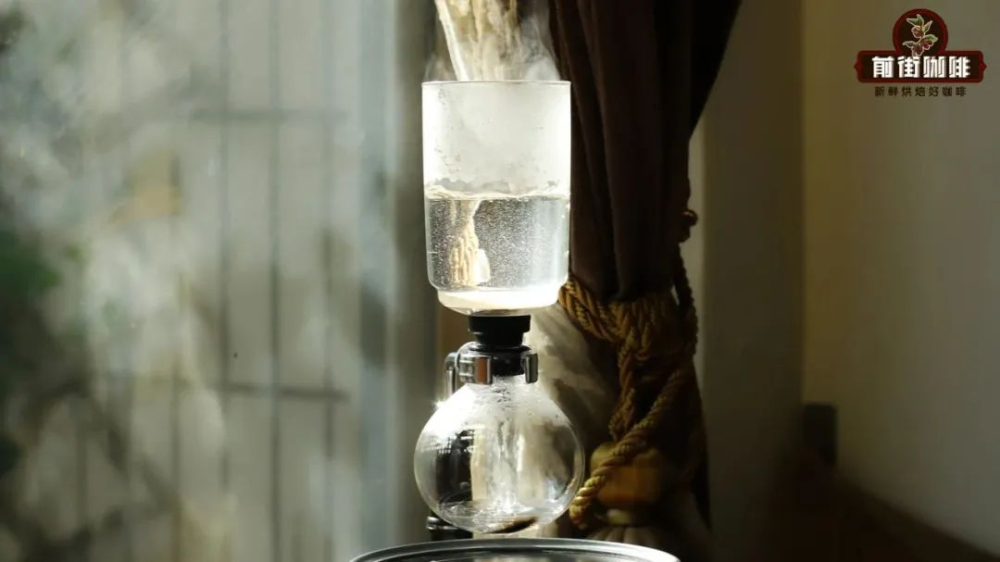
The English word for siphon pot is "SIPHON," hence it is also called a siphon. Its working principle uses steam generated when water is heated, creating a thermal expansion and contraction effect that pushes hot water from the lower chamber up to the upper chamber, where it fully mixes with coffee grounds; when the temperature falls, the water flows back through the vacuum tube into the lower chamber, resulting in coffee liquid.
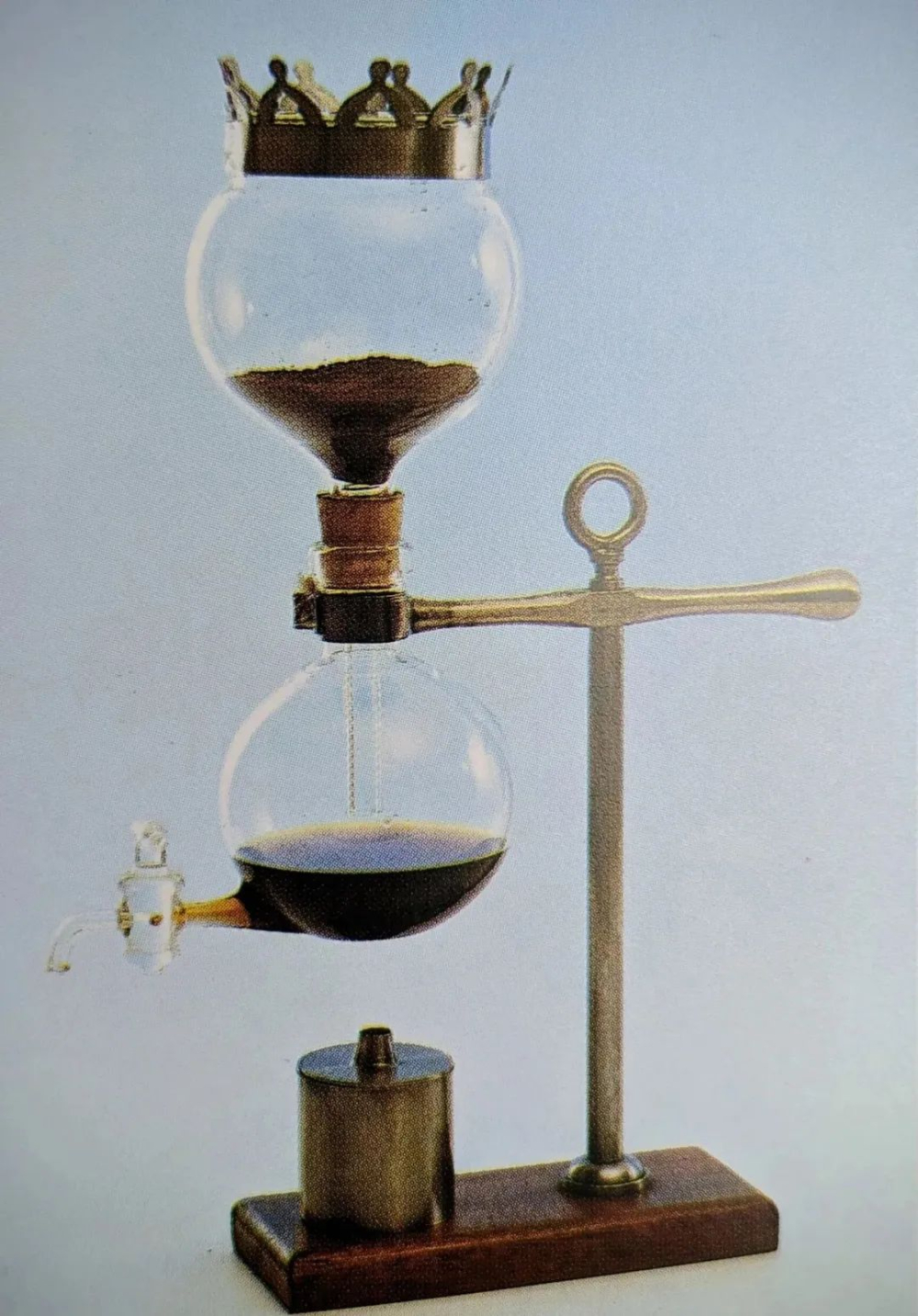
Tracing the origins of the siphon pot takes us back to the early 19th century, nearly a hundred years earlier than pour-over coffee. According to records, in 1826, German physicist Johann Norremberg invented the siphon pot using laboratory equipment. His original intention was to demonstrate the power of steam to students, so he did not apply for a patent, and his design never became popular.
By the mid-19th century, this device was improved by French inventor Marie Fanny Amelne Massot, giving birth to the upright siphon pot. She obtained the relevant patent in 1842, allowing this device to enter the market for sale.
Around the same period, Scottish engineer Robert Napier designed his Napier Coffee Pot, which also used the vacuum principle to brew coffee. Although it won an award from the Institution of Mechanical Engineers in 1856, Napier never applied for a patent for it.
Afterward, similar vacuum brewing devices began to spread across Europe and were introduced to places like the United States. However, with the later invention of automatic drip coffee, Americans gradually reduced their use of siphon pots.
The rise of siphon coffee culture
When discussing the popularity of siphon pots, Front Street Coffee must mention the country that widely adopted this device—Japan—and the well-known company that primarily sells siphon pots, KONO—Kono Company.
In our impression, Japanese coffee has always favored dark roasts, emphasizing aroma, richness, mellowness, and body. Additionally, Japanese people have an innate fondness for things that are exquisitely crafted and ceremonial. So when this equipment was introduced, the siphon pot deeply attracted their attention with its elegant brewing process and solid coffee taste, becoming an important part of the local specialty coffee culture.
In 1925, KONO's founder Akira Kono officially established the company and developed an upright siphon pot. It was later continuously improved by the second-generation president Toshio Kono in 1964, resulting in a shape closer to what we see today. The birth of the second-generation siphon pot coincided with the rise of Japan's coffee boom. Against the backdrop of Japanese dark roasting, it not only further popularized the siphon pot, widely used in major specialty coffee shops, but also developed a unique Japanese siphon aesthetic. Although times have changed and various new extraction devices keep emerging, the siphon pot remains an essential brewing method in many Japanese specialty coffee shops.
Later, this coffee brewing ritual was no longer confined to Japan; its aesthetics and essence began to spread overseas. For example, Taiwanese people, deeply influenced by Japanese coffee culture, incorporated this "fashionable item" into their shops. In mainland China, the siphon pot first became popular when Taiwanese-style business coffee shops emerged there and brought it along.
Why did pour-over coffee become popular while the siphon pot fell out of favor?
Today, as specialty coffee culture becomes more widespread, this highly visual and ceremonial old-school brewing method seems to be gradually fading from coffee shops. Even if some shops have a complete siphon pot set on the counter, the barista will tell you it's not being served. For this device full of old-school charm, some friends who have been drinking coffee for years may have never even seen it in action. At this point, a friend might quietly sigh: has siphon coffee really become outdated?
Although pour-over and siphon pots entered domestic specialty coffee shops around the same period, it's not hard to see a huge difference in their frequency of appearance. In other words, siphon coffee has clearly been replaced by pour-over coffee, becoming one of today's mainstream serving methods.
The reasons the siphon pot was replaced by pour-over, according to Front Street Coffee, are mainly two: the popularity of fruity acidic coffee, and the convenience of operation.
From the Blue Mountain era to the Geisha dynasty, the mainstream direction of specialty coffee has long shifted from the deep, rich "bitterness" of dark roasts to the "acidity" that preserves more floral and fruity notes. The extraction principle of the siphon pot tends to produce coffee with a mellow, rounded, and deep character, so when brewing some medium-light roasted coffee beans, it is slightly inferior to pour-over in expressing floral and fruity acidity.
If we pay close attention when shopping overseas, we'll find that siphon pots are mostly priced in the 200-300 range. Compared to many brand-name pour-over devices, they're indeed not expensive, but there aren't many options to choose from. Plus, with almost fixed steps, the room for variation is far less free than pour-over.
Finally, the most unappealing aspect of siphon pots compared to pour-over is probably the "hassle." Before brewing, we need a heat source, and the entire extraction process requires undivided attention. After brewing, necessary cleaning is required, and after each use, the flannel filter cloth must be removed and washed promptly. In a shop with high volume, where the barista's goal is efficiency, siphon pot service clearly wouldn't be our first choice.
- END -
The above content is compiled by CoffeeHunters, a coffee news website.


