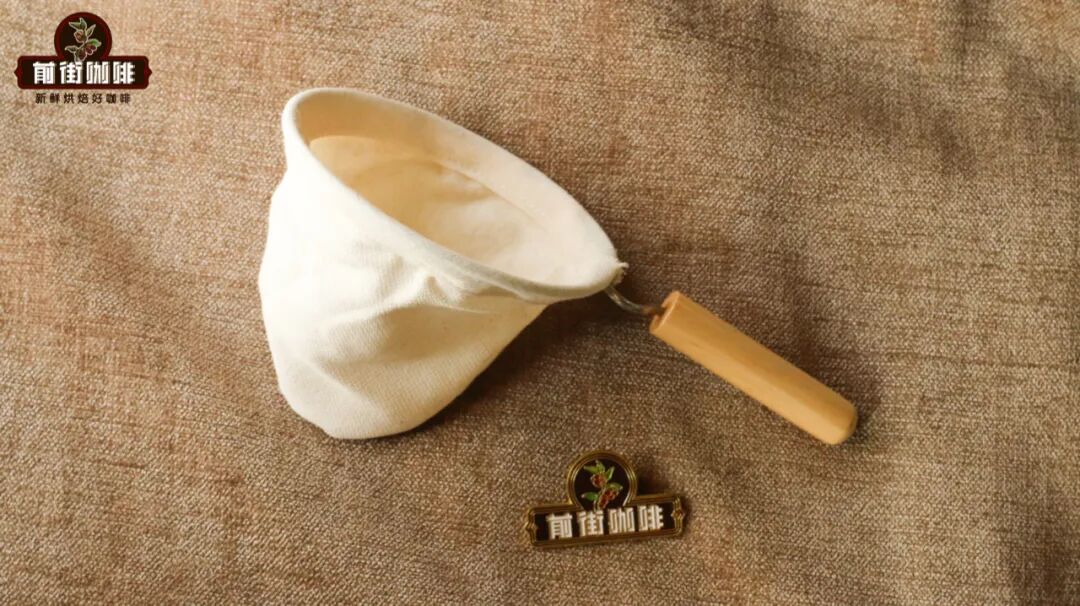
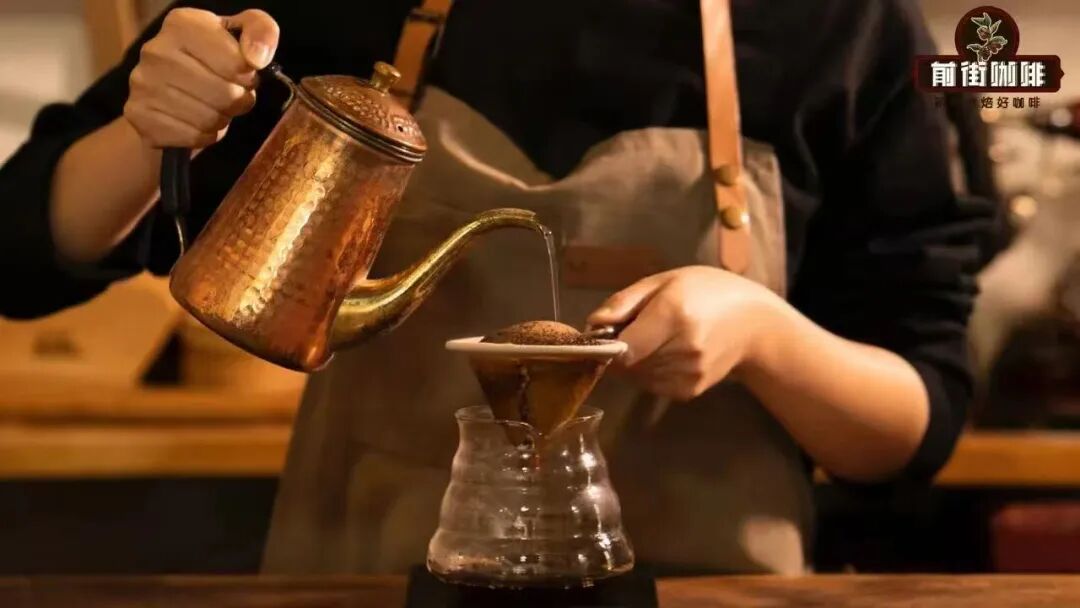
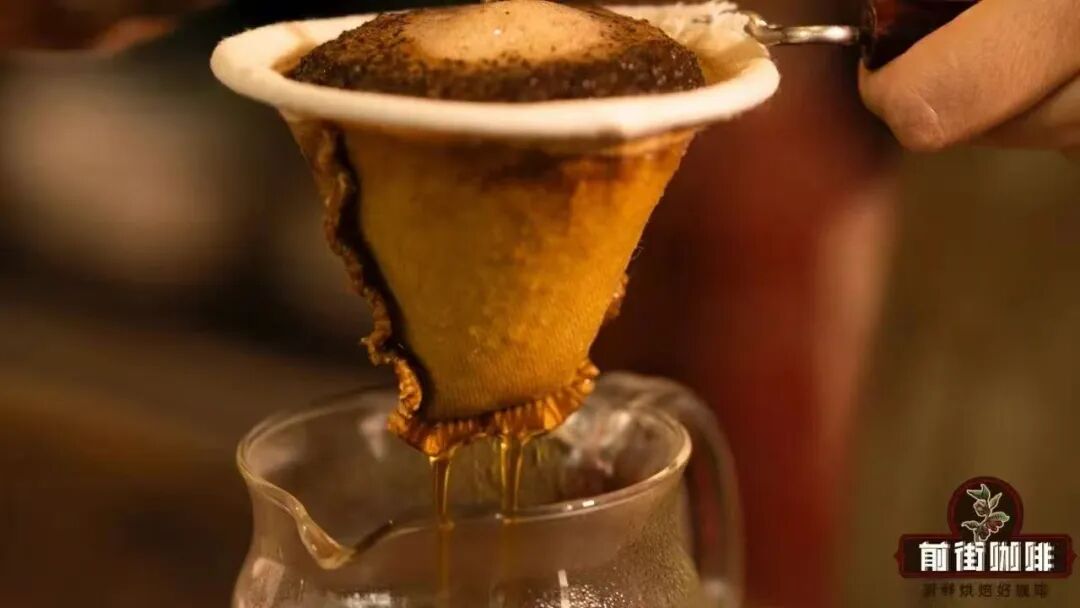
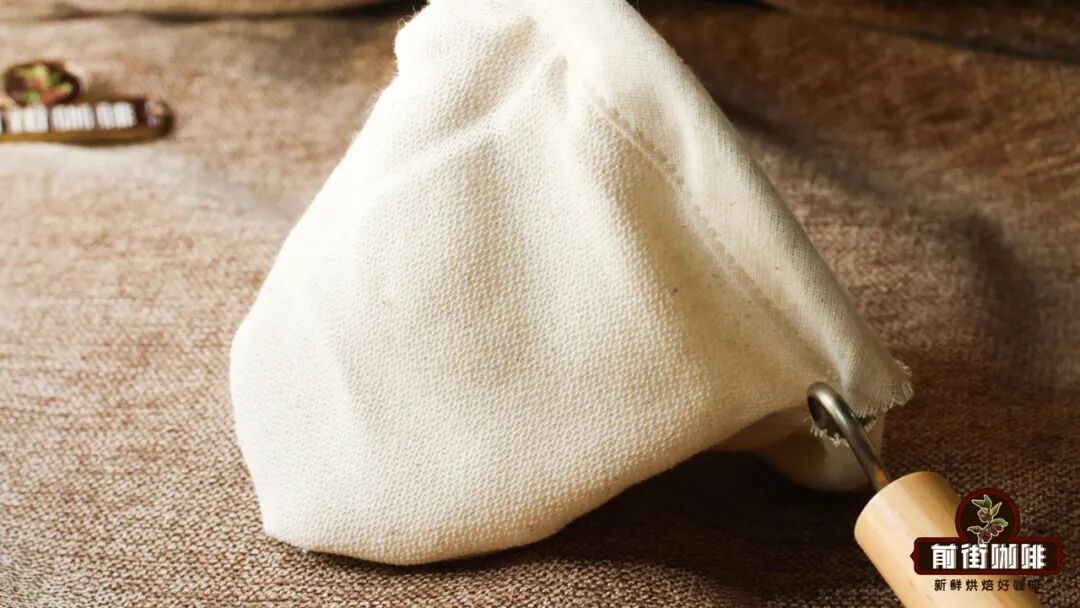
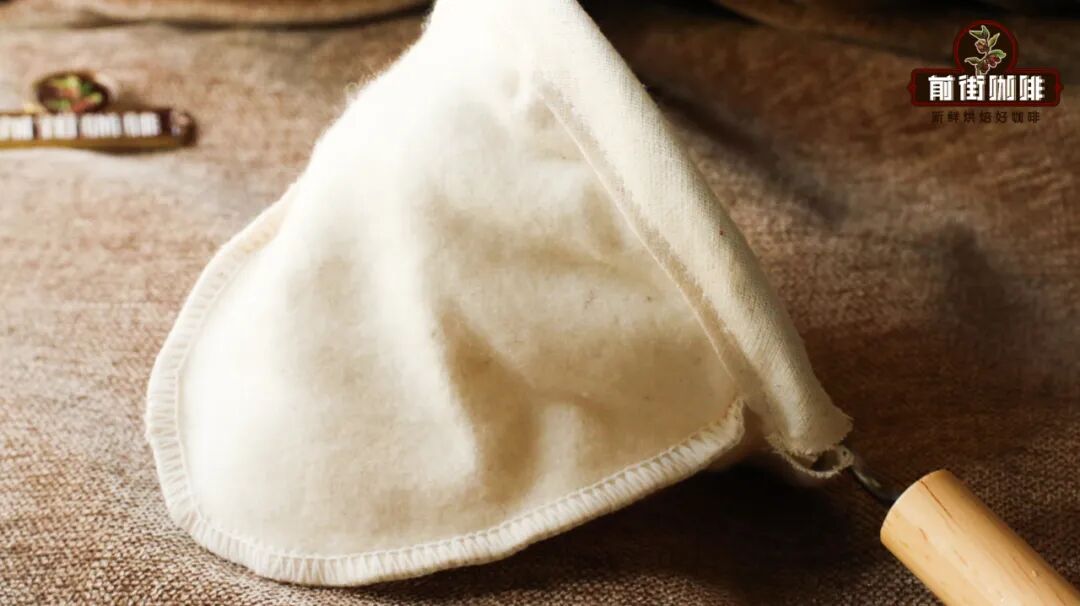
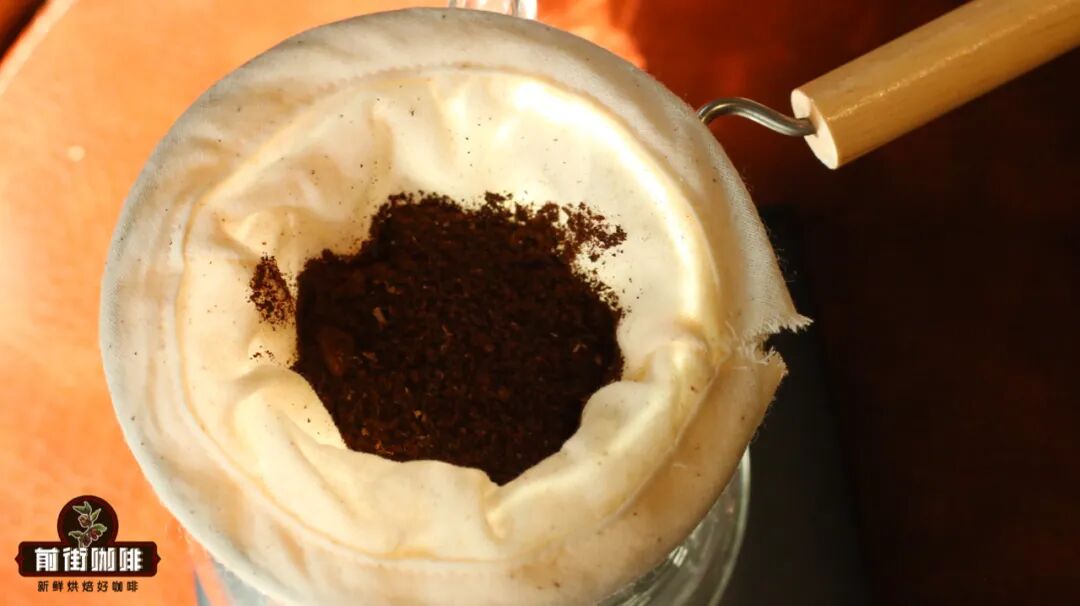
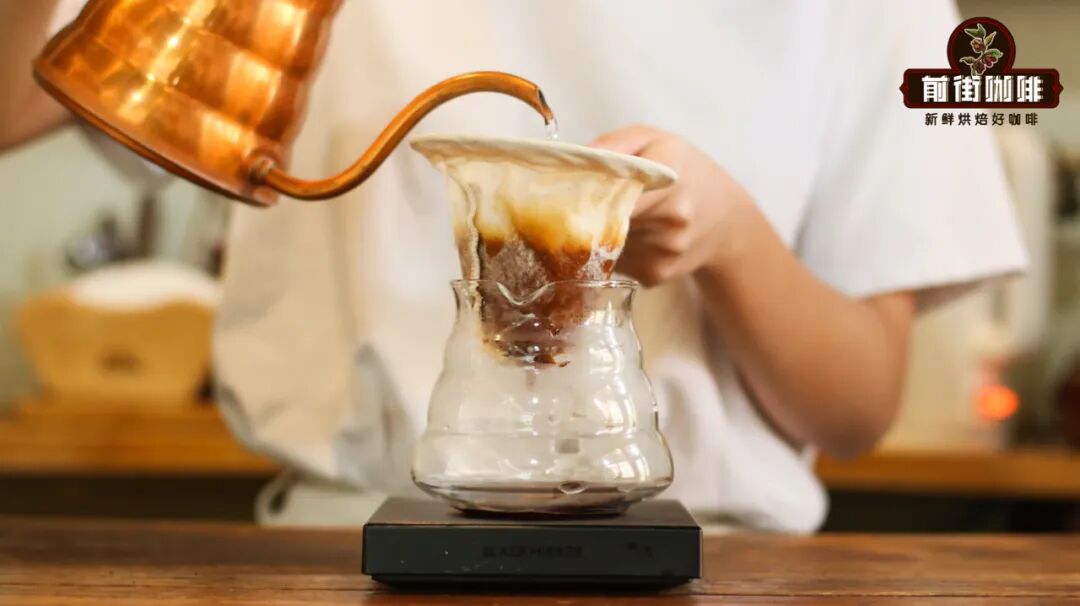
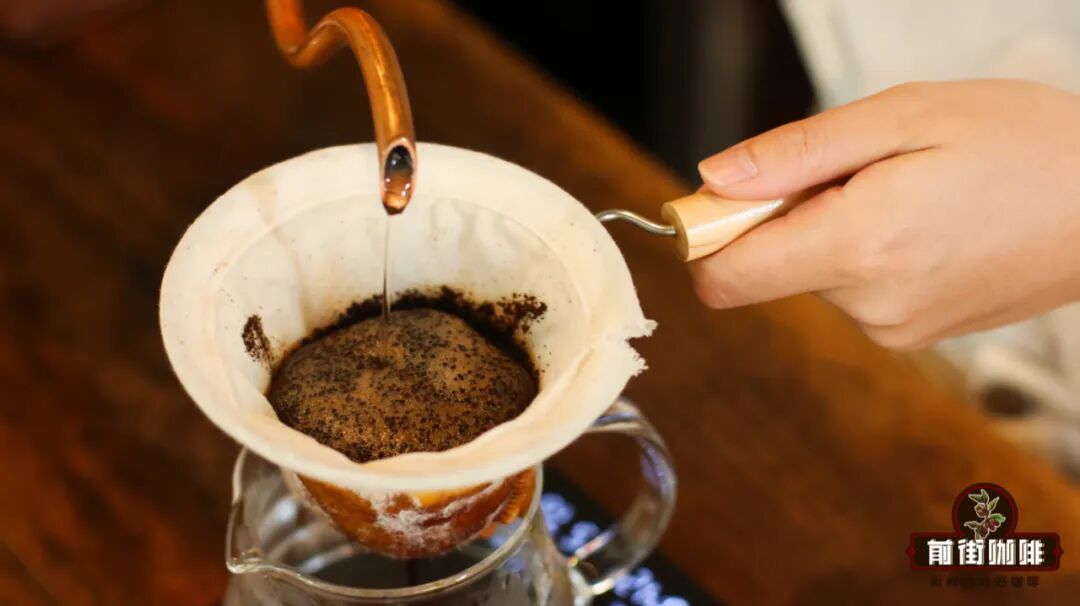
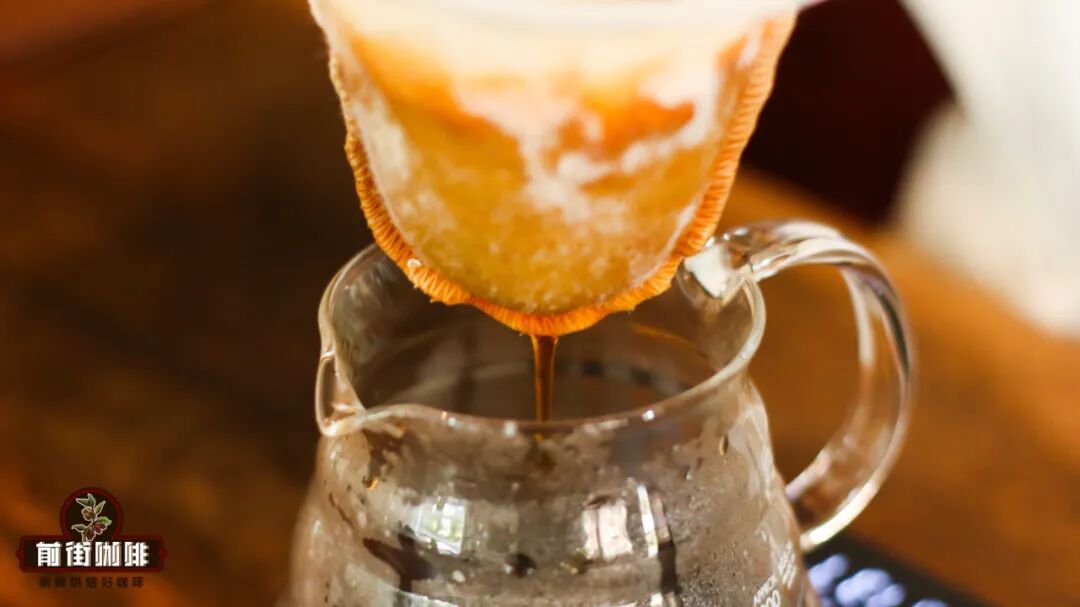
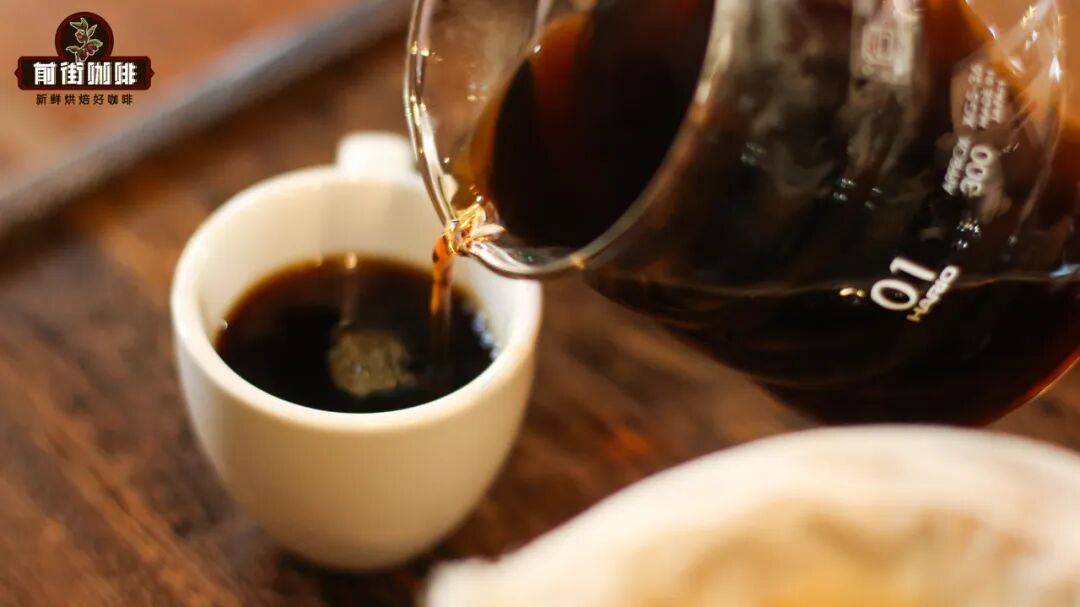
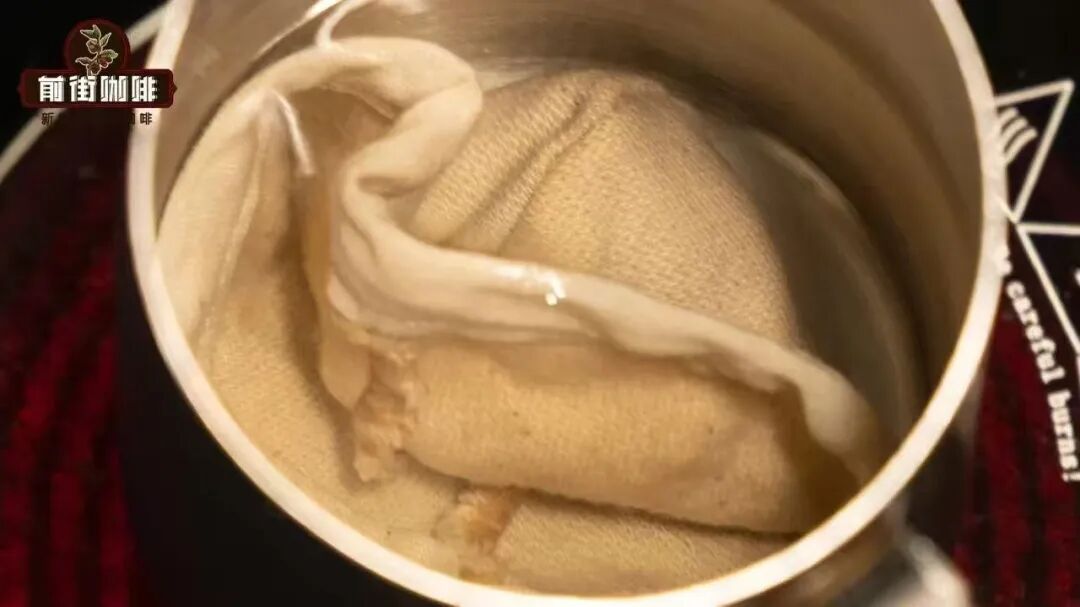
Speaking of flannel filter cloth, many friends may have only seen it in some Japanese TV dramas or Japanese-style brewing introduced by bloggers, and have never actually come into contact with it. Because compared with filter cloth, the vast majority of people use filter paper and drippers, the mainstream filtering tools, when brewing coffee. The way to learn aboutflannel filter clothis mostly through coffee culture related to Japan.This inevitably makes many friends curious: why do Japanese people like using flannel filter cloth to brew coffee so much, and what exactly is the difference between coffee brewed with this small piece of filter cloth and coffee brewed with filter paper?What are the characteristics of flannel filter cloth?As I always say , if you are a friend who often reads Front Street posts, you should already know that the characteristic of brewing with flannel filter cloth is that "it can brew coffee with a richer aroma." The reason is that flannel filter cloth does not filter as thoroughly as filter paper.Flannel(Flannel)is a soft napped fabric born in Wales, England. Since it was invented, it has been used in various fields because of its extremely wide applicability. Its time as a coffee filtering tool can be traced back as early as the 17th century. Since filter paper had not yet been invented at that time, countries across Europe used flannel filter cloth to filter brewed coffee.But as Front Street said, at that time, the function of flannel filter cloth was only to filter coffee that had already been brewed. It was only after pour-over coffee spread to Japan that flannel filter cloth began to be formally and widely used as a filtering/brewing tool for pour-over coffee.Compared with filter paper, the fiber gaps in flannel filter cloth are larger, allowing lipids and some insoluble substances in coffee to pass through. Coffee lipids contain certain oil-soluble aromas, so their presence can give coffee a richer aroma expression. Not only that, lipids and insoluble substances can also improve the mouthfeel of coffee, making it taste fuller. This is the main reason flannel filter cloth is popular.Flannel filter cloth has a napped side and a cotton side. The cotton side feels rough due to the woven texture, while the napped side feels smooth due to the fine nap.Both sides can be used as the inner bag to hold coffee grounds, but compared with the napped side, everyone tends to use the cotton side as the inner bag. Because if the napped side gets coffee grounds on it, it will make cleaning significantly more difficult. So, including Front Street, many friends use flannel to brew coffee with the napped side outside and the cotton side inside.And because flannel filter cloth is usually fixed onto a specially made metal handle, we can either choose to brew while holding it by hand, or choose a more relaxed method—hanging the flannel filter cloth on a server like a dripper to brew. Generally speaking, friends who brew with flannel filter cloth choose the latter, both because it has enough ritual feel and because it is more flexible to operate.Alright, without further ado, next let Front Street share how to use flannel filter cloth to brew a delicious pot of coffee!How do you brew a good cup of coffee with flannel?Actually, there is not much difference in the parameters and method between brewing coffee with flannel and brewing with a dripper and filter paper, but if you choose to brew while holding it by hand, then you need to adjust the coffee-to-water ratio to a coffee-to-liquid ratio. Because the filter cloth is not in contact with the server, the electronic scale can only measure the weight of the coffee liquid seeping out from the filter cloth.Since flannel filter cloth is being used, Front Street will naturally choose a dark-roasted coffee bean for brewing. Because the characteristics brought by flannel are exactly what dark-roasted coffee needs, the coffee bean Front Street used this time is the dark-roasted Front Street Sumatra · PWN Golden Mandheling from the bean list. The extraction parameters are as follows:Coffee-to-liquid ratio: 1:13 (converted to coffee-to-water ratio, it is 1:15)Brewing temperature: 88°CGrind setting: Ek43 setting 10.5, 70%~75% passing rate on a No. 20 sieve (slightly finer than what is used for pour-over)Pouring method: three-pour methodBecause it is measured by coffee-to-liquid ratio, we cannot see the amount of water poured. So during blooming, we no longer pour twice the weight of the coffee grounds in water, but simply wet the coffee grounds. But wetting also has technique: first concentrate the hot water and pour in the center for a period of time, then slowly circle outward until all the coffee grounds on the surface are moistened. The purpose of this is to prevent channeling from causing uneven blooming. The time is likewise 30 seconds.After 30 seconds, we can begin extracting the coffee freely! Use a moderate stream of water to pour slowly in circles from the center outward. After reaching the outer ring, circle inward again, then repeat pouring in circles back and forth inside and outside until the water level is about to cover the coffee bed, then we can stop pouring. After waiting for the water in the filter to seep through almost completely, we then begin pouring the next stage of hot water.Starting from the third pour, the focus of extraction should be concentrated in the middle of the coffee bed. Therefore, when pouring, the circling range can be appropriately reduced, pouring continuously in circles within roughly the area of a coin. Then, once the target liquid weight is reached, remove the filter cloth and stop pouring. Total time: 2 minutes 21 seconds.(Front Street used 20g of coffee, with a coffee-to-liquid ratio of 1:13, so the target liquid weight is 260ml)Front Street also used filter paper with a Kono dripper and the same parameters to brew a pot of Golden Mandheling for comparison! In the comparative tasting, Front Street found that the Golden Mandheling brewed with flannel was indeed more aromatic and mellow than the one brewed with the filter paper and dripper combination. It smelled of more prominent aromas, had a smoother mouthfeel when drunk, and had a longer finish after swallowing(Both are just a tiny bit more; you cannot taste it without comparison).The flavor expression of the coffee was consistently the same(After all, it is the same bean), and the chocolate, nut, pine, and spice flavors of Golden Mandheling were all well displayed. It is just that in terms of clarity, the Golden Mandheling brewed with filter cloth was not as high as the one brewed with filter paper.In summary, we can see that coffee brewed with flannel filter cloth and coffee brewed with filter paper have different characteristics, and there is no distinction between good and bad. Some friends may ask after reading this: since they each have different characteristics, why are there so few coffee shops in China today that use flannel to serve pour-over?Simple, because the flannel filter cloth used for pour-over is not a disposable product! In order to keep putting it into use continuously(it has a service life), we need to carry out a series of disinfection and cleaning measures for the filter cloth after use. Compared with the use-once-and-throw-away nature of filter paper, the use of filter cloth is obviously much more cumbersome.So not only in China, but also in Japan, many coffee lovers, including many in Japan, have chosen the simple and convenient combination of filter paper and dripper to brew coffee. But Front Street still says: flannel filter cloth and filter paper each have their own advantages, and there is no distinction between good and bad. We can just choose and use them according to our own preferences~
 The above content is compiled by CoffeeHunters, a coffee news website.








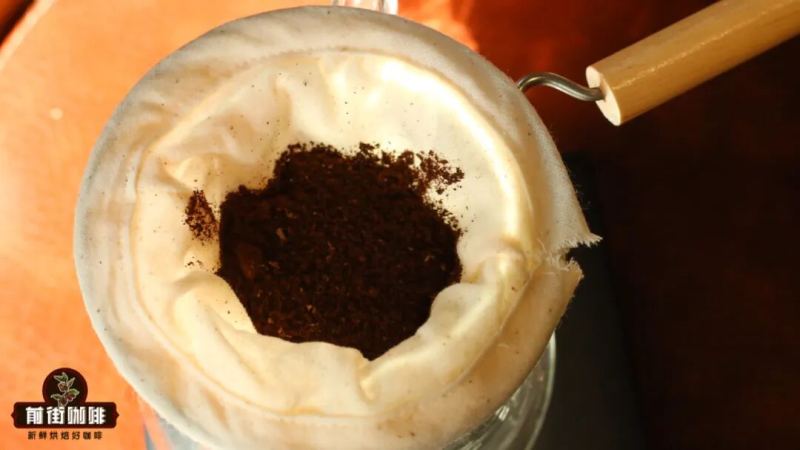
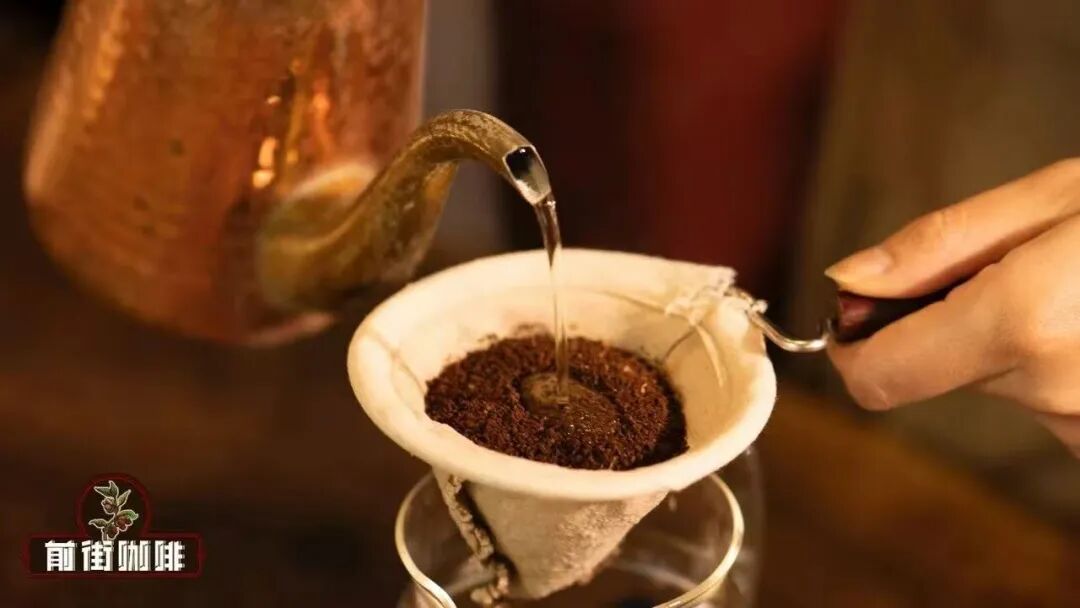
 , if you are a friend who often reads Front Street posts, you should already know that the characteristic of brewing with flannel filter cloth is that "it can brew coffee with a richer aroma." The reason is that flannel filter cloth does not filter as thoroughly as filter paper.