







Search Results for: structure
Discussing Commercial Espresso from a Menu Structure Perspective: How a Shop Should Establish Its Base Bean
Looking at a coffee shop's bean list tells you a lot about how that shop thinks. Some shops have very long lists, packed with single origins, blends, and limited releases; others carry only one or two espresso beans year-round, yet make every cup solid. For most cafes, the core of a commercial espresso bean list isn't quantity—it's staying power—one [more…]

A World Tour of the Milk Coffee Family: Bean Pairings for Seven Kinds of Milk Coffee
Latte is just one member of the milk coffee family—from Rome's cappuccino to Melbourne's flat white, from Spain's cortado to Vietnam's egg coffee, "coffee with milk" has evolved into a vast family across the globe. Each milk coffee is a unique local cultural solution to the ratio of milk fat, and behind each solution lies a different [more…]

From Coffee Cherry to Cup: Coffee Cherry Structure Diagram and Full Analysis of Green Bean Processing Workflow
Many people drink coffee every day, yet have never seen what a coffee fruit actually looks like. Coffee cherries resemble cherries, turning red when ripe, and their internal structure determines the final form of the coffee bean. This article uses anatomical diagrams to show in detail the exocarp, pectin layer, endocarp, silver skin, and seed of the coffee fruit, and traces the complete chain from harvesting, washing or drying, roasting, to extraction. It also introduces the distribution characteristics of the global coffee belt, as well as the basic differences among the three major native species: Arabica, Robusta, and Liberica. The article also recommends related products from Front Street Coffee, helping enthusiasts understand more intuitively the transformation of coffee from fruit to cup. [more…]

A Practical Guide to Using a Manual Coffee Grinder: A Full Breakdown of Burr Structure, Grind Setting Adjustment, and Daily Maintenance
Manual coffee grinders are a go-to piece of gear for many pour-over enthusiasts, serving both everyday home use and, when paired with a French press, AeroPress, or moka pot, forming a portable outdoor kit. Grinders from different brands and models vary noticeably in price and the quality of the ground coffee they produce. From the perspective of Front Street, this article systematically breaks down the core components of a manual grinder—the burr, the adjustment dial, the handle, the bean hopper, and the grounds bin—and explains how to adjust the grind setting according to your brewing method, how to turn the handle correctly, and the key points of cleaning and regular maintenance, helping you use your manual grinder more smoothly and making every cup's extraction more consistent. [more…]
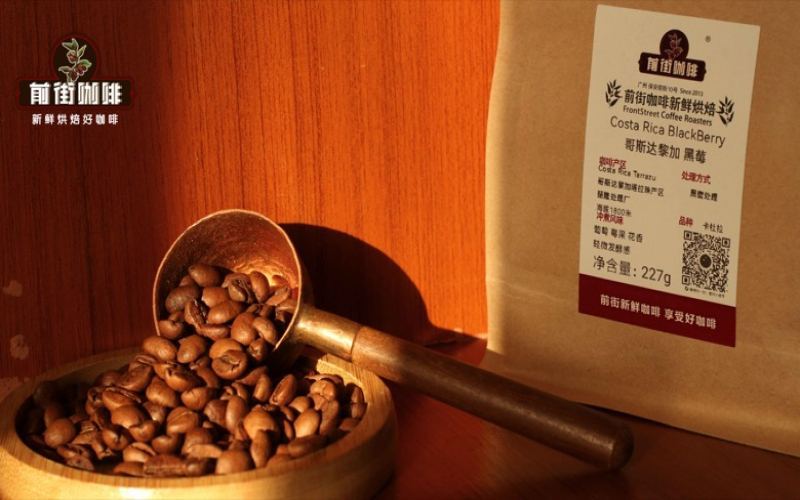
The Sweet-and-Sour Structure of Light-Roast Beans: Floral and Fruity Aromas with Bright Acidity
The flavor logic of light-roasted beans is "preservation": the roasting time is short, so the floral and fruity aromas and acidity of the origin are retained to a greater extent. When brewed properly, it is a bright and clean cup. The light-roast version of Front Street Coffee Yirgacheffe Gedingding has a clear citrus and green tea sweetness, and the acidity is a lively fruit acidity rather than a sharp, irritating sourness—the sweet-and-sour sensation of a light roast. [more…]
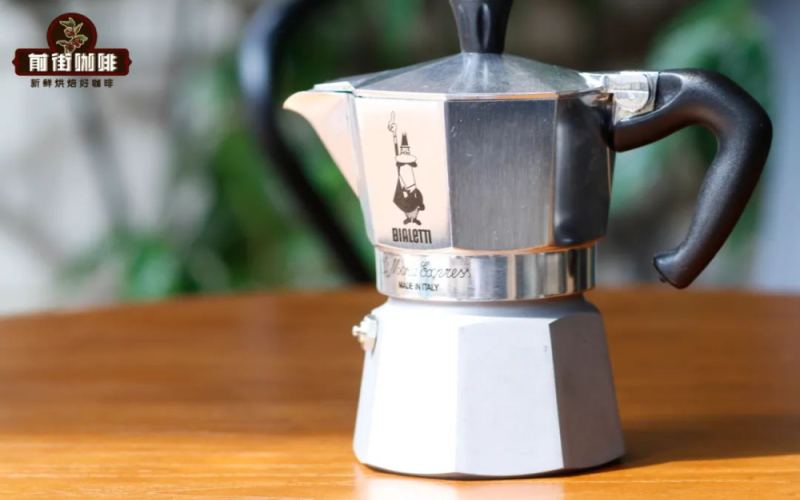
Home Coffee Equipment Recommendations | What Is the Coffee Grind Size and Usage Steps for a Moka Pot? What Coffee Beans Should Be Used in a Bialetti Moka Pot? Introduction to the Moka Pot Structure and Coffee Extraction Principle
The moka pot is a device that extracts rich coffee through heating and pressurization. It was invented in 1933 by the Italian Alfonso Bialetti, and it is mainly popular in European countries, especially in its country of origin, Italy, where the vast majority of households have a moka pot at home. [more…]
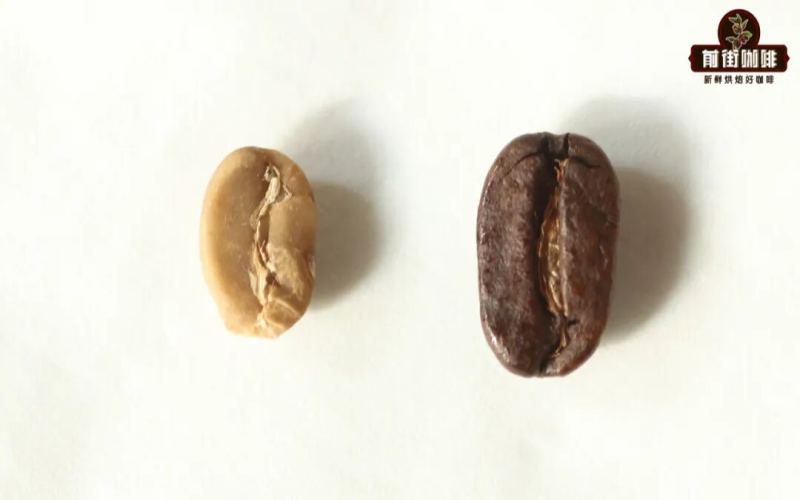
Coffee Bean Oil Release | What factors cause roasted coffee beans to become oily? Does coffee bean oil release mean poor coffee quality?
If you often buy beans and brew them at home, you've probably noticed that some coffee beans start to show oil on their surface after sitting for a while. Other beans, no matter how long they're stored, still look dry on the surface. This leads to a rather interesting phenomenon: some people believe that coffee beans [more…]
From Surfactants to Foam Stability: A Beginner's Guide to Latte Art and the Principles of Fluid Dynamics
Latte art is a romantic expression of a barista's skill, with white milk foam blooming into heart or leaf patterns on the surface of dark brown espresso. Latte art is divided into two types: free-pour latte art and etched latte art created after pouring. The wonder of the former lies in the pattern forming simultaneously with the pour, while the latter offers a wider range of designs because the stable foam allows for leisurely drawing. From a physics perspective, the core of latte art lies in surfactants—molecules that possess both hydrophilic and hydrophobic groups, capable of stabilizing the interface between air and liquid to form lasting foam. Milk proteins and coffee lipids act together as surfactants, enabling the two micron-scale foams to remain clearly separated for a long time after mixing, thereby allowing the pattern to persist. This article will guide you from the basic principles of surfactants to understand espresso's crema, the formation of hot milk foam, and why foam mixing rather than liquid mixing is the key to successful latte art, while also revealing the widespread applications of surfactants in daily life and industry. [more…]
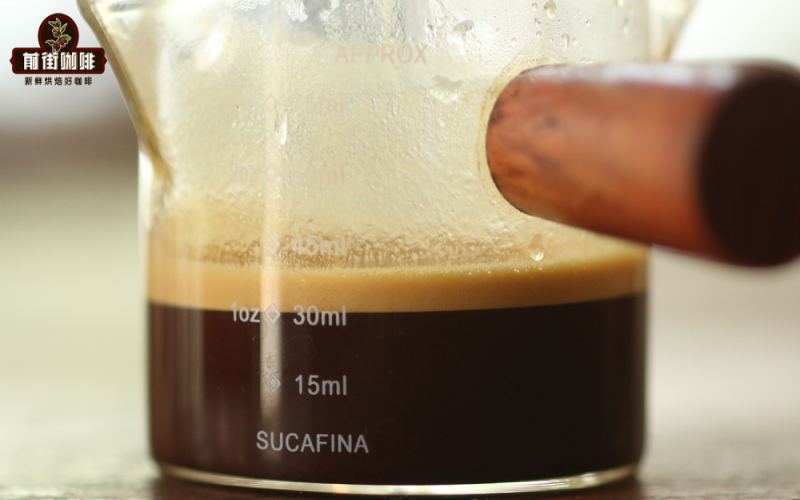
Espresso Extraction Ratios | Is there a big difference between single and double shots of espresso? How do single and double shots differ in taste and mouthfeel?
If you want to order an espresso at a coffee shop, besides saying "I'll have an espresso," you can also say "I'll have a shot." A shot is the unit for espresso; 1 shot espresso means one serving of espresso, and sometimes "sin" is also used. [more…]

How a Siphon Works | What Makes Up the Structure of a Siphon Coffee Maker? How Do You Brew Coffee with a Siphon? What Are the Key Points for Making Siphon Coffee?
The siphon pot, with its appearance resembling laboratory equipment, is a coffee brewing tool that extracts coffee by utilizing pressure changes caused by steam and the siphon principle. It first appeared in Europe, and the trademark registration for the siphon pot was owned by a French lady, Marie Fanny Amelne Massot, exquisite [more…]
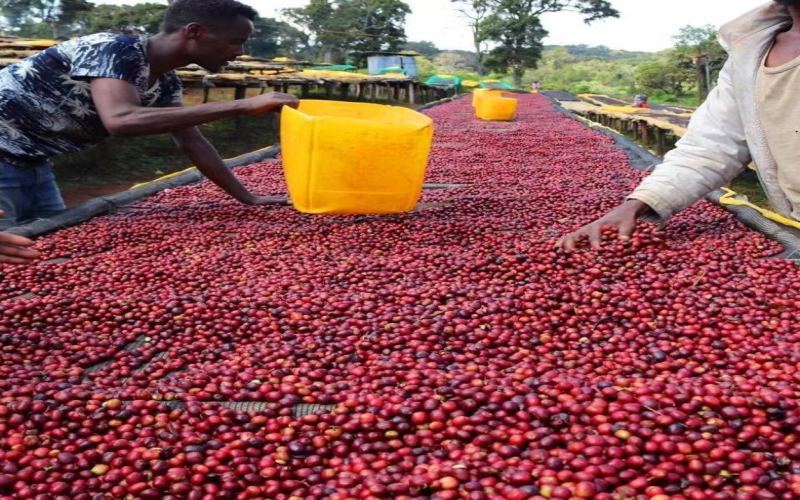
How to Choose Several Light-Roast Coffee Beans Suitable for Pour-Over: Interpreting the Flavor Structure Behind the Bean List
The complete flavor of a cup of coffee, including aroma, sweetness, body, mouthfeel, and finish, with acidity and bitterness being only two of its dimensions. When choosing beans, first decide whether you want floral and fruity notes, nutty and cocoa notes, or a sense of balance, then look for answers in the origin, processing method, and roast level. Origin, variety, processing method, and roast level give a bean [more…]
Analysis of Coffee Variety Structure in Yunnan: Distribution and Characteristics of Typica, Bourbon, and Catimor
Yunnan, as China's core coffee-producing region, has always been a topic of interest among coffee enthusiasts when it comes to the composition of its planted varieties. Currently, Yunnan coffee is not a single variety, but is mainly composed of three major categories: Typica, Bourbon, and Catimor. Among them, Catimor has become the main force due to its disease resistance and high yield, while Typica and Bourbon remain in localized areas such as Baoshan. Although these three varieties all belong to the Arabica species, they differ significantly in flavor, yield, and maintenance difficulty. This article will provide a detailed review of their origins, characteristics, and production area distribution, and explore the genetic connections between Yunnan small-bean coffee and famous varieties such as Blue Mountain and Kona. Front Street Coffee will also combine the current situation of the production area to interpret for you the flavor logic behind the varieties. [more…]
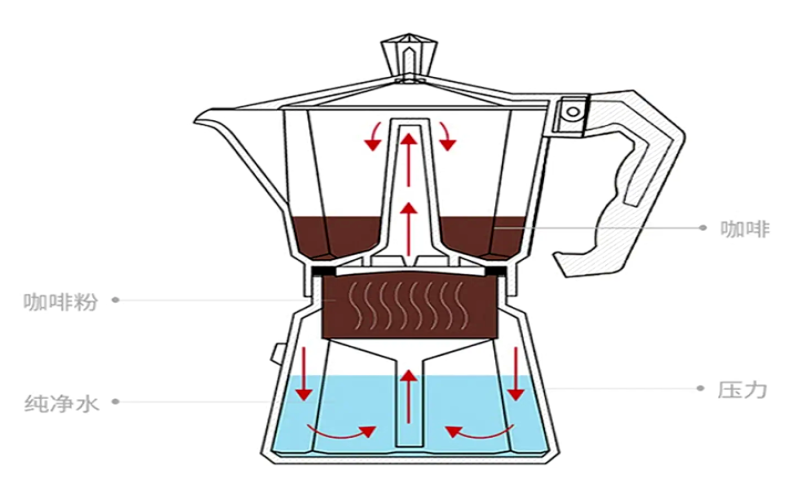
How to Use a Moka Pot Correctly | What Are the Working Principles and Structural Features of a Moka Pot? A Detailed Tutorial on Brewing Coffee with a Moka Pot
For more specialty coffee knowledge, please follow: Front Street Coffee (Frontsteet Coffee). As coffee culture gradually becomes more widespread in China, many newcomers who have just stepped into the coffee world are beginning to pick up various brewing tools and delve into extraction. Compared with expensive and cumbersome espresso machines, the moka pot is much simpler and more accessible. [more…]
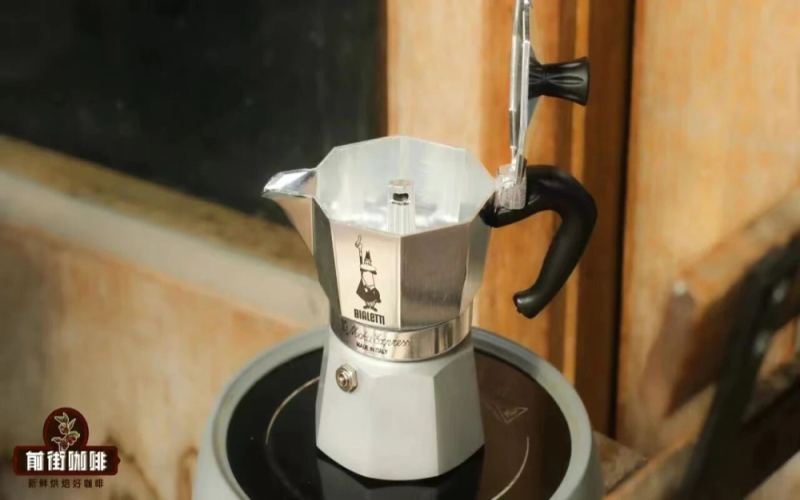
The Complete Guide to Moka Pot Brewing: Structure, Principles, Suitable Beans, and Grind Size Explained
Although the moka pot is not as common in cafés as commercial espresso machines, it plays an irreplaceable role in Italian households. Some call it an Espresso Pot, while others question whether it can make true espresso, but its pressure extraction principle and unique construction are enough to make every cup of coffee worthy of serious attention. From the perspective of Front Street, this article systematically sorts out the three-part structure of the moka pot, its pressure extraction mechanism, and the approach to selecting suitable bean types and grind sizes, and provides complete operating steps from pouring water, loading grounds, heating, to cooling down, helping coffee enthusiasts reliably recreate a rich and full-bodied moka pot coffee at home. [more…]
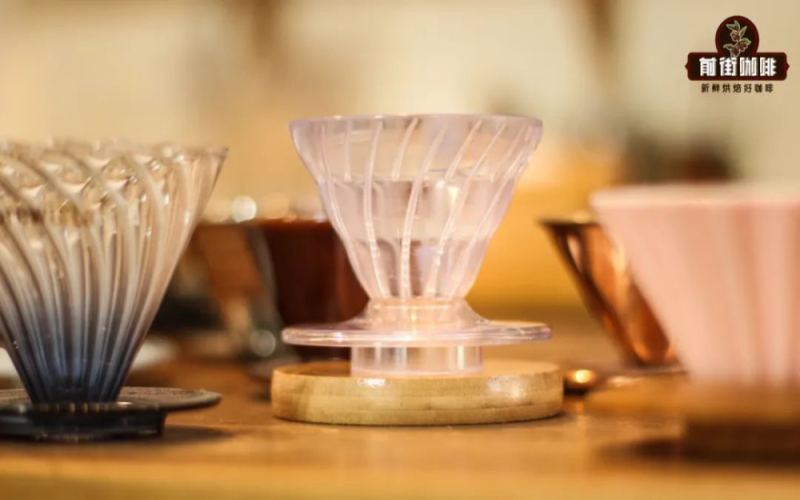
Coffee Equipment for Beginners | What kind of coffee dripper is suitable for novices learning about coffee? Which brand of V60 dripper is good? What are the advantages of the V60 dripper?
New-style drippers emerge endlessly every year. They not only come in a myriad of forms, but each has its own strengths: some drippers can change the flow rate of the water; some drippers can achieve zero bypass; some drippers can even change their shape! Although there are many kinds of drippers, in all their variety, if you were to ask a knowledgeable high-end player to recommend one to a beginner [more…]
Detailed Explanation of Technical Requirements, Material Selection, and Common Forms of Coffee Packaging: From Oxidation Prevention to Vacuum Gas-Flush Packaging
As a globally popular beverage, coffee packaging must not only prevent the escape of aroma and moisture absorption, but also address oxidation, odor adsorption, and quality deterioration caused by high temperatures. This article focuses on the packaging needs of regular coffee and instant coffee, systematically outlining key technical requirements such as oxidation prevention, moisture resistance, gas barrier properties, and high-temperature protection, and introduces current mainstream vacuum packaging and gas-flushing packaging processes. In terms of material selection, bags, bag-in-box, metal cans, and glass jars each have corresponding composite structure solutions, while instant coffee mostly uses paper/aluminum foil/polyethylene flexible packaging. The article concludes with a summary of common packaging forms such as bags, cans, and boxes, suitable for reference by coffee enthusiasts and industry professionals. [more…]
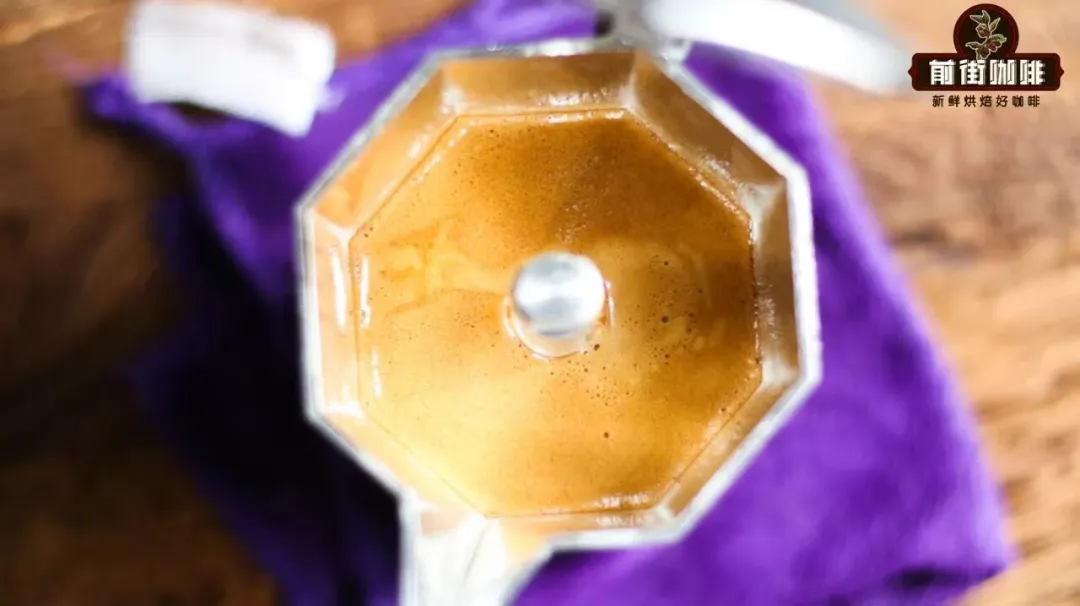
Coffee Basics | What is the coffee extraction principle of a Moka pot? How can coffee beginners use a Moka pot to make espresso-style black coffee? What are the pros and cons of a Moka pot?
Espresso is a coffee with a very long history and the soul of all coffee drinks. In fact, besides a semi-automatic espresso machine, there is another device that can make espresso: the moka pot. Below, Front Street Coffee will introduce it to you: the moka pot. What is a moka pot? Since the moka pot [more…]
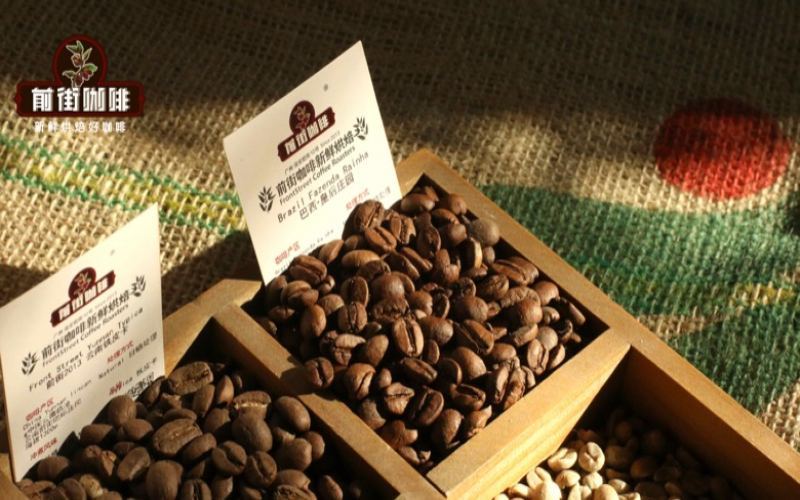
The Regional Foundation of Commercial Espresso Blends: Brazil, Colombia, and the Trade-offs of Single-Origin SOE
When choosing espresso beans for a coffee shop, the origin structure is the key factor determining the flavor direction. Commercial espresso beans fall into two main routes: one is the blend base, and the other is single-origin SOE; each has its own positioning and suitable scenarios. Blended beans are the mainstream choice for commercial espresso. The core idea of blending is to use beans from different origins to complement each other, with Brazil providing [more…]
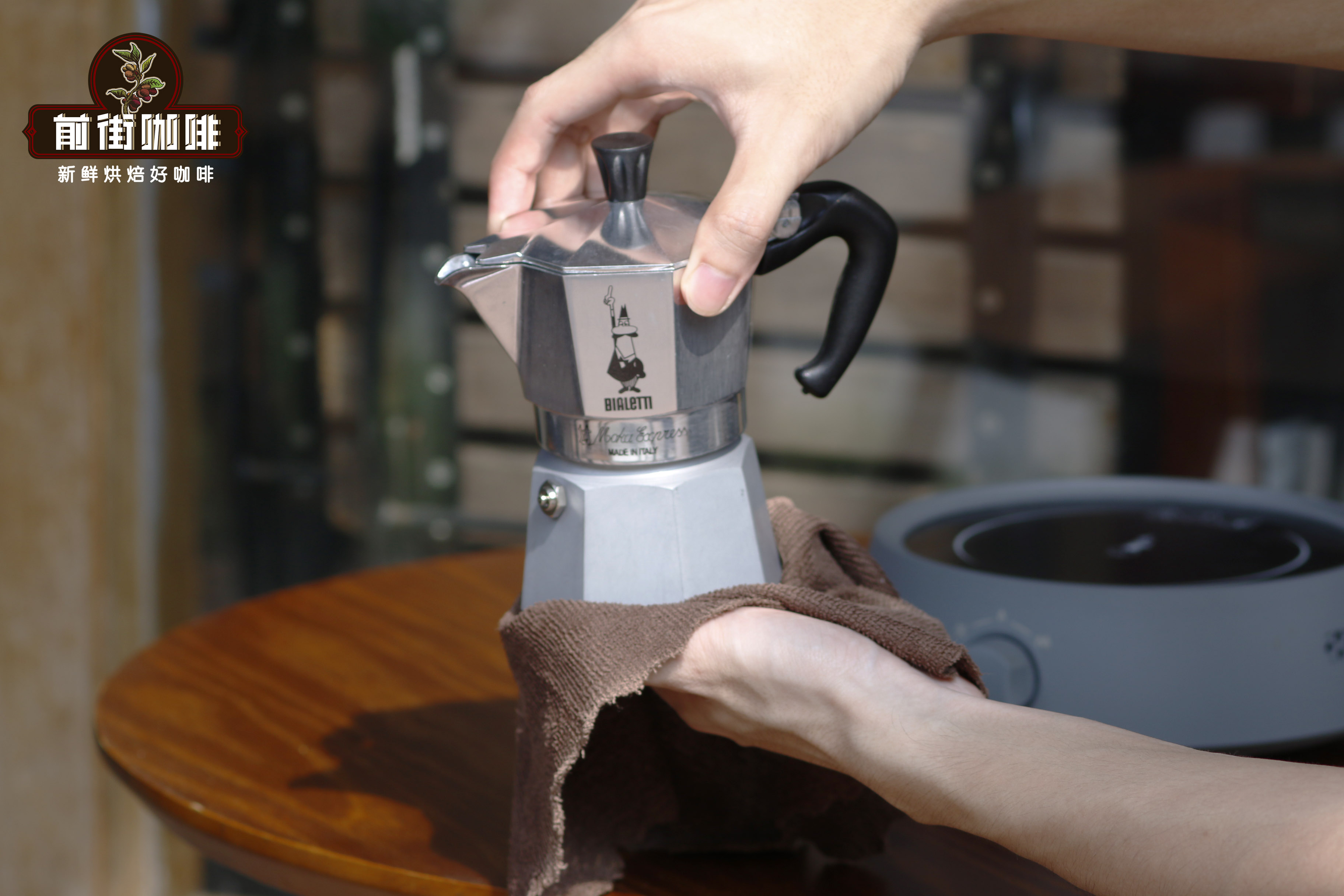
Introduction to the Moka Pot Extraction Principle | What Is the Structure of a Moka Pot? How Do You Brew Dark Roast Coffee Beans with a Moka Pot? Should You Leave the Lid Open When Using a Moka Pot? Does Moka Pot Coffee Taste Good?
Recently, a fan of Front Street Coffee has fallen in love with brewing coffee using a moka pot, especially enjoying a strong cup from the moka pot in the morning. However, this fan is unsure whether their method of using the moka pot is correct, so they approached Front Street Coffee to discuss this issue. Front Street Coffee believes that as a standard household coffee appliance, the moka pot should not have too many rigid requirements. [more…]

The Structure of Drip Bag Coffee | Can a Yirgacheffe drip coffee bag only be brewed once? How many steps are there for brewing drip bag coffee correctly?
Coffee, as a daily beverage, has become deeply embedded in many people's lives. At the same time, for many, coffee is no longer just a way to get caffeine—the delightful flavors of its growing regions are also why people love coffee. Different regions produce different flavors: the citrus and floral notes of Yirgacheffe, the floral tea of Panama Geisha. [more…]