







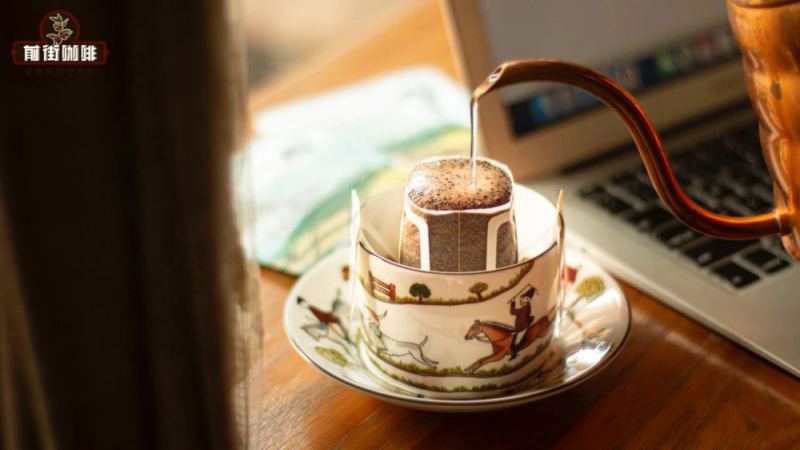
How does drip bag coffee with coffee arabica differ from instant?
Drip bag coffee is a single-serve filter bag with two cardboard tabs that hang over a cup rim, so hot water brews fresh ground coffee much like a pour-over. Japan's Yamanaka Sangyo patented the first single-sided version in 1990, Daiki Shoji added double-sided tabs in 1999, and the format now holds about 15% of Japan's regular coffee market.
The gap with instant coffee comes down to processing. Instant coffee is brewed in bulk and dried into powder or granules, while a drip bag holds ground coffee that is extracted fresh in the cup. Specialty boxes built on coffee arabica, including Yunnan, Brazil, Yirgacheffe and Mandheling origins, give beginners a simple way to compare single-origin flavor.
Drip bag coffee has become the top choice for many people's daily brew thanks to its portability and flavor that approaches pour-over. But do you know about its evolution from Japan's single-sided filter bag to the patented double-sided ear design? What essential differences actually exist between drip bag and instant coffee? When faced with the bewildering array of specialty Arabica drip bag boxed products on the market, how should beginners choose? This article will trace the historical development of drip bag coffee, compare the processing differences with instant coffee, and compile a curated drip bag list suitable for beginners, covering Front Street Coffee's basic flavors such as Yunnan, Brazil, Yirgacheffe, and Mandheling, helping you follow the guide and easily find the one that suits your taste.
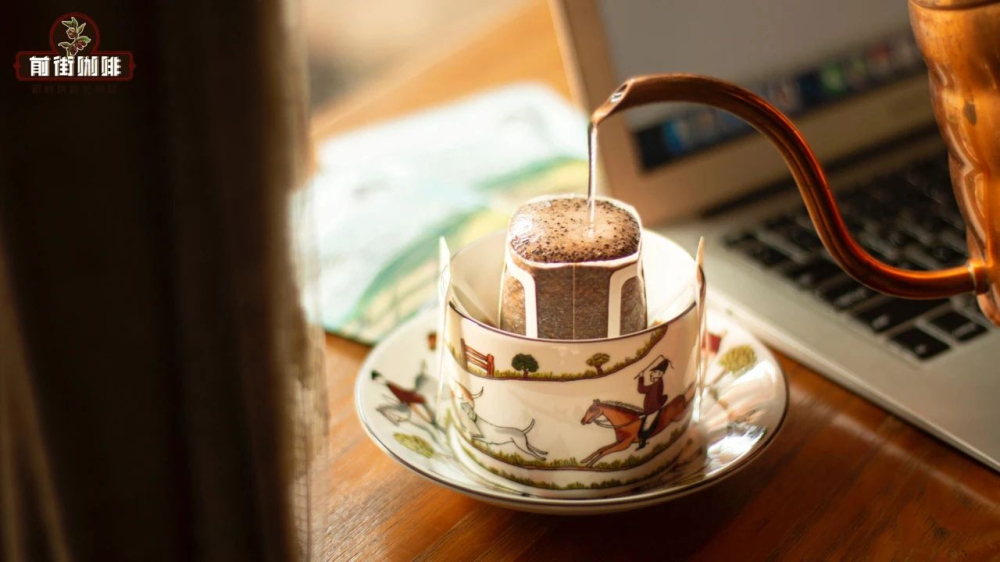
Portable Drip Bag
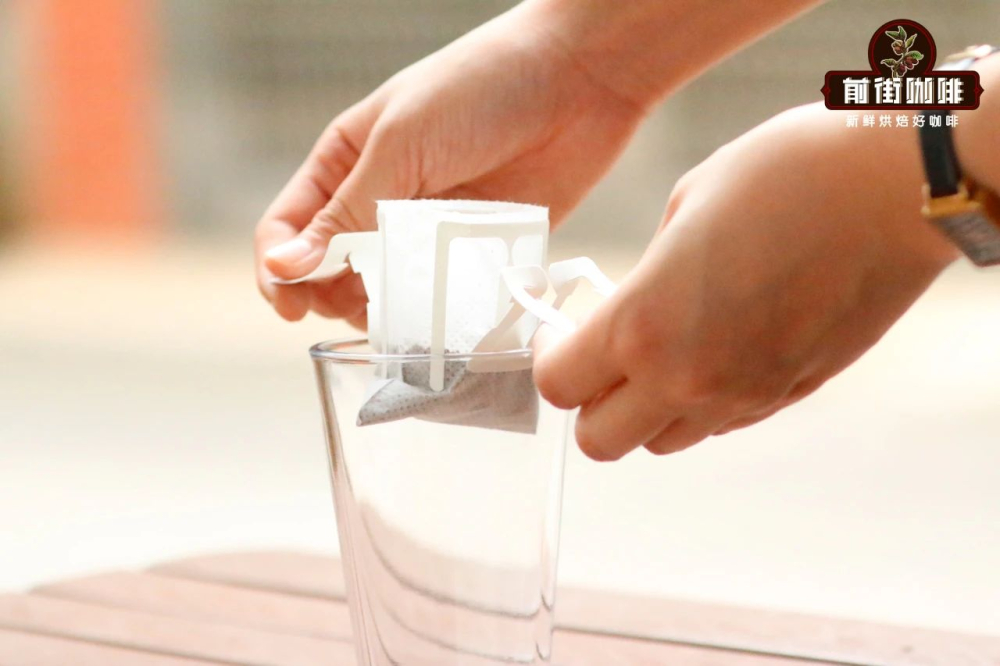
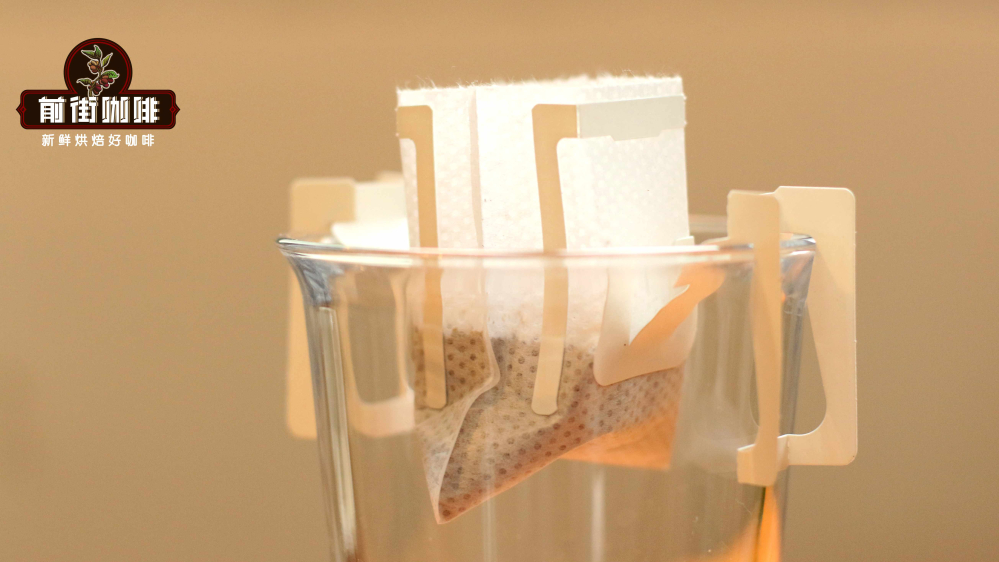
The portable drip bag is a patented design developed by the Japanese. The filter bag holds the coffee, while the two sides have small cardboard tabs—like two little ears—which is why it's called "ear-hanging coffee" (drip bag coffee)~ These two little ears are used to hang the coffee bag on the rim of a cup for brewing. After brewing, the drip bag can be discarded, making it easy to enjoy freshly ground coffee just like pour-over.
The History of Drip Bag Coffee
In 1990, the earliest drip bag coffee was invented by Yamanaka Sangyo Co., Ltd. of Japan, and a patent application was formally filed that same year. However, at that time, the drip bag only had a single side.
In 1996, Daiki Shoji Co., Ltd. proposed an improved filter bag, moving the hanging tabs to the lower edge of the filter bag, but the tabs were still only on a single side of the filter bag.
In 1999, Daiki Shoji applied to the European Patent Office for an invention patent with double-sided hanging tabs. This improved design finally allowed the filter bag to stand firmly and steadily on the cup rim, with the opening of the filter bag able to fully open as well. This design concept has become the mainstream in today's market.
In 2001, the Japanese invented drip bag coffee and registered a patent, then brought it to market. Because it is simple to use and portable, and the brewed coffee tastes much more pure and rich than instant coffee, today drip bag coffee has captured 15% of Japan's regular coffee market share.
While the market was still using commercial blended coffee beans as raw material, Front Street Coffee was already supplying "filter-brew drip bag coffee made from specialty estate coffee beans," with as many as fifty varieties. Through Front Street Coffee's drip bags, many coffee drinkers have been able to taste the flavors of single-origin coffee and experience the charm of specialty coffee. In addition, all of Front Street Coffee's drip bag coffees are freshly roasted within 5 days, and orders are shipped within 24 hours after placement, ensuring that you receive them in their optimal tasting state.
However, the wide variety of choices has instead become a problem for some newcomers, because faced with dozens of varieties, they simply don't know where to start, and they worry about buying something expensive or not tasty. To eliminate this problem for such friends, here we have put together a curated drip bag coffee list most suitable for beginners—just buy according to the list and you can't go wrong.
1. Front Street Coffee Yunnan Small-Bean Drip Bag Coffee
Roast Level: Medium Roast
Recommended Reason: Melon and fruit aromas, sweet melon, brown sugar, plum acidity, black tea sensation—suitable for those who enjoy balanced coffee.
2. Front Street Coffee Brazil Cerrado Red Bourbon Drip Bag
Roast Level: Medium Roast
Recommended Reason: Balanced taste, with flavors of nuts, chocolate, cream, peanut, and caramel—suitable for those who enjoy nutty aromas.
3. Front Street Coffee Washed Yirgacheffe Drip Bag Coffee
Roast Level: Medium-Light Roast
Recommended Reason: Features flavors of tropical fruit, strawberry, berries, and cream—suitable for those who enjoy fruity aromas.
4. Front Street Coffee Indonesia Mandheling Drip Bag Coffee
Roast Level: Medium-Dark Roast
Recommended Reason: Extended heating time, no acidity, with flavors of spice, dark chocolate, pine, and nuts—full-bodied with rich bittersweetness.
Many people are curious about the difference between instant coffee and drip bag coffee. Actually, the answer is quite simple:
(1) Instant coffee is a deeply processed coffee beverage that can be dissolved directly in water, and it contains some chemical additives.
(2) Drip bag coffee is made by placing ground coffee into a bag made of non-woven fabric and sealing it. To drink it, you hang it on the rim of a cup and brew it with hot water. The coffee grounds can then be thrown away directly, and sugar and milk need to be added by yourself. This coffee is pure and natural, with no additives added.
Their common feature is that they are convenient to carry and simple to drink.
The above content is compiled by CoffeeHunters, a coffee news website.


