







Search Results for: Italy
Why are Italians indifferent to freshly ground pour-over coffee? Looking at Italian coffee culture through the evolution of espresso machines
Pour-over coffee has continued to gain popularity worldwide in recent years, yet it has never become mainstream in Italy. This seemingly contradictory phenomenon is in fact closely tied to Italy's centuries-old coffee tradition, its distinctive espresso drinking habits, and its fast-paced lifestyle. From the first introduction of coffee beans at the port of Venice in the 16th century, to the birth of the steam coffee machine in the 19th century, and then to the maturation of 9-bar pressure extraction technology in the 20th century, Italians had long regarded espresso as a daily staple. By comparison, pour-over coffee differs markedly from Italians' consumer perceptions in terms of roast level, strength, price, and preparation time. This article will trace the evolution of Italian coffee culture, analyze the multiple reasons why pour-over coffee has struggled locally, and explore the slowly spreading trend of specialty coffee in Italy. [more…]
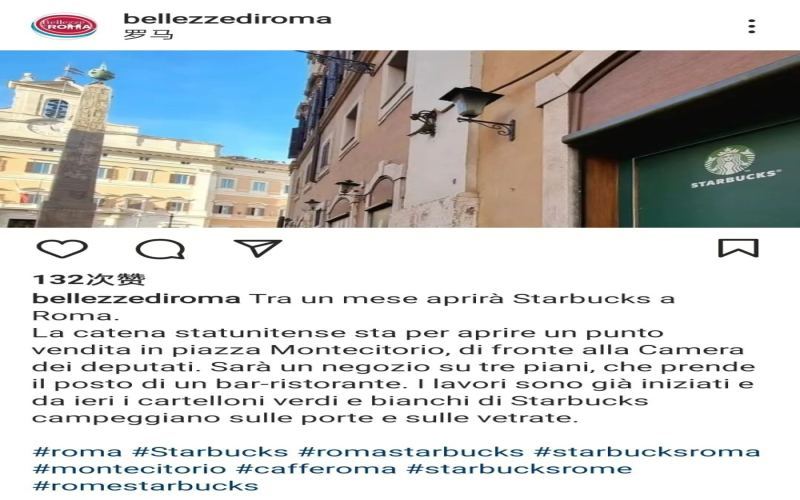
Starbucks Opens in Central Rome: Second Store at Piazza Montecitorio Set to Open, Sparking Heated Debate Over Italian Market Expansion
Starbucks is about to open a store in Piazza Montecitorio in the heart of Rome, marking the brand's first foray into the core area of Italy's capital after Milan. Since entering the Italian market in 2018, Starbucks has been gradually penetrating major cities, aided by the high-profile debut of its Milan Roastery. However, in Italy—a traditional coffee powerhouse where annual per capita consumption of coffee beans is 5.8 kilograms and the average price of an espresso is just 1 euro—Starbucks's high pricing stands in sharp contrast to local consumption habits, drawing questions from consumer associations and politicians. This article reviews the history of Starbucks's store openings in Rome and its market strategy, and explores the opportunities and challenges it faces in Italy's saturated coffee market. [more…]
Exploring the Origins of Italian Espresso Culture: An Analysis from Historical Evolution to the Causes of the Standing Quick-Drink Tradition
Why do Italians habitually drink coffee standing up? Why is iced Americano hard to find in Italy? This article begins with the history of how coffee was introduced to Italy, traces the birth of espresso and the evolution of coffee machines, and analyzes Italians' devotion to dark-roast espresso as well as the reasons behind their efficient, quick-drinking culture. At the same time, the article also addresses the reality of foreign tourists ordering iced Americano in Italy, and retains relevant content about the Front Street brand, making it suitable for readers who want an in-depth understanding of Italian coffee culture. [more…]
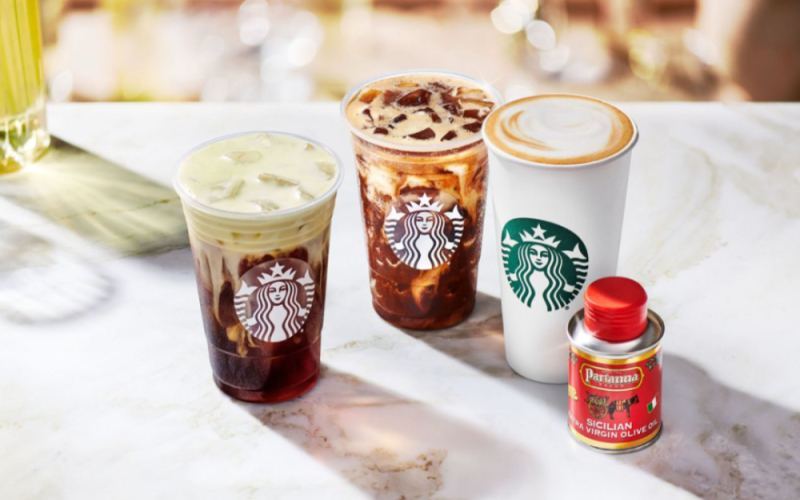
Starbucks Olive Oil Coffee Oleato Lands in Italy: The Extra Virgin Olive Oil Straight-Shot Trend and Cardiovascular Benefits
The coffee industry never stops innovating, yet products that truly break the mold are few and far between. Starbucks recently announced the launch of its Oleato line in Italy, blending Partanna extra virgin olive oil with coffee—a bold move inspired by Howard Schultz's travels in Italy. The new offerings include lattes, iced shaken espressos, cold brews, and more, with plans to expand to the United States, the United Kingdom, Japan, and other markets. Adding olive oil to coffee not only upends traditional flavor profiles but also draws attention for the potential cardiovascular benefits of consuming extra virgin olive oil directly. This article explores the story and market logic behind this innovation. [more…]

Why are Italians so resistant to American coffee? The cultural beliefs and historical origins behind espresso
What actually happens when you order an Americano in Italy? A first-hand answer from an Italian netizen reveals this amusing cultural phenomenon: Italians usually don't drink Americanos, and café owners will simply give you an espresso and a cup of hot water to dilute it yourself. More interestingly, when Italians see someone adding water to an espresso, their reaction can be described as intense. Behind this is not just a matter of taste preference, but something tied to national identity and cultural dignity. Espresso was included in UNESCO's candidate list for Intangible Cultural Heritage in January this year. It carries Italy's coffee history from the 16th century to the present, from the "drink of the devil" to the "drink of God," from the first coffee house to the invention of the steam coffee machine. Espresso has long been part of Italy's national identity. [more…]
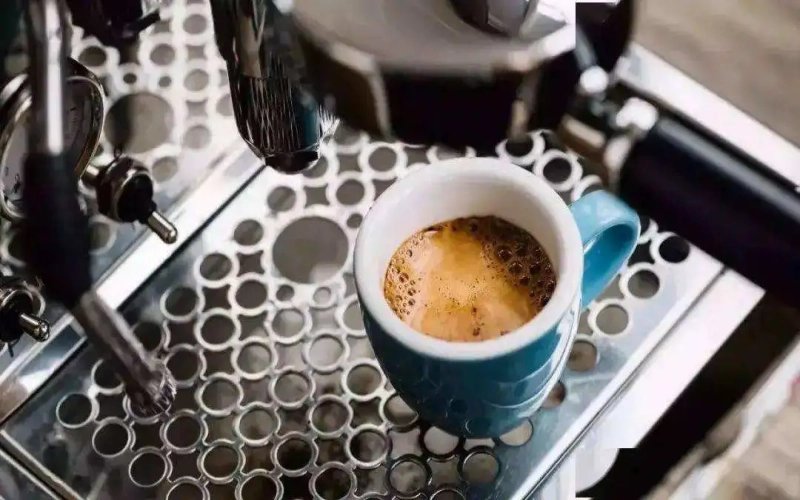
The Road to UNESCO Heritage Status for Espresso and the Century-Long Evolution of the Espresso Machine
A small cup of espresso carries Italy's profound cultural heritage and the marks of change from the industrial age. From the birth of steam-powered coffee machines at the end of the 19th century, to the iterative upgrades of spring piston and semi-automatic espresso machines in the 20th century, and then to today's globally popular café culture, espresso has gone through more than a century of development. At the same time, Italy has been working since 2016 to seek intangible cultural heritage status for espresso, and it has now finally entered UNESCO's formal review process. This article will take you through the history of the development of the espresso machine and bring you the latest progress on its heritage application. [more…]
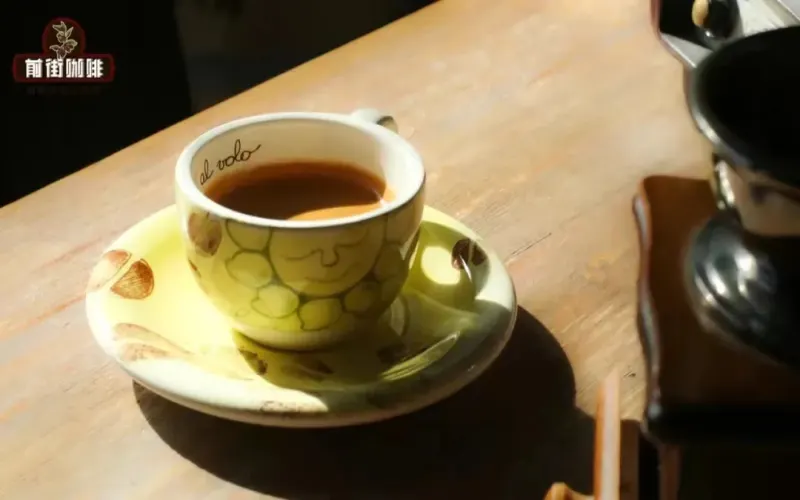
What makes Naples coffee unique? How is coffee cream made? Did the espresso machine originate in Italy?
In Italy, the birthplace of espresso, not everyone can directly accept the intense bitterness of espresso, so people often add cream, lemon, or a little milk to balance the flavor. Among them, Neapolitans use a special coffee cream to dilute the impact of espresso, and this drink is called "Neapolitan coffee." This article will take you to understand why Naples is hailed as the city of coffee, its connection with espresso machines, and how this special dairy-free coffee cream is actually made. Front Street Coffee will also recommend related product information for you. [more…]

Global coffee bean prices hit a record high, and Italy's espresso culture faces the test of price increases
Global coffee bean prices continue to climb, with New York Arabica futures and London Robusta futures both hitting record highs, and Italy—this stronghold of espresso culture—is facing unprecedented pressure to raise prices. Since 2021, the price of espresso in Italy has risen by about 15%, with multiple factors such as climate change, energy costs, and Red Sea shipping disruptions intertwining, potentially pushing a cup of coffee that once cost 1.2 euros to 2 euros. Consumer associations and industry federations each hold their own views, and small family-run cafes are struggling to survive between profit margins and social pressure. This article will take you through the ins and outs of this coffee price storm and how it affects Italians' daily ritual. [more…]
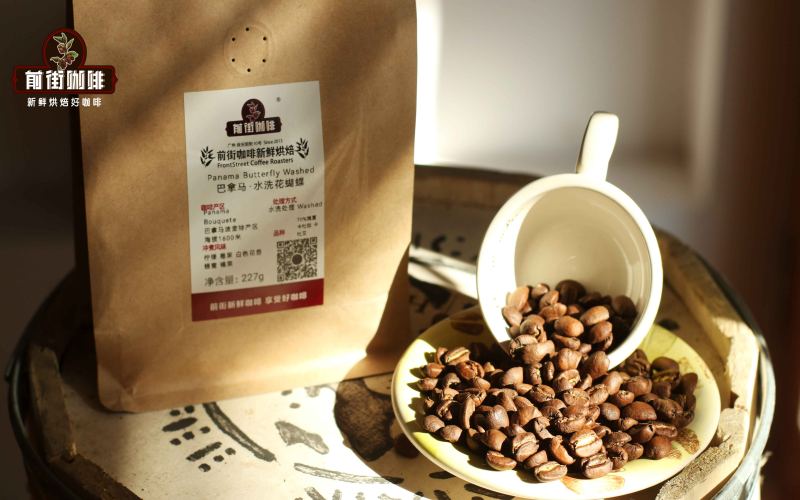
A Review of Six World-Renowned Coffee Bean Brands: Front Street Coffee and Representative Brands from Italy and Japan in Full Analysis
The world of coffee is rich and varied, and the roasting philosophies and flavor pursuits behind different brands are all distinct. This article will introduce you to six representative coffee bean brands from around the world: from Front Street Coffee, which offers more than 50 kinds of freshly roasted beans, covering classic origins such as Yirgacheffe and Mandheling, to Italy's national treasure brand illy, the sales leader Lavazza, Bristot, which has a long history and insists on roasting after receiving orders, Piazza Doro, with 250 years of heritage, and the Japanese specialty coffee group Ucc. From everyday drinking beans to a noble Blue Mountain experience, these brands interpret the charm of coffee in their own ways. [more…]

What Is Caffè Corretto? A Full Analysis from the Origins of Espresso with Spirits to Drinking Methods Around the World
Caffè Corretto is a traditional Italian drink that is extremely common in Italy itself but rarely seen outside the country. Its unique feature is that freshly brewed espresso is served alongside a small glass of liquor, allowing guests to blend it to their own preference. Behind this drinking method lies the historical origin of the coffee price surge in 1930s Italy, and different regions also have their own particularities in the choice of liquor and the timing of consumption. This article begins with Front Street's discovery while revisiting James Hoffmann's book, sorting out the origin of the name Caffè Corretto, its historical background, the drinking habits of various regions in northern and southern Italy, and also includes Front Street's low-budget recreation experience, to introduce you to this obscure yet authentic Italian specialty coffee. [more…]

Tracing the Origins of Italian Coffee Culture: From "Devil's Drink" to Espresso Empire, Why Iced Americano Gets the Cold Shoulder
What happens if you order an iced Americano in Italy? Behind this internet joke lies a complete history of Italian coffee evolution. From first encountering coffee beans at the port of Venice in the 16th century, to the church christening it "the drink of God," to the invention of the steam coffee machine and the innovation of the lever-operated espresso machine, Italians spent centuries carving espresso into their national DNA. This article will walk you through this history, explaining why Italians regard espresso as "real coffee," and the cultural roots behind their eye-rolling at iced Americanos. The article retains Front Street Coffee's related recommendations and observations. [more…]
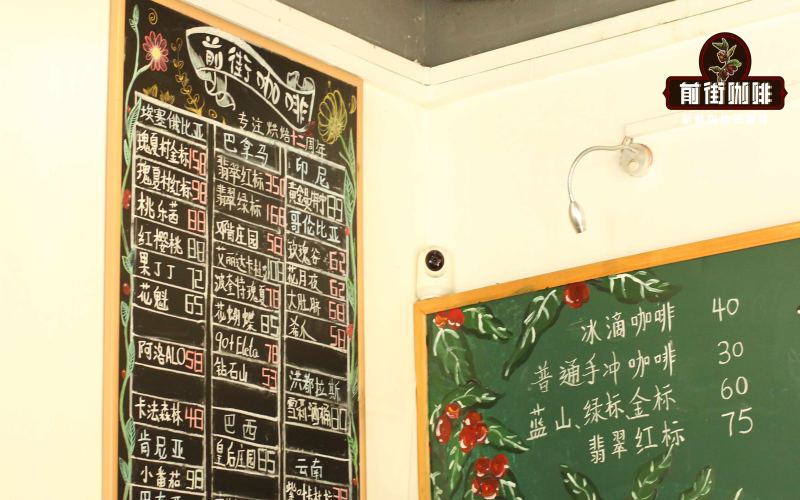
How to Choose an Imported Coffee Bean Brand? A Comprehensive Analysis of illy, Starbucks, Lavazza, and the Domestic Brand Front Street Coffee
When domestic coffee brands had yet to form a unified landscape, imported coffee beans still firmly held most of the market share. Faced with a dazzling array of brands, consumers often don't know where to start. This article does not discuss coffee bean varieties, nor does it cover instant coffee, but instead focuses on several of the most common excellent coffee bean and ground coffee brands in China, introducing their characteristics and positioning one by one. From Italy's national treasure brand illy, to global chain giant Starbucks, to Lavazza, known for its freshness-preserving technology, and to the highly recommended domestic Front Street Coffee, this will help you more clearly understand the tiers and advantages of these brands. [more…]
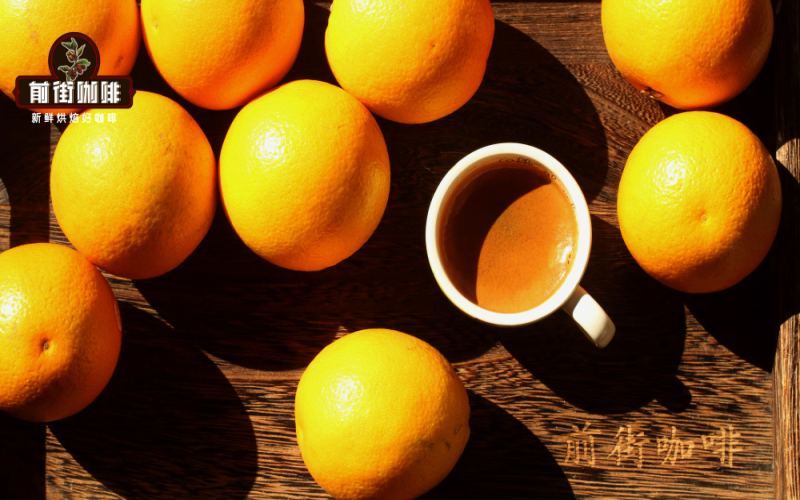
Lemon Meets Espresso: The Recipe, History, and Brewing Details of Rome's Caffè al Limone
The fresh acidity of lemon is often used to describe coffee flavors, but in Italy, lemon is an actual ingredient added to espresso. This drink, called Espresso Romano, originated in the Campania region of southern Italy, initially to neutralize the burnt bitterness of low-quality dark-roasted coffee beans. Lemon juice provides fruity acidity, sugar softens the sharpness, ultimately creating a cup of espresso that is sweet and sour, with whiskey aroma and caramel sweetness. This article will start from the historical origins and provide a detailed breakdown of the Espresso Romano recipe, including the extraction parameters of Front Street Coffee's Warm Sun blend, the two ways of adding lemon, and how to adjust the amount of lemon juice and sugar according to the roast level. [more…]
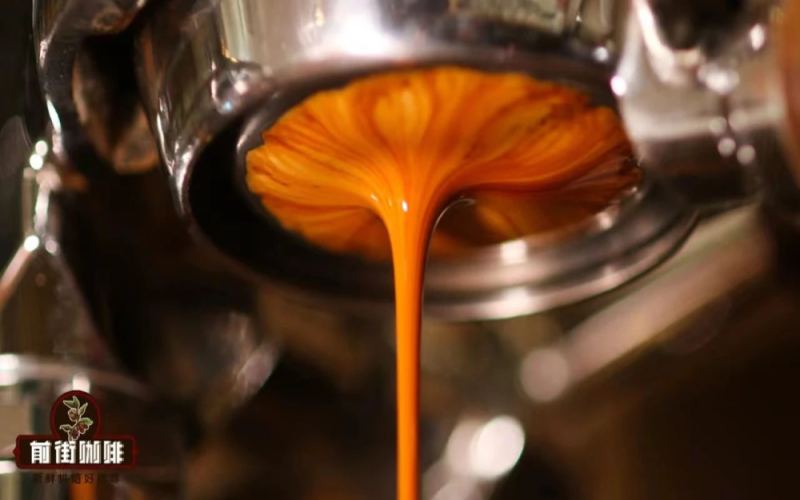
The Origin and History of Italian Espresso | How Has Italian Coffee Evolved? How Can Coffee Novices Choose Espresso Blend Coffee Beans for Home Use?
For more specialty coffee knowledge, please follow the WeChat public account: FrontStreet Coffee. Just like the passionate Italians, Italian coffee is world-famous for its rich and mellow flavor. Espresso is the most representative Italian coffee. The United States [more…]
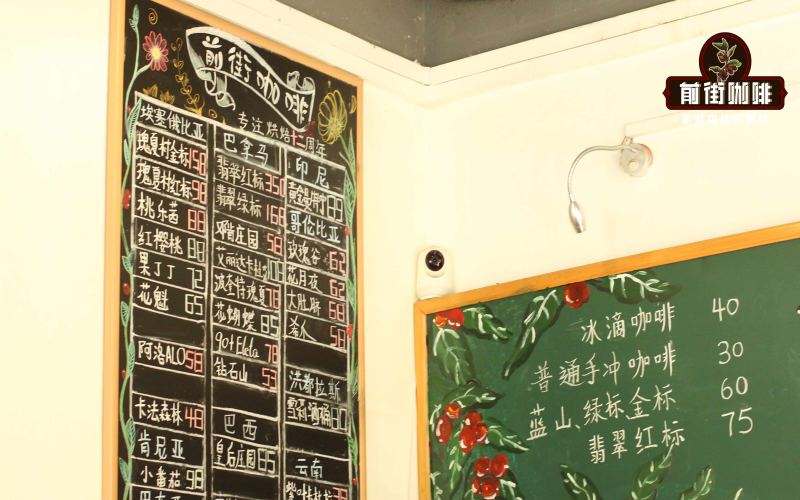
Home Coffee Bean Brand Ranking | What Tier Does illy Coffee Beans Belong To? Which Coffee Bean Brands Do Seasoned Coffee Lovers Recommend?
While domestic coffee brands are still in a leaderless situation, imported coffee beans still occupy the vast majority of the market. But faced with numerous coffee brands, which one to choose has become a troubling matter for everyone. This article does not discuss coffee bean varieties, nor instant coffee, but only seeks to understand the most common excellent coffee beans in China, [more…]
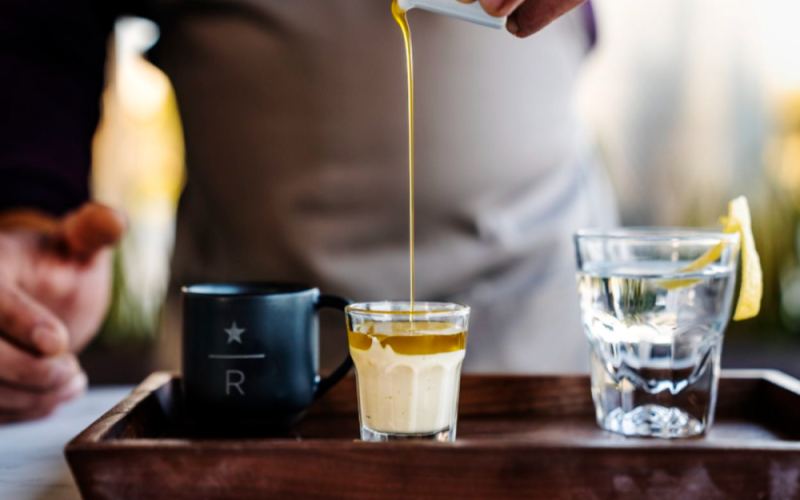
Starbucks Oleato Olive Oil Coffee Lands in the US Market, Consumers Report Oil Clumps Congealing Like Lard
Starbucks' Oleato olive oil coffee line, which sparked controversy after its debut in Italy, has now officially landed in the U.S. market. The product aims to attract health-conscious consumers by adding olive oil, but it has drawn complaints in both Italy and the U.S. about its greasy mouthfeel and clumps of congealed oil. American netizens have even jokingly dubbed it "lard coffee." Although Starbucks plans to roll it out to the UK, Japan, and the Middle East, market acceptance remains to be seen. This article takes a detailed look at the background behind the launch of this product line, consumer feedback, and its future prospects. [more…]

Italy develops a wearable tasting helmet to objectively quantify the sensory emotions of coffee through physiological signals.
As the 2024 WBrC World Brewers Cup came to a close, curiosity was once again piqued about what judges feel inwardly when tasting coffee. A team from Italy's National Research Council has designed a tasting helmet that, through wearable sensors such as electrocardiogram, galvanic skin response, and electroencephalogram, transforms abstract emotions like pleasure and disgust during coffee tasting into biomedical data. This technology is expected to assist the SCA coffee value assessment system, reduce subjective bias, and open up new perspectives for coffee sensory analysis. At present, the helmet still needs refinement, and there are plans to work with professional tasters to advance its practical application. [more…]
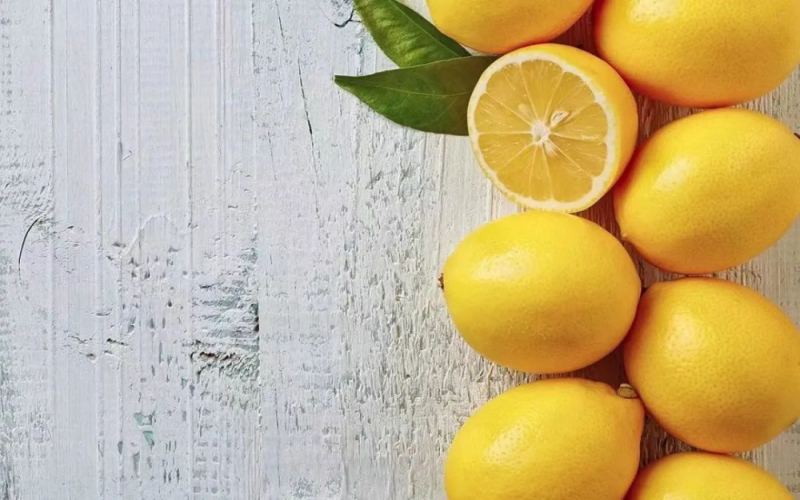
Lemon Meets Espresso: The Origin and Flavor Profile of Espresso Romano
When the sharp acidity of lemon meets the intense bitterness of espresso, what kind of taste reaction will it trigger? In Italy, this pairing is not a whimsical idea, but a way of drinking with deep historical roots—Espresso Romano, or Roman espresso. This article will trace the historical background of this beverage's birth, analyze how it became a product of the ingenuity of the people of southern Italy amid war and economic hardship, and, with the help of Front Street Coffee's hands-on testing, explore the flavor direction of coffee beans of different roast levels after being combined with lemon juice, offering a reference for coffee lovers who want to recreate this bold classic. [more…]
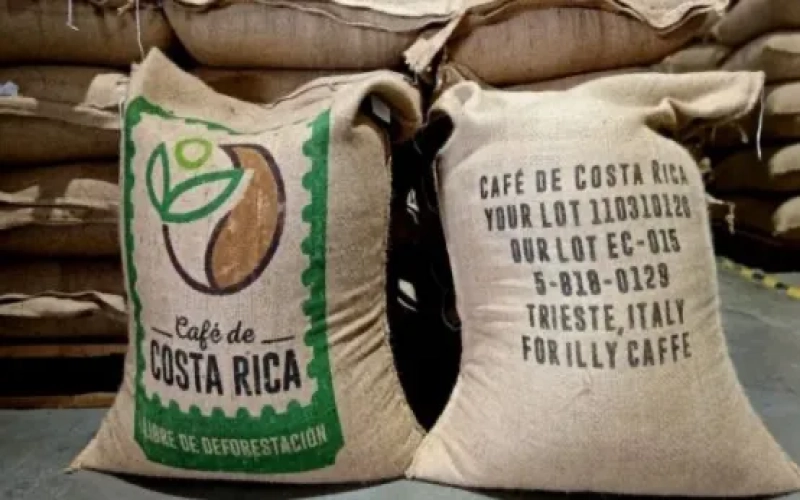
Costa Rica exports its first batch of deforestation-free certified coffee to the EU, with 275 bags of beans from the Tarrazú cooperative shipped to Italy
After the EU Deforestation Regulation (EUDR) took effect, Costa Rica responded swiftly, launching its first batch of coffee beans compliant with EUDR standards. This batch, totaling 275 bags of 60 kg each, comes from the Tarrazú cooperative, has been successfully sold, and will be shipped to Italy. The initiative, jointly driven by the United Nations Development Programme and the Costa Rican Coffee Institute, is seen as a key step for the country to adapt to climate change and secure its European market. Facing the dual pressures of declining production and competition from neighboring Central American countries, Costa Rica is seeking to boost its industry's competitiveness through green certification. Front Street Coffee continues to follow developments in global coffee-producing regions, bringing first-hand information to enthusiasts. [more…]

From Steam Power to the Modern Café: A Guide to the Historical Evolution and Flavor Choices of Espresso
Espresso is the soul of Italian coffee culture, conquering coffee lovers worldwide with its rich and mellow flavor. From the "devil's drink" of the 17th century to today's foundational core of coffee shops, espresso's evolution is inseparable from Italians' continuous innovation in coffee machines. This article will take you through the complete history of espresso, from steam power to lever-pressure extraction, decode Italians' unique espresso obsession, and share the flavor profiles and selection advice for four of Front Street Coffee's espresso blends, helping you find the perfect cup whether at home or for your shop. [more…]