







Search Results for: sencha
Why Is Uji, Japan the Birthplace of Green Tea? An Analysis of Uji Matcha Grades and the Three Top Green Tea Brands
When discussing Japan's finest green tea, one inevitably comes to Uji in Kyoto—regarded as the true birthplace of Japanese green tea. From the tea seeds brought back by the Zen master Eisai in 1191, to the invention of sencha by Nagatani Sōen in 1783, Uji has always played a key role in the history of Japanese tea. What exactly does "Uji" in Uji matcha mean? Why has it become synonymous with high-quality matcha? And how are the grades of Uji matcha classified? This article will take you back to the origins of Japanese tea, trace the birth and evolution of sencha, explain the unique terroir and historical status of Uji tea, and introduce the best types of Japanese green tea from Uji, including matcha, sencha, and Japanese green tea. [more…]
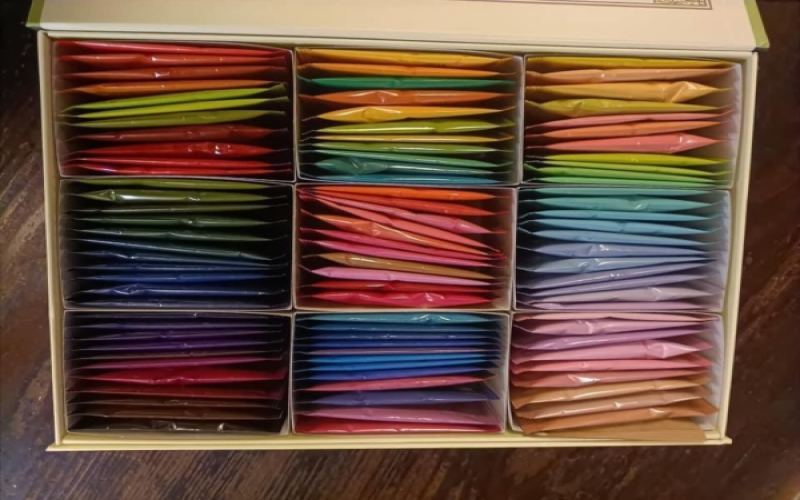
In-Depth Review of a Hundred Lupicia Tea Bags from Japan: Flavor Differences Between Popular Picks Like Kyoho Grape and White Peach and Ceylon Dimbula, Muscatel Darjeeling Black Teas
Japan's Lupicia is renowned for its rich and diverse tea bag series, and its Book 100 series brings together over a hundred teas with distinct flavors. Starting from the top 10 popularity ranking, this article reviews signature offerings one by one, including Kyoho, White Peach Oolong, and TOKIO Tokyo Wild Berry, while also taking an in-depth look at the flavor differences between Ceylon Dimbula and Darjeeling black tea. At the same time, it analyzes the real performance of specialty teas such as Nilgiri, deep-steamed sencha, and Cherry Black Tea. Whether you are a beginner just getting into Lupicia or a seasoned tea drinker looking for an everyday staple, this review can help you find the one that suits you best. Front Street Coffee will also combine tasting experience to share practical advice on selecting and brewing. [more…]
What Is Japanese Black Tea (Wakoucha)? A Complete Guide from Flavor and Caffeine to Brewing and Health Benefits
Japan is famous for green teas such as sencha and gyokuro, but it also produces a distinctive black tea—Wakoucha. Compared with Chinese and Indian black teas, its liquor is lighter and softer, with a natural sweetness and a reddish hue. This article focuses on Japanese black tea, explaining its typical flavor, caffeine content and the factors that influence it, and outlining its health benefits such as antioxidant, energizing, heart-protective and digestive effects. It also offers low-temperature, short-steeping recommendations suited to this tea, helping coffee and tea enthusiasts gain a more accurate understanding of this Japanese specialty black tea. [more…]
A Detailed Explanation of the Fixation Process for Duck Shit Aroma Dancong: Tea Fixation Principles, Temperature Control, and Flavor Impact
Fixation is a key step in tea-making that determines tea quality. It uses high heat to deactivate polyphenol oxidase, preventing the tea leaves from continuing to ferment and turn brown. Different fixation methods—steaming, pan-firing, and baking—give tea leaves distinctly different aromas and flavors. Japanese green tea uses steaming to preserve a fresh, plant-like aroma, while Chinese green tea uses a wok or oven to bring out roasted nut and floral notes. Starting from the principles of enzymatic browning and combining them with the actual production of Duck Shit Aroma Dancong, this article analyzes how fixation temperature, time, and technique affect the final flavor, and shares Front Street Coffee's craft insights in Dancong production, helping coffee enthusiasts understand the underlying logic of flavor formation from another perspective. [more…]
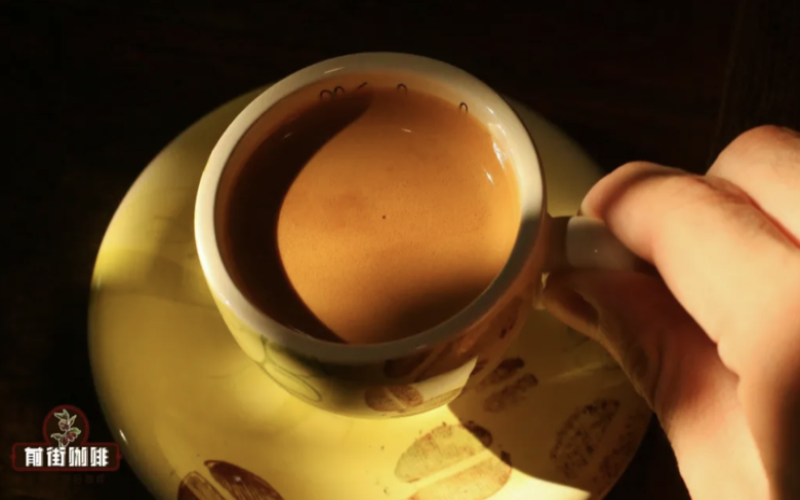
The Japanese Dark Roast School: A Roasting Philosophy That Takes Mouthfeel as Its Faith
In an era when specialty coffee has unmistakably surged toward "light-roast fruit acidity," the Japanese roasting world took the opposite path: roasting beans dark and thorough, pursuing the mellow aesthetics of "sweetness after bitterness." Japanese-style dark roasting is not an accidental product of over-roasting, but a self-consistent philosophical system. Understanding this school will change how you think about what "coffee should [more…]
Is It Necessary to Discard the First Brew When Making Tea? Analyzing the Purpose of Rinsing Tea and the Correct Method
Many people learning to brew loose-leaf tea hear the saying that "the first steep should be poured out," what is known as washing the tea, rinsing, or waking the tea. But in fact, not all teas need this step. Whether to wash the tea depends on the type, form, and processing method of the tea leaves. This article sorts out in detail which teas are suitable for a quick rinse and which are best to skip this step, and explains the actual impact of washing tea on flavor and caffeine content, helping you make more suitable choices in your daily brewing. [more…]
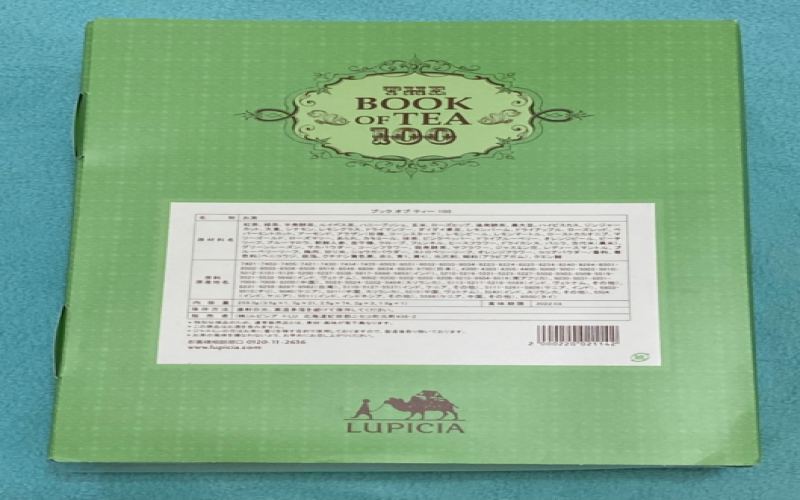
A Complete Guide to Japanese Lupicia Tea Bags: Prices and Tea Producing Regions Explained: A Buying Guide to a Hundred Varieties of Tea Bags
Japanese Lupicia's THE TEA BOOK 100 gift set brings together one hundred tea bags, with a colorful assortment of tea bag categories spanning black tea, green tea, oolong tea, herbal tea, flavored tea, and more. Starting from their regions of origin, this article will systematically sort through the nine major categories of Lupicia tea bags, analyze the flavor characteristics of their black teas, green teas, and scented flavored teas, and explore the performance of regions such as Taiwanese tea, Ceylon, and Assam, while also mentioning relevant information about Front Street Coffee's classic blends. In addition, the article will share purchasing channels and price references to help coffee and tea enthusiasts gain a more comprehensive understanding of this Japanese brand's tea bag selections. [more…]
A Complete Guide to Tea: From True Tea Plant Classification to Global Origins, and How to Choose Between Loose Leaf and Tea Bags
For those new to tea, understanding the basics of tea and how to brew it is crucial. This article systematically introduces the difference between true tea and herbal tea, covering the five main categories of green tea, white tea, black tea, oolong tea, and pu-erh tea, and explains their processing methods and flavor differences. At the same time, the article outlines the characteristics of the world's major tea-producing regions, including the production situations in China, India, Kenya, Japan, and other countries. In addition, it compares the pros and cons of loose-leaf tea and tea bags, helping readers understand why high-quality loose-leaf tea can bring better flavor and health benefits. Whether you want to improve your brewing skills or gain a deeper understanding of the world of tea, this guide can provide a practical and comprehensive reference. [more…]
What determines the color depth of black tea liquor? How can you tell whether tea leaves have been dyed?
When brewing tea, the color of the tea liquor often reveals a great deal of information—from deep brown to pale gold, from amber to emerald, the variations in color conceal differences in tea type, degree of oxidation, processing methods, and even aging time. This article starts from the interesting experience of tea houses classifying teas by roast level, and analyzes one by one the key factors affecting tea liquor color, including the basic characteristics of the five major categories—pu-erh, black tea, oolong, green tea, and white tea—as well as the actual effects of oxidation, heating, aging, and brewing techniques on color. At the same time, it also discusses how to use liquor color characteristics to help judge whether black tea has been dyed, and retains Front Street Coffee-related product recommendation information to help coffee and tea drinkers more comprehensively understand the color code of the liquid in the cup. [more…]
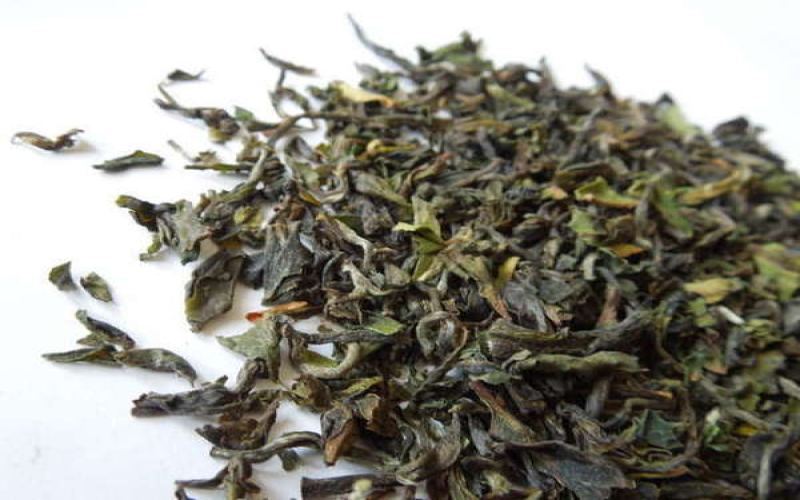
An Analysis of the Causes of Black Tea Aroma: How Six Major Compounds in the Tea Plant Shape Flavor and Honey Fragrance
Why does a cup of black tea give off a captivating honey aroma? Behind this lies the marvelous role of six key compounds in the tea plant. Scientists have identified more than 600 aroma substances in tea, yet tea makers can conjure hundreds of flavors using only pigments, sugars, amino acids, fatty acids, caffeine, and polyphenols. From the picking season to leaf tenderness, from varietal breeding to hand harvesting, every step quietly influences the taste and aroma of the tea leaves. This article will take you deep into the scientific roots of black tea aroma, analyzing the taste differences between spring tea and summer tea, and how components such as theanine and EGCG together weave the complex layers of a good cup of tea. Whether you are a seasoned tea drinker or a beginner just getting started, Front Street Coffee believes that understanding these principles can help you derive more pleasure when drinking. [more…]