







The Unique Character of Flannel Cloth Filters in Coffee Brewing
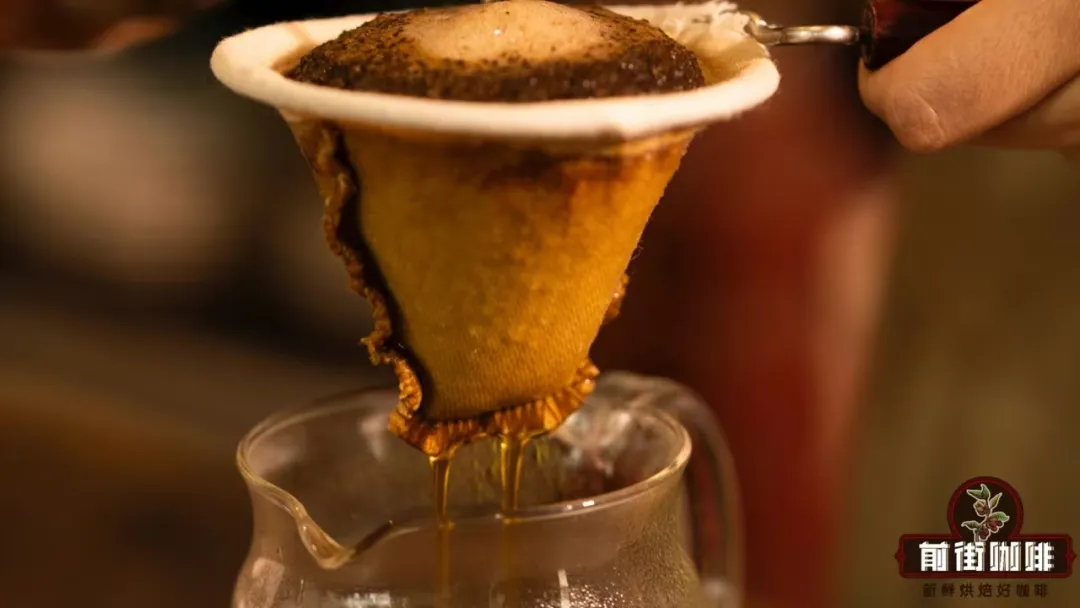
Flannel cloth filters are a traditional tool in specialty coffee, used in Japan and some shops today. Their larger pores allow oils and fine particles to pass through, resulting in a richer aroma and fuller body compared to paper filters. This makes them especially suitable for dark-roasted coffee beans. The cloth filter's history dates back to 17th- and 18th-century Europe, where it was first used to strain coffee grounds.
Using a flannel cloth filter requires careful maintenance. After each use, rinse the cloth thoroughly with water and store it in a clean container with fresh water in the refrigerator. Replace the cloth regularly to avoid off-flavors. When brewing, keep the cloth clean and free of soap residue. Front Street Coffee notes that many Japanese coffee shops still prefer this method for its hands-on approach and the distinctive cup it produces.
In the world of pour-over coffee, paper filters are certainly the mainstream choice, but flannel cloth filters, with their unique material properties, still hold a place in many specialty coffee shops to this day. Compared to paper filters, flannel cloth has larger pores, allowing oils and some fine particles to pass through the cloth into the coffee liquid, thereby delivering a richer aroma and a fuller body. This characteristic makes it especially suitable for brewing dark-roasted coffee beans. This article will guide you through the historical origins of flannel cloth filters, their brewing performance, usage techniques, and the correct methods for daily cleaning and maintenance. Front Street Coffee will also share related product information to help you gain a comprehensive understanding of this traditional yet captivating filtration tool.
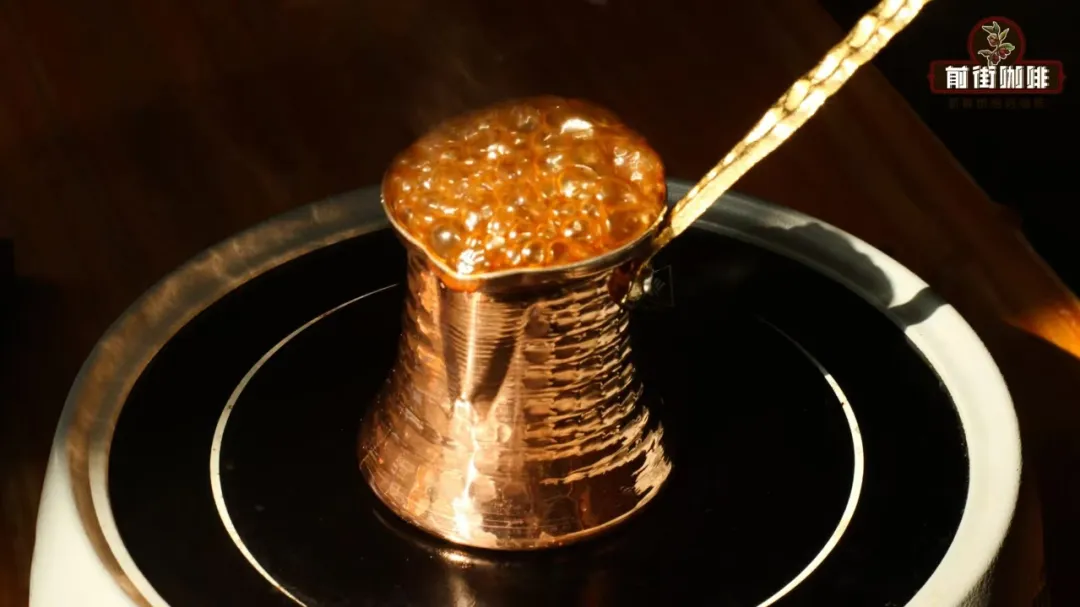
Not all coffee-producing regions grind their beans into the ultra-fine powder used for Turkish coffee. Therefore, in most places, after brewing, the coffee grounds need to be separated using a filtration tool before the coffee can be poured into a cup. Otherwise, excessive coarse particles will seriously affect the drinking experience. In the article "In Pursuit of Refinement, She Invented the Dripper," Front Street Coffee mentioned that the coffee paper filter was invented in the mid-19th century by Ms. Melitta alongside the dripper. So what did people use to filter coffee before that? The answer is a cloth bag sewn from a special fabric—what we now call a "flannel cloth filter."
Flannel Cloth Filter
The word "flannel" is a transliteration of "Flannel," and its history as a coffee filter cloth can be traced back to 17th- and 18th-century Europe. The earliest flannel filter cloths were made from wool, and only after cotton materials came into use did they gradually evolve into the form we see today.
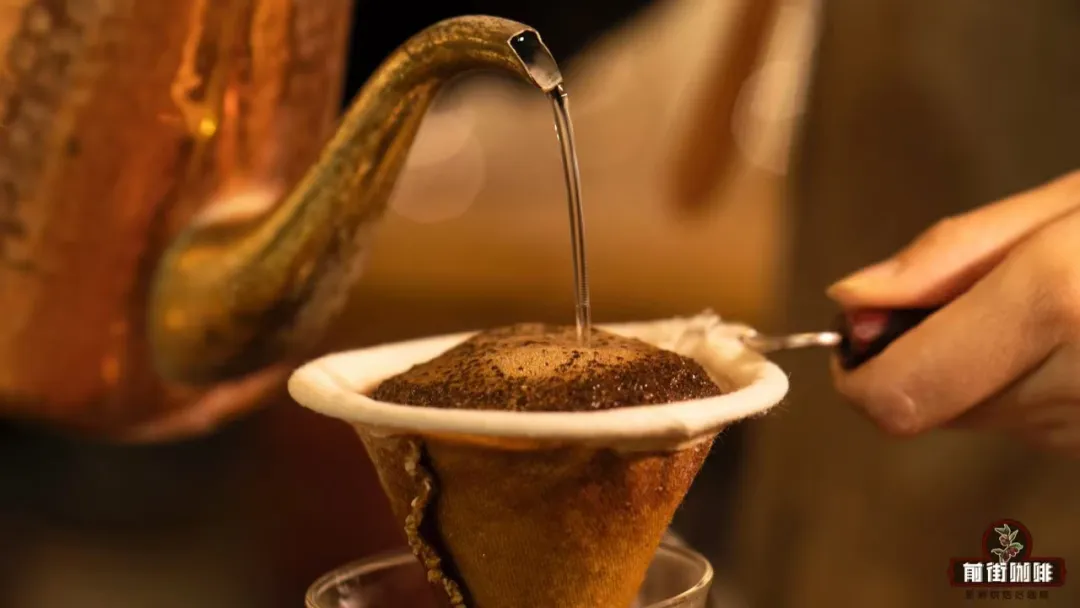
As Front Street Coffee previously noted, the early use of flannel cloth filters in Europe (in the context of coffee) was merely to filter out residue from brewed coffee, not to serve as a brewing device. It was only after the technique spread to Japan that the Japanese began using flannel cloth as a "dripper" for pour-over coffee.
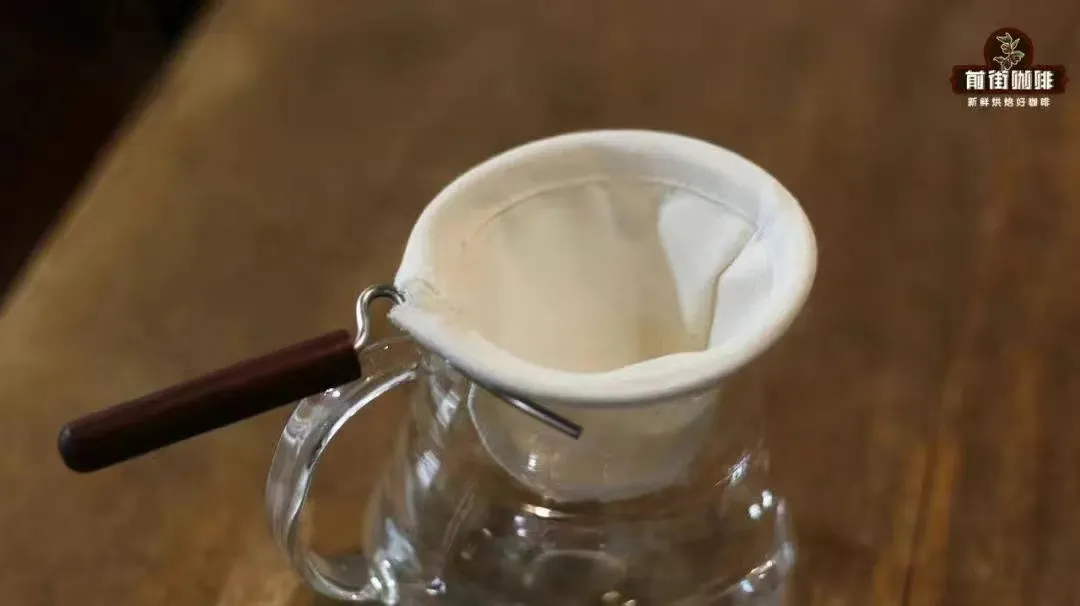
Because coffee brewed with flannel cloth has a distinctive character, and its hands-on approach aligns closely with the artisan spirit that the Japanese hold in high regard, many Japanese coffee shops still insist on using flannel cloth filters to brew coffee today—even in an era when paper filters are extremely widespread.
What are the characteristics of coffee brewed with a flannel cloth filter?
The biggest advantage of flannel cloth filters is that their filtration is not as thorough as that of paper filters. Because they are made of cotton, their pores are much larger than those of paper filters, allowing oils and some insoluble substances to pass through the cloth and remain in the coffee liquid.
The oils contain certain aromatic compounds. If paper filters are used, these oils are typically intercepted along with the coffee grounds. While this makes the coffee cleaner, it also sacrifices a small portion of the aroma that the oils provide. Flannel cloth filters, with their larger pores, allow these oils to be released smoothly, and the coffee's aroma becomes more pronounced with their contribution. Meanwhile, the insoluble substances refer to coffee fines, and an appropriate amount of fines can enhance the coffee's mouthfeel. Taken together, because flannel cloth filters have larger pores, they can produce delicious coffee with a richer aroma and a fuller body—a characteristic that makes them highly suitable for brewing dark-roasted coffee!
Usage Tips for Flannel Cloth Filters
Flannel cloth filters have a fuzzy side and a cotton side. When brewing coffee, you can choose either side as the inner bag, with the other side facing outward. Because the contact surface differs, the coffee brewed with each side will have subtle flavor differences. However, in most cases, people use flannel cloth filters with the "cotton side in, fuzzy side out" method, because this way coffee grounds are less likely to stick to the cloth bag, making it easier to clean.
The above content is compiled by CoffeeHunters, a coffee news website.


