







How did hanging coffee bags become a daily habit?
Drip bag coffee, sometimes called hanging coffee, was born in Japan in 1990 when Yamanaka Sangyo applied tea bag thinking to coffee and filed a patent. Those early bags could not hold the weight of brewing water and tipped easily, so they never sold well. In 1998 Daiki Shoji extended the ear portions outward, creating the shape used today.
The format answers a real gap: instant coffee is quick but often carries sugar and non-dairy creamer, while hand brewing takes time. Production at Front Street covers grinder cleaning, grind size control and nitrogen packaging, and the brewing itself is simple: pour hot water in stages over the bag rather than letting it sit in a cup of boil coffee.
In the fast-paced life of the city, it is not easy to enjoy a healthy cup of hand-brewed single-origin coffee at any time. Although instant coffee is convenient, it often burdens the body with sugar and non-dairy creamer. The advent of drip bag coffee has precisely balanced convenience and quality. This article will trace the origin story of drip bag coffee from the Japanese tea bag concept to commercial improvements, and take a deep dive into the key steps at Front Street Coffee in drip bag production, including grinder cleaning, grind size control, and nitrogen packaging. Finally, it will provide practical drip bag pour-over brewing steps and parameters to help every coffee lover enjoy a cup of pure, authentic single-origin coffee anytime, anywhere.
Today's urban crowds have a fast pace and many tasks, and the demand for coffee consumption keeps rising accordingly. Instant coffee is already commonplace for many people, but if consumed over the long term, the sugar and non-dairy creamer it contains put considerable pressure on the body and are not conducive to health.
To resolve this contradiction, Front Street hopes that everyone who needs coffee can quickly and conveniently drink healthy single-origin coffee, so it launched a series of drip bag coffees. Some people think drip bag coffee is not professional enough, but Front Street sees no need to look down on it that way—after all, for a food to reach the masses, faster and more convenient forms are bound to emerge.
The Birth of Drip Bag Coffee
When it comes to Japanese coffee, most people think of hand brewing. Indeed, hand-brewed coffee is quite popular in Japan, but young Japanese office workers living at a rapid pace simply have no time to wait for a cup of hand-brewed coffee. Drip bag coffee thus came into being.
In 1990, Yamanaka Sangyo Co., Ltd. of Japan transplanted the idea of the tea bag onto coffee, invented drip bag coffee, and applied for a patent. However, the drip bags designed by Yamanaka Sangyo could not bear the weight of brewing coffee and were also prone to losing balance during brewing, so they were not successfully commercialized. It was not until 1998 that Daiki Shoji improved the original invention by extending the hanging ear portions outward, forming the drip bag coffee we see today.
When making drip bag coffee, Front Street places great importance on the entire production process, with the goal of allowing every coffee lover to drink the best-quality single-origin drip bag coffee whenever and wherever they are.
1. Cleaning the grinding equipment for drip bag coffee. Before making each type of drip bag coffee, Front Street thoroughly cleans the grinder to prevent flavor transfer between beans and protect the flavor.
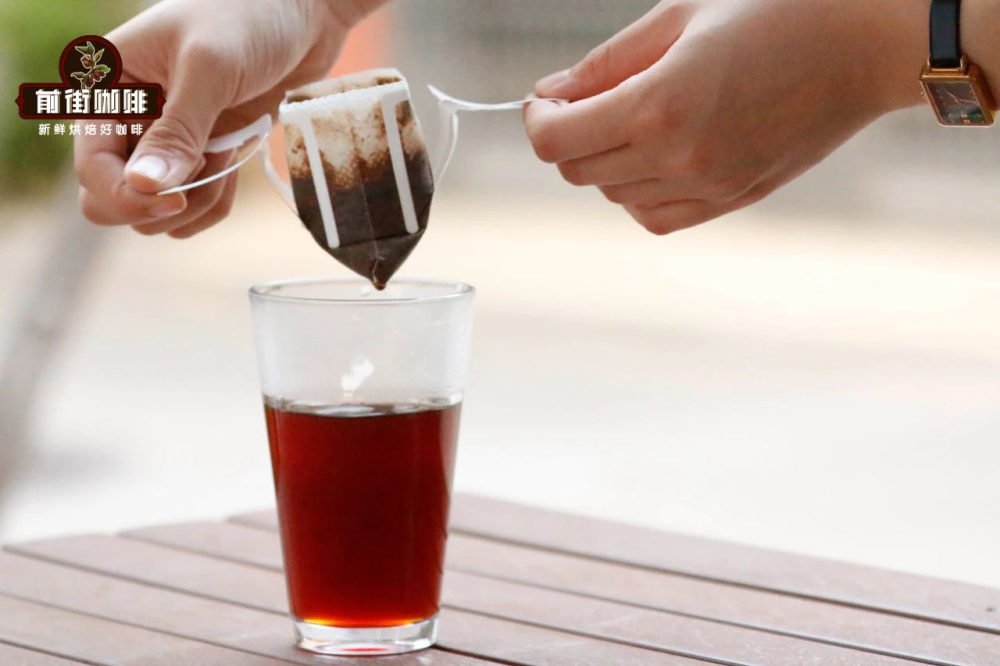
2. Grind size for drip bag coffee The primary determinant of brewing quality in a drip bag is flow rate—neither too slow nor too fast will do—and this depends on the grinder's grinding performance. If the grinder is not of a high enough grade and the grind quality is poor, a large amount of fines will inevitably be produced during grinding, with uneven particle size. During brewing, this causes a "traffic jam," slowing the flow rate and prolonging the steeping time, leading to over-extraction. The result is a muddy mouthfeel and poor flavor, and even the best beans cannot show the flavor they should. 3. Automated packaging of drip bag coffee Front Street Coffee uses automated mechanical packaging for two purposes: first, to improve the sealing effect of the outer packaging; second, to inject nitrogen during packaging while expelling oxygen as much as possible, making oxidation less likely and thereby greatly extending the flavor preservation period of the coffee.
Front Street currently offers four drip bag products: Front Street Natural Sidamo, Front Street Brazil Red Berry, and a random 5-major-origin drip bag set. Of course, if customers need it, we can also customize drip bags from a designated origin. Front Street Natural Sidamo comes from the Sidamo producing region in southern Ethiopia. Sidamo coffee beans used to also include Yirgacheffe and Guji coffee, but the ECX trading system has since separated Yirgacheffe and Guji from Sidamo. Sidamo coffee is rich in fruit acidity and has a strong aroma. Front Street Coffee believes its aroma is in no way inferior to Yirgacheffe, and may even surpass it. It is very suitable for people who love intense flavors but do not want an overly heavy taste, achieving a perfect balance and harmony between aroma and mouthfeel.
This Front Street Brazil Red Bourbon coffee bean comes from Cerrado on the western side of Minas Gerais, Brazil, a flat plateau at an altitude of 750 m to 1,200 m. The Bourbon coffee variety is a secondary variety produced by a mutation of the Typica variety. Usually, when the Bourbon coffee variety is mentioned, it refers by default to Red Bourbon, named for its red ripe fruit. The flavor profile of Front Street Brazil Red Bourbon is nuts, chocolate, cream, peanut, and caramel.
How to Brew Front Street Drip Bag Coffee Brewing Parameters (using Front Street Coffee 10 g drip bag as an example) Coffee-to-water ratio: 1:15 Water temperature: 90-91°C
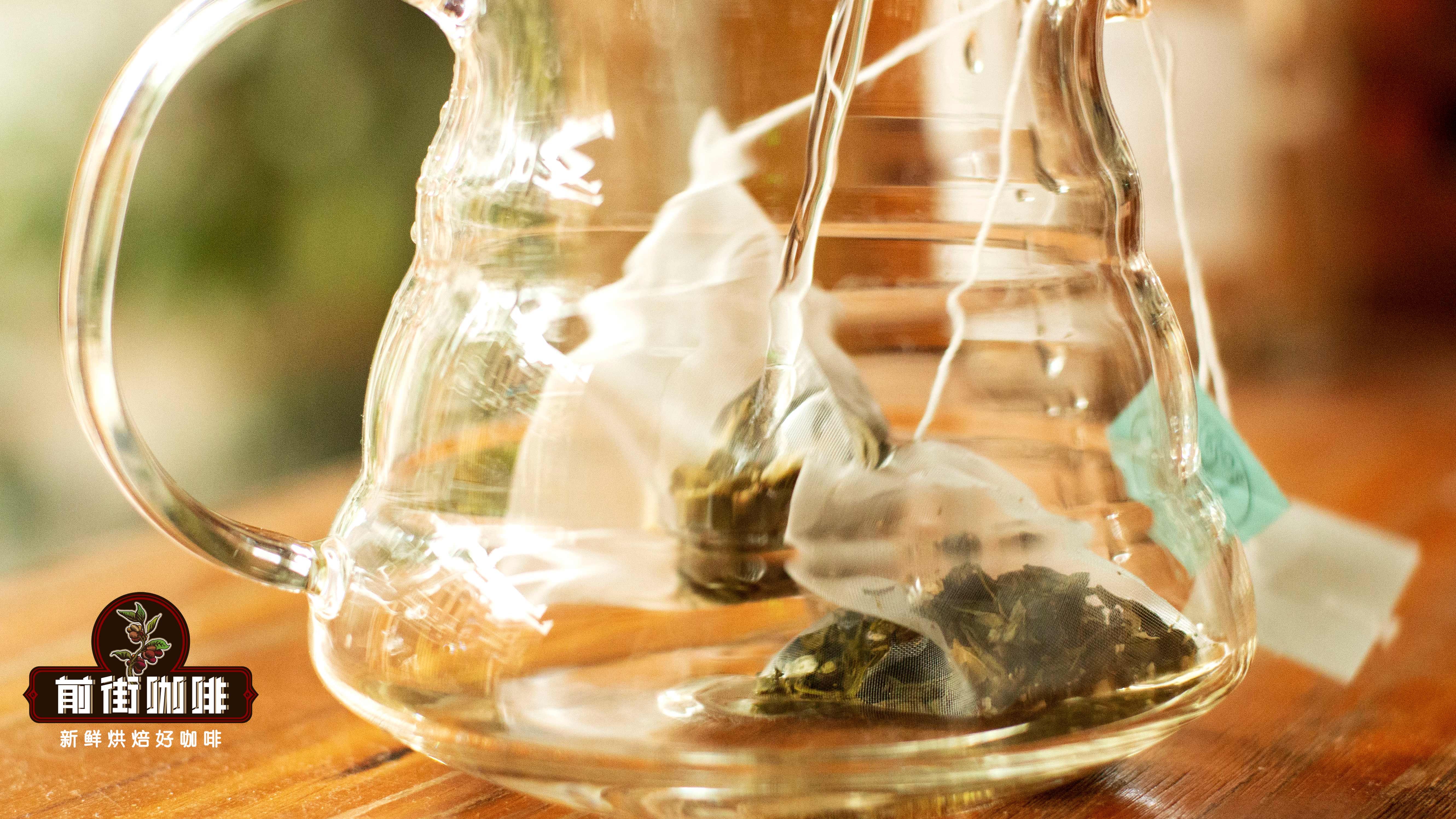
① Along the tear-open indicator, carefully and neatly open the packet; ② After shaking the drip bag flat, tear open the powder packet seal, spread the hanging ears evenly, and hang them on the rim of the coffee cup;
③ Prepare a kettle of boiling water (the recommended water temperature for brewing coffee is between 90-91°C), preferably purified water. After the water boils, let it sit for about 1 minute before pouring. When pouring the hot water, inject it evenly into the filter bag (be careful not to pour too quickly or with too strong a stream, to avoid overflow). After the liquid level in the filter bag drops, pour again. When the amount of coffee liquid in the cup reaches about 70% full, or according to personal taste, carefully remove and discard the drip bag (be careful of burns), and it is ready to enjoy. A good-value drip bag can only be brewed once, so don't feel it's a waste~
The above content is compiled by CoffeeHunters, a coffee news website.


