







Search Results for: Japanese Dark Roast
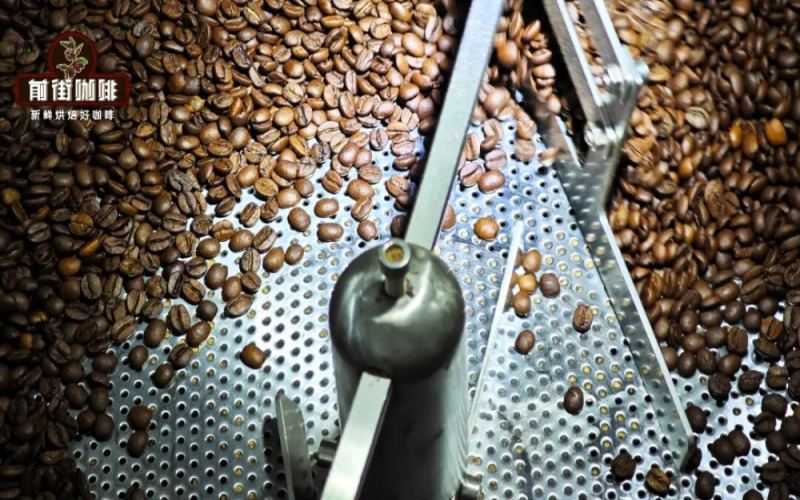
The Historical Origins of Japanese Ultra-Dark Roast Coffee: Why Japanese People Are Drawn to This Rich Flavor
At a time when specialty coffee is widely chasing the light-roast fruit acidity, Japanese-style dark roasting stands out with its unique low-heat, slow-roasting approach. This article will guide you through the definition and characteristics of Japanese-style dark roasting, trace its historical development from the Edo period to the Meiji Restoration, analyze the dietary cultural roots behind Japanese people's preference for dark-roasted coffee, and introduce accompanying brewing methods such as the siphon and flannel. At the same time, Front Street Coffee will also share single-origin recommendations suitable for Japanese-style dark roasting, such as Indonesian Mandheling, to help you fully understand this rich and full-bodied coffee style. [more…]
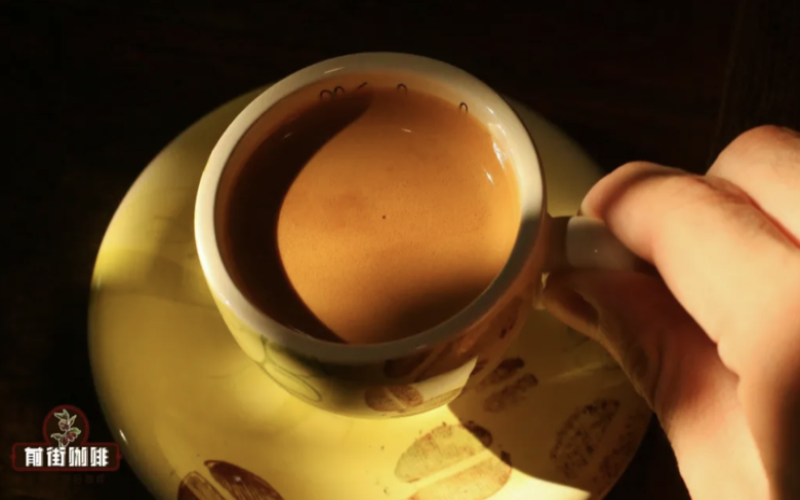
The Japanese Dark Roast School: A Roasting Philosophy That Takes Mouthfeel as Its Faith
In an era when specialty coffee has unmistakably surged toward "light-roast fruit acidity," the Japanese roasting world took the opposite path: roasting beans dark and thorough, pursuing the mellow aesthetics of "sweetness after bitterness." Japanese-style dark roasting is not an accidental product of over-roasting, but a self-consistent philosophical system. Understanding this school will change how you think about what "coffee should [more…]
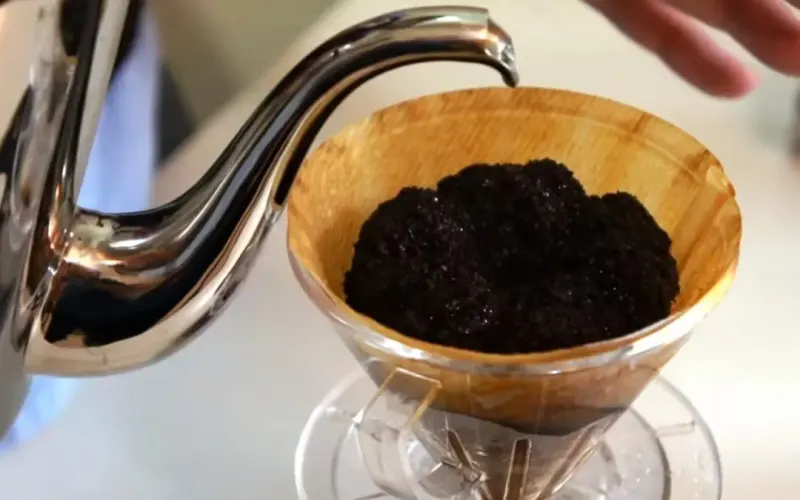
What Is High-Strength, Low-Extraction in Pour-Over Coffee? Japanese Dark Roast Brewing Principles and Practical Parameters Explained
Friends who enjoy Japanese-style dark roast coffee often notice a pattern: a large dose of grounds with a small amount of water produces a cup that is rich but not bitter. This approach has a professional name today—high concentration, low extraction. It is both a summary of past Japanese brewing traditions and an effective way to avoid the bitterness of dark-roasted beans. This article will start from the principles, explaining why Japanese brewing favors a large dose and a low extraction rate, and how doing so simultaneously enhances body and flavor intensity. Then Front Street will use PWN Golden Mandheling as an example to share a set of iced high-concentration, low-extraction practical parameters, including dose, ratio, grind, water temperature, and staged pouring, to help you easily recreate a classic dark roast flavor. [more…]
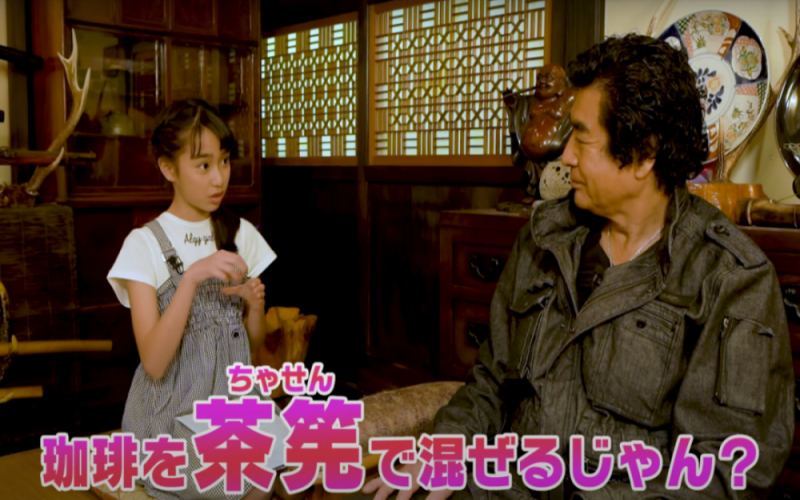
Hiroshi Fujioka-style Chasen Pour-Over Coffee: An Alternative Extraction of Japanese Dark Roast Beans and the Fusion of Matcha Techniques
This time Front Street is going to share a rather unusual brewing method—it breaks out of the framework of conventional pour-over and grafts the matcha whisking technique from Japanese tea ceremony onto coffee extraction. The person who created this "Way of Coffee" is none other than Hiroshi Fujioka, star of the original Kamen Rider. He favors Peruvian beans, Japanese-style dark roast, and coarse grinding, pouring water in a steady drip throughout, then using a chasen to whisk the coffee liquid into a dense foam. Front Street couldn't resist trying it out personally, recreating it once with a medium-dark roasted Blue Mountain bean. What kind of aroma and mouthfeel can this method actually bring? And why must it be drunk against the clock? The following will reveal all. [more…]
What Is Nordic Ultra-Light Roast Coffee? A Comprehensive Analysis of Front Street Medium-Light Roast and Japanese Dark Roast
Have you ever heard of "ultra-light roast coffee"? It originated in Northern Europe and uses high-temperature, fast roasting to pursue the bright acidity and floral and fruity aromas of coffee beans, and is often described as "like drinking tea or juice." Completely different from the rich, mellow aroma of Japanese-style dark roasting, Nordic light roasting emphasizes regional flavors and a light, clean mouthfeel. As a self-roasting brand, why doesn't Front Street Coffee launch ultra-light roast beans? This article will comprehensively analyze the definition, characteristics, and production challenges of ultra-light roast coffee from the perspectives of roasting rhythm, chemical reactions, extraction difficulties, and more, and compare the differences between Front Street's medium-light roast and Japanese-style dark roast, helping coffee lovers find the flavor direction that suits them. [more…]
Is specialty coffee limited to light and medium roasts? The positioning and flavor analysis of dark roasts in the third wave
In the third wave of specialty coffee, light-to-medium roasts have almost become synonymous with the expression of "terroir," to the point that many enthusiasts frown the moment they see dark-roasted beans, even equating them with "Chinese herbal medicine taste" or "low-quality beans." But is dark roasting really incompatible with specialty coffee? What is the reason for its existence? From the SCA system to the bittersweet aesthetics of old Japanese-style kissaten, from differences in extraction methods to niacin and NMP on the health level, this article will dissect the rationality of dark roasting from a professional perspective and explain why a good-tasting dark-roasted coffee is often harder to find than a light roast. Front Street Coffee will also share the key principles of dark-roast brewing, guiding you to rediscover this underrated roasting style. [more…]
Where Does the Name Golden Mandheling Come From? Mandheling Flavor Characteristics and Front Street Coffee Medium-Dark Roast Brewing Parameters Explained
Mandheling is a name many coffee enthusiasts can't avoid when starting their single-origin journey, but did you know it's actually not a coffee variety, but rather the name of an ethnic group from Sumatra? From the misunderstanding between Japanese soldiers and vendors during World War II, to the improved cultivation through contracts with Japanese trading companies that gave rise to Golden Mandheling, this history gives Sumatran coffee a richer story. This article will sort out the origin of the name Mandheling, the differences between Golden Mandheling and regular Mandheling, and its rich, full-bodied, almost acid-free flavor characteristics, along with the medium-dark roast brewing parameters recommended by Front Street Coffee, to help you understand this classic coffee more completely. [more…]
Comparison of the Three Major Japanese Dark Roast Brewing Methods: Principles and Operational Characteristics of Kono Drip, Matsuya-Style, and Volcano Brewing
Deep-roasted coffee beans are known for their rich, mellow bitterness, and the Japanese brewing tradition includes three classic methods designed specifically for such beans: the Kono drip method, the Matsuya-style brewing, and the volcano pour. Though they take different paths, their core goal is the same—to fully unlock the steady, grounded flavors of dark-roasted beans. The Kono method uses drip-style blooming to extend degassing time, the Matsuya style pursues stable extraction through ultra-high pouring and an extra-long bloom, while the volcano pour creates an erupting effect with segmented small-circle pours. All three generally use a higher coffee-to-water ratio, and some require bypass dilution. This article breaks down each method's origins, operating logic, and flavor profile one by one, and explains why these approaches are better suited to dark-roasted beans. [more…]
Complete Guide to Volcano Brewing: Japanese-Style Pour-Over Parameters and Sweetness Enhancement Secrets for Dark Roast Coffee Beans
Volcano pour is a highly visually striking classic technique in Japanese-style hand brewing. The coffee bed rises and falls like a volcanic eruption during pouring, and the deep-roasted coffee brewed this way has an especially abundant sweetness. Starting from the underlying logic, this article analyzes why the volcano pour can form a unique coffee-bed spectacle and why it produces such high sweetness, and provides complete brewing parameters and operating steps. It also explains the suitable bean type: deep-roasted beans with a high expansion rate and sufficient carbon dioxide, such as Front Street Sumatra·Golden Mandheling (deep roast). Finally, it includes a staged pouring scheme with a 1:12 coffee-to-water ratio, 88°C water temperature, and a Kalita trapezoidal dripper, along with dilution suggestions, to help coffee lovers recreate at home a smooth cup combining pine and spice notes, caramel sweetness, and dark chocolate aroma. [more…]

Specialty Coffee | Why Are Light and Medium Roast Coffee Beans So Popular? Is Dark Roast Coffee Good? What's the Difference Between Dark Roast and Medium Roast Coffee?
Mainstream Third Wave Specialty Coffee Nowadays, cafes often emphasize that they serve "specialty coffee." What exactly is "specialty coffee"? Why is it that among the home-roasting businesses blooming like wildflowers, over ninety percent choose the so-called light-to-medium roast to interpret the flavors of green coffee beans? Just pay a little attention to coffee-related articles. [more…]
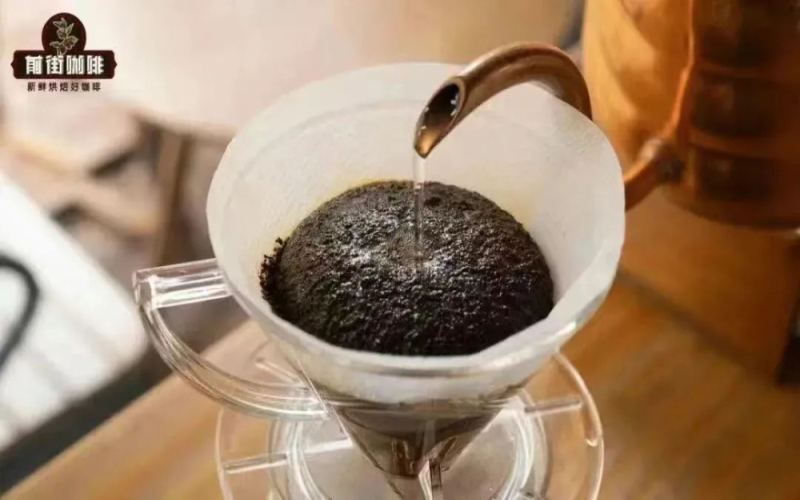
Why Does Japanese Hand-Drip Coffee Favor a Large Dose? Analyzing the Extraction Logic of High Concentration and Low Extraction
Japanese-style pour-over often uses a large dose of 20g or more—what extraction logic lies behind this? Starting from the characteristics of the dark-roasted beans favored by the Japanese, this article explains why they dislike bitterness, why they choose a coarse grind, and how a large dose slows the flow and increases concentration by thickening the coffee bed, ultimately forming a "high concentration, low extraction" style. The article also compares the differences between the Japanese-style coffee-to-liquid ratio and the conventional coffee-to-water ratio, and points out how a long extraction time, combined with a large dose, brings out caramel aroma and a highly sweet, lingering finish. If you are interested in the unique methods of Japanese brewing, or want to understand the concept of high concentration, low extraction discussed by Front Street Coffee, this article will give you clear answers. [more…]
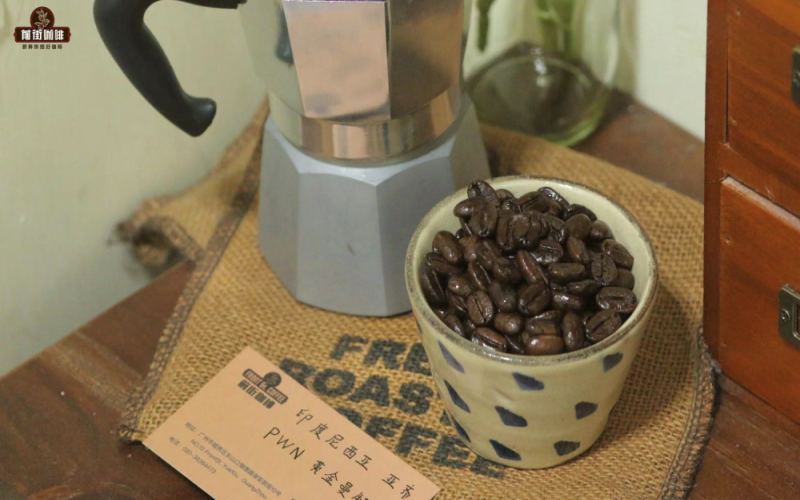
The Unique Charm of Dark Roast Coffee Beans: Using Mandheling as an Example to Analyze Dark Roast Flavor and Price Reference
As coffee waves have evolved to the present day, light-roasted beans have become the market mainstream thanks to their clean, bright acidity, but not all coffee beans are suited to light roasting. Is there nothing left to dark-roasted coffee but bitterness? This article takes Front Street Coffee as an example and uses the most representative Mandheling as an entry point to sort out the flavor characteristics and appeal of dark-roasted coffee. From the historical origins of the name Mandheling, to how the wet-hulled process shapes its low-acid, full-bodied regional character, to the grading standards and brewing suggestions for Golden Mandheling, the full text will present the complete thread of dark-roasted Mandheling from green bean to cup, and will also include the specific brewing parameters and flavor descriptions for two Front Street Mandheling coffees. [more…]
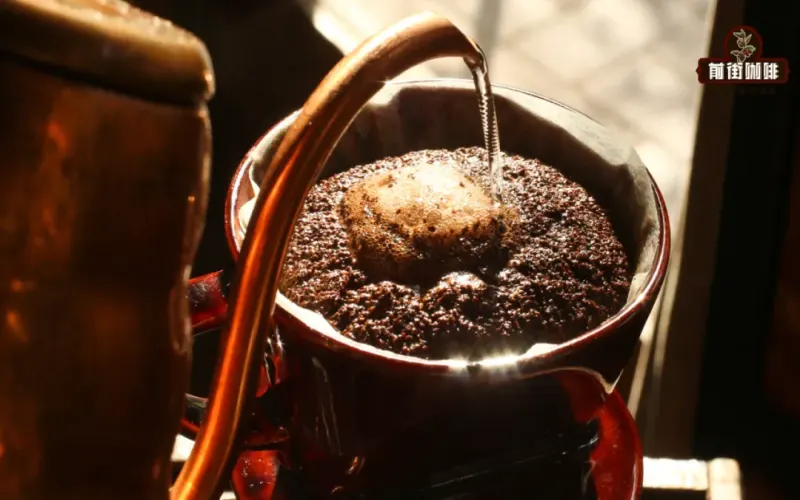
The Classic Japanese Hand-Drip Volcano Method: The Principles Behind High Sweetness in Dark Roast Coffee and Complete Step-by-Step Instructions
The volcanic pour is a highly distinctive brewing method within the Japanese hand-brewing system, named for the way the coffee bed rises and bubbles like a volcanic eruption during extraction. It is designed specifically for dark-roasted coffee, relying on a small stream of water, multiple intermittent pours of small volumes, and a high-concentration, low-extraction approach to ultimately present a cup of coffee with pronounced sweetness and a rich, smooth body. Starting from Front Street's experience shared on multiple occasions, this article provides an in-depth analysis of the underlying logic of the volcanic pour: why it can create a volcanic eruption-like spectacle, why only dark-roasted beans are up to the task, and how high concentration with low extraction avoids bitterness and improves extraction efficiency. The article also provides complete brewing parameters and a practical demonstration using Front Street's Golden Mandheling, guiding you step by step through this brewing experience that is both visual and gustatory.【图片1】【图片2】【图片3】【图片4】【图片5】【图片6】【图片7】【图片8】【图片9】【图片10】【图片11】 [more…]
What's the difference between Japanese pour-over and espresso? A comprehensive comparison from brewing methods to coffee culture
Coffee is one of the most beloved beverages in the world, and Japan and Italy have each developed distinctly different coffee systems. Japanese-style coffee is known for extremely dark roasts and gentle, delicate pouring techniques; the Kono style, Matsuya style, and volcano style each have their own characteristics, all designed around how to extract rich, deep-roasted flavors. Italian-style coffee, on the other hand, began at the port of Venice in the 16th century, and through improvements such as the steam machine and the lever machine, eventually pushed espresso to the world and made it the core of the modern coffee system. Today, Front Street Coffee takes you through brewing methods, historical origins, and drinking habits to comprehensively sort out the characteristics and differences of these two major schools. [more…]
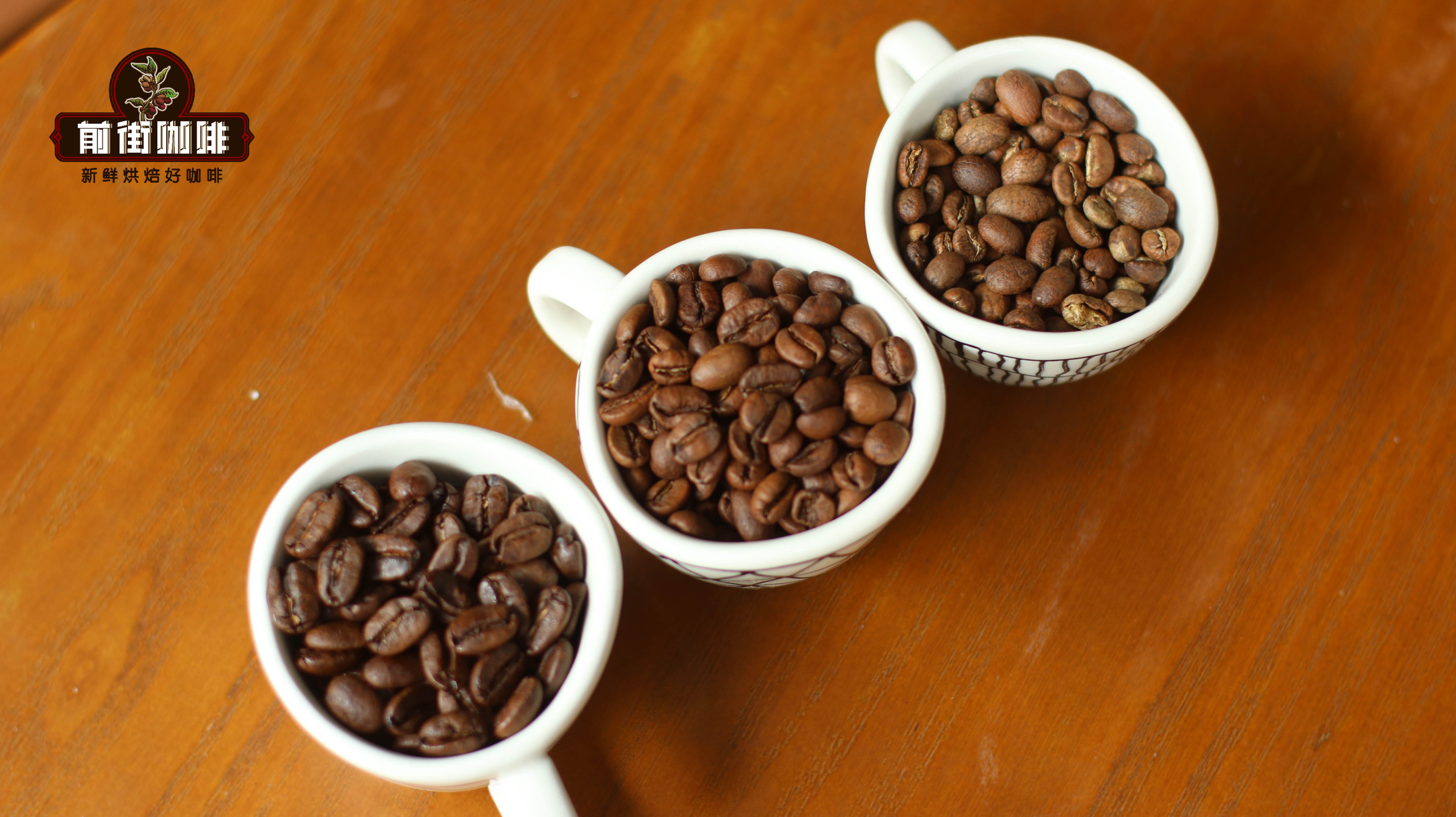
Coffee Bean Roast Levels Illustrated | What Do Japanese Extremely Dark Roast and Nordic Extremely Light Roast Mean? Which Tastes Better, Medium or Dark Roasted Coffee Beans?
Roasting is the process of turning green coffee beans into brown roasted beans~ The longer the roasting time and the longer the beans are exposed to heat, the darker the color of the coffee beans becomes. The surface color (bean surface) of the coffee beans when taken out of the roaster after different durations will also vary. This situation Front Street [more…]
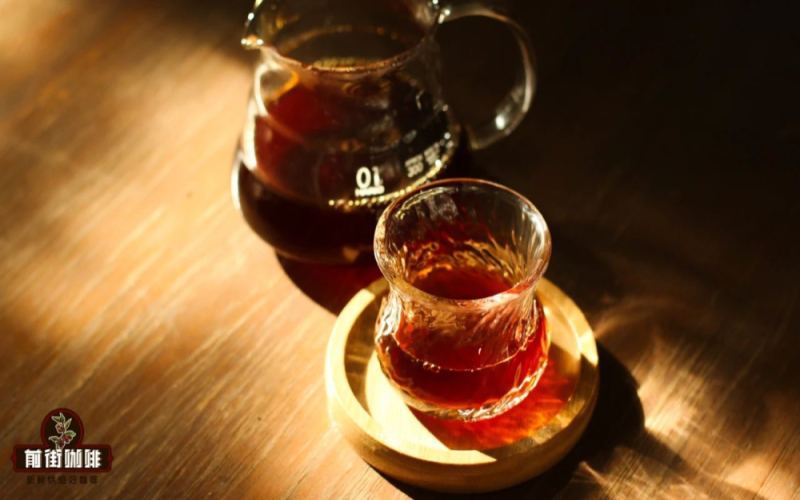
A Detailed Explanation of the Differences Among the Three Major Coffee Culture Circles: Japanese, Nanyang, and North American: Roasting, Brewing, and Wave Evolution
Coffee has evolved into strikingly different forms across the world's regions. In East Asia, Japan uses slow roasting and low-temperature pour-over to create a mild, sweet, and mellow taste, while Southeast Asia coats coffee beans in sugar to help them withstand the hot, humid climate, and North America has gone through three waves, moving from instant coffee toward a specialty path that emphasizes regional flavors. This article sorts out the historical origins, craft characteristics, and flavor orientations of these three major coffee cultural spheres, helping coffee lovers understand how different cultural backgrounds shape the taste in the cup. Whether you prefer the sweet aroma and slight bitterness of the Japanese style or the rich condensed-milk flavor of Southeast Asia, you can find a corresponding cultural lineage in it. [more…]

Can iced pour-over coffee be brewed directly with ice water? A detailed explanation of the extraction principles and parameters of Japanese-style iced pour-over and hot pour-over
Many people, when first encountering iced pour-over, have this thought: since hot americano uses hot water and iced americano uses ice water, then if hot pour-over uses hot water, shouldn't iced pour-over just use ice water directly? This idea sounds reasonable, but pour-over extraction is far from that simple. This article will first clarify the underlying logic of extraction, then explain why brewing with ice water is theoretically feasible but almost no one actually does it in practice, followed by an analysis of the relationship between Japanese-style iced pour-over and hot pour-over, complete parameters from Front Street Coffee for both hot and iced brewing, and finally a real result from an ice water brewing experiment, for coffee enthusiasts' reference. [more…]
Analysis of the Differences Between Japanese Charcoal-Roasted Coffee and Regular Coffee: The Bitter Secret of Deep Roasting and Pour-Over Techniques
Charcoal-roasted coffee is a deeply roasted coffee style originally created in Japan, known for its extreme bitterness, absence of acidity, and its toasty, sweet, and mellow character. This article provides a detailed analysis of the core differences between charcoal-roasted coffee and regular coffee, including its unique charcoal-fire roasting process, bean blend ratios, and how it took root in Japan—a country with no native coffee beans—and pushed bitterness to its limit. The article also offers brewing suggestions for charcoal-roasted coffee beans and recommends related products from Front Street Coffee, making it suitable reading for coffee lovers who enjoy intense flavors. [more…]
Analyzing the Differences Between American-Style Pour-Over and Japanese-Style Pour-Over: Coffee-to-Water Ratio, Grind Size, and Chemex Iced Coffee Brewing Method
There are obvious differences between American-style pour-over and Japanese-style pour-over in technique, roast level, grind size, and water temperature. Among them, the unique stirring motion and relatively high water temperature of American-style pour-over bring out a rich and bitter flavor. This article analyzes in detail the process of making iced coffee with a Chemex, and further explores the four key extraction points: grind size, time, stirring, and temperature. At the same time, it compares through experiments the flavor differences among the direct pouring method, the standard blooming method, and the blooming-with-stirring method. The article also specifically recommends related products from Front Street Coffee, providing a practical reference for coffee lovers. [more…]
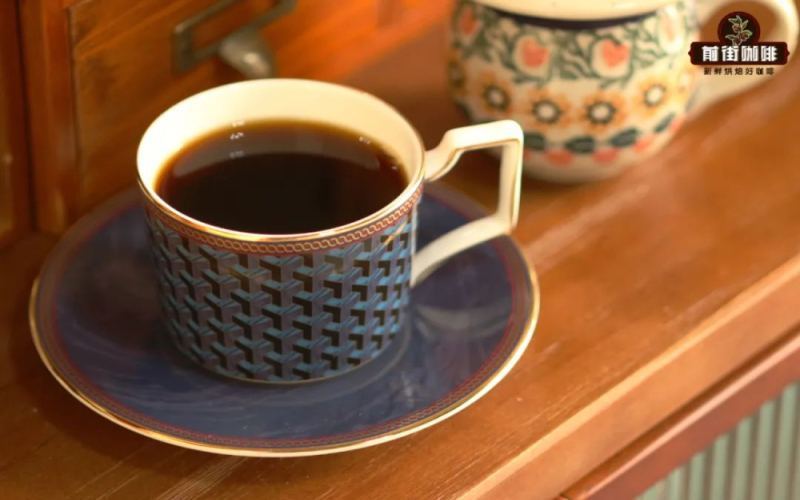
An Analysis of the Causes of Bitterness in Japanese-Style Dark Roast Coffee, and How to Brew Out the Sweet Finish of Dark Roast Beans
For those who encountered coffee around the turn of the millennium, black coffee often meant an lingering bitterness. This impression came from the dark-roasted beans popular in the last century, standing in sharp contrast to today's light-roast trend that pursues floral and fruity notes. So why exactly is dark-roasted coffee bitter, and what makes it so captivating? The answer lies in its aroma, body, and the sweet aftertaste that follows the bitterness. From Front Street's perspective, this article explores the unique charm of dark-roasted coffee and, addressing the challenges of dark-roasted beans being prone to over-extraction and their sweetness easily masked, offers a practical brewing strategy—including details such as the Kono dripper, coarse grinding, low water temperature, and a three-pour method—to help you brew the caramel sweetness and solid, full body of Golden Mandheling at home. [more…]