







How Does Japanese Dark Roast Coffee Avoid Bitterness?
Japanese dark roast coffee stays smooth because it is brewed with a large dose of grounds and a small amount of water, a method known as high concentration, low extraction. Very dark beans are porous and release soluble compounds, including bitter ones, quickly, so the pour is kept short. A coarser grind, cooler water, and a tight coffee-to-water ratio limit how much bitterness reaches the cup, leaving the coffee rich and syrupy rather than harsh.
The style grew out of a practical fear of bitterness: the coffee popular in Japan was roasted so dark that the beans glistened with oil, and the darker the roast, the faster solubles are released. Front Street Coffee demonstrates the method with PWN Golden Mandheling, publishing dose, ratio, grind size, water temperature, and staged pours for an iced brew, so the same dark roast flavor can be repeated at home without harshness.
Friends who enjoy Japanese-style dark roast coffee often notice a pattern: a large dose of grounds with a small amount of water produces coffee that is rich but not bitter. This approach now has a professional name—high concentration, low extraction. It is both a summary of past Japanese brewing traditions and an effective way to avoid the bitterness of dark-roasted beans. This article will start from the principles, explaining why Japanese brewing favors a large dose and low extraction rate, and how this simultaneously enhances body and flavor intensity. Then Front Street Coffee will use PWN Golden Mandheling as an example to share a set of iced brewing parameters for high concentration, low extraction, including dose, ratio, grind, water temperature, and staged pouring, to help you easily replicate a classic dark roast flavor.
Looking back at early Japanese brewing, you will find that many techniques share striking similarities. There were multiple reasons behind the formation of this style, and the foremost one was "fear of bitterness."
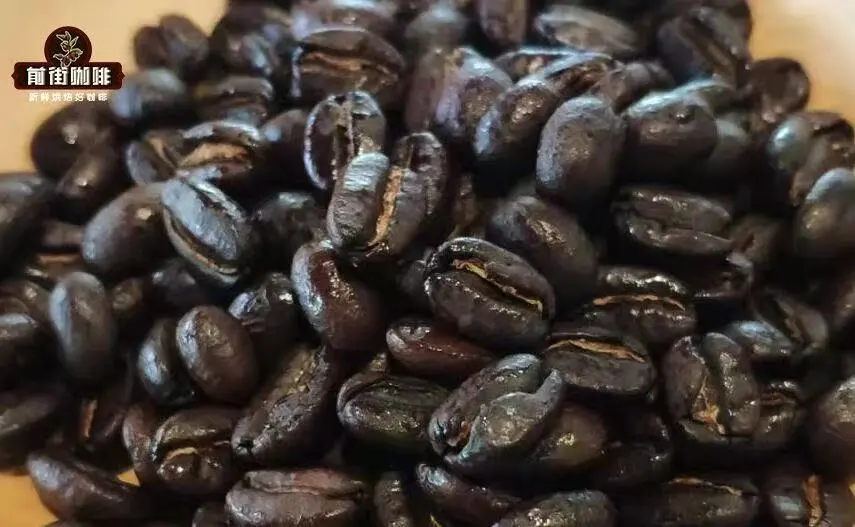
The coffee popular in Japan in those days was often roasted extremely dark, so dark that the bean surface glistened with oil and the aroma was intense and pungent. Although this deeply roasted bean could bring a heavier coffee aroma, it was also more likely to extract bitterness along with it. The reason is that the darker the roast, the more the bean expands, the looser its internal structure becomes, and the faster soluble substances are released—naturally including those unpleasant bitter components.

To avoid bitterness, you have to start with the brewing parameters, reduce extraction efficiency, and end extraction before bitter substances dissolve in large amounts. Common responses in classic Japanese brewing include: using a coarser grind to reduce the contact area between coffee grounds and water; raising the pouring height, or using drip pouring to lower the actual water temperature contacting the coffee bed. These methods are essentially all ways to suppress extraction efficiency.
In addition, another method is to increase the coffee-to-water ratio—using more coffee grounds and extracting only a small amount of coffee liquid. This is exactly the common characteristic of Japanese brewing mentioned at the beginning, and it can also effectively inhibit the dissolution of bitter substances. This approach now has a more professional name: high concentration, low extraction. So-called high concentration, low extraction means the brewed coffee has a relatively high concentration, but the extraction yield is not high. Because the total amount of water is small, bitter substances hardly have a chance to be released in large quantities, so it is difficult for an unpleasant bitterness to appear in the finished coffee.
Of course, avoiding bitterness is only one reason for brewing with a large dose. Another purpose is to improve the mouthfeel and make the flavor more concentrated. Under the premise that the extraction yield from water remains unchanged, the more grounds there are, the higher the total amount of soluble substances in the water, and the concentration naturally rises. Front Street Coffee has mentioned in previous articles that concentration directly affects the body of coffee—the higher the concentration, the thicker the mouthfeel. Even if water is added afterward to dilute it, the overall concentration is still higher than with conventional brewing methods, making it taste fuller.
As for flavor, there is even less need to elaborate: high concentration means the water contains richer flavor substances, so the coffee taste on the palate is naturally more intense. Rich but not bitter—this is the core value of the Japanese method of using a large dose, or high concentration, low extraction. At this point, Front Street Coffee believes many friends already want to personally try a delicious cup of coffee brewed with high concentration, low extraction. Next, Front Street Coffee will share how to brew a good cup of dark-roasted beans using the high concentration, low extraction method.
Brewing sharing
If you want to drink a cup of classic-style dark roast coffee, you can choose Front Street PWN Golden Mandheling from the Front Street Coffee flagship store, or Front Street Blue Mountain No. 1 Coffee. These two beans are not only legendary coffees that once swept the world, but also representatives made by Front Street Coffee using traditional dark roast profiles. From them, you can feel both the rich beauty of traditional dark roast and produce the most classic Japanese coffee flavor. More importantly, Front Street Coffee's coffee beans come from legitimate sources, with transparent information and complete documentation, so there is absolutely no need to worry about buying counterfeit goods.
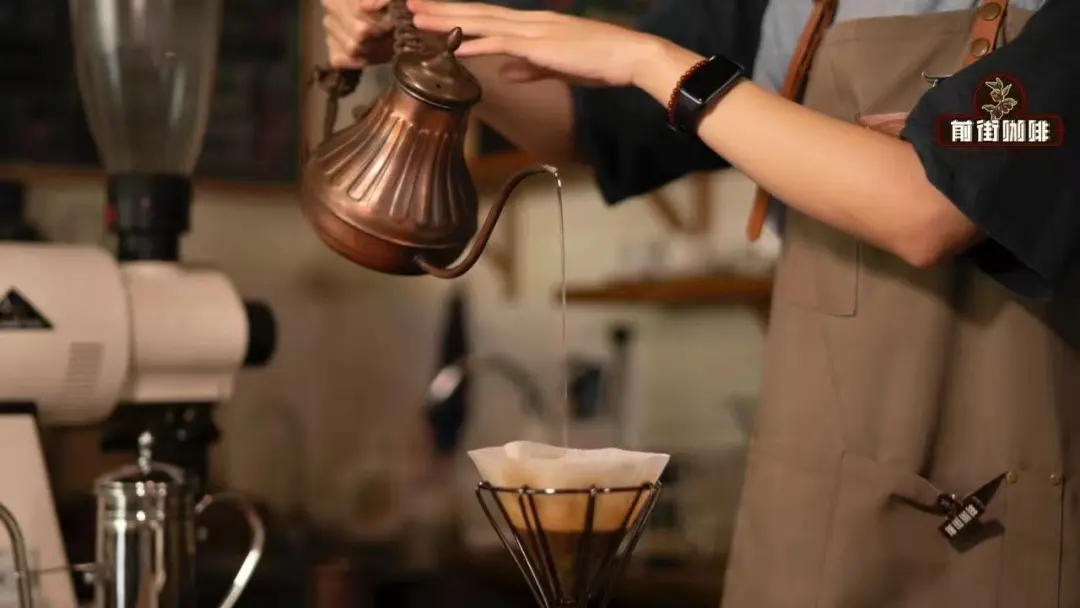
The bean selected by Front Street Coffee for this sharing is Front Street PWN Golden Mandheling. After dark roasting, it has almost no acidity, and when brewed it carries rich aromas of chocolate, caramel, spices, and cream, with a thick and solid mouthfeel, suitable for both pour-over and espresso. The extraction parameters are as follows: Dose: 20g Coffee-to-water ratio: 1:10 Grind: No. 20 sieve with 75% passing rate, slightly finer than regular hot brewing Water temperature: 90°C Dripper: Kono Because traditional Japanese brewing is relatively cumbersome to perform, Front Street Coffee this time chose iced brewing parameters for preparation (with adjustments), which can also brew a delicious cup of high concentration, low extraction coffee, because the parameters and method of iced brewing itself belong to the high concentration, low extraction approach. If everyone wants to try traditional Japanese brewing, you can look through Front Street Coffee's previous posts, where there is a detailed sharing. First, still the unchanging 30-second blooming, using 40ml of water.
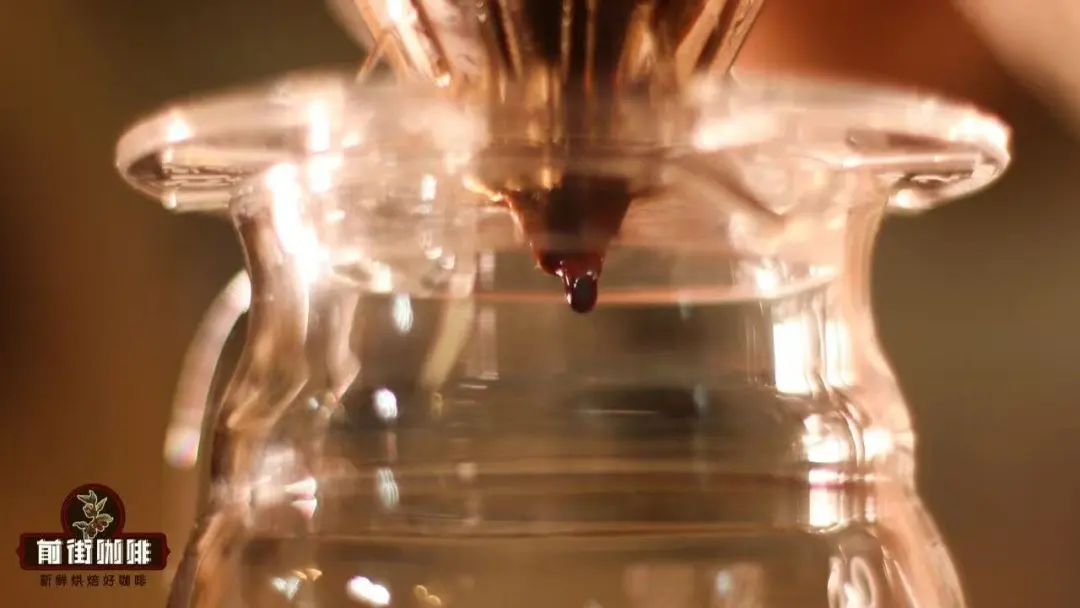
After the blooming ends, divide the remaining hot water evenly into 3 stages and pour, using a small stream in circles for each stage. Wait until the previous stage of hot water has completely flowed through, then pour the next stage, repeating continuously until the target water amount has been poured.
The coffee brewed this way is very high in concentration and is not suitable for drinking directly; it needs to be diluted with some hot water. Here Front Street Coffee adds 100ml of hot water. After adding, shake it a little to blend evenly, and then you can enjoy this delicious cup of coffee.
- END -
The above content is compiled by CoffeeHunters, a coffee news website.


