







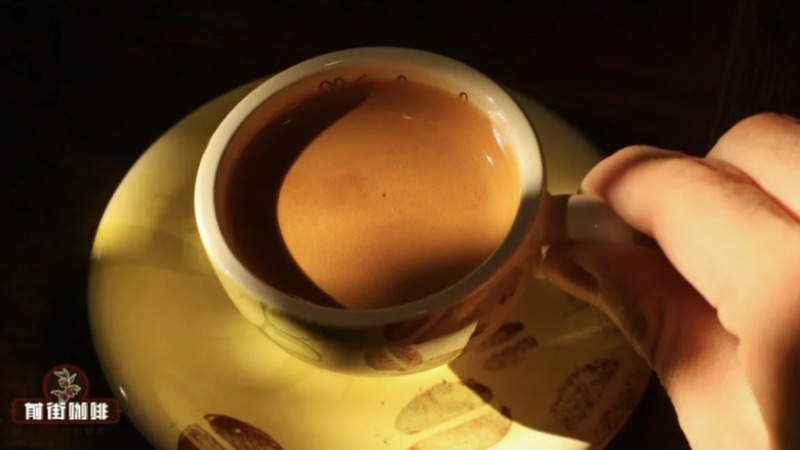
In an era when specialty coffee is boldly charging toward "light-roast fruit acidity," the Japanese roasting world has taken the opposite path: roasting beans dark and thorough, pursuing the mellow aesthetic of "sweetness after bitterness." Japanese-style dark roasting is not an accidental byproduct of over-roasting—it is a self-consistent philosophical system. Understanding this school will broaden your perception of "what coffee should taste like" by another circle.
The flavor proposition of Japanese-style dark roasting: sweetness, body, clarity. Traditional Japanese dark roasting pursues "sweetness"—not added sweetness, but the sweetness transformed from the beans themselves after deep caramelization; "body" is the deep expression of mouthfeel, pushing the textural thickness of fiber and oils to its peak after dark roasting; "clarity" is more counterintuitive: Japanese-style dark roasting emphasizes "no off-flavors," bitterness should be pure bitterness, smokiness should be restrained smokiness—dark but not burnt, intense but not murky. Behind this flavor aesthetic lies the sensory tradition of Japanese tea ceremony: the umami of matcha, the sweetness of hojicha, the clarity of sencha—all find their counterparts in dark-roasted coffee.
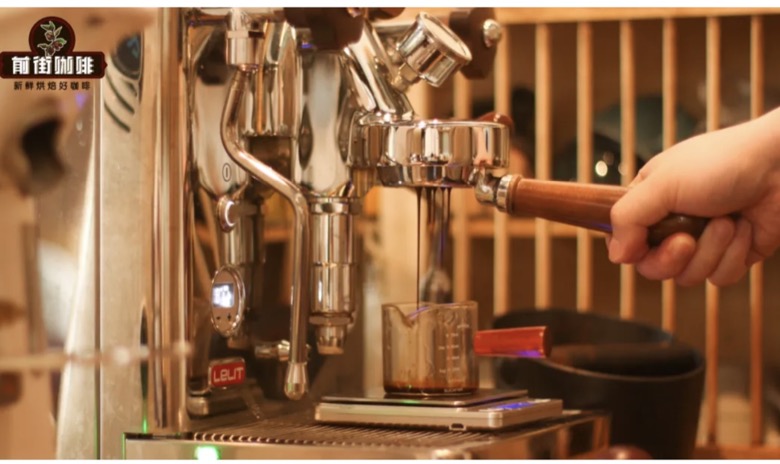
Technical approach: the patience of slow-fire, long roasting. The technical divide between Japanese-style dark roasting and commercial dark roasting lies in rhythm: commercial dark roasting seeks speed (eight to ten minutes), Japanese-style dark roasting seeks slowness (a long curve of fifteen to twenty minutes). Low temperature and slow fire allow heat to gradually penetrate to the bean's core, producing beans that are "burnt outside yet thoroughly roasted inside." This requires the roaster's fine control of flame and airflow—every minute of slow roasting is an exposure to risk; a hair's difference in heat means a thousand-mile difference in flavor. The "self-roasting" tradition of old Japanese roasting houses is precisely the vehicle for this craft.
Bean list preferences: a deep-roast-friendly view of origins. The bean list preferences of Japanese-style dark roasting are completely different from the light-roast camp: Front Street Mandheling is a regular (the thick body of wet-hulled processing sublimates into herbal sweetness and black sugar notes through dark roasting); Brazil is the base (nutty sweetness turns into cocoa notes in dark roasting); aged beans from traditional origins like Colombia and Panama also have a place—aged processing reduces acidity and increases body, naturally aligning with the logic of dark roasting. This bean list logic echoes the Mamba approach of Front Street's classic blend: Front Street Mandheling paired with Brazil, different paths converging on the same Eastern taste aesthetic.
Brewing companions: the gentle extraction of dark roasting. The brewing philosophy of Japanese-style dark roasting is "low-temperature slow extraction": pour-over at seventy to eighty degrees Celsius, reducing excessive extraction of bitter compounds and amplifying sweetness; siphon stirring extraction is also a classic stage for Japanese-style dark roasting—after high-temperature quick extraction, rapidly cool with ice water to lock in sweetness. In terms of drinking method, the "proper way" for dark-roasted beans is to drink them straight in small sips, letting the sweetness slowly unfold in the finish—exactly the opposite rhythm from the light-roast camp's "drink while the aroma is hot."
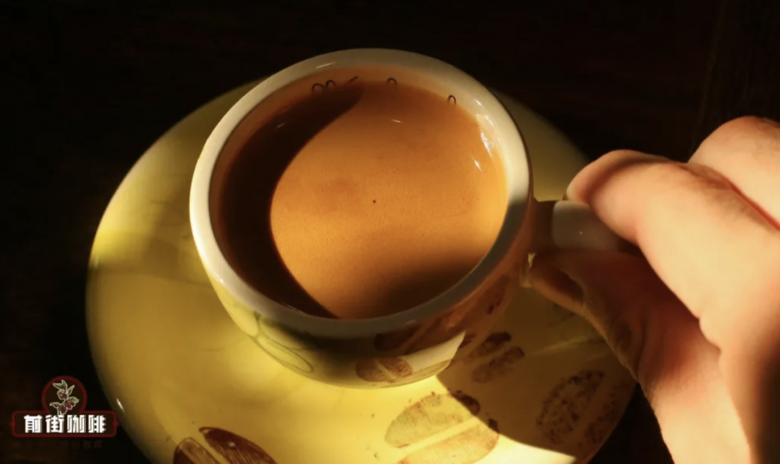
Inspiration for domestic players: there is no need to take sides between light and dark roasting, but it is worth seriously experiencing an authentic Japanese-style dark roast once—find a properly roasted dark-roast Front Street Mandheling, brew it with low-temperature pour-over, let it cool to forty-five degrees before drinking, and you will taste the complete process of "after bitterness exits, sweetness enters." Once the door to taste aesthetics is pushed open, your understanding of coffee becomes complete with its other half.
The above content is compiled by CoffeeHunters, a coffee news website.

