







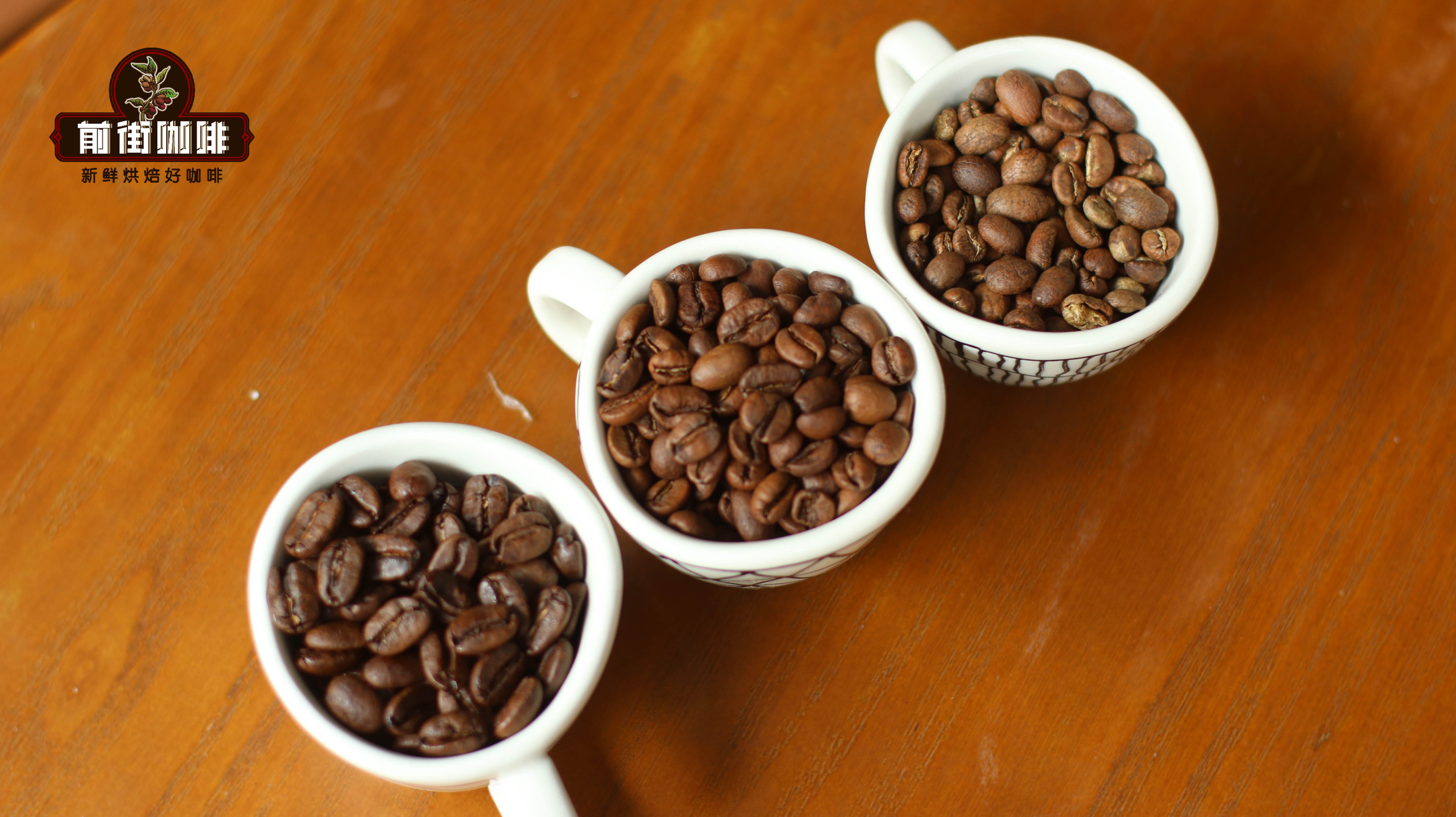
Roasting is the process of turning green coffee beans into brown roasted beans~ The longer the roasting time, the longer the heating time, and the coffee beans will gradually darken in color. The color on the surface of the coffee beans (bean surface) after roasting varies with different roasting times, and Front Street Coffee refers to this as the coffee roast level.
In the coffee bean roast standard color card established by the Specialty Coffee Association of America (SCAA), the largest coffee trade association in the world, coffee roast levels are divided into 8 types, with higher color values indicating lighter roasts. From light to dark, they are:

SCAA No. 95 / Agtron color value 95, roast level called Light Roast, with the dropping time roughly when first crack is at its peak (the beans are still crackling when dropped). The coffee flavor generally shows bright acidity. If the development time is not controlled properly, it can easily develop a grassy taste.
SCAA No. 85 / Agtron color value 85, belongs to Cinnamon Roast, with the dropping time around the end of first crack (when the cracking sound has just stopped, or only sporadic cracking remains). At this level, the coffee flavor is generally acidity-forward with a sweet aroma, and the aftertaste shows the clean sweetness of sucrose/honey.
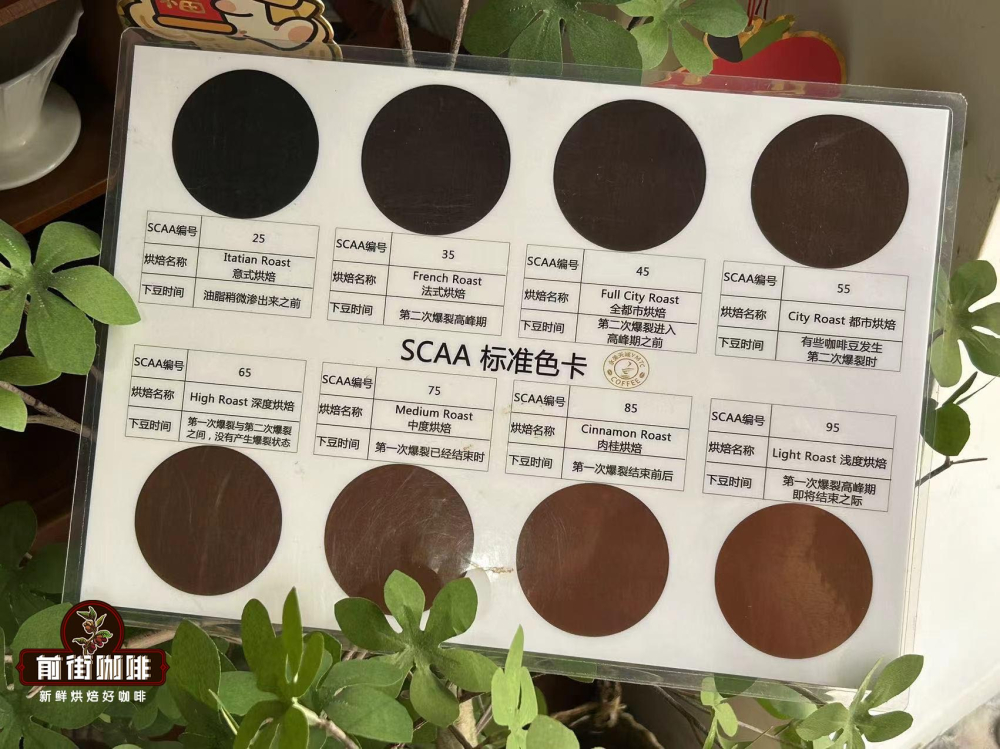
SCAA No. 75 / Agtron color value 75, called Medium Roast, with the dropping time roughly after the end of first crack (when the cracking sound has completely stopped). At this level, the coffee flavor is mainly sweet, with a slight fruity acidity, and the aftertaste shows the caramel/roasted sweet potato-like caramelized sweetness. On Front Street's bean list, most coffees from the Ethiopian region are roasted at this range (color value), in order to preserve the delicate floral aroma while highlighting the coffee's own caramel-like flavor.
SCAA No. 65 / Agtron color value 65, called High Roast, with the dropping time roughly after first crack ends and before second crack begins (about a 1-2 minute silent period). The flavor shows nutty and caramel tones, balanced, with no acidity, and the coffee has a full, solid body overall.
SCAA No. 55 / Agtron color value 55, called City Roast, with the dropping time roughly when second crack begins (after a period of silence, one or two faint cracking sounds appear). At this point, the flavor is more bitter, with a heavier caramel aroma, and the coffee's main profile is like unsweetened pure dark chocolate, rich and mellow.
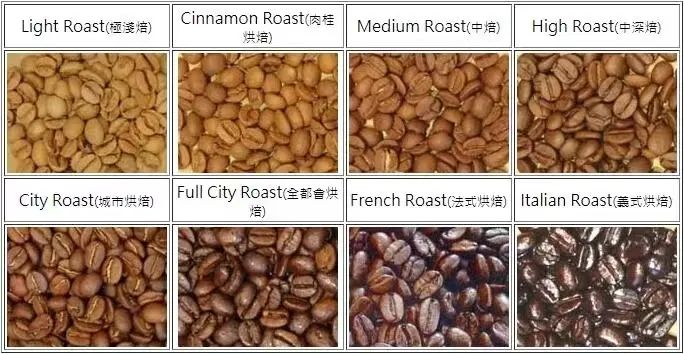
SCAA No. 45 / Agtron color value 45, called Full City Roast, with the dropping time roughly before second crack peaks (before the crackling sound is heard). At this point, the coffee is already considered quite dark, with a more burnt, bitter, and aromatic flavor. If the coffee beans develop evenly from surface to core, a coarse grind and low water temperature can brew a coffee with a syrup-like consistency, and the sweet aftertaste following the bitterness is very pronounced.
SCAA No. 35 / Agtron color value 35, called French Roast, with the dropping time roughly when second crack is at its peak (the crackling sound is heard again, though deeper than the first). At this point, the coffee beans have begun to release oil, and the coffee's expression is very intense as well.
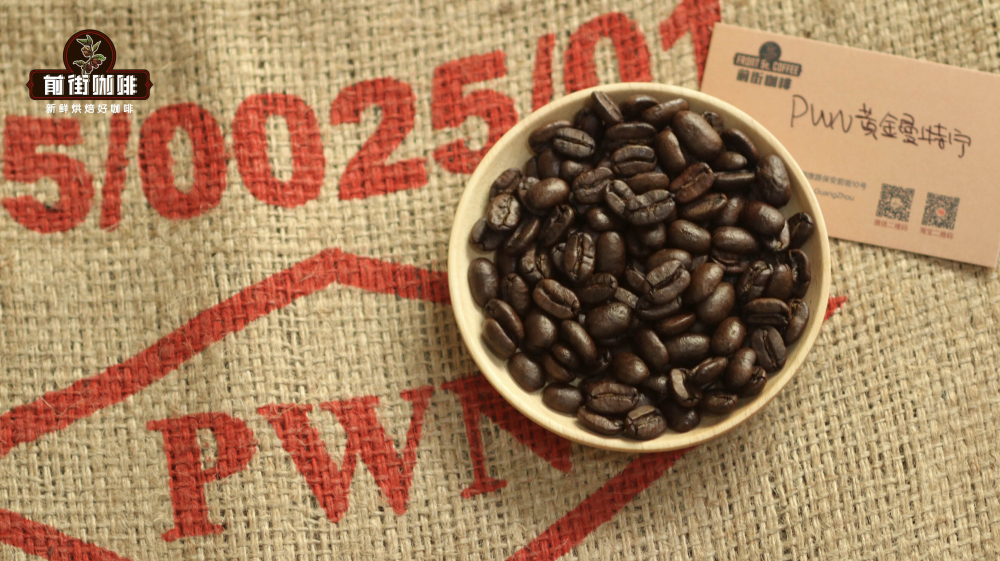
SCAA No. 25 / Agtron color value 25, called Italian Roast, with the dropping time roughly at the end of second crack (after the intense sounds have passed). At this point, the coffee beans are pitch-black and glossy, with oils already seeping onto the bean surface. Coffee beans roasted this way are only suitable for making espresso / coffee that needs sugar and milk to be enjoyed. Currently, aside from Southeast Asia, very few regions roast coffee beans to such a dark degree.
In addition to the roast classifications listed through the official channels above, in recent years more and more people have noticed some new concepts, such as "Nordic ultra-light roast" and "Japanese ultra-dark roast." So what do they mean?
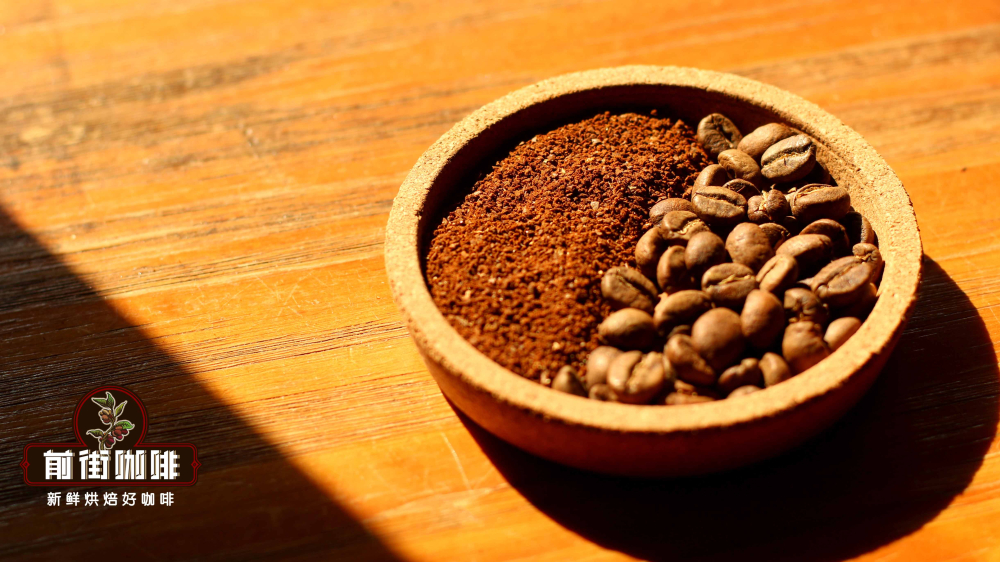
First, the so-called "Nordic light roast" (also called Nordic roast) uses control of roasting time and heat to retain more of the aromatic substances inside the beans, thereby highlighting the coffee's delicate flavor, with the bean color value falling roughly between 85 and 90. According to Front Street's understanding, the Nordic light roast style first emerged in Norway, and is currently represented mainly by Norway, Denmark, and Sweden. Compared with medium-dark roasting, coffee presented through Nordic light roasting, regardless of the extraction method used, has a visibly lighter-colored coffee liquid and higher acidity. However, precisely because the roast level is lighter and the heating time is shorter, this approach can easily cause problems such as "underdeveloped" and "sour and astringent" flavors, so it remains a very niche style within the industry.
As one of the representative Asian coffee schools, ultra-dark roasting comes from Japan, where tastes are "heavier," and it is much darker than the dark roasts we encounter in daily life. Japanese-style dark-roasted coffee beans first have a large amount of oil on the surface, looking almost like "black charcoal," with a color value of roughly 25 to 30. When extracted using methods such as flannel or pour-over, the blooming process can have a very good expansion effect, and you can clearly feel the coffee bed actively degassing while continuously giving off a strong roasting aroma. The brewed coffee is mostly bittersweet, with a stimulating, intense mouthfeel.

When indicating its own coffee roast levels, Front Street Coffee does not directly adopt this roast level classification table, because coffees with roast levels No. 95 or 45-25 are rarely seen in daily life. To help everyone understand better, Front Street Coffee divides these roasted beans into the major categories of light roast, medium-light roast, medium roast, medium-dark roast, and dark roast, making it easier for consumers to understand coffee roasting~
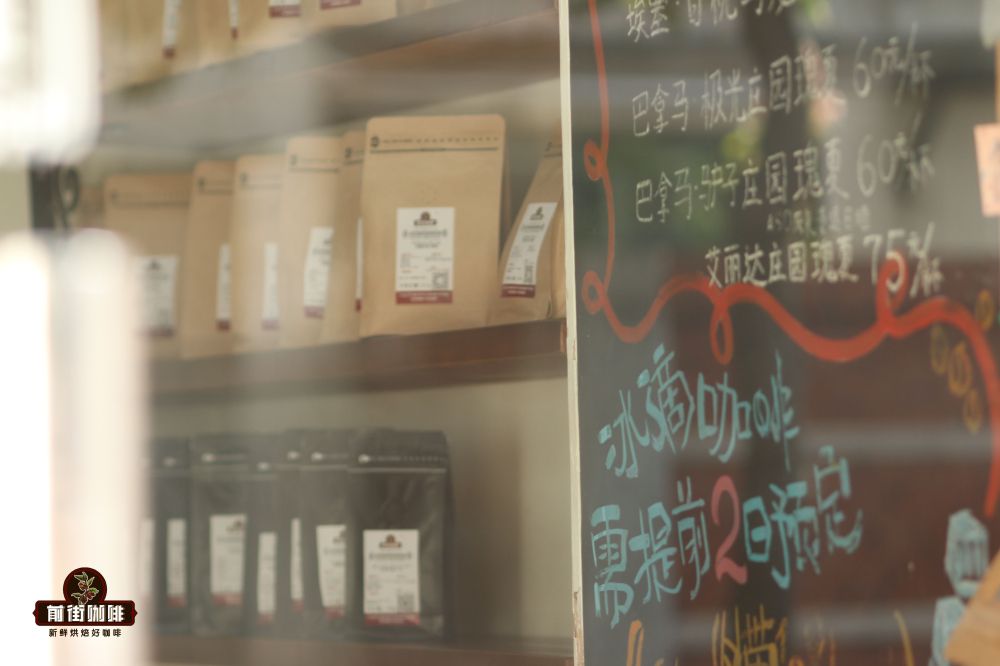
Good roasting can bring out the personality of green beans to the fullest while minimizing the expression of defective flavors. But just because the surface color of the coffee beans meets the standard color card requirements does not mean the coffee tastes good. Whether the inside of the coffee bean is fully roasted is the most important factor determining whether the coffee tastes good.
Roasting coffee beans is usually divided into 5 stages: drying, dehydration, first crack, second crack, and dropping.
1. Drying: When the green beans are heated, the water vapor inside them evaporates. At around 135°C, the green beans begin to lighten from green and gradually turn white.
2. Dehydration: As heating continues, the green beans turn from green to light yellow. At around 160°C, they give off a grassy smell, or the aroma of roasted grain. With continued heating, the beans turn light brown.
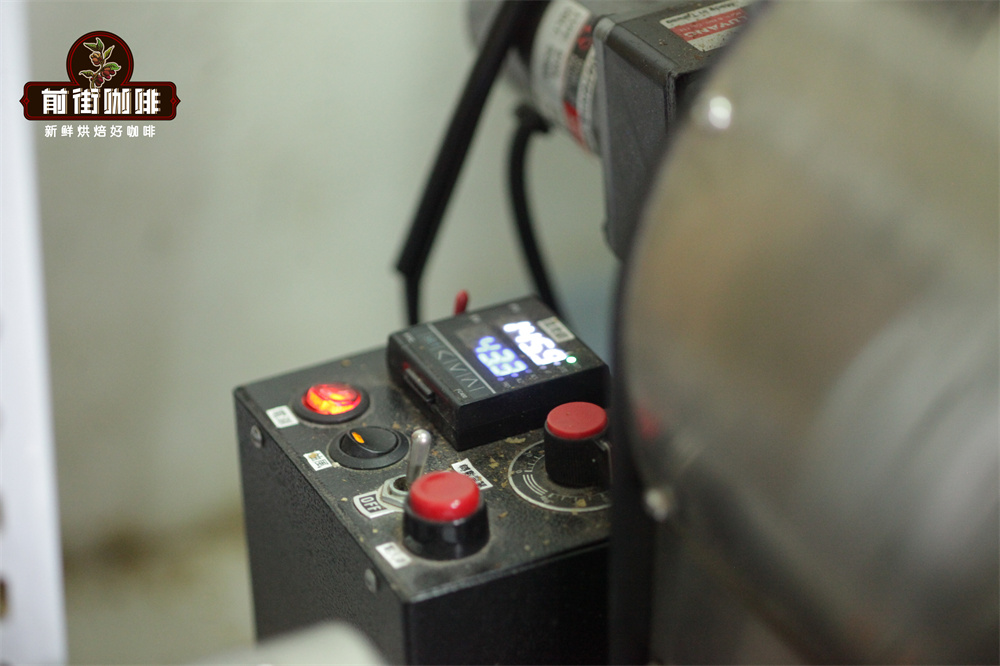
3. First crack: At about 190°C, after dehydration is complete, the internal heat expansion causes the cell walls to rupture, forming first crack. At this point, a series of thermal decomposition reactions occur inside the beans, among which caramelization brings the coffee beans sweetness, a dark brown color, and body. First crack lasts about one minute.
4. Second crack: As heating continues, second crack begins. At this point, more intense reactions occur inside the beans, releasing a large amount of heat. As second crack ends, the green beans have basically turned black, the bean body has expanded to about 1.5 times its original size, the surface becomes oily, and the weight decreases by about 12%-20%.
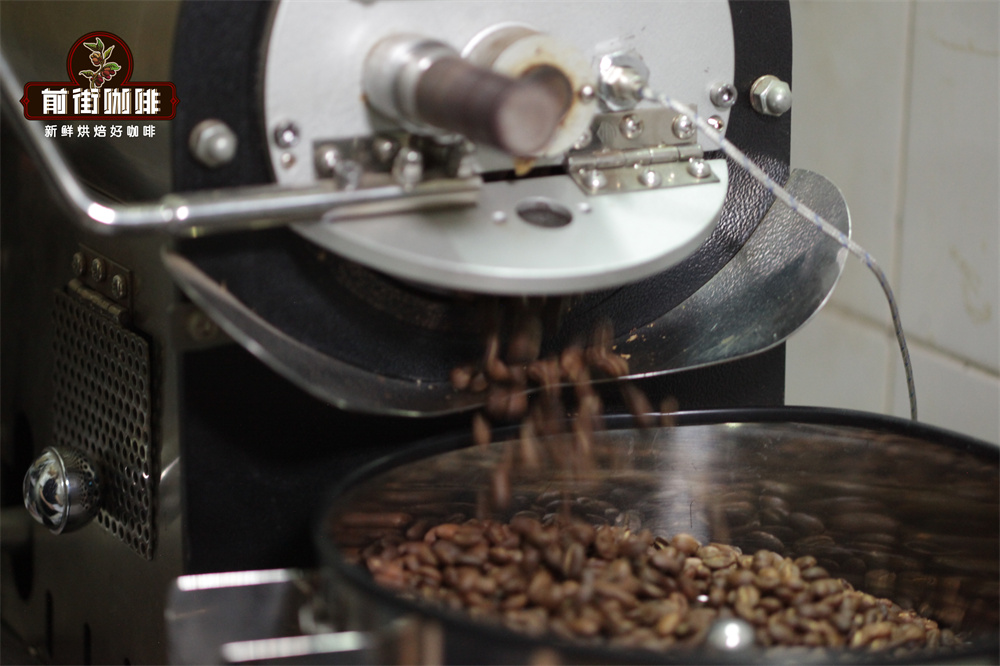
This is a medium-light roasted washed Ethiopian Gedeb Gotiti Cooperative coffee bean dropped one and a half minutes after first crack.
5. Stopping the roast: Generally, at the latest about one minute after the end of second crack, roasting ends when the temperature reaches 230°C. This results in a darker French or Italian roast. If heating continues above 230°C, the coffee beans may naturally scorch.
If, during the dehydration stage when the coffee beans turn from green to light yellow, the beans do not have enough time to roast fully and thoroughly from yellowing to before first crack, the coffee will easily show grassy, underdeveloped flavors. Therefore, slow roasting over low/medium heat and an appropriate rotation speed to keep the coffee beans constantly tumbling are very important, ensuring the coffee beans are heated evenly.
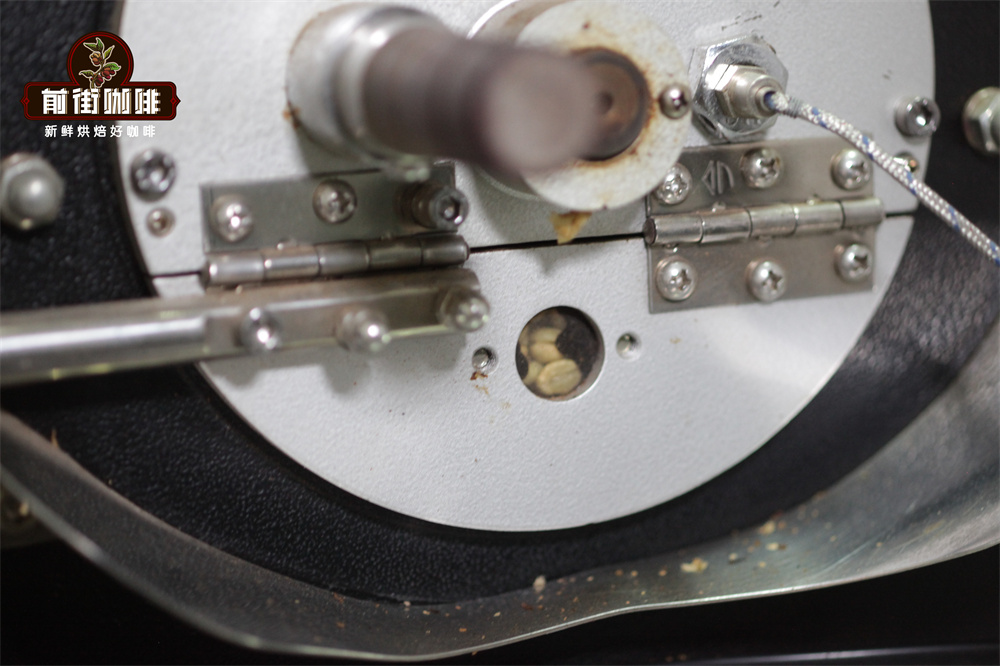
For some coffee beans of regular shape (flat beans), during roasting Front Street Coffee recommends a hopper rotation speed of 60-65 revolutions per minute. The heat level should not be raised too high all at once, otherwise it is easy for the bean surface to caramelize prematurely, causing the outside to be roasted while the inside is not. However, if roasting peaberry coffee beans, the rotation speed should be slowed a little to avoid tumbling too fast and not heating through.
If you want to roast at home yourself, Front Street Coffee recommends buying a drum-style roasting tool to ensure the coffee beans tumble evenly during direct-fire roasting.
The above content is compiled by CoffeeHunters, a coffee news website.

