







What Makes Mandheling a Distinctive Dark Roast Coffee?
Dark-roasted coffee is not only bitter. Mandheling, the most representative dark roast, is a name that came from a wartime misunderstanding rather than a region or variety. Its low-acid, full-bodied, herb-and-spice profile comes from Indonesia's wet-hulling process, and the golden grade is sorted by defect count and bean size before export.
Light roasts dominate today because shorter roast times keep more acids and aromatics, but not every bean suits that style. Mandheling develops its thick body and earthy notes under a darker roast. Indonesia robusta coffee beans share the low-acid, heavy character of the region, while arabica Mandheling from Sumatra remains the reference point for a deep, syrupy cup.
As coffee waves have evolved to the present day, light-roasted beans have become the market mainstream thanks to their clean, bright acidity, but not all coffee beans are suited to light roasting. Is dark-roasted coffee left with nothing but bitterness? Taking Front Street Coffee as an example and using the most representative Mandheling as the entry point, this article sorts out the flavor characteristics and charm of dark-roasted coffee. From the historical origins of how Mandheling got its name, to how the wet-hulling process shapes its low-acid, full-bodied regional character, and further to the grading standards and brewing suggestions for Golden Mandheling, the full text will present the complete thread of dark-roasted Mandheling from green bean to cup, and will also include the specific brewing parameters and flavor descriptions for Front Street's two Mandheling offerings.
For more specialty coffee knowledge, welcome to follow: Front Street Coffee (Frontsteet Coffee) Coffee culture has developed to this day through three waves in succession—instant coffee, espresso coffee, and specialty coffee—and light-roasted coffee has gradually taken the mainstream position in the market. The reason light-roasted beans are favored is that the roasting time is relatively shorter, so the acidic and aromatic substances in the coffee are retained in greater amounts, the overall style tends toward clean, and it can also display layered, rich coffee flavors. In the years that light-roasted beans have become popular, they have interpreted quite completely the "regional localization" emphasized by specialty coffee, and as processing methods have continued to improve, the layering and richness of coffee have also been pushed to new heights. However, not every coffee bean is suited to light roasting, and quite a few beans are naturally better suited to dark roasting.
Is dark-roasted coffee really only bitter? The answer is actually no. In this article, Front Street Coffee (FrontStreet Coffee) uses the most representative Mandheling coffee among dark roasts to talk with everyone about the charm of dark-roasted coffee. What is Mandheling coffee? Mandheling is neither the name of a region, nor the name of a port, and even less the name of a coffee variety; its origin is actually a story that evolved from a misunderstanding. In 1942, during World War II, Japan occupied Indonesia. The Japanese army attacked Sumatra, and one month later the Dutch surrendered, after which the Japanese army occupied Indonesia. Because Indonesia had previously been colonized by the British and then the Dutch, the locals did not react fiercely to the arrival of the Japanese army. Until one day, a Japanese soldier drank a cup of extremely rich and aromatic coffee at a local coffee shop in Sumatra, and asked the owner what this coffee was called. The owner mistakenly thought the Japanese soldier was asking where he was from, so he answered, "the Mandheling people."
Later, after this Japanese soldier returned home, he kept thinking about that cup of coffee, so he asked someone to find the owner of that shop in Sumatra and have him export a batch of the same beans to Japan. Sure enough, this bean became very popular among Japanese consumers, and in order to make it easier for consumers to remember, it was named Mandheling. Mandheling coffee was thus born. So what we usually call Mandheling coffee is actually "Sumatra coffee." Characteristics of Mandheling coffee beans The most representative aspect of Mandheling lies in its processing method—wet hulling. Common washed, natural, and honey processing methods all retain the parchment layer until the bean body has dehydrated and hardened, with moisture content dropping to 12%, or after being stored in warehouses for 1 to 3 months, before it is removed. Wet hulling, however, removes the parchment layer while the bean body is still moist and soft, with moisture content as high as 30% to 35%, exposing the surface of the green bean directly, and then continues drying. Because the drying time is shortened, the fermentation period of the coffee beans is also shortened. In addition, although the coffee beans used for Mandheling belong to the Arabica variety, they themselves carry a small amount of Robusta genes, so the acidity is inherently not high. The rapid drying process further suppresses the acidity.
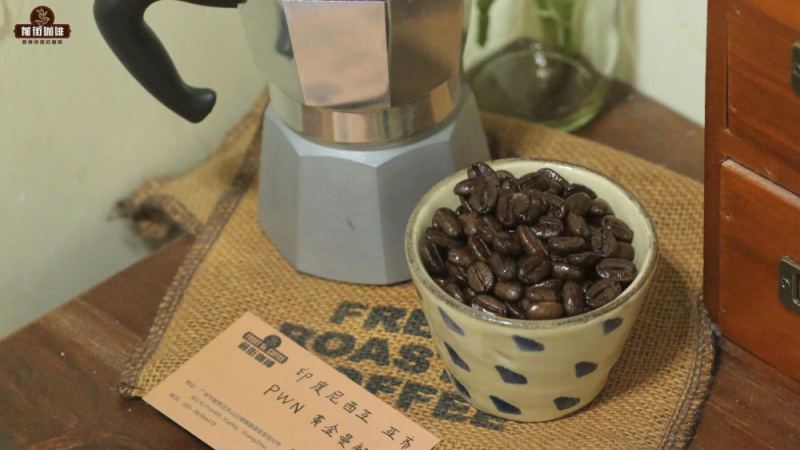
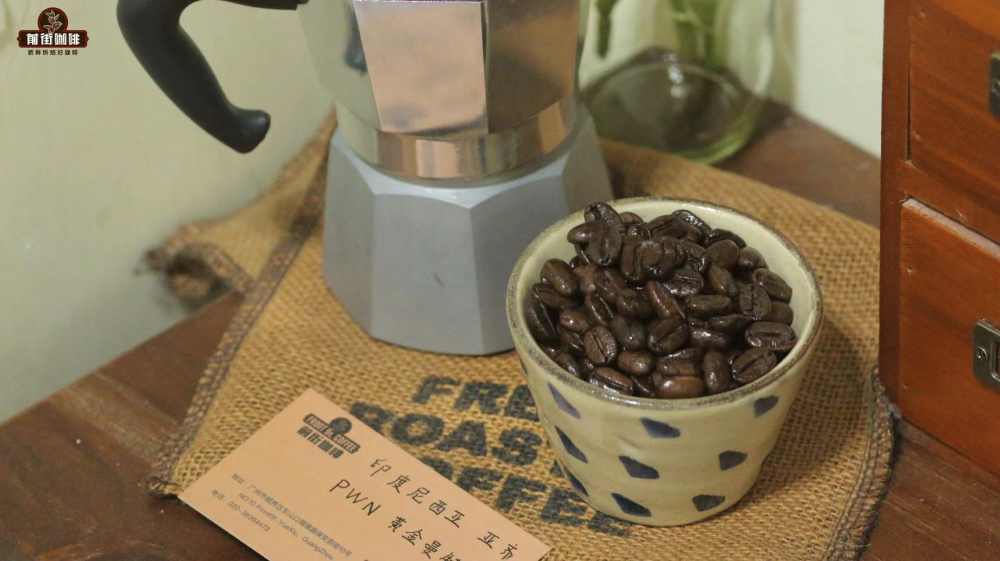
Because the acidity is not high, it is not suitable to use light roasting to forcibly preserve unripe acidity; instead, dark roasting is needed to increase body, allowing Mandheling to show caramel, herbal, and cocoa flavors, and this is precisely Mandheling's unique "regional flavor." Front Street Coffee (FrontStreet Coffee) currently sells two Mandheling coffee beans, namely "Lindong Mandheling Coffee Beans" and "Front Street PWN Golden Mandheling Coffee Beans," among which Golden Mandheling, due to its extremely high quality, has become one of the signature dark-roasted coffees on Front Street's bean list. What grade does Golden Mandheling belong to? "Golden Mandheling" is the exclusive brand of the Indonesian Pwani Coffee Company (PWN). There are many kinds of Mandheling products on the market, and because PWN registered the English name of Golden Mandheling, "Golden Mandheling," as the company's trademark, only Golden Mandheling produced by PWN is truly Golden Mandheling in the real sense. Everyone can identify authentic Golden Mandheling through the green bean burlap sacks bearing the PWN mark and a certificate of origin signed by PWN; Front Street displays these two identifiers in its Dongshankou store.
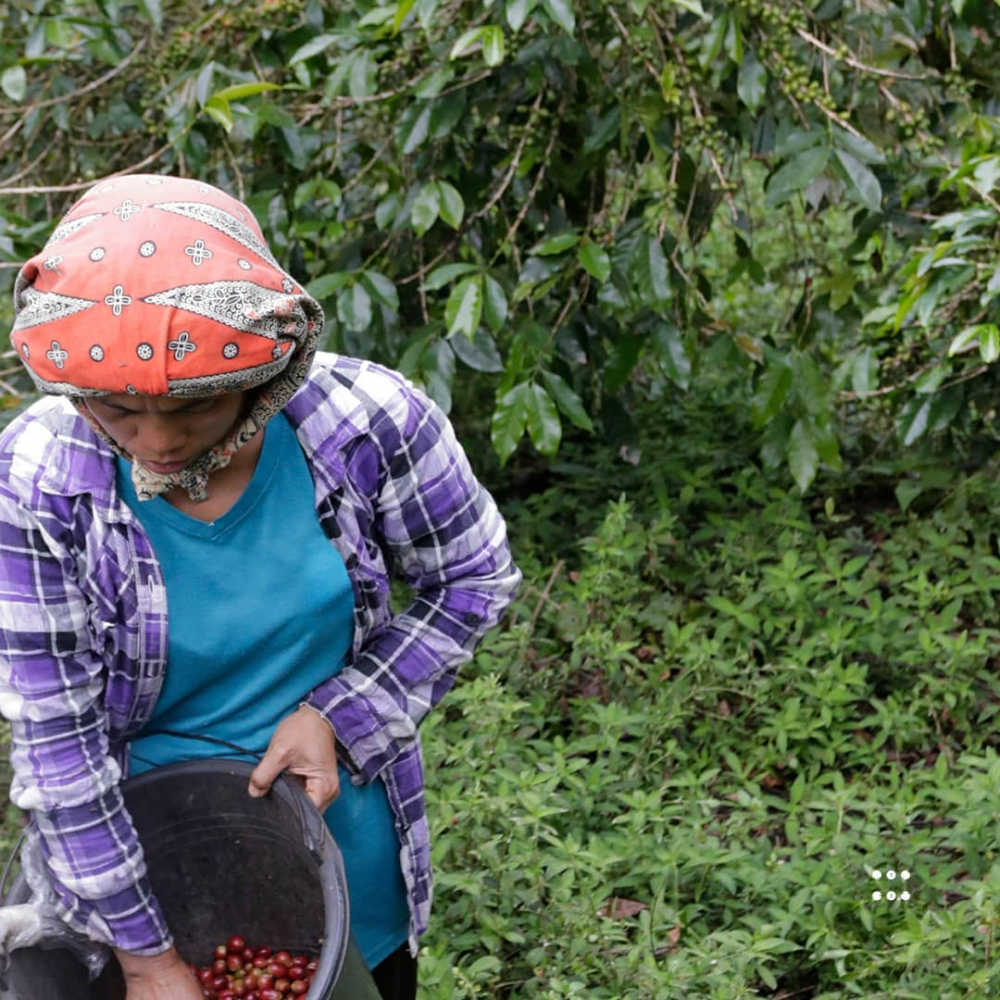
Back then, after the Japanese took a liking to Sumatra coffee and purchased it for a long time, they gradually discovered that the quality of local beans varied greatly. So they invested more effort in the production of Mandheling and began to establish strict standards and methods for screening defects, starting from values such as bean density, specification, shape, and color. The Mandheling produced needed machine plus manual removal of defects to ensure the beans were complete, uniform, large, and translucent, and also reduced Mandheling's earthy and grassy notes. It is said that under sunlight it appeared golden and shining, hence the name "Golden Mandheling." Indonesian green coffee bean grading is mainly based on the number of defective beans, supplemented by size specification. General quality requirements are no live insects, no moldy, rotten, or foul-smelling beans, a maximum moisture content of 12.5%, and an impurity rate of less than 0.5%. According to the defect rate, it is divided into six grades, among which the highest grade, G1, requires fewer than 11 total defective beans in a 300g sample. The Lindong Mandheling coffee in Front Street's daily-drinking bean series is G1, using the wet-hulling processing method, that is, the conventional version of Indonesian Mandheling flavor.
PWN, which pursues perfection in screening, purchases Mandheling green beans of 18 screen size and above, G1 grade with fewer than 3 defective beans in a 300g sample, which is the highest grade of Indonesian green beans. Subsequently, it strictly follows standards to carry out 1 machine sorting plus 3 manual selections to remove defective beans, ensuring the shape and size of the Mandheling coffee beans are uniform. In addition, before packaging, PWN also places the green beans in a machine for density and color sorting, making Golden Mandheling uniform and translucent in color. In order to make the two Mandheling coffees rich and full-bodied in taste, without unpleasant bitterness, Front Street Coffee (FrontStreet Coffee) roasts them to a medium-dark roast level just before the beans approach second crack.
The charm of dark-roasted Mandheling coffee Front Street Coffee (FrontStreet Coffee) believes that although specialty coffee is defined as expressing regional flavor, regional flavor does not necessarily mean it needs to show one hundred percent the sweet and sour of the coffee fruit. On the contrary, the herbal, caramel, creamy, and cocoa notes brought by dark roasting can better present the characteristics of Mandheling coffee.
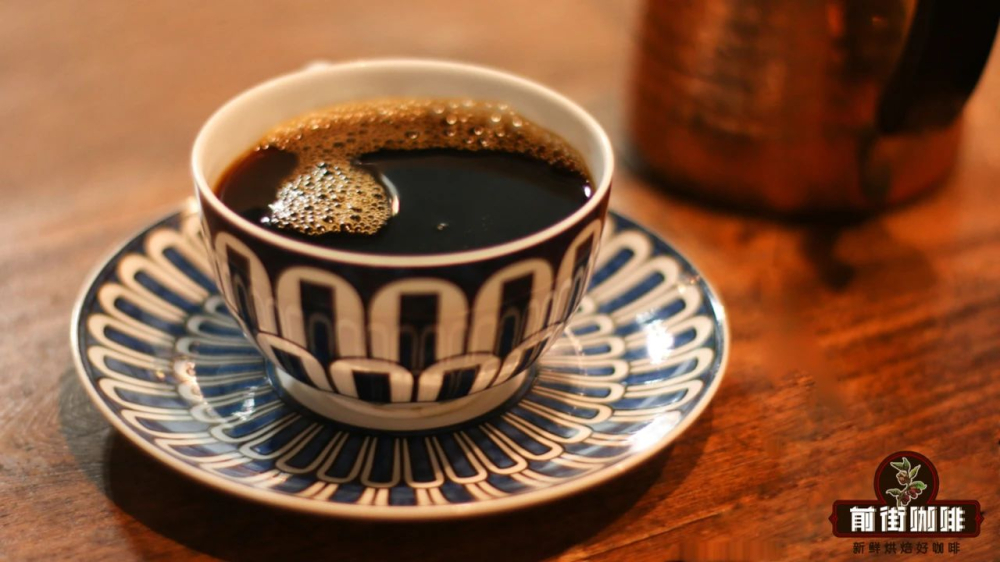
In other words, light roasting is like an exquisite Japanese meal; although refined, you quickly tire of eating it every day. Dark-roasted coffee, on the other hand, is like our home cooking; although plain, it is part of three meals a day. Dark-roasted coffee gives a grounded and steady feeling when drunk, so that one never grows tired of it no matter how often one drinks it. How to brew dark-roasted Mandheling coffee? The longer the roasting time, the looser the structure of the coffee beans, and the faster the release rate of coffee substances. Therefore, Front Street Coffee (FrontStreet Coffee) suggests adjusting the grind coarser when brewing Mandheling coffee, and not using water that is too hot, in order to reduce extraction in the later stage of the coffee and reduce bitterness.
For Front Street Coffee (FrontStreet Coffee) store output, the following drip extraction parameters are used: dripper: KONO, dose: 15 grams, water-to-coffee ratio: 1:15, grind size: 70% passing rate on China standard No. 20 sieve, water temperature: 88°C. Specific brewing method: for the first pour, add 30g of water and bloom for 30s; for the second stage, pour in a small stream in circles up to 125g, wait until the water level in the coffee bed drops to half before pouring again, then continue pouring in a small stream in circles up to 225g, and after all dripping is complete, the total extraction time is about 2 minutes 10 seconds.
Front Street Lindong region Mandheling coffee brewing flavor: on the palate there is a rich herbal aroma, dark chocolate, caramel, and a sweet finish. Front Street - Front Street PWN Golden Mandheling coffee brewing flavor: the coffee as a whole is varied in layers, full-bodied and clean. Rich nut and caramel aroma, with a chocolate note, a lasting aftertaste, and high balance.
The above content is compiled by CoffeeHunters, a coffee news website.


