







Search Results for: Terroir
What Is the "Terroir" Taste of Specialty Coffee? A Detailed Explanation of the Three Key Factors Affecting Coffee Flavor: Soil, Climate, and Altitude
When we talk about specialty coffee, why do baristas always emphasize the region first? The answer lies in "the taste of terroir." Different regions, due to differences in their natural environments, give coffee beans completely distinct flavor characteristics—this is the power of terroir. In this article, Front Street Coffee will take you deeper into what the taste of terroir is, how it influences the direction of coffee's flavor, and the three key elements that determine coffee's taste—soil, climate, and altitude. At the same time, we will also clarify a common misconception: terroir is certainly important, but it is only the foundational condition of coffee's flavor, not the sole factor determining its final expression. [more…]
Traveling Along the Coffee Belt: How Terroir Shapes a Pour-Over
Stretching between the Tropic of Cancer and the Tropic of Capricorn lies a coffee belt. Every producing region along this belt tells its own coffee story through its unique altitude, soil, climate, and cultural traditions. For pour-over enthusiasts, understanding a region's terroir is like traveling the world with a flavor map in hand. The story begins with Ethiopia [more…]

Why has Panamanian Geisha become synonymous with top-tier coffee? From its discovery at Hacienda La Esmeralda to an analysis of its terroir advantages.
Geisha coffee enjoys an extremely high reputation in the global specialty coffee world, and when Geisha is mentioned, most people's first association is the Panama region. Although Ethiopia, Costa Rica, Colombia, and other places also produce high-quality Geisha, Panama Geisha has always been regarded as the benchmark. Behind this lies both historical opportunity and the discovery by Hacienda La Esmeralda, together with the support of Panama's unique terroir. In this article, Front Street will take you through the journey of Geisha from the forests of Ethiopia to the highlands of Panama, analyze how Hacienda La Esmeralda recognized its potential, and explain how the terroir conditions of the Boquete Valley created Geisha's signature floral and fruity aroma and elegant acidity. [more…]
Colombia Finca El Paraiso Coffee: Cauca Regional Terroir, Double Anaerobic Fermentation and COE Gold Record
Colombia is an important specialty coffee-producing country worldwide, and its coffee grading is based on bean screen size rather than altitude. The Cauca region, with its unique terroir of surrounding high mountains, ample sunlight, and a stable climate, nurtures a rich and balanced coffee flavor. Finca El Paraiso is located in Cauca Department and was founded by Diego Samuel in 2008. Starting from a small 2.5-hectare farm, it set the highest bid record in Colombian history at the COE auction through an experimental double anaerobic fermentation process. This article will guide you through the terroir conditions of the Cauca region, the development history of Finca El Paraiso, and its complex fermentation process, and introduce related batch products from the Front Street brand. [more…]

The Terroir Code of Coffee: How Growing Environment Beyond Genetics Shapes the Flavor in Your Cup
We often hear baristas mention the term "terroir"—what exactly does it mean? The flavor of a cup of coffee is about seventy percent determined by varietal genetics, while the remaining thirty percent comes from the natural conditions of the growing region—latitude, altitude, soil, sunlight, and humidity all working together to give coffee from different origins strikingly different flavor profiles. This article will examine these five dimensions to explain how the environment affects coffee's balance of acidity and sweetness and its rich mouthfeel, and help you understand why high-altitude beans have fuller flavor and why volcanic soil can impart a distinctive acidic aroma to coffee. [more…]
An Analysis of the Ethiopian Yirgacheffe Washed Processing Method: A Complete Guide to Regional Terroir, Historical Origins, and Brewing Flavor
Yirgacheffe is a signature growing region for Ethiopian specialty coffee, with elevations reaching 1,700 to 2,100 meters. Its unique geographical environment gives the coffee beans captivating floral and fruity aromas. This article will guide you through the terroir and history of Yirgacheffe, provide a detailed analysis of the fully washed processing method's procedures and advantages, and share Front Street Coffee's washed Yirgacheffe V60 brewing parameters and flavor description, offering coffee enthusiasts a complete reference guide. [more…]
A Complete Guide to Guatemalan Specialty Coffee: Terroir, Flavor Profiles, and Front Street Brand Recommendations Across Eight Major Regions
Guatemala was once hailed as one of the finest coffee-producing origins in the world, its strictly hard beans plump and well-balanced, yielding a pure, rich brew. Front Street's Guatemalan coffee beans have pronounced acidity, a mellow flavor with a slightly wild edge, and can be enjoyed as a single origin or often used as a base bean in blends. This article takes you deep into the origins and background of Guatemalan coffee, its flavor characteristics, and the terroir of its eight major producing regions—from the volcanic geology of Antigua and the Acatenango Valley to the non-volcanic highlands of Huehuetenango—analyzing one by one how this land nurtures rich layers of green apple acidity, berry notes, jasmine florals, and even smoky finishes. Whether you are a coffee enthusiast or a professional, you will gain practical origin knowledge and brewing references. [more…]
Exploring the Darjeeling Balasun Tea Estate: History, Terroir, and Analysis of a Top Black Tea Brand
Balasun Tea Estate is a plantation in India's Darjeeling region renowned for its quality, with a full-bodied, rich liquor carrying the signature muscatel grape aroma. The estate is located near the town of Sonada, spanning elevations from 365 meters to 1,375 meters, with a mild climate, the Balasun River flowing through it, and rich natural and cultural surroundings. Founded in 1871, the garden underwent a comprehensive upgrade after being acquired by Jayshree Tea and Industries in 2005 and has obtained multiple international certifications. Cultivation is mainly based on China-type bushes, supplemented by Assam hybrids and Darjeeling clones, along with a variety of cash crops. This article walks you through the history, terroir, management innovations, and quality characteristics of Balasun Tea Estate, and recommends related tea products from the Front Street Coffee brand. [more…]
Ethiopia Guji Zone In-Depth Analysis: The Terroir Code of the Shakiso Micro-Region and the Traceability of 90+ Legendary Lots
Ethiopia, as the birthplace of coffee, has a regional division system like a precise pyramid, nested layer by layer from Region down to kebele. Southeast of Yirgacheffe lies a micro-region with an altitude exceeding 1,800 meters—Shakisso—where fertile black soil and significant day-night temperature differences nurture coffee flavors that astonish international specialty buyers. In 2010, Guji was made an independent region by the ECX, and Shakisso is the brightest star on this land. From the legendary 90+ bean Nekisse to Level Up's Flower Language, what terroir logic and processing techniques lie behind these repeatedly high-scoring coffees? Front Street Coffee will take you deep into Guji to uncover the unique charm and market value of Shakisso coffee. [more…]
Yirgacheffe Red Cherry Natural Coffee: Terroir, the Red Cherry Project, and Flavor Analysis
Yirgacheffe is one of the highest-altitude specialty coffee regions in Ethiopia, and its unique terroir cultivates a coffee flavor woven with floral and fruity notes. The Red Cherry Project was launched in 2007 by the Dutch green bean trader Trabocca, aiming to improve the quality of smallholder farms by hand-picking 100% ripe red cherries. Front Street Coffee's Natural Red Cherry performs in a balanced way in terms of ripeness and cleanliness, using a light-medium roast to highlight floral notes, fruity acidity, and fermented sweetness. This article will sort out the background of the Yirgacheffe production area, the working method of the Red Cherry Project, and introduce the specific flavor characteristics of Front Street Natural Red Cherry. [more…]
The Origin and Development of Panamanian Specialty Coffee: From the Terroir of Barú Volcano to Front Street's Butterfly
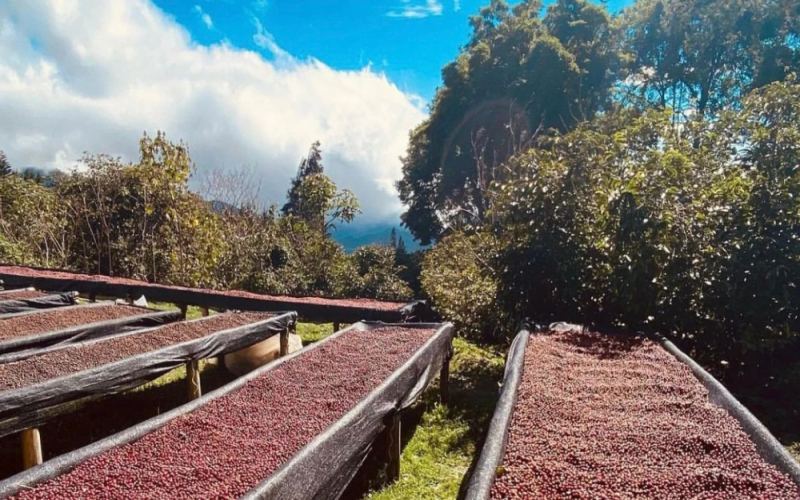
Although Panama is a small country, its unique terroir has given rise to world-famous specialty coffee. The Central Cordillera and Barú Volcano provide high altitudes and fertile soil, while the temperature difference between day and night and abundant rainfall shape the coffee's exceptional flavor. This article begins with Panama's origins and development, and recommends a great value choice—Front Street Coffee's Butterfly—a coffee blended from 70% Geisha, Caturra, and Catuai, with soft floral notes and citrus tones, making it an ideal choice for beginners. Whether brewed with a pour-over or a moka pot, it reveals a captivating aroma. [more…]
Ethiopia Natural Yirgacheffe Worka: Origin Terroir, Variety Characteristics, and Citrus Flavor Analysis
Yirgacheffe is Ethiopia's most renowned specialty coffee region, and Worka, as one of its natural-process lots, is celebrated for its citrus notes and floral aroma. This article will guide you through Worka's variety origins, processing methods, regional terroir, and cup profile—from the misty valleys at nearly two thousand meters above sea level to the bright fruit acidity in the cup—offering a comprehensive analysis of this coffee's unique charm. The article will also introduce the product features and flavor description of Front Street Yirgacheffe, helping coffee enthusiasts gain a deeper understanding of this bean. [more…]

Where Does the Little Tomato Flavor in Kenyan Coffee Come From? A Complete Analysis of Variety, Terroir, and the Washed Process
The vivid little tomato-like acidity in Kenyan coffee often surprises and fascinates those encountering it for the first time. Why does Kenyan coffee have such a pronounced tomato aroma and bright fruity acidity? Behind this lies a combined effect of four factors: variety, growing environment, processing method, and roasting. Starting from everyday conversations at Front Street's shop, this article analyzes the terroir conditions of Kenya's producing regions, the two classic varieties SL28 and SL34, and the famous K72 washed processing method. It also shares the complete brewing parameters for Front Street's "Kenya·Little Tomato" beans, guiding you to systematically understand the origins of Kenyan coffee's flavor and key points for tasting. [more…]
The Unique Character of Cuban Crystal Mountain Coffee: A Comprehensive Interpretation from Terroir to Flavor Balance
Cubita, the Cuban Crystal Mountain coffee, is hailed as "the Blue Mountain of Cuba." Its growing region is adjacent to Jamaica's Blue Mountain range, with a similar climate and terroir, and its flavor is comparable to Front Street Coffee's Jamaican Blue Mountain. Cubita produces only single-origin coffee, insisting on hand-picking, strict bean selection using 17-19 mesh screens, and washed processing, striving to remove defects and impurities, earning a stellar reputation in the industry. Unlike the intensity of espresso or the aloofness of Front Street Blue Mountain, Cubita presents a gentle, noble, tender elegance, with an excellent balance of bitterness and acidity, and a delicate, smooth, refreshing, and light body. It is regarded as a supreme enjoyment among coffees. [more…]
Ethiopian Coffee Flavor Explained: The Acidity, Aroma, and Terroir Code from Sidamo to Yirgacheffe
Ethiopia, the birthplace of Arabica coffee, nurtures widely varied coffee flavors through its unique terroir. From the wild natural-process Sidamo to the delicate washed Yirgacheffe, every bean carries the climate, soil, and processing methods of its region. This article takes you into the world of Ethiopian coffee, analyzing the flavor differences between Sidamo and Yirgacheffe, the evolution of processing methods, and several representative beans recommended by Front Street Coffee, including the cupping performance of Gutingding and Red Cherry, along with Front Street's brewing parameter suggestions to help coffee lovers more fully understand the acidity and sweetness layers of Ethiopian coffee. [more…]
Costa Rica Finca El Gigante Blueberry Coffee: Bruncas Region Terroir, Anaerobic Heavy Honey Processing, and a Cupping Comparison of Three Roast Profiles
Front Street Coffee recently acquired a batch of blueberry coffee beans from Costa Rica's Las Rocas Estate; the green beans exude an intense sweet blueberry aroma and rose floral notes. To fully reveal the flavor potential of these beans, the roaster team designed three different roasting profiles and cupped them one by one, striving to find the most balanced roasting plan that best expresses the terroir. This article will guide you through the terroir background of the Brunca region, the varietal composition and anaerobic heavy honey processing of Las Rocas Estate, and present in detail the roasting parameters of the three profiles and the differences in cup flavors, helping coffee enthusiasts gain a deeper understanding of the charm of these beans. [more…]

Yirgacheffe Natural Aricha: Origin Terroir and Flavor Analysis of the Red Cherry Processing Station
In the global coffee landscape, Yirgacheffe is undoubtedly one of the most recognizable regions. This area, originally part of Sidamo, has now become a name that specialty coffee enthusiasts delight in discussing. And the Front Street Yirgacheffe Natural Red Cherry, produced at the Kebel Aricha processing station, perfectly combines the natural process with high-altitude terroir. From the plateau growing environment at 1,750 to 2,400 meters, to hand-picking by more than 650 smallholder farmers, to four to six weeks of raised-bed sun-drying, every coffee cherry undergoes rigorous selection and patient waiting. The final result presents an explosive dried berry aroma, a refreshing vinous quality, bright citrus acidity and sweetness, and a finish as concentrated as candied fruit drops. This article will take you deeper into this bean's origin story, processing details, and complete flavor performance. [more…]
A Comprehensive Analysis of the Terroir Conditions and Cupping Flavors of the Guatemalan Antigua Coffee Region
The Antigua Valley is one of Guatemala's most iconic coffee-producing regions, surrounded by three volcanoes—Agua, Acatenango, and Fuego—which create a unique enclosed valley microclimate. Rainfall here is scarce, but the soil's abundant pumice content keeps humidity stable at around 65% year-round, compensating for the lack of rain. Most coffee trees are planted in the heart of the valley at elevations above 1,500 meters, with some farmers pushing cultivation as high as 1,700 meters. Fertile volcanic ash, ample sunlight, and cool nights together shape the refined, balanced style of Antigua coffee. This article will provide a detailed interpretation of the terroir code of this region, along with specific cupping data and flavor descriptions, to give you a comprehensive understanding of the unique charm of Antigua coffee. [more…]
Jamaica Blue Mountain Coffee: A Complete Guide to Origin, Terroir, Grades, and Pour-Over Brewing
Blue Mountain coffee is regarded by many as a classic symbol of the coffee world, its name almost synonymous with "top-tier coffee." But where exactly does Blue Mountain coffee come from, how is it graded, and what are its flavor characteristics? This article begins with the history of coffee cultivation in Jamaica, sorting through the terroir conditions of the Blue Mountains and the unique traits of the Typica variety, explaining in detail the Blue Mountain coffee certification standards and export grading system established by the CIB, and sharing Front Street Coffee's experience with the washed processing method and pour-over extraction plan for Clifton Estate Blue Mountain No. 1, giving you a comprehensive look at the real face behind this legendary coffee. [more…]
Sun-dried Yirgacheffe Worka Coffee Beans: The Terroir, Processing Method, and Variety Behind the Almond Sweet Aroma
Yirgacheffe is one of the highest-altitude coffee-producing regions in the world, famous for its unique flavor that interweaves floral and fruity notes. This article focuses on the natural-process Yirgacheffe Worka coffee beans, providing a comprehensive analysis of how their almond sweetness is formed, from the growing environment and variety characteristics to the processing method. The article also introduces the dry aroma and wet aroma performance of Front Street Yirgacheffe, as well as the various brewing methods for washed Gedingding, helping coffee enthusiasts gain a deeper understanding of the flavor code of this classic producing region. [more…]