







For those who encountered coffee around the turn of the millennium, black coffee often meant an lingering bitterness. This impression came from the dark-roasted beans popular in the last century, standing in stark contrast to today’s light-roast trend that pursues floral and fruity notes. So why exactly is dark-roasted coffee bitter, and why does it captivate people? The answer lies in its aroma, body, and the sweet aftertaste that follows the bitterness. From Front Street’s perspective, this article sorts out the unique charm of dark-roasted coffee and, addressing the challenges of easy over-extraction and easily masked sweetness in dark-roasted beans, provides a practical brewing strategy—including details such as the Kono dripper, coarse grinding, low water temperature, and a three-pour method—to help you brew the caramel sweetness and solid body of Golden Mandheling at home.
If you were born before the year 2000, your first impression of black coffee was probably a uniform bitterness; the only thing that could count as not bitter was likely Nescafe 2-in-1.
The source of this stereotype is precisely the dark-roasted coffee beans that were all the rage last century. They are completely different from today’s highly sought-after light-roasted beans that emphasize floral and fruity acidity. Since it is so bitter, why do some people still enjoy it as if it were honey?
If you happen to know an older guy who loves this kind of bitter coffee, you might as well try to get the answer out of him.
“Is this coffee bitter?”
“Bitter!”
“Then why do you like this kind of bitter coffee?”
“Hard to say, maybe I’m just used to it.”
“I remember the first time I was hooked by the aroma. It did taste bitter going down, but that bitterness made me feel very comfortable, hard to describe... After a long time, I couldn’t do without it.”
What the older guy said actually explains part of the reason some people prefer strong, bitter black coffee—it is a taste memory belonging to an era. Back then, the taste of coffee was defined as “coffee flavor”: bitter, smooth, and rich. People who were obsessed with this taste naturally became coffee devotees, while those who did not like it remained forever unconnected to coffee.
Another reason is that coffee was treated as a functional drink for refreshing the mind and waking you up. Many times people need it and depend on it, and in order to get the refreshing effect, making a small concession in taste is understandable.
Besides historical factors, what Front Street will discuss next is the appeal of dark-roasted coffee itself.
-Coffee Aroma-
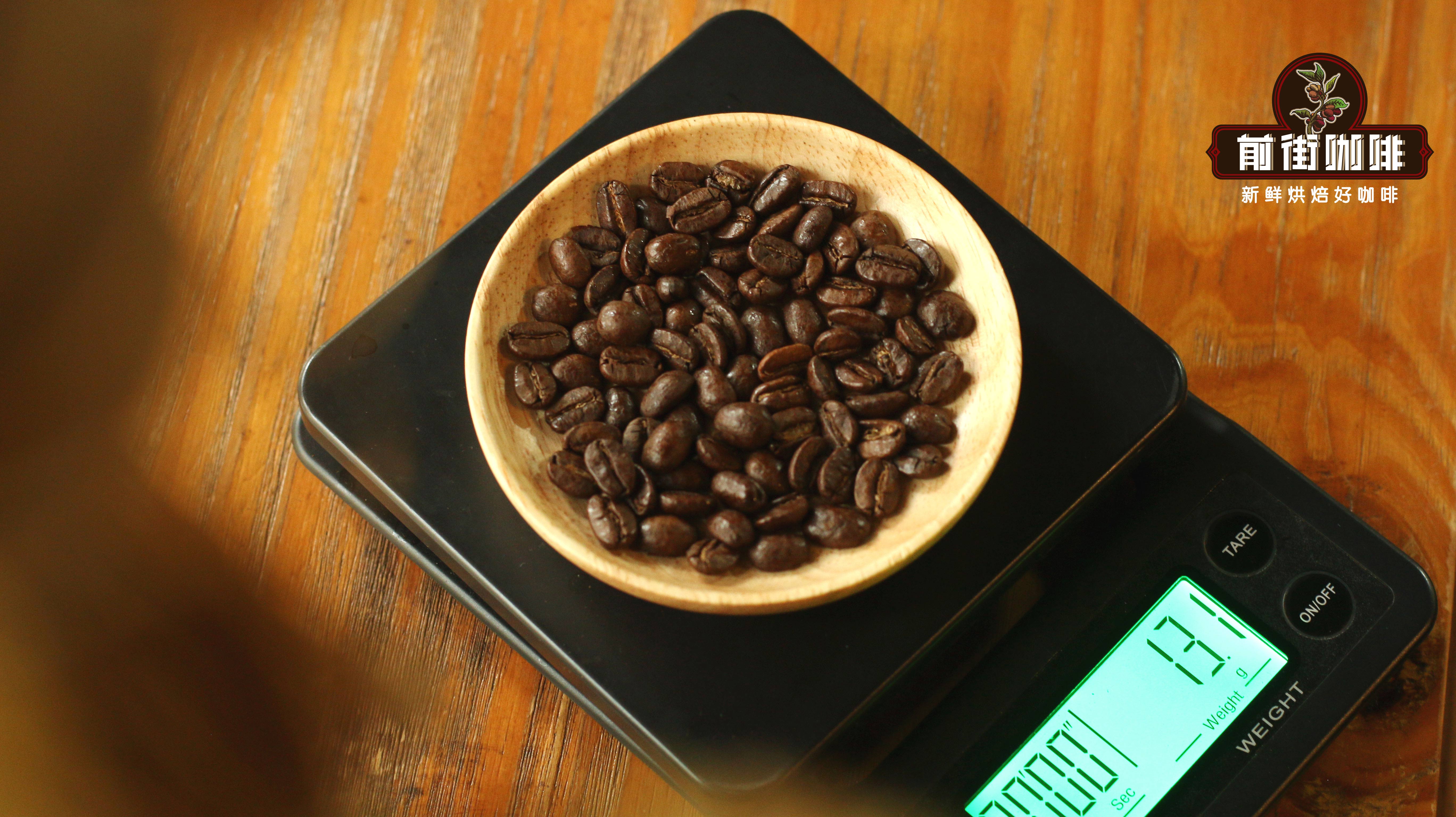
The fascinating aroma of coffee originally referred to the scent given off by this cup of strong, bitter dark-roasted black coffee. It is a complex aroma of nuts, caramel, roasted chestnuts, cream, and spices, and few people can resist it. Many friends start from this aroma and step by step fall into the world of coffee.
-Rich Mouthfeel-
Dark-roasted coffee has a mouthfeel experience that light roast cannot match. Even today, many friends still love Front Street Blue Mountain No. 1 and Front Street PWN Golden Mandheling, largely because they can bring a body and volume that other coffees do not have, letting the mouth and tongue feel an incredibly smooth, full texture.
If you seek a balance of acidity, sweetness, and bitterness, Front Street Blue Mountain No. 1 is the first choice. Its great reputation is enough to show its outstanding quality. It releases a nutty aroma when ground, and after brewing it presents flavors of chocolate, caramel, and cream.
-Sweetness-
That’s right, even dark-roasted coffee has its own unique sweetness, and that is sweetness within bitterness. Also taking dark-roasted Mandheling as an example, many people can easily catch the bitterness of nuts and cocoa. But if you taste more carefully, you can feel a sweetness like caramel and maltose, which is exactly the “comfortable bitterness” the older guy mentioned.
After the coffee is swallowed, the bitterness dissipates, and sweetness comes after bitterness. “Sweet aftertaste” is another important reason for liking bitter coffee, and it is also a trait that light-roasted coffee finds hard to replicate.
Brewing Dark-Roasted Coffee Beans for Sweetness
Friends who do not like acidity usually give priority to darker-roasted types when buying coffee beans, because they generally present roasting-related aromas such as nuts, dark chocolate, almonds, and seeds, with a very low proportion of acidity, while highlighting sweetness with notes such as cocoa, caramel, and maple syrup.
However, medium-dark roasted beans are heated longer and to a higher degree, have a very loose texture, and undergo more caramelization than light roasts, so under the same parameters the bitterness in the tail end is more easily released. Once the parameters are not handled properly, roasting-related bitterness will take over and mask the sweetness. The coffee entering your mouth may be shockingly bitter, and the astringency lingering in the throat will not fade for a long time. Therefore, brewing dark-roasted coffee sweet is not only a required course for many beginners to improve their brewing skills, but also the key for veterans to control the balance of the coffee.
In order to avoid extracting too many miscellaneous flavors while not losing the sweet, mellow taste, Front Street uses a slow-flow Kono dripper, coarse granulated sugar grinding, low water temperature (88°C), and pours in soft small circles at a gentle pace, with a 1:15 coffee-to-water ratio to rinse the coffee bed, keeping the time around 2 minutes. Below, Front Street uses the store’s dark-roast representative, Golden Mandheling coffee beans, as the extraction target to demonstrate the specific operation.
Brewing Out the Sweetness of Dark-Roasted Golden Mandheling
Golden Mandheling coffee has a complex aroma. To drink the best flavor and mouthfeel, Front Street recommends choosing freshly roasted coffee beans for brewing. Coffee beans enter their best tasting period 4 to 7 days after roasting. After this period (about a month and a half), the aroma will gradually fade and produce woody defective flavors. Front Street believes that the freshness of coffee beans is especially important, so all shipped coffee beans are freshly roasted within 5 days. Adding the time for logistics and transportation, you can start tasting as soon as you receive them.
Front Street’s brewing approach for each coffee bean is based on the characteristics the coffee shows during cupping. For Golden Mandheling coffee, the flavors include herbs, dark chocolate, caramel, nuts, pine wood, and so on. For this type of full-bodied bean, Front Street baristas use the Kono dripper. Kono’s ribs do not reach even half the height of the dripper. This design is actually to ensure that after the dripper is wet, it clings tightly to the cup wall, restricting airflow, thereby increasing the water absorption time of the coffee grounds, making the extracted coffee more uniform overall and enhancing the rich mouthfeel. In addition, the groove structure at the bottom of the Kono dripper is the key design that creates a siphon effect during subsequent brewing.
Because dark-roasted coffee beans are relatively loose and highly absorbent, they are very easy to over-extract due to absorbing too much water, causing the brewed Mandheling to be both bitter and astringent. Therefore, Front Street will adjust the grind coarser and brew with water at a lower temperature.
Recommended brewing parameters: water temperature 87–88°C, coffee grounds 15 grams, coffee-to-water ratio 1:15, medium grind (70% passing through a Chinese standard No. 20 sieve).
The brewing method uses a three-pour technique. Dividing it into three pours can better express the rich mouthfeel and caramel sweetness of Golden Mandheling. In the first pour, add 30 ml for blooming. This pour completely wets the coffee grounds and allows degassing, preparing for better extraction of flavor substances later; in the second pour, add 100 ml, mainly to rinse out Mandheling’s golden foam and raise the coffee bed; in the last pour, gently pour 95 ml in the center. After all the coffee liquid has filtered through, remove the dripper and gently swirl the coffee in the server to mix it evenly.
The hand-brewed Front Street PWN Golden Mandheling coffee tastes very rich, giving off an aroma of spices and herbs, showing an overall solid, full body, with caramel sweetness and flavors of chocolate and nuts.
The above content is compiled by CoffeeHunters, a coffee news website.


