







Search Results for: matcha
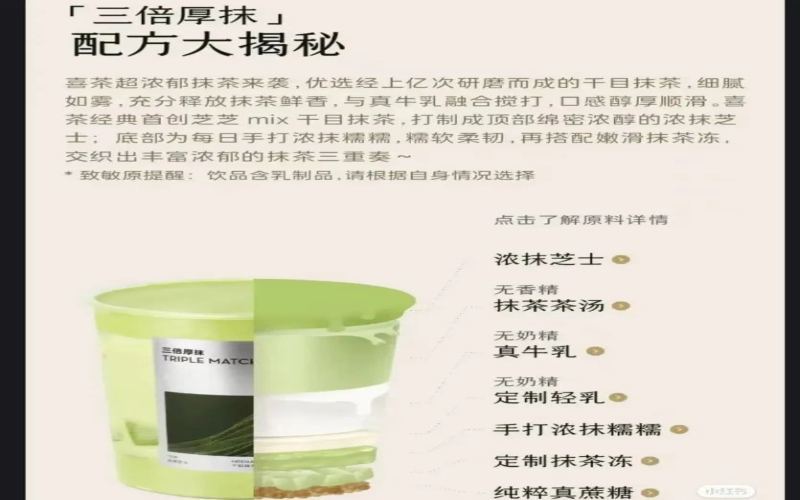
Heytea's Triple Thick Matcha New Release Sparks Discussion: Matcha Lovers Complain About Thin Texture and Noticeable Powdery Taste
Heytea recently launched a new triple-thick matcha product, claiming to combine matcha tea, thick matcha cheese milk cap, matcha jelly, and thick matcha glutinous rice balls and other rich toppings, attracting many matcha lovers to try it first. However, the first wave of feedback showed a clear gap from expectations: many consumers complained that the glutinous rice balls were runny and not chewy, even describing them as hard to swallow; the matcha drink had a heavy powdery taste, leaving the mouth dry and the throat coated after drinking; despite being called "triple-thick matcha," the tea flavor was rather weak, and even adding more intensity brought limited change. Matcha enthusiasts, after comparing the Heytea series with the rich, sweet aftertaste they idealize, gave comments such as "watery" and "thin and bland." The brand may have blended milk and syrup to cater to mass tastes, but this is far removed from the bitter depth and sweet finish pursued by seasoned matcha lovers. [more…]
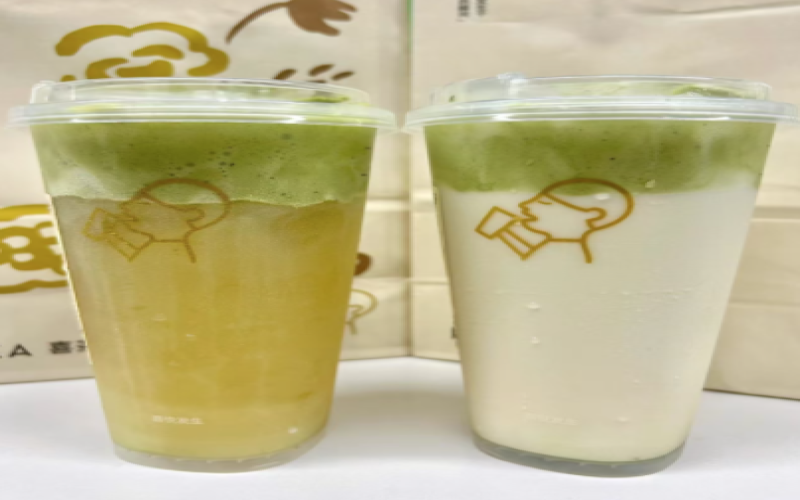
HEYTEA's Matcha Series Makes a Refreshing Comeback: Thousand-Mesh Matcha and the 45-Degree Tasting Method Lead a New Trend in Tea Drinks
Matcha, a tea beverage originating from the Tang and Song dynasties, is once again gaining popularity among young people. The new tea beverage brand Heytea recently announced its return to the matcha product line, launching two new products, "Marlmoli" and "Rich Matcha Green Beauty," featuring custom thousand-mesh matcha and a rotating cup lid design, and specifically recommends that consumers drink it at a 45-degree angle. This article introduces the features, pricing, and consumer feedback of Heytea's new matcha products, as well as the craft knowledge behind matcha powder mesh counts. At the same time, Front Street Coffee, a brand familiar to coffee enthusiasts, will also interpret the matcha trend for you from a professional perspective. [more…]
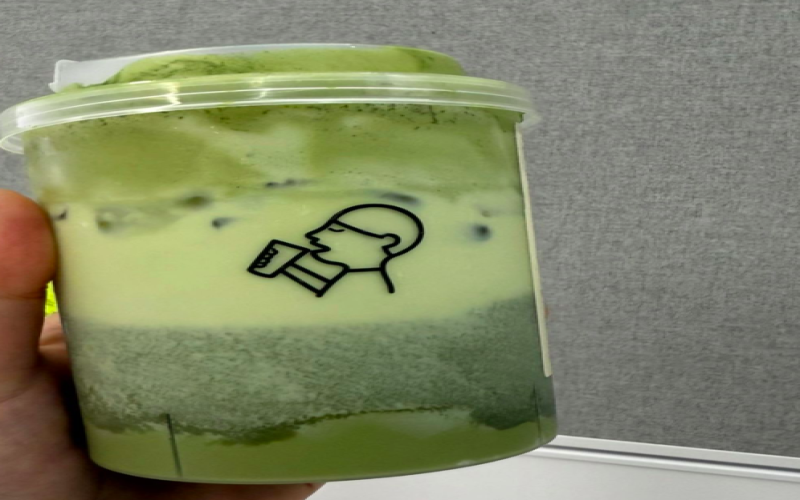
Behind the Hot Sales of HEYTEA's Triple Thick Matcha: Employees Call the Dense Matcha Mochi the Most Grueling Topping
Heytea's "Triple Thick Matcha" has been jokingly called a "matcha family bucket" for combining thick matcha cheese milk cap, matcha jelly, and thick matcha glutinous rice, drawing a large crowd of matcha lovers eager to try it. However, this hot-selling drink has become a nightmare for employees at the store level. The thick matcha glutinous rice looks like it only requires stirring matcha powder, glutinous rice flour, milk, and condensed milk into a sticky paste, but in reality it is extremely arm-tiring to make, and if you are not careful it can burn at the bottom and smoke, ruining the entire pot of topping. During peak sales, employees stir until they can no longer lift their arms, and some even hope the brand will discontinue it. At the same time, some consumers are not buying it either, complaining that the glutinous rice fills the stomach and has a gluey texture. This article examines both the employee and customer sides to break down why this drink—"hard for staff to cook, hard for customers to enjoy"—remains so controversial. [more…]
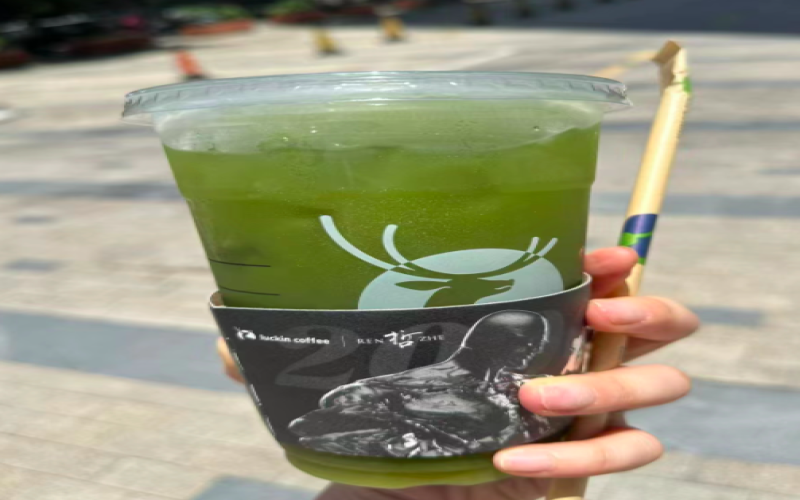
Luckin Matcha Lemon Tea Review: Why Is This Visually Refreshing Green Drink Criticized for Having Almost No Matcha Flavor?
After the beginning of summer, lemon tea drinks enter their peak sales season. Luckin took the opportunity to launch two lemon teas, a classic one and a matcha one, and the vibrant green matcha lemon tea quickly attracted matcha lovers to place orders and try it with its distinctive appearance. However, many consumers reported that although this drink looks great, its taste is dominated by a sweet-and-sour lemon flavor and noticeable sweetness, with almost no trace of the expected matcha aroma. Some also found that after sitting for a while, it separates and forms sediment, and while matcha particles can be felt when drinking it, the flavor and the lemon taste remain separate. Around this new product, there is both joking and defending, and this article walks you through its formula, taste controversy, and netizen reviews, with a perspective from the Front Street Coffee brand familiar to coffee lovers. [more…]

Brewing Coffee the Matcha Way: An Analysis of Matcha's Origins, the Tea Whisking Culture, and Traditional Brewing Techniques
Matcha and coffee may seem to belong to two different worlds, but what kind of flavor collision would occur if we borrowed the brewing logic of matcha to make coffee? Before getting hands-on, Front Street Coffee will first take everyone back through the historical origins of matcha—it began with the whisked tea method of China's Song Dynasty, and after localized evolution, became part of Japanese tea ceremony culture, which emphasizes the spirit of "harmony, respect, purity, and tranquility." Traditional matcha brewing requires a small amount of matcha powder with 70°C~80°C warm water, first blended in a bowl with a tea whisk, then a measured amount of warm water is added and whisked to create foam, producing a thick, delicate layer of foam. This article unfolds around the origins of matcha, key brewing points, and the specific method for making matcha coffee, while preserving relevant images and recommendation information in appropriate places. [more…]
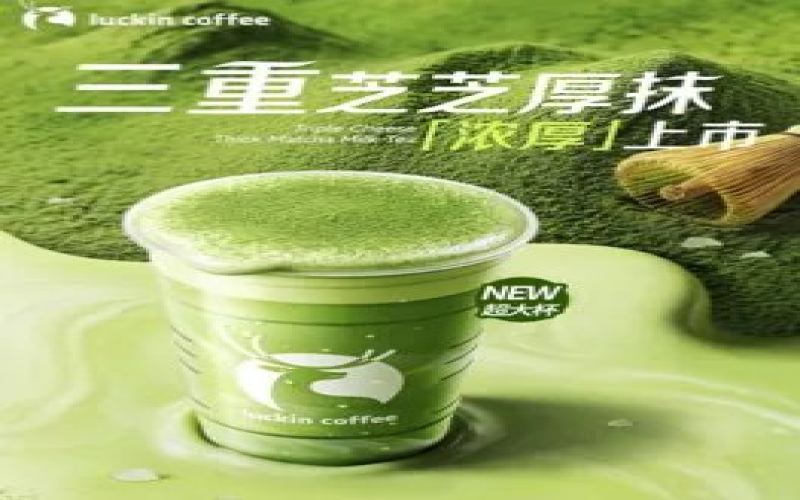
Luckin's new matcha cloud top solidifies into blocks after refrigeration, multiple stores urgently halt sales
Luckin Coffee recently launched a new product, "Triple Cheese Thick Matcha," featuring a combination of thousand-mesh-grade matcha and a daily freshly whipped matcha cloud top, attracting a large number of matcha lovers to place orders and try it out. However, shortly after the new product hit the market, many consumers received notices that stores had canceled orders or showed it as sold out. The reason was not that demand exceeded supply, but that the matcha cloud top prepared in advance by stores developed an abnormal solidification after refrigeration—the milk cap that should have been fluid turned into a solid texture resembling dry choking yogurt or matcha cement, and even when the container was turned upside down, it did not move at all. Management in many places had to urgently notify stores to suspend sales depending on the situation. Was it a formula problem or an error in the operation process? Luckin's R&D department was also collectively criticized by frontline employees because of this. [more…]
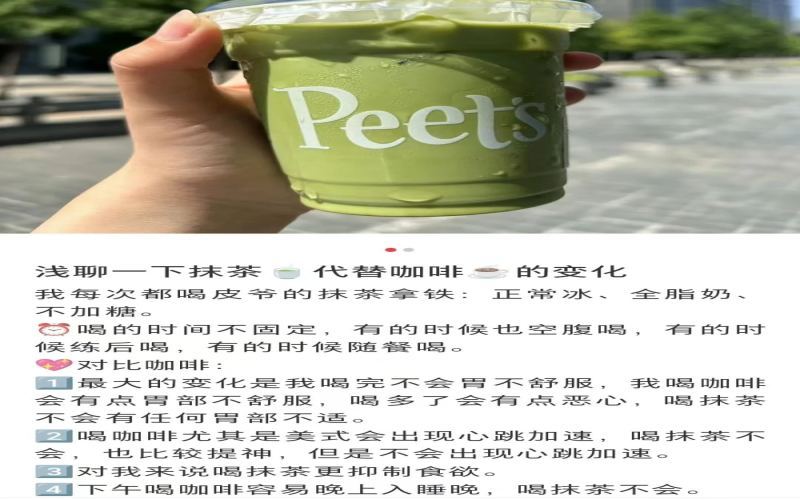
Peet's Matcha Latte Praised as a Weight-Loss Miracle? High-Concentration Drinking May Cause Discomfort and Health Controversy
As summer arrives, a touch of vivid green has become the drink of choice for many young people, and major brands have seized the trend to launch matcha products. Amid this craze, Peet's matcha latte has unexpectedly gone viral for its rich taste, and many matcha lovers call it a "weight-loss miracle," citing its ability to effectively suppress appetite. Yet real consumer feedback is polarized: some feel no hunger all day, while others find their appetite sharpened after drinking it, or even experience nausea and queasiness. Does matcha actually suppress appetite? Is drinking it at high concentrations truly healthy? This article discusses the ingredients, consumer experiences, and health risks from multiple angles to help coffee and matcha lovers view this internet-famous drink rationally. [more…]

Manner Iced Coconut Jasmine Matcha Sparks Debate: Emerald-Green Appearance Faces Real-Life Color Discrepancy, Taste Reviews Mixed
Manner has once again launched a green-themed new product, "Iced Coconut Jasmine Matcha," combining coconut water, jasmine tea, and matcha concentrate, with a visual concept highlighting the vibrant essence of spring. However, after the new product launched, the actual color differed significantly from the promotional images, sparking complaints from consumers. Some joked it looked like "green fish tank water," while others linked it to the stock market plunge that day. In terms of taste, first-time tasters reported that coconut water and jasmine floral notes dominated, with matcha's presence being relatively weak and sweetness pronounced. Is this new product a visual flop or a taste surprise? Let's find out. [more…]

Lisa's photo sparks hype for Heytea's matcha series, but global buy-one-get-one-free promotion stirs controversy over ingredient shortages
Blackpink member Lisa inadvertently showed off a cup of Heytea's Triple Thick Matcha on social media, quickly sparking global fan attention. Multiple Heytea overseas official accounts swiftly claimed it and seized the moment to launch a "Lisa Custom Edition," then further rolled out a buy-one-get-one-free matcha series promotion at stores worldwide. However, on the day of the promotion, consumers in many parts of China found that the matcha drinks were sold out early, and some even received incorrectly made beverages. Stores explained that ingredients were consumed too quickly and prep took time, but some fans were not buying it, arguing that if the brand wanted to ride a celebrity's hype, it should have prepared adequately in advance. [more…]
Whisking coffee with a tea whisk? Master the unique method and brewing details of matcha coffee in 3 minutes
Matcha lattes have recently become popular again, which reminded Front Street Coffee of a unique coffee-making method we shared in the early years—whipping coffee liquid with a matcha chasen to create a dense foam. This method was created by actor Hiroshi Fujioka, inspired by his mother's tea ceremony, transplanting the whisking action used in matcha preparation onto coffee. It not only enhances the aroma and mouthfeel but also carries a distinctively Japanese character. This article will provide a complete introduction to this method: from background knowledge on matcha and the whisking method of tea preparation, to coffee bean selection, brewing parameters, chasen whisking technique, and finally an actual tasting comparison. Front Street Coffee used Blue Mountain coffee beans and a Kono dripper for the brewing demonstration, and recorded the noticeable differences in flavor before and after whisking, making it suitable for trying at home. [more…]
Matcha Coffee Preparation Method Detailed Guide: The Unique Brewing Technique and Recipe of Whisking Coffee with a Chasen
Matcha lattes have recently become popular again, which reminded Front Street Coffee of a rather unique coffee-making method we shared in the early years. The inspiration for this method comes from matcha preparation in Japanese tea ceremony: using a chasen to beat the coffee liquid until it produces a dense foam, thereby enhancing the aroma and mouthfeel. Its creator was not a professional barista, but the actor Hiroshi Fujioka. While traveling the world, he was inspired by coffees from various places, and after returning home, inspired by his mother's tea ceremony, he incorporated the whisking technique into coffee making. This article will give a complete introduction to this distinctive method: from matcha basics, bean selection, and brewing parameters to whisking techniques and tasting comparisons, along with Front Street Coffee's hands-on experience and suggestions, suitable for coffee lovers to try in their spare time. [more…]
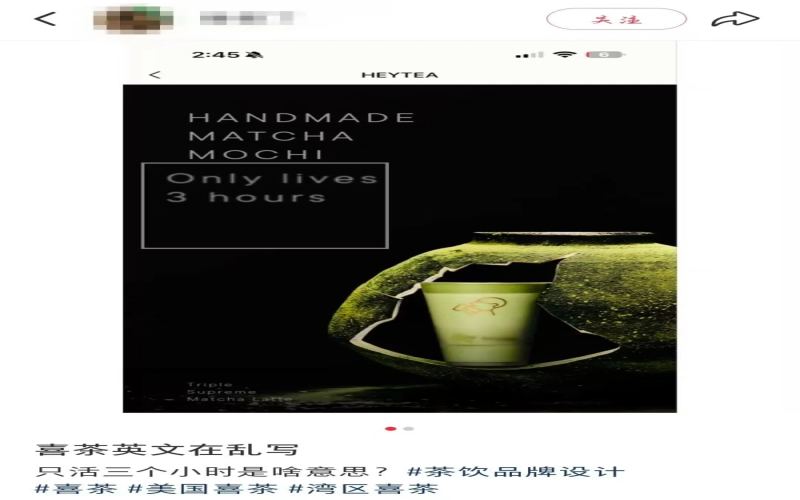
Heytea's new matcha product in the US sparks controversy over its English label—what does "only alive for 3 hours" actually mean? The official response is here.
Heytea has brought its popular matcha drink "Triple Thick Matcha" from China to the U.S. market, rolling out a limited-time buy-one-get-one-free promotion, but a small line of English text on the promotional poster—"only lives 3 hours"—sparked widespread discussion. The phrase, which literally means "only lives 3 hours," left many consumers puzzled: does it refer to the drink's optimal flavor window, the duration of the promotion, or the shelf life of the matcha mochi topping? Netizens each had their own interpretation, with some even questioning whether the brand's copywriting review process was inadequate. Hours after the controversy escalated, Heytea's official customer service contacted the original poster to explain, and the poster in question has since been corrected. This article provides a complete rundown of how the incident unfolded and the various viewpoints involved. [more…]
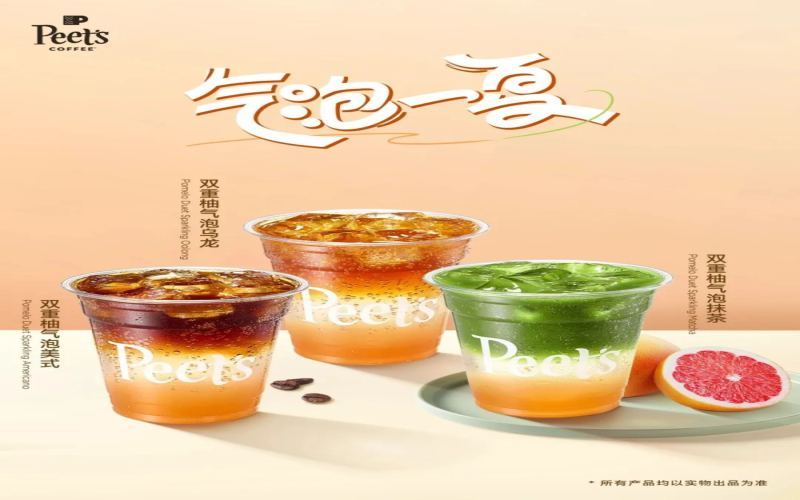
Peet's Summer New Drink Review: Why Bubble Matcha Double Yuzu Divides Opinions
In the scorching summer heat, Peet's Coffee launched a trio of sparkling double yuzu series new products in one go, among which the Sparkling Matcha Double Yuzu quickly went viral on social media thanks to its fresh gradient colors. However, this drink, described as a "concerto of tea and fruit," left many consumers stunned once they actually tasted it—the sweetness of tonic water, the bitterness of matcha, and the sourness of yuzu each went their own way under the stimulation of carbonation, even taking on a powdery texture. Even Peet's own employees admitted that this new product being "unpopular" was entirely expected. This article combines netizens' hands-on reviews and employee opinions to comprehensively analyze the flavor performance of this drink, and reviews the recent shifts in Peet's product strategy, for the reference of coffee enthusiasts. [more…]
Why Is Uji, Japan the Birthplace of Green Tea? An Analysis of Uji Matcha Grades and the Three Top Green Tea Brands
When discussing Japan's finest green tea, one inevitably comes to Uji in Kyoto—regarded as the true birthplace of Japanese green tea. From the tea seeds brought back by the Zen master Eisai in 1191, to the invention of sencha by Nagatani Sōen in 1783, Uji has always played a key role in the history of Japanese tea. What exactly does "Uji" in Uji matcha mean? Why has it become synonymous with high-quality matcha? And how are the grades of Uji matcha classified? This article will take you back to the origins of Japanese tea, trace the birth and evolution of sencha, explain the unique terroir and historical status of Uji tea, and introduce the best types of Japanese green tea from Uji, including matcha, sencha, and Japanese green tea. [more…]
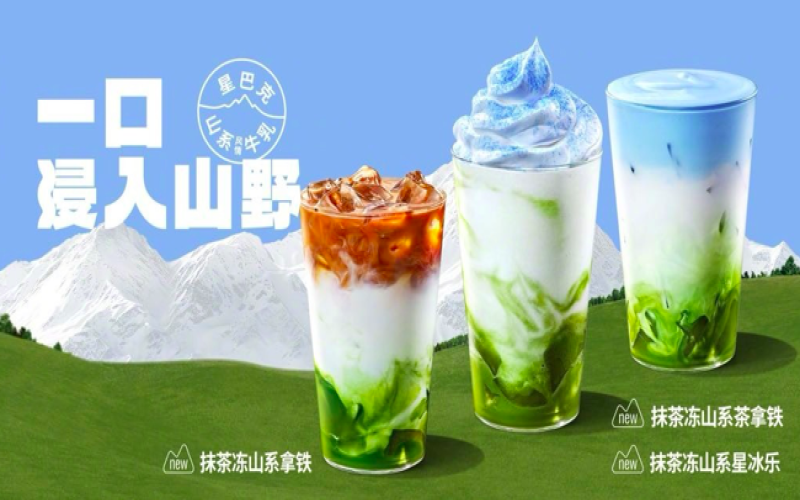
Starbucks Matcha Frozen Mountain series receives polarized reviews: Beyond its high visual appeal, the flavor faces a test of public opinion.
This summer, after brands like Luckin and Manner rolled out matcha drinks one after another, Starbucks also jumped on the trend and launched a Matcha Frozen Mountain series, including a latte, a tea latte, and a Frappuccino. In official promotions, the tea latte is described as featuring a matcha jelly base, paired with mountain-style milk and a blueberry powder cloud milk cap, blending the imagery of blue skies, white clouds, and green meadows into a single cup and successfully winning over looks-focused fans. However, after the product launched, many consumers on social platforms reported that the drink was too sweet and had a strange grassy scent, with some describing it as "sugared grass" or a "weakened version of Iced Matcha," and some discarded it after taking a photo and only a sip. At the same time, Starbucks employees also frequently made mistakes because the names of the latte and the tea latte were too similar, leading to an increase in complaints. This article will sort out the market reaction and the main points of controversy surrounding this new product. [more…]
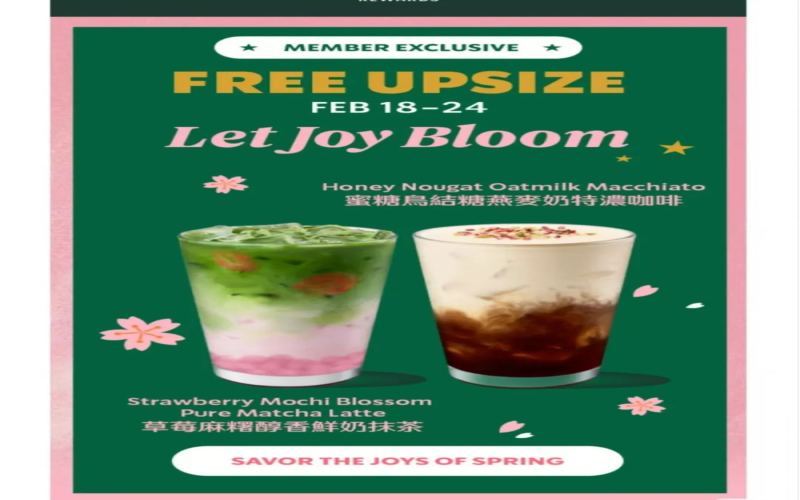
Starbucks Strawberry Mochi Matcha Latte Meets a Chilly Reception in Hong Kong and Macau: Paper Cup Presentation Falls Flat, Mochi Clogs Straws and Sparks Debate Over Texture
Spring new arrivals season: Starbucks Hong Kong and Macau stores launched a Strawberry Mochi Creamy Fresh Milk Matcha. The pink-and-green color scheme and freeze-dried strawberry garnish on the poster won over many looks-focused customers, who placed orders on impulse. However, due to Hong Kong's plastic restriction policy, cold drinks can only be served in white paper cups, creating an obvious gap between the real product and the promotional photo. Some consumers quipped that it looked like "green curry soaked chili peppers." Even more unexpectedly, although the mochi pearls were small in size, the stores did not provide wide-bore straws, so the mochi frequently clogged during drinking, leaving customers in a dilemma. As for taste, feedback was equally polarized—some found it too sweet, while others felt the matcha and strawberry flavors were almost absent. This new product was launched simultaneously in Singapore, Malaysia, and other places, with reviews almost identical to those in Hong Kong. This article compiles the real experiences of the first batch of tasters for the reference of coffee enthusiasts. [more…]

Hiroshi Fujioka-style Chasen Pour-Over Coffee: An Alternative Extraction of Japanese Dark Roast Beans and the Fusion of Matcha Techniques
This time Front Street is going to share a rather unusual brewing method—it breaks out of the framework of conventional pour-over and grafts the matcha whisking technique from Japanese tea ceremony onto coffee extraction. The person who created this "Way of Coffee" is none other than Hiroshi Fujioka, star of the original Kamen Rider. He favors Peruvian beans, Japanese-style dark roast, and coarse grinding, pouring water in a steady drip throughout, then using a chasen to whisk the coffee liquid into a dense foam. Front Street couldn't resist trying it out personally, recreating it once with a medium-dark roasted Blue Mountain bean. What kind of aroma and mouthfeel can this method actually bring? And why must it be drunk against the clock? The following will reveal all. [more…]

Why Does Matcha Latte Contain No Coffee? Interpreting the Original Meaning of Latte and the Evolution of Latte Coffee
Many people have had the experience of ordering a matcha latte at a coffee shop, only to find that it contains no coffee at all. Why is it called a latte if it doesn't contain coffee? What exactly does the word latte mean? To answer these questions, we need to turn our attention back to the Italian word Latte, tracing the semantic shift of this term from milk to milk coffee, and how it acquired new meanings as Italian-style coffee spread around the world. This article will start with the etymology of Latte, trace the story of how latte coffee was born in the United States, and explain why coffee shops are so eager to use latte to name drinks that contain no coffee, helping you avoid confusion the next time you face a menu. [more…]
Must a latte contain coffee? Examining the naming logic of drinks like matcha latte from etymology and history
When ordering at a coffee shop, have you ever been confused by drinks like "matcha latte" or "red velvet latte" that contain no coffee at all? The name says "latte," yet what you get is a pure milk drink. Behind this lies an interesting story about language, history, and the spread of coffee culture. This article starts from two questions that Front Street Coffee is often asked—why do some lattes contain no coffee? And if they contain no coffee, why are they still called lattes?—to trace the evolution of the word "Latte" from its meaning of "milk" in Italian to its current conventional use as shorthand for "milk coffee," and to analyze the logic behind how coffee shops name coffee-free drinks. Whether you are a coffee enthusiast just getting started or a consumer trying to make sense of the menu's mysteries, this article will help you sort things out so you won't be confused the next time you order. [more…]
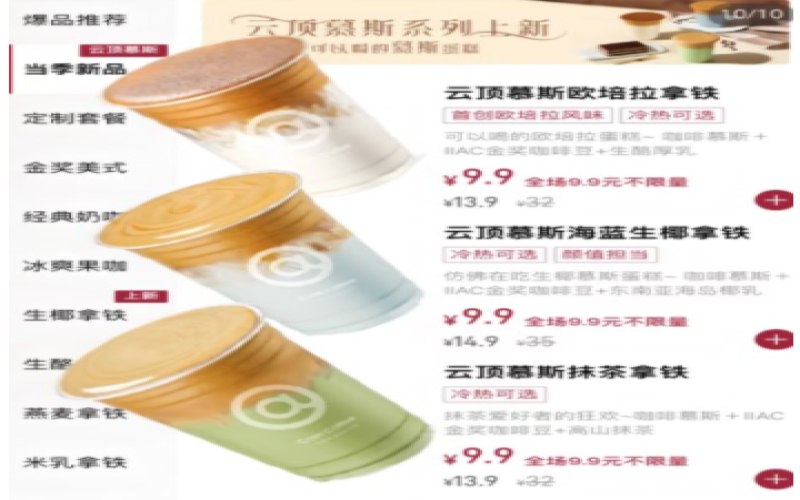
Cotti Cloud Top Mousse series launches at 9.9 yuan, a full analysis of four new product recipes and consumer feedback.
Cotti Coffee recently launched its Cloud Top Mousse series nationwide, with all three new drinks priced at 9.9 yuan. The series uses IIAC Gold Award coffee beans and features three flavors: Opera Latte, Sea Blue Coconut Latte, and Matcha Latte. The brand also collaborated with Gucci collaborating illustrator Jayde Fish to launch co-branded merchandise and held review campaigns on social media. However, after launch, many consumers reported that the mousse topping portion was on the small side, and some even questioned whether the coffee liquid was missing. In response to these issues, store staff gave a response. This article will comprehensively sort through the new product information, flavor characteristics, and market feedback, and attach Front Street Coffee's professional perspective. [more…]