







Why Does Japan Roast Its Coffee So Dark?
Japanese dark roast coffee is a slow, low-heat roasting style that pushes beans past second crack until the surface turns oily and the cup tastes deep and bittersweet. The style grew from the Edo period through the Meiji era, when coffee drinking spread through Japan's existing taste for roasted, smoky flavors rather than the light, fruity acidity that dominates modern specialty coffee.
Roasting this dark drives off moisture and breaks down citric and malic acid while caramelization and Maillard reactions build bittersweet depth. Indonesian Mandheling holds up well at these high temperatures, making it a natural single-origin choice. Siphon and flannel drip brewing both suit the profile because they emphasize body over delicate aromatics, which is exactly what a dark roast delivers.
At a time when specialty coffee universally pursues light-roasted fruity acidity, Japanese-style dark roasting stands out with its unique low-heat, slow-roasting approach. This article will guide you through the definition and characteristics of Japanese-style dark roasting, trace its historical development from the Edo period to the Meiji Restoration, analyze the dietary cultural roots behind Japanese people's preference for dark-roasted coffee, and introduce complementary brewing methods such as the siphon and flannel drip. Meanwhile, Front Street will also share single-origin recommendations suitable for Japanese-style dark roasting, such as Indonesian Mandheling, to help you fully understand this rich and mellow coffee style.
A while back, Front Street talked with everyone about the Nordic "extremely light roast" style, and I believe you now have a preliminary impression of this roasting approach. Today let's switch directions and fill in another piece of the puzzle—talking about that roast level that can turn coffee beans shiny black and oily on the surface: Japanese-style dark roast.
What exactly does Japanese-style dark roast refer to? And why is it crowned with the name "Japanese-style"?
Whenever we discuss roast levels, we can never avoid the two dimensions of flavor and aroma. If we regard Nordic light roast as the "fresh and light" representative of the coffee world, then the equally distinctive Japanese-style dark roast is probably the quintessential example of the "bold flavor" camp.
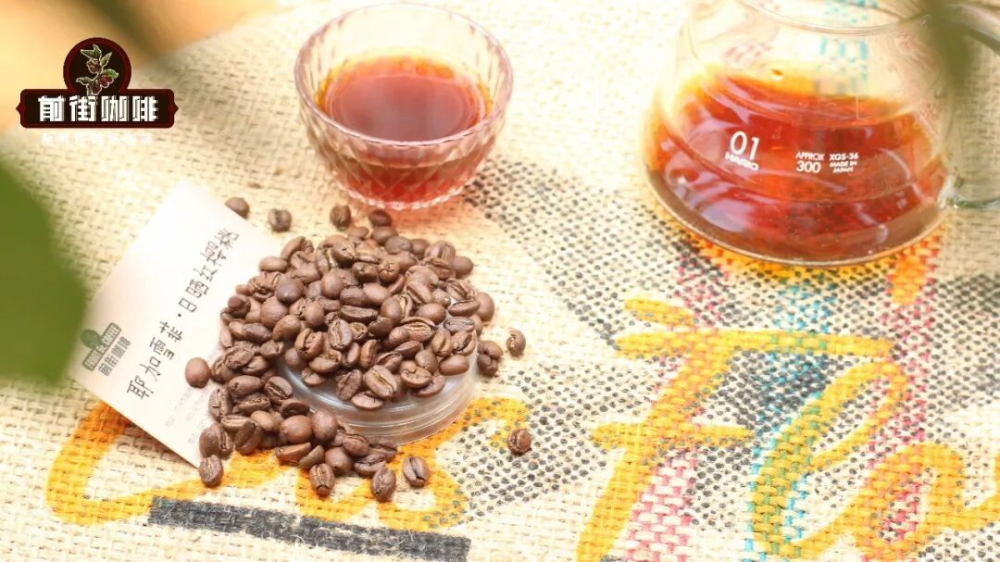
Nowadays, the specialty coffee trend has almost overwhelmingly surged toward the embrace of "light-roast fruity acidity." In Front Street's single-origin bean list, more than half are medium-light roasted beans, such as the floral-aromatic Front Street Panama Geisha, the Front Street Ethiopian beans known for their citrus acidity, and the berry-toned Front Street Kenya Little Tomato... To fully present the signature flavors of these beans, roasters must find ways to prevent those delicate aromatic compounds from dissipating at high temperatures, so they typically do not roast to second crack.
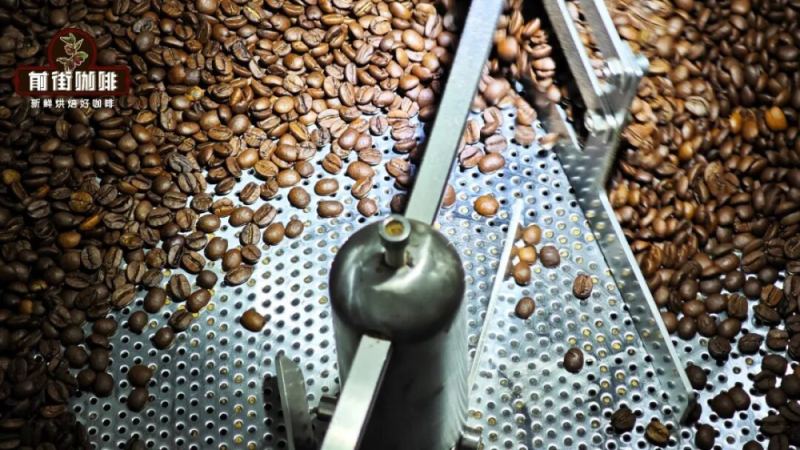
The dark roast approach does the complete opposite. It deliberately lets the green beans stay in a high-temperature environment for a longer period, prompting the citric acid and malic acid in the cell walls to undergo thermal decomposition, while intensifying caramelization reactions and Maillard reactions. As roasting progresses to second crack or even beyond, the moisture inside the beans is essentially completely evaporated. Regardless of which region the beans come from, after such treatment they all converge on the same result: acidity is nearly gone, bitterness takes center stage, the mouthfeel is heavy and intense, and it may even bring out more scorched notes.
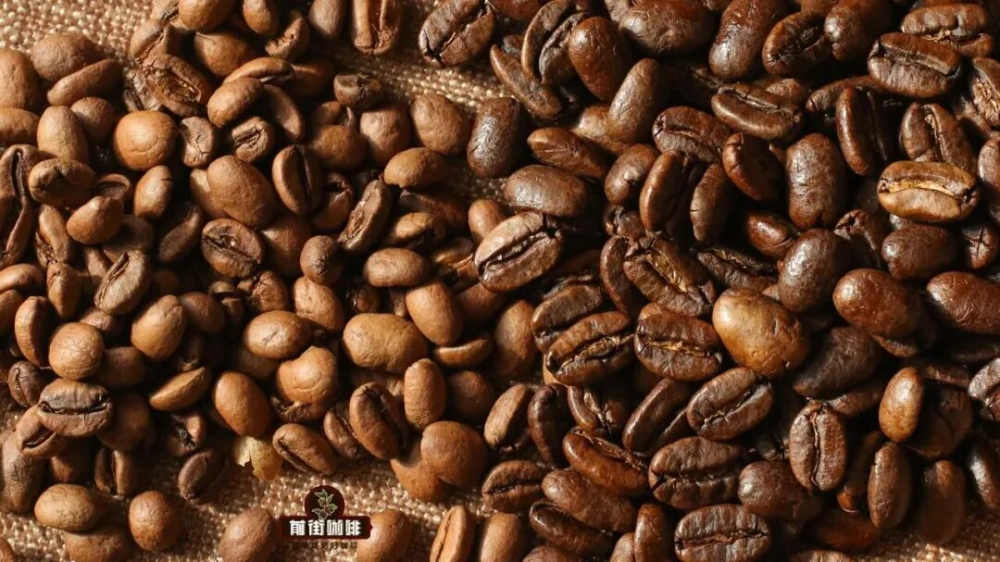
(Light roast and dark roast)
When introducing the grading of roast depth, Front Street usually covers French roast and Italian roast. French roast refers to beans being removed from the roaster only after second crack has ended, with a surface that is nearly black-brown, visibly oily, full of charred aroma, and with relatively prominent bitterness—among traditional European coffee flavors, France is where this style is most prevalent; Italian roast keeps the beans in the heat after second crack ends, and upon discharge they are almost carbonized and black, with intense burnt flavor, strong bitterness, and particularly prominent smoky notes.
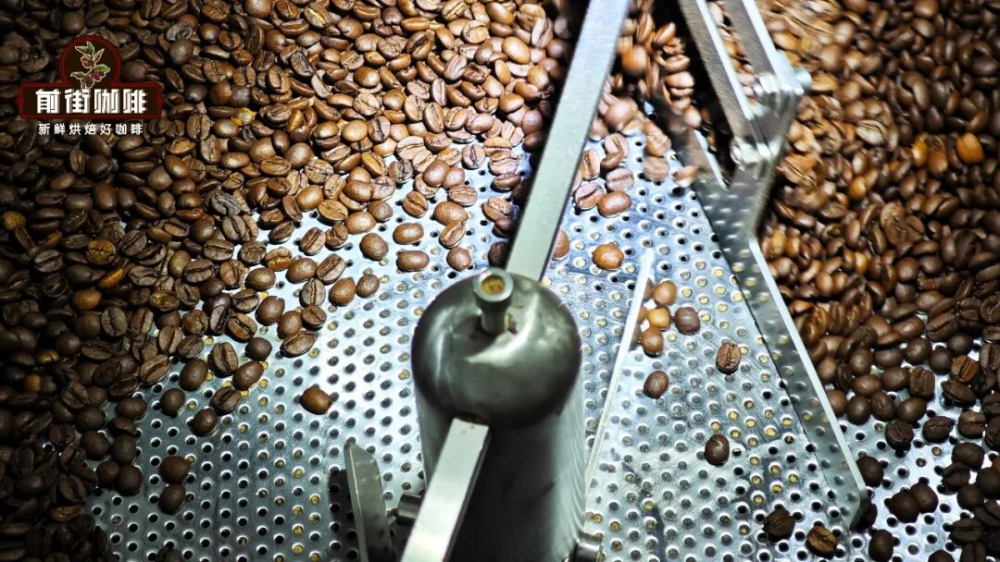
However, within the dark roast range represented by French and Italian roasts, the Japanese roasting community has carved out a path different from European tradition. They employ a "low-heat, slow-roast" method to extend the heating time of the coffee beans, roasting them deep and thorough, pursuing the ultimate balance of "deep but not scorched, intense but not muddy, sweetness and bitterness coexisting."
Japanese-style dark roast is somewhat like Cantonese slow-simmered soup—using direct fire and a slow rhythm to let the coffee beans rise in temperature gradually, and by extending the development period, pushing the green beans step by step toward a level close to French dark roast. While amplifying caramelization, it suppresses acidity, allowing the bitterness-sweetness and body brought by roasting to become the dominant flavors, ultimately producing beans that are deep brown throughout, even glistening with visible oil. This roasting method is commonly found in Japan's independent coffee shops or kissaten, and is often paired with flannel drip, nel drip, or siphon and other highly ritualistic brewing equipment.
Why do Japanese people have such a special fondness for dark-roasted coffee?
Japan's first encounter with coffee can be traced back to the Edo period in the 17th century, when the Dutch brought coffee to Dejima in Nagasaki, bringing this dark beverage into the view of the aristocratic class. By the Meiji Restoration period, Zheng Yongqing, a grandnephew of Zheng Chenggong, founded Japan's first coffee shop "Kahiichakan" in Tokyo—"kahii" being the direct transliteration of "coffee" at the time. He not only brought coffee to the general public but also laid the foundation for coffee shops to blossom everywhere in Japan in the future.
Many people think dark-roasted coffee equates to "bad," but this is actually a misunderstanding. Historically, there were indeed practices of using dark roasting to mask bean defects, but in an era before the concept of specialty coffee existed, all coffee beans were dark-roasted, and Japan was naturally no exception. Coffee back then tasted bitter and strong, and what people sought was that "coffee flavor" mixed with charred aroma. This had little to do with bean quality and was more a product of the market environment and drinking habits.
Japanese-style dark roast gradually took shape around the end of the 19th century. Under the influence of Western coffee culture, Japan slowly developed a coffee trend centered on kissaten, which opened throughout the streets and alleys, specializing in serving strong, bitter dark-roasted black coffee. This aligned quite well with Japanese people's traditional "bold flavor" dietary habits and could恰好 offset the sweetness and richness of Japanese desserts, making it highly favored by consumers.
Later, in order to allow dark-roasted beans to present a softer, sweeter, and smoother taste beyond caramel aroma, and also for the sake of quality consistency, early practitioners drew on experience to develop a set of roasting techniques: using low heat and slow roasting to bring beans to a relatively deep roast level while avoiding excessive smoky and burnt flavors, elevating both body and cleanliness to a higher level.
To maximize the charm of Japanese-style dark roast, brewing methods such as the siphon, flannel drip, and KONO dripper also emerged during the same period. They typically employ low-temperature, gentle extraction techniques, and the black coffee they produce mostly cannot escape the keywords "rich, mellow, sweet finish"—not harsh, not biting, sometimes revealing notes of dark chocolate and charcoal roasting. Front Street's Indonesian Mandheling, for instance, is often the top single-origin choice for this roasting style in Japan. The wet-hulling process gives the coffee unique herbal, woody, and spicy characteristics, which after Japanese-style dark roasting transform into the sweet fragrance of herbs and cocoa, along with a brown-sugar-like sweetness.
Over time, this distinctive "low-heat, slow-roast" style gradually became an important part of the local coffee culture and has continued to evolve and be passed down with the advancement of coffee waves. For example, the "home roasting" emphasized by some long-established Japanese roasteries refers to this traditional local dark-roasting craft.
- END -
The above content is compiled by CoffeeHunters, a coffee news website.


