







How Does the Roasting Process Shape Nordic Ultra-Light Roast Coffee?
Ultra-light roast coffee, also called Nordic roast, began in Norway, Sweden and Denmark around 2004. Roasters use high-temperature, fast roasting on single-origin beans from Africa and the Americas to hold on to bright acidity and floral, fruity aromas. The finished beans look pale yellowish-brown, feel dry, and carry no surface oil, which is why the cup is often compared to tea or juice.
The roasting process drives those results through two main reactions, the Maillard reaction and caramelization, which build flavor compounds as the green coffee bean heats. Because ultra-light roast stops early, fewer bitter compounds develop, but the light, clean body depends heavily on bean quality and extraction skill. Front Street Coffee instead offers a medium-light roast, which sits between Nordic ultra-light and Japanese dark roast.
Have you heard of "ultra-light roast coffee"? Originating from Northern Europe, it pursues bright acidity and floral/fruity aromas in coffee beans through high-temperature rapid roasting, and is often described as "like drinking tea or juice." Completely different from the rich, full-bodied aroma of Japanese dark roast, Nordic light roast emphasizes terroir and a light, clean mouthfeel. As a self-roasting brand, why doesn't Front Street Coffee offer ultra-light roast beans? This article will comprehensively analyze the definition, characteristics, and production challenges of ultra-light roast coffee from the perspectives of roasting rhythm, chemical reactions, and extraction difficulties, and compare the differences between Front Street's medium-light roast and Japanese dark roast, helping coffee enthusiasts find the flavor direction that suits them.
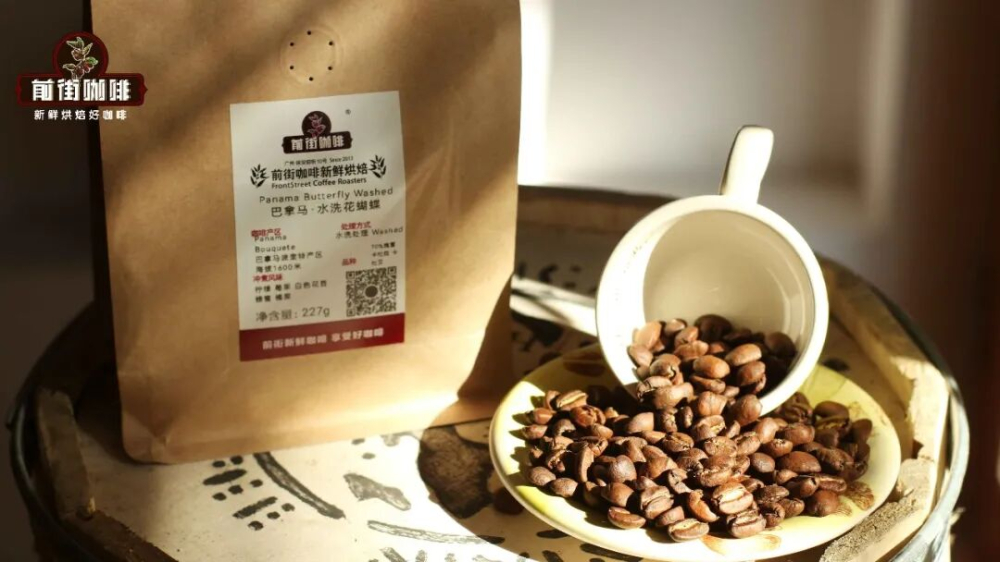
Customer: "What roast level is this (coffee bean) of yours?"
Front Street: "Medium-light roast."
Customer: "Do you have ultra-light roast coffee beans?"
Front Street: "No!"
In Chinese cooking, "thoroughly cooked" is often regarded as a prerequisite for deliciousness—most ingredients need to be fully heated through before we believe their best flavors can be drawn out. If dark roast is compared to well-done, then "ultra-light roast coffee" is like a medium-rare steak in Western cuisine—only lightly seared on the surface, and many people aren't sure what the flavor is like inside. Today, Front Street will introduce everyone to this "ultra-light roast coffee" that is still quite unfamiliar to most people.
Where did "ultra-light roast coffee" originally come from?
The concept of "ultra-light roast" comes from "Nordic Roast," also known as "Nordic light roast." It first became popular in Northern European countries such as Norway, Sweden, and Denmark, and only gradually developed around 2004. It is a rather distinctive roasting school in today's coffee scene.
Nordic roasting is mostly used for single-origin specialty coffee beans from Africa or the Americas, with the aim of maximizing the "terroir" of the coffee beans. After roasting, the bean surface is a yellowish light brown, dry to the touch, with no oiliness at all. Ideally, Nordic light roast can highlight the coffee's bright and lively acidity, delicate floral and fruity aromas, and a light, clean lingering charm, and is often described as "like drinking tea or juice." Correspondingly, however, whether these ultra-light roasted beans are made into espresso, pour-over, or milk coffee, they will show a lighter color, thinner body, and higher acidity.
What is the difference between Nordic light roast and traditional roasting?
During the coffee roasting process, "first crack" is usually seen as the sign that the beans are "done," so beans can be dropped at any time after first crack. The earlier they are dropped, the lighter the roast level; the later they are dropped, the darker the roast level.
Experienced friends basically know that coffee roasting can first be divided into three major systems: light roast, medium roast, and dark roast. The color and general taste of coffee beans change with the roast level: dark roast coffee is dark brown and tastes more bitter, such as Front Street Mandheling; light roast is light brown and tastes more sour, such as Front Street Yirgacheffe; while medium roast is chestnut-colored with a relatively balanced mouthfeel, one could say bitter, sour, and sweet, such as Front Street Blackberry. By understanding these three basic roasting styles, we can quickly find our target coffee beans by combining brewing method and personal taste.
So compared with conventional roasting styles (light, medium, dark), does Nordic roasting simply mean shortening the heating time? The answer is no, because it does not refer to a certain roast level, but more to a roasting rhythm.
If Japanese dark roast uses low heat, a slow rhythm, and a long time to present coffee's richness, fullness, and aroma, then Nordic light roast pursues "fast, precise, and ruthless." Based on the characteristics of a certain coffee, it uses high temperature and high heat to roast the beans in the shortest possible time to just reach first crack before dropping, reducing the caramelization reactions and Maillard reactions produced during roasting, hoping to preserve the coffee beans' own lively acidity and clean fruit flavors, making them more recognizable while also protecting them from being masked by "bitterness." Therefore, in addition to placing higher demands on the quality of green coffee beans, Nordic light roast also requires roasters to have more professional skill; otherwise, it will instead highlight the beans' defects.
You should know that coffee turning from green beans into roasted beans is not simply a matter of heating. As temperature, time, and roasting stages change, a series of complex chemical reactions occur inside the coffee beans, ultimately directly affecting appearance color, aroma, acidity, sweetness, bitterness, body, and oil performance, among other things. So from a professional perspective, Nordic light roast is not simply about shortening time across the board; it is also necessary to summarize its commonalities by combining equipment, roasting parameters, color values, and other aspects.
Why doesn't Front Street have ultra-light roast coffee beans?
I wonder if everyone has noticed that most coffee beans sold in domestic specialty shops belong to medium-light roast, and coffee that truly achieves "ultra-light" is extremely rare. Front Street is no exception. As a shop mainly offering self-roasted coffee beans, Front Street first serves domestic consumers, especially the group that makes coffee at home by themselves, so our first priority in production is to make ideal extraction easier to achieve while ensuring the coffee beans do not lose their terroir.
For example, the reason Front Street Little Tomato uses medium-light roast is that its main profile is the rich fruity acidity of berries, snow pear, and black plum, and then we hope to enhance the caramel feel to boost the coffee's body and syrupy texture, so that whether it is made as pour-over, cold brew, or simply soaked in hot water, it can better display "Kenyan flavor."
On the other hand, among people who use espresso machines, most actually prefer to drink it with milk, and at this point obviously "extreme-style" light roast beans are not their thing. In order to make coffee with a richer mouthfeel and prettier latte art, this type of customer should prioritize beans with low acidity, full body, and obvious caramel notes, that is, medium / medium-dark / dark roast coffee.
Although, like the common medium-light roast coffee on the market, it belongs to the fruity acidity school, ultra-light roast, because of its short development time and hard interior, also retains a large amount of chlorogenic acid, malic acid, citric acid, and other substances. So when brewed without substances that provide sweetness, the coffee can easily taste sharply sour due to underextraction. This is also why many people say "ultra-light roast coffee beans are especially hard to brew."
A properly roasted cup of Nordic light roast coffee can burst in the mouth like a "fruit bomb," letting people feel a highly recognizable terroir, such as the bergamot and jasmine aroma of Panama Geisha, or the chamomile and apricot-peach sweet acidity of Ethiopian Geisha. But if roasting is not handled properly, it may turn the coffee into something "half-cooked," or it may not be roasted through at all, so it tastes grassy and astringent. At that point, using "ultra-light roast" for the coffee becomes meaningless.
The above content is compiled by CoffeeHunters, a coffee news website.


